
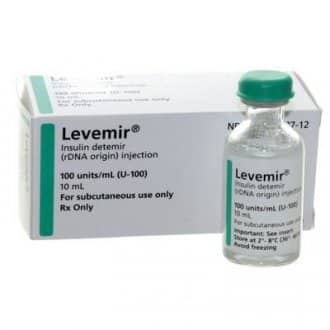
A levemir injection is usually given into the fatty layer under the skin, most often in the abdomen, thigh, upper arm, or upper buttock. The main goal is simple: use the right tissue layer, rotate locations, and avoid sore or lumpy skin. This helps reduce pain, bruising, lipohypertrophy (fatty thickening), and unpredictable absorption.
Levemir is the brand name for insulin detemir, a long-acting basal insulin. It is used to help improve glucose control in people with diabetes, according to the official product labeling. Your prescribed dose and schedule should come from your care team. This article focuses on where and how injections are commonly given, not on changing your insulin plan.
Key Takeaways
- Common areas: Abdomen, thigh, upper arm, and upper buttock.
- Rotation matters: Move within and between areas to protect skin.
- Pen technique: Use a new needle and hold the dose button briefly.
- Skin checks: Avoid bruised, tender, hard, or lumpy spots.
- Safety signs: Seek help for spreading redness, pus, hives, or breathing trouble.
Where a Levemir Injection Usually Goes
A levemir injection should usually go into subcutaneous tissue, which means the fatty layer under the skin. This layer sits above muscle and allows insulin to absorb in a steadier way. Injecting too shallowly may cause leakage. Injecting into muscle may change how quickly insulin works and can increase discomfort.
The four common insulin pen injection sites are the abdomen, front and outer thigh, back of the upper arm, and upper outer buttock. Many people find the abdomen easiest to see and reach. Keep injections at least two inches, or about three finger widths, away from the navel. Avoid scars, stretch marks, moles, irritated skin, and areas under waistbands that rub.
The thigh can be useful when the abdomen needs a rest. Use the front and outer thigh rather than the inner thigh or the area close to the knee. The upper arm and buttock can work well, but placement may be harder without help. If you are unsure whether a site is fatty enough, ask a diabetes educator, nurse, pharmacist, or prescriber to review your technique.
For a broader review of common insulin areas, see Where To Inject Insulin. That resource can help you compare site options without changing your prescribed regimen.
How to Rotate Insulin Injection Sites
Insulin injection site rotation means moving injections in a planned pattern instead of reusing the same small spot. This matters because repeated injections in one area can injure the tissue. Over time, the skin may become rubbery, raised, dented, tender, or less sensitive.
A simple method is to divide one body area into smaller zones. For example, divide the abdomen into four quadrants. Use one quadrant for several days, spacing each injection at least one finger width from the last mark. Then move to the next quadrant. Another option is a grid pattern, where you move left to right across small imaginary squares.
Try to rotate within the same general area at the same time of day unless your clinician gives different instructions. Different body areas can absorb insulin at slightly different rates. A consistent pattern makes it easier to notice whether glucose changes are related to food, activity, illness, timing, or injection technique.
Quick tip: Keep a small site log beside your glucose notes or medication list.
A site log does not need to be complicated. You can write “right abdomen,” “left thigh,” or “upper buttock,” then add a short note if the spot bruised or leaked. If your care team has asked you to track doses closely, pair the site note with your prescribed schedule. For dosing context only, the Levemir Insulin Dosage resource explains why dose changes should be clinician-directed.
Pen Technique: Needles, Angle, and Hold Time
Good pen technique starts before the needle touches the skin. Wash your hands, check the insulin appearance as directed, attach a new needle, and prime the pen if the device instructions require it. Priming helps confirm flow and may reduce dosing errors. Never share insulin pens, even if the needle is changed.
Most modern pen needles are short enough for a 90-degree injection into fatty tissue. Many adults do not need a deep pinch with 4 mm to 6 mm needles. A gentle skin fold may help if the injection area is lean, especially when using a longer needle. Do not squeeze hard, since that can increase pain or bruising.
Insert the needle smoothly, press the dose button fully, and keep it pressed while you count for the time stated in your device instructions. Many pen instructions advise holding the needle in place briefly after the dose button reaches zero. This helps reduce insulin leaking back out. Remove the needle at the same angle, apply light pressure if needed, and avoid rubbing the skin.
Needle reuse can dull the tip and may increase discomfort, bleeding, leakage, and skin trauma. Use a new needle for each injection and dispose of it in a puncture-resistant sharps container. If needle size or comfort is a frequent problem, review options in Insulin Pen Needles and ask your care team which length fits your body and technique.
Levemir FlexPen, FlexTouch, and PenFill Basics
Device names can be confusing because they describe delivery systems, not a different injection site. A Levemir FlexPen or Levemir FlexTouch is a prefilled pen format. Levemir PenFill cartridges are used with compatible reusable pens. The site rotation principles stay the same across pen formats.
What changes is the device handling. Some pens feel different when dialing a dose or pressing the button. If your device changes, review the instructions before the next injection. CanadianInsulin.com functions as a prescription referral platform, and dispensing is handled by licensed third-party pharmacies where permitted, so device questions should still be checked against the product instructions and your prescriber’s directions.
For cartridge-related navigation, see Levemir PenFill Cartridges. If you use a reusable Novo Nordisk pen, NovoPen 4 may provide device context, but your pharmacist or diabetes educator should confirm compatibility and setup.
Skin Reactions and When to Rest a Site
Mild redness, a small bruise, or brief stinging can happen after an insulin injection. These reactions often settle without special treatment. Rest that spot and use another area until the skin looks and feels normal. Do not inject through broken skin, active rash, swelling, or a tender lump.
Lipohypertrophy is one of the most common skin issues linked with repeated insulin injections. It can feel like a soft, firm, or rubbery lump under the skin. Some people keep using those areas because they hurt less, but that can make absorption less predictable. Learn more about this tissue change in What Is Lipohypertrophy.
Watch for signs that need medical review. These include spreading redness, warmth, worsening swelling, pus, fever, or severe pain at the site. A widespread rash, facial swelling, wheezing, dizziness, or trouble breathing may suggest a serious allergic reaction and needs urgent care.
Why it matters: Unhealthy injection sites can make glucose patterns harder to interpret.
Take dated photos if a lump, bruise, or rash persists. Bring the images and your site log to your next appointment. This can help your clinician decide whether the issue relates to needle length, injection depth, site reuse, allergies, infection, or another cause.
Timing, Showering, and Everyday Routine Questions
Levemir insulin is a basal insulin, so timing consistency is often important. Some people use it once daily, while others may have a different prescriber-directed schedule. Do not change the timing or amount of insulin based only on site discomfort or one unusual glucose reading. Instead, document the pattern and ask for individualized guidance.
Many people ask whether they can shower after taking insulin. In general, routine bathing or showering is not automatically prohibited after an injection. However, avoid rubbing the injection site aggressively, and follow any specific instructions from your clinician. If you notice frequent bleeding or leakage after showers, technique or needle placement may need review.
Exercise, heat, massage, and active muscle use near an injection area may affect how insulin is absorbed. For example, injecting into a thigh right before prolonged leg exercise may not be ideal for some people. Your care team can help align injection timing, site choice, meals, activity, and hypoglycemia risk.
If you track glucose in both mg/dL and mmol/L, a unit converter can reduce transcription mistakes when sharing readings with clinics or family members.
Blood Glucose Unit Converter
Convert glucose readings between mg/dL and mmol/L without changing the clinical value.
These calculations are for education only and do not replace clinical advice, diagnosis, or treatment. Always confirm medical decisions with a qualified healthcare professional.
This calculator only converts glucose units. It does not interpret readings, adjust insulin, or replace clinical advice.
Side Effects, Contraindications, and Practical Cautions
The most important safety issue with any insulin is hypoglycemia, or low blood glucose. Symptoms may include shakiness, sweating, hunger, confusion, fast heartbeat, or weakness. Severe low glucose can cause seizures, loss of consciousness, or injury. Follow the low-glucose plan provided by your care team.
Other possible issues include injection-site reactions, weight change, fluid retention, and allergic reactions. The official label also lists important cautions, including not using Levemir during episodes of hypoglycemia and not using it in people with hypersensitivity to insulin detemir or its ingredients. These are label-based safety points, but your clinician should interpret how they apply to you.
Medication interactions can also matter. Some drugs may increase hypoglycemia risk, while others may raise glucose or change insulin needs. Alcohol can make glucose patterns harder to predict. Tell your care team about prescription medicines, over-the-counter products, supplements, kidney disease, liver disease, pregnancy, breastfeeding, and major routine changes.
For a broader medicine profile, see What Is Levemir. Use that as background reading, not as a substitute for instructions tied to your prescription.
Access Changes and Discussing Alternatives
Some readers search levemir injection because they are checking device availability or planning a switch. Levemir availability has changed in some markets, and product status can vary by country, pharmacy, and date. If your usual product becomes difficult to obtain, do not stretch doses, skip doses, or substitute another insulin without medical direction.
Basal insulin alternatives may include other long-acting insulin products, but they are not always unit-for-unit interchangeable. Differences in duration, onset, device design, and dosing schedule can matter. Your prescriber may want recent glucose logs, hypoglycemia history, kidney function context, and current medication details before recommending a change.
If you explore access options, keep the discussion practical and safety-focused. Where required, prescription details may need confirmation with the prescriber before a referral can proceed. Some patients also ask about cash-pay options or cross-border fulfilment depending on eligibility and jurisdiction, but those logistics should not drive clinical substitution decisions.
Authoritative Sources
For official labeling, dosing-form information, warnings, and administration details, review the DailyMed Levemir product label. DailyMed provides U.S. National Library of Medicine drug label information.
For patient-level injection technique and safe needle handling, the CDC injection safety information explains basic safety principles around medication preparation and injection practices.
For general diabetes medication education and glucose safety context, the American Diabetes Association insulin resources outline common injectable medicine topics for people living with diabetes.
Recap
Safe injection habits are built from small, repeatable steps. Choose a fatty area, rotate sites methodically, use a new needle, follow your pen instructions, and avoid damaged skin. Keep notes when reactions or glucose patterns seem unusual. If you see persistent lumps, spreading redness, severe lows, or possible allergic symptoms, contact a clinician promptly.
A levemir injection routine should support your prescribed diabetes plan, not replace it. Technique, timing, device use, and site health all affect how confidently you and your care team can interpret your readings.
This content is for informational purposes only and is not a substitute for professional medical advice.


