
Memorial Day is best observed as a day of remembrance first, with health and safety woven into the plan. This Memorial Day Guide: Honoring Heroes and Supporting Health starts from that balance. The holiday honors U.S. service members who died in military service, and the most respectful plans keep that meaning visible, whether you attend a cemetery ceremony, host a cookout, travel, or stay home. A useful Memorial Day guide should help you remember the purpose of the day, avoid common etiquette mistakes, and think ahead about sun, hydration, food safety, medicines, and any chronic condition that can be thrown off by a long weekend.
Key Takeaways
- Memorial Day honors military members who died in service, not military service in general.
- Respectful observance can be simple: a cemetery visit, a local ceremony, a flag display, or a pause at 3 p.m. local time.
- Health planning matters during long weekends, especially for heat, sun exposure, travel, food safety, and medication routines.
- A social gathering can still fit the day when remembrance comes first and safety basics are not ignored.
A Memorial Day Guide to Meaning and History
Memorial Day is a U.S. federal holiday that honors members of the armed forces who died while serving. That is the core meaning, and it matters because the tone of the day changes when you start there. It is not the same as Veterans Day, which recognizes all who served, or Armed Forces Day, which centers current service members.
The observance grew from post-Civil War Decoration Day traditions, when communities decorated graves and gathered to remember the dead. Today it falls on the last Monday in May. For many families, the day includes travel, meals, or time outdoors, but those activities do not replace the reason for the holiday. They sit around it.
That distinction matters when you choose language. Some people say ‘Happy Memorial Day,’ while others prefer phrases such as ‘remembering the fallen’ or ‘honoring those who died in service.’ You do not need perfect wording. You do need the right intent.
Why it matters: Knowing the purpose helps every other choice feel more respectful.
Ways to Honor the Fallen Respectfully
The most respectful ways to observe Memorial Day are usually simple: show up, pay attention, and keep the focus on sacrifice. You do not need a large event or a polished speech. Quiet, intentional acts often carry more weight than grand gestures.
At Cemeteries and Memorials
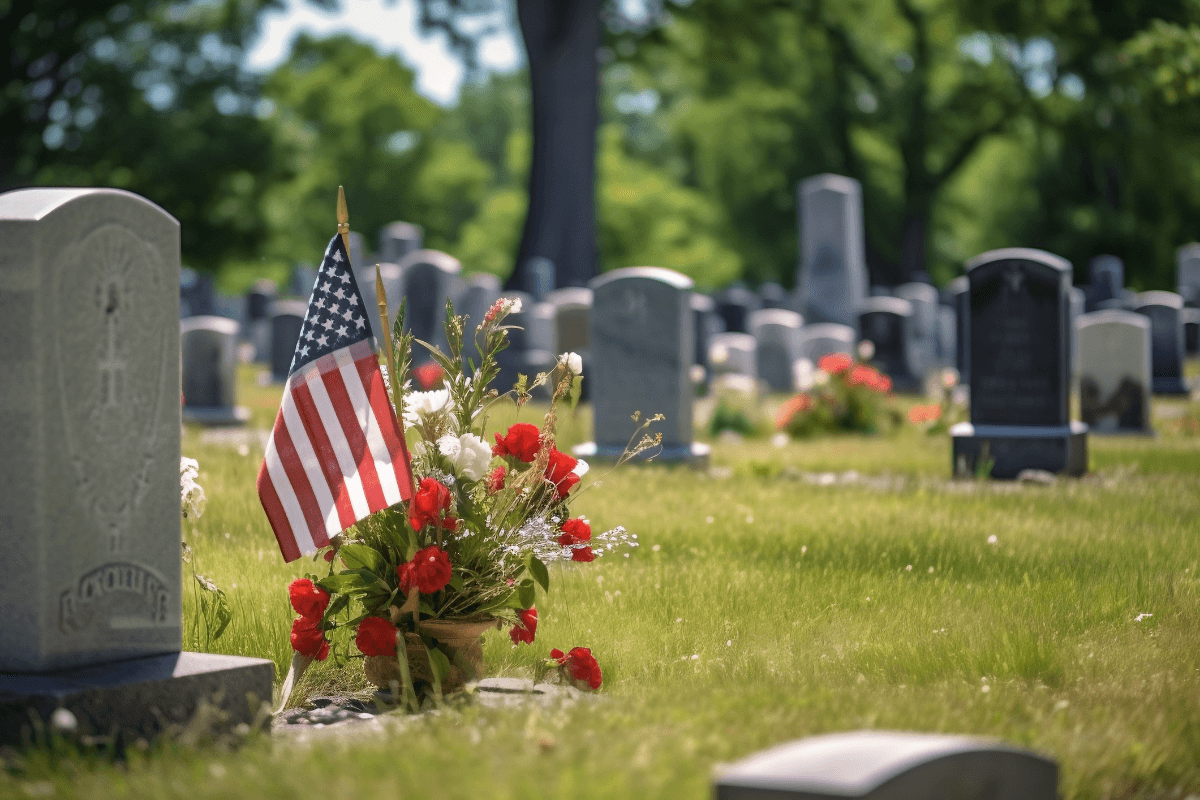
A cemetery or memorial visit is one of the clearest ways to honor Memorial Day. If you go, keep voices low, follow posted rules, and give families room to grieve. Flowers or small flags may be appropriate if the site allows them. Avoid sitting on graves, moving items that were placed by others, or turning the visit into a photo backdrop. If you bring children, explain where you are and why the setting deserves care.
If a formal ceremony is happening, arrive early, silence your phone, and stay attentive through readings, the anthem, or a wreath-laying. If you display the U.S. flag at home, customary observance is half-staff until noon and full-staff afterward. Many communities also pause for the National Moment of Remembrance at 3 p.m. local time.
At Home and in Public Events
You can also honor the day at home. Read the names or stories of relatives who served. Share one memory before a meal. Watch a memorial program instead of using the day only as background for shopping or entertainment. Community service can fit as well, especially when it supports remembrance, military families, or cemetery upkeep.
Parades and public observances have their own etiquette. Stand quietly during formal moments, follow event staff directions, and avoid treating a ceremony like a casual street festival. There is no required Memorial Day color. For a ceremony or cemetery visit, neat clothing in subdued or patriotic colors is common, but comfort, weather, and respect matter more than any dress code.
Service can also be practical. Some communities organize memorial cleanups, flag placement, or volunteer support for military families. Those actions can be meaningful, but the day still centers those who died in service. Supporting living veterans is appropriate when it grows from remembrance rather than replacing it.
If you share a message online, brief and sincere usually works best. There is no single official Ronald Reagan Memorial Day quote. Several remarks about freedom and sacrifice are often reposted, sometimes without context. A short, sourced message about remembrance is more reliable than a dramatic line with uncertain wording.
A Simple Memorial Day Checklist
If you want a practical Memorial Day guide for the weekend, keep it short and clear. A few planned steps can make the day more meaningful and less rushed.
- Choose one remembrance activity such as a cemetery visit, parade, memorial, or names-reading.
- Set a 3 p.m. reminder for a brief National Moment of Remembrance.
- Review flag customs if you plan to display the U.S. flag.
- Pick clothing that is respectful, comfortable, and suited to the weather.
- Check the forecast for heat, sun, rain, and walking conditions.
- Plan food, water, shade, and cooler space before guests arrive.
- Pack medicines, testing supplies, chargers, and emergency contacts if you travel.
Keeping Memorial Day Weekend Healthy
The main health risks over Memorial Day weekend are ordinary but easy to overlook: sun exposure, dehydration, unsafe food handling, alcohol-related overexertion, travel fatigue, and disrupted routines. This is where a health-focused Memorial Day guide becomes useful. Small prevention steps can do more than last-minute fixes.
Heat, Sun, and Hydration
Outdoor ceremonies, parades, yard work, and cookouts can add up to several hours in the sun. Wear sun-protective clothing, use sunscreen, and look for shade before you feel overheated. Drink water regularly, especially if the day is hot or you are walking a lot. Alcohol and long gaps between meals can make dehydration worse. Older adults, young children, and people with chronic conditions may be affected sooner than expected.
If you are traveling, build in breaks. A car, stadium seat, or folding chair can make it easy to miss early signs of trouble. Headache, dizziness, weakness, nausea, unusual sleepiness, or confusion should not be brushed off as just part of the holiday. For broader seasonal wellness reading, the General Health Hub can help you review common prevention basics.
Quick tip: Put water, sunscreen, a hat, and any daily medicines in one easy-to-reach bag.
Travel and Activity Pace
Travel health tips are not only about the road. Crowds, long standing times, missed meals, and late-night schedules can add physical stress even when you stay local. If you are walking through a parade route, cemetery grounds, or a large memorial site, wear supportive shoes and pace the day. If you are hosting, build quiet breaks into the schedule. Memorial Day often combines emotion, heat, and movement, which can be more tiring than people expect.
Food Safety and Blood Sugar Awareness
Cookouts and potlucks can create food safety problems fast. Keep cold foods cold, hot foods hot, and wash hands before handling shared dishes. Use clean utensils for cooked foods, and do not let perishable items sit out for long in the heat. The same casual pace that makes holidays enjoyable can also make it easy to forget these basics.
If you live with diabetes, prediabetes, or a history of glucose swings, holiday meals may change how you feel. Building the plate around protein, fiber, and steady portions can help. If you want seasonal food ideas with a health lens, see Cherries And Diabetes, Sweet Potato And Diabetes, and Seafood Choices.
It also helps to know when a heavy meal is more than simple overindulgence. If you feel shaky, intensely thirsty, very tired, or unusually unwell after a holiday spread, review common warning signs in High Blood Sugar Signs and Sugar High Basics. Those resources are not a diagnosis, but they can help you describe symptoms clearly if you need care.
If You Manage Medicines or a Chronic Condition
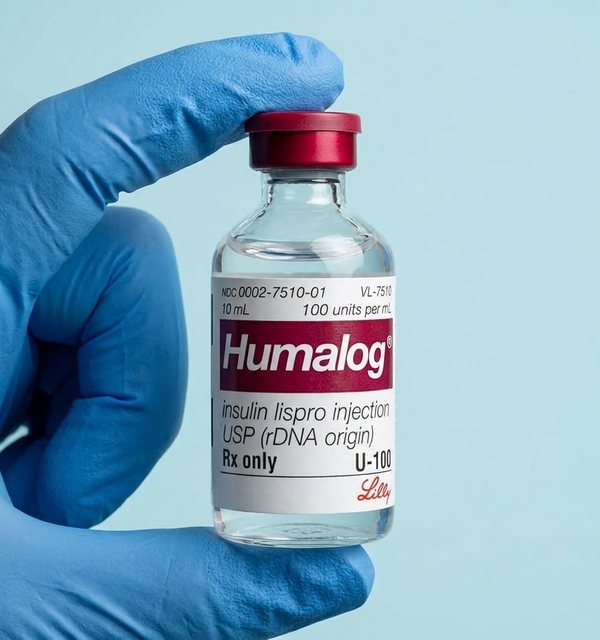
Long weekends can disrupt refills, meal timing, sleep, and medical routines more often than people expect. If you take prescription medicines or use testing equipment, plan before the holiday starts. Refill early if needed, pack a current medication list, and keep essential items where you can reach them. If you are driving or attending an all-day event, avoid leaving medicines or devices in a hot car unless the product instructions say that is safe.
Where required, prescription details may need confirmation with the prescriber.
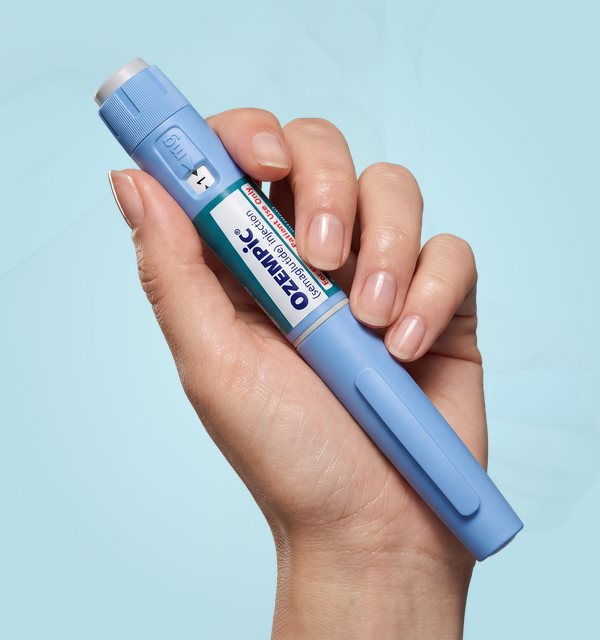
Testing supplies deserve the same attention as medicines. Pack enough strips, lancets, sensors, alcohol swabs, batteries, chargers, and snacks for the full outing, plus a little extra. If you need a refresher on basic supply planning, Lancet Safety Tips covers practical handling points. If you use a GLP-1 medicine and want neutral background reading before a travel-heavy weekend, GLP-1 Explained reviews the drug class at a high level, and GLP-1 OTC Basics covers a common access misconception.
If large meals, ceremonies, or travel blocks usually shift your routine, use phone alarms and simple packing lists. Keep water and a familiar snack close by. Avoid changing a prescription schedule just to fit an event without professional guidance. The goal is steadiness, not perfection.
If holiday schedules make you think about cost or refill timing, plan earlier than you think you need to. Waiting until a long weekend begins limits your options. The article on Out-Of-Pocket Planning is one example of how to think through timing, paperwork, and budgeting without making last-minute assumptions.
Dispensing may be handled by licensed third-party pharmacies where permitted.
Know Which Symptoms Need Attention
Seek urgent care for chest pain, trouble breathing, severe allergic reactions, signs of heat stroke, severe dehydration, repeated vomiting, confusion, or blood sugar symptoms that do not improve. If a missed dose, alcohol use, heat exposure, or travel delay leaves you feeling markedly worse than expected, do not wait for the holiday to end just because clinics may be busy. It is also reasonable to ask a pharmacist or clinician ahead of time how to handle routine schedule changes during travel or outdoor events.
Balancing Gathering, Grief, and Support
A cookout, road trip, or family day is not automatically disrespectful. What matters is whether remembrance stays visible and sincere. One simple approach is to begin the day with a cemetery stop, a local ceremony, a prayer, a reading, or a minute of silence before the rest of the schedule unfolds. That keeps the meaning of Memorial Day from getting buried under convenience.
Support can also be quiet. If you know a veteran, military family, or Gold Star family, do not assume they want the same kind of conversation every year. Some people want company. Others want space. Asking gently, listening more than speaking, and avoiding performative posts can be more respectful than a polished tribute. If children are part of the day, explain that Memorial Day is about remembering people who died in service, not just celebrating a long weekend.
Grief can be tiring, and busy gatherings can make that easier to miss. Keep the schedule flexible, build in shade and rest, and make it easy for anyone to step away for a quiet moment. A good Memorial Day guide does not try to turn remembrance into a productivity exercise. It simply helps the day stay thoughtful, safer, and clear in purpose.
Authoritative Sources
For official history and seasonal safety guidance, start with these sources:
- U.S. Department of Veterans Affairs on Memorial Day history
- FDA guidance on safe food handling for gatherings
- CDC guidance on preventing heat-related illness
Memorial Day can hold both remembrance and routine life. If the meaning stays clear and the basics are planned, the weekend can feel more respectful and more manageable.
This content is for informational purposes only and is not a substitute for professional medical advice.