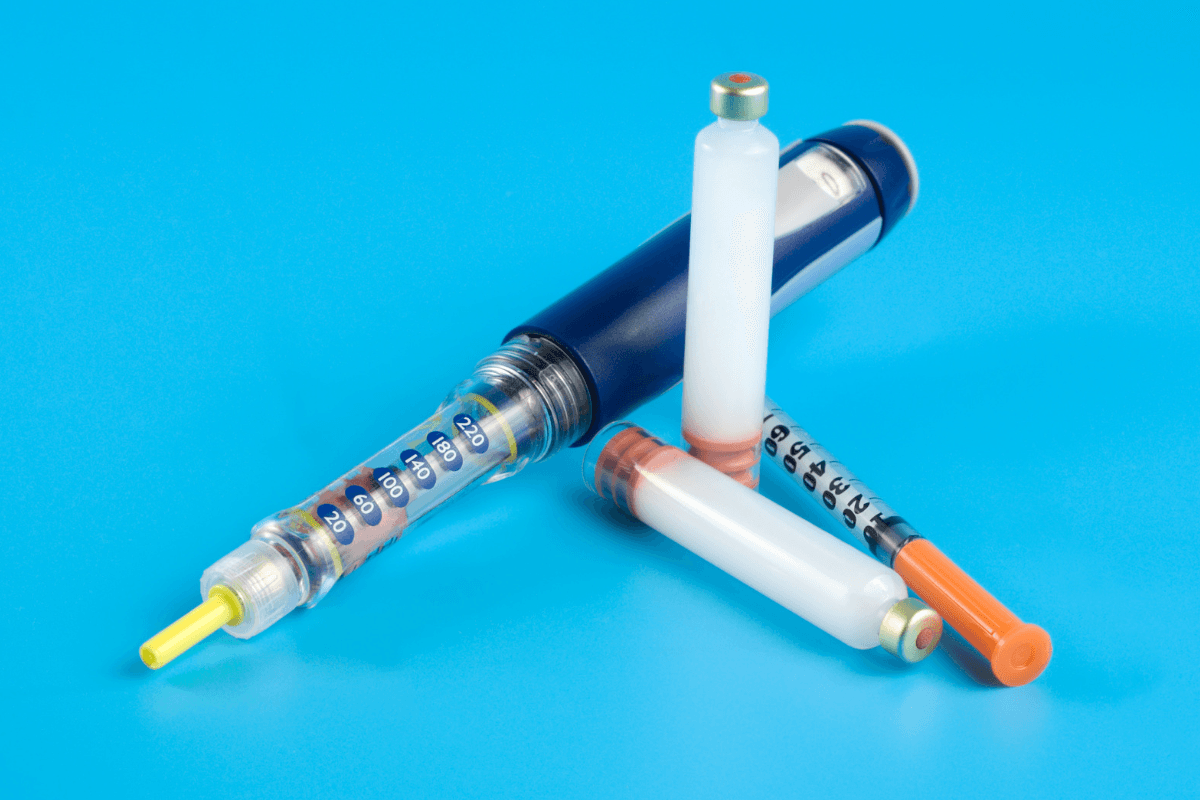
Daily insulin routines work best when the tools feel predictable. Novorapid insulin is a rapid-acting insulin aspart option that many people use around meals and for corrections. Cartridges can make that routine easier to carry and easier to track, but they also add device steps. Knowing those steps helps you avoid dosing errors and wasted supplies.
This guide explains how cartridges fit into everyday use, how pens differ, and what to watch for. It focuses on practical handling and safety signals. For dosing changes or timing decisions, rely on your prescriber and the product label.
CanadianInsulin functions as a prescription referral service, not a prescribing clinic.
Key Takeaways
- Cartridges require a compatible reusable pen and correct loading.
- Good technique and site rotation reduce skin and absorption problems.
- Meal timing and corrections should follow your care plan.
- Storage and travel habits protect insulin from heat and freezing.
Novorapid insulin: How Cartridges Fit Daily Routines
Novorapid is a brand of insulin aspart, a rapid-acting insulin analog. In plain language, it is designed to work relatively quickly compared with “basal” (background) insulins. People may use it for mealtime coverage and, in some cases, to correct high glucose. Some people also use insulin aspart in insulin pumps, depending on clinician guidance and device instructions.
Cartridges are one way to package insulin for injection. Instead of drawing insulin from a vial with a syringe, you place the cartridge into a reusable pen device. The pen then delivers measured units through a pen needle. If you want a quick overview of cartridge formats, see Insulin Cartridges Types.
Rapid-Acting Insulin Aspart, In Plain Terms
Rapid-acting insulin is often discussed with two clock concepts: onset (when it starts working) and duration (how long it can keep working). Those concepts matter most when you are matching insulin to food, activity, and glucose trends. But the exact timing varies by person, injection site, dose size, and other factors. It also varies by product and instructions. When you hear “Novorapid onset and duration,” think of it as a planning tool for you and your clinician, not a timer you can set and forget.
Cartridges tend to appeal to people who prefer a reusable device. They can also help reduce the number of separate parts you carry. On the other hand, you must be consistent about loading, priming, and needle changes. If you are choosing devices, it helps to compare Insulin Pen Vs Syringe based on your dexterity, vision, and daily schedule.
Why it matters: Small device errors can lead to large glucose swings.
Cartridges, Pens, and Refill Basics
People often use the terms interchangeably, but there are key differences. A “Novorapid insulin pen” may refer to a disposable prefilled pen (such as Novorapid FlexPen) or a reusable pen that takes a Novorapid cartridge. With the reusable option, the “Novorapid insulin pen refill” is the cartridge itself. This matters because each format has its own setup steps, needle attachment method, and priming habits.
Start with a simple verification habit. Confirm the insulin name on the carton and the cartridge. Then confirm it matches what your clinician prescribed. If you use more than one insulin type, keep them separated in your storage area and travel kit. Mix-ups happen most when you are in a rush or tired.
Refill And Device Compatibility
Not every pen fits every cartridge system. “Novorapid reusable pen” typically means a pen designed for Penfill-style cartridges. Before you load a cartridge, check your pen’s instructions and confirm it is intended for that cartridge type. If you need a reusable device, see NovoPen 4 and the related setup discussion in NovoPen 4 Dosing. For injection supplies, review needle options in Insulin Pen Needles and confirm what is compatible with your pen.
When loading, follow the pen’s steps closely. Most pens require you to insert the cartridge, reassemble the pen, attach a new needle, then prime (air shot) before the first dose. Priming helps confirm insulin flow and helps clear air. For a plain-language walkthrough of technique, use Insulin Pen Step Guide alongside your device insert.
Needles are not one-size-fits-all. Needle length and gauge can affect comfort and ease of use. If you are comparing options, one example is BD Nano Pen Needles, but selection should match your clinician’s guidance and your pen’s compatibility.
When required, prescription details are confirmed with your prescriber before processing.
Common Mistakes To Avoid
- Skipping priming: dose may not fully deliver.
- Reusing needles: higher clogging and skin irritation risk.
- Loose needle: insulin can leak during injection.
- Wrong cartridge: mix-up with other insulins.
- Storing in heat: insulin may degrade silently.
Injection Technique and Site Rotation That Protects Skin
Good technique is less about perfection and more about repeatability. For any Novorapid insulin injection, the goal is a consistent delivery into the fatty layer under skin (subcutaneous tissue). Small variations can change absorption. Over time, poor habits can also lead to lipohypertrophy (fatty lumps) that make dosing less predictable.
Most education materials focus on three practical steps: use a new needle, inject at the proper depth for your device, and hold the pen in place long enough for the dose to finish. Your pen instructions specify the hold time. If you rush, you may withdraw early and under-deliver. That can look like “insulin didn’t work,” when the real issue was incomplete delivery.
Injection sites matter. Common Novorapid injection sites include the abdomen, thighs, buttocks, and upper arms, depending on what you can reach safely. The bigger issue is repetition. When you rotate injection sites Novorapid routines become more consistent, because you avoid repeatedly traumatizing the same small area.
Quick tip: Use a simple left-to-right pattern across an area.
Example: You decide to use the abdomen for most doses. You split the area into four zones and move in a small grid. You avoid scars, bruises, and areas that feel firm. If your glucose suddenly becomes harder to predict, you ask your clinician to check for lipohypertrophy and review technique. For broader education and care topics, you can browse the Diabetes Hub.
Timing, Onset, and Dose Concepts To Discuss With Your Team
Rapid-acting insulin management usually comes down to patterns. You look at what happens after meals, during exercise, and overnight. You also look for repeated lows. Your clinician may use that information to adjust meal dosing, correction approaches, or basal insulin. Many people hear about a Novorapid dosage chart online, but those charts are not a substitute for individualized prescribing.
If you use Novorapid insulin, follow your prescriber’s timing instructions around meals. People often ask “Novorapid before or after meals,” and the safest answer is that timing should match your specific care plan and the official product information. The same caution applies to managing missed doses. If you forgot a dose, don’t guess. Use the plan your clinician gave you for managing missed Novorapid dose situations, and contact your clinic when you are unsure.
Carb Counting, Corrections, and Sliding Scales
Many plans use one of three frameworks: fixed mealtime doses, carb counting Novorapid approaches (insulin-to-carb ratios), or a sliding scale Novorapid approach. Some combine methods. A correction method uses a Novorapid correction dose to bring a high reading down, based on a clinician-set sensitivity factor. These are math-based tools, but the inputs must be reliable. That means consistent carb estimates, accurate glucose checks, and an honest record of activity and alcohol.
Example: You eat out and cannot estimate carbs confidently. You decide to document the meal, check glucose later as directed, and bring the notes to your next visit. This helps your clinician tune your ratios or correction guidance. If you want a high-level overview of how clinicians think about ranges, see Insulin Dosage Chart.
Checklist: Information That Improves Dose Reviews
- Meal photo: portion size reference
- Carb estimate: your best number
- Pre-meal reading: time-stamped
- Post-meal trend: check times noted
- Activity notes: type and duration
- Low episodes: symptoms and treatment
- Device issues: priming, leakage, alarms
For people who use multiple formats, it can help to learn the practical differences between cartridges and vials. If you ever switch formats, compare instructions with Novorapid Vial Overview. You can also see the cartridge listing for reference at Novorapid Cartridge.
Side Effects, Hypoglycemia Signals, and Safety Checks
The most important safety risk with rapid-acting insulin is hypoglycemia (low blood sugar). Novorapid insulin side effects can also include injection-site reactions such as redness or itching, and some people notice weight change over time. Any insulin can contribute to low blood sugar if the dose is more than you need for the carbs eaten, if you exercise more than usual, or if you drink alcohol without planning.
Know your typical hypoglycemia signs Novorapid users report and the ones you personally feel. Some people feel shaky, sweaty, confused, hungry, or unusually tired. Others feel very little until the low is severe. Keep your clinician’s instructions on how to treat lows in a place you can access quickly. If lows are frequent, that is a reason to reassess the plan and technique, not to “push through.”
Also watch for device-related problems that mimic side effects. A bent needle, blocked flow, or skipped priming can cause under-dosing and high glucose. Leakage can cause similar issues. If you suspect delivery problems, pause and review the basics: cartridge seated correctly, new needle attached, and priming performed.
For condition-specific education and lived-experience topics, browse Type 1 Diabetes Articles.
Storage, Travel, and Handling Habits That Prevent Waste
Insulin is temperature sensitive. Novorapid insulin storage instructions depend on whether the cartridge is unopened, in use, or carried during the day. In general terms, insulin should be protected from freezing and from prolonged heat or direct sunlight. Do not assume it is fine because it looks clear. Degradation can occur without visible change.
If you want a deeper discussion of common storage errors, read Improper Insulin Storage. That article can help you identify hidden risks, like leaving insulin in a parked car or near a heating vent. It can also help you build a storage routine that matches your home setup.
Travel adds friction. Traveling with Novorapid insulin usually means you need redundancy: extra needles, extra cartridges, a backup delivery method, and a plan for time zones. If you use a pen, carry it where temperatures are controlled. If you use a pump, bring the supplies you need to change an infusion set and troubleshoot alarms.
- Pack extras: needles, strips, batteries
- Separate supplies: two different bags
- Keep labels: cartons or pharmacy printouts
- Plan disposal: a safe sharps option
- Set reminders: time zone adjustments
Mixing Novorapid with other insulin is a common question. Rules vary by insulin type and by device. Pumps also have stricter compatibility requirements. The safest approach is to follow the official label and your clinician’s instructions rather than online shortcuts.
Medication is dispensed through licensed Canadian pharmacies; cash-pay access may help those without insurance.
How It Compares With Other Rapid-Acting Options
People often compare rapid-acting insulins when their device changes, their plan changes, or their coverage changes. Novorapid insulin is in the same broader category as other rapid-acting analogs, such as insulin lispro (often known by the Humalog brand) and faster-acting insulin aspart formulations. Even within the same category, products can differ in approved instructions, device options, and how individuals respond.
Comparisons are most useful when they focus on practical decision factors. These include: whether the insulin is approved for pump use in your setting, which pen or cartridge system you use, how predictable your post-meal trends are, and whether you have recurring lows. If you want a brand-to-brand explainer, see Novorapid Vs Humalog. Any switch should be coordinated with your prescriber, since dosing and timing instructions may change.
Authoritative Sources
For details that should not be guessed, use primary sources. These include official prescribing information and major diabetes organizations. They are the best place to confirm administration instructions, compatibility notes, and safety warnings.
Here are a few reputable starting points:
- FDA drug labeling database for insulin aspart references
- American Diabetes Association resources and standards updates
- Diabetes Canada education resources and safety guidance
Further reading can help, but your day-to-day plan should stay consistent. Bring your logs, questions, and device details to your next visit. That is usually where the biggest safety gains happen.
This content is for informational purposes only and is not a substitute for professional medical advice.