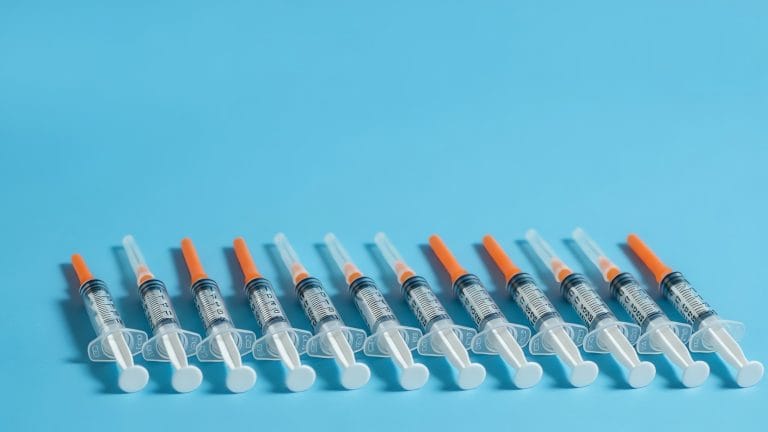

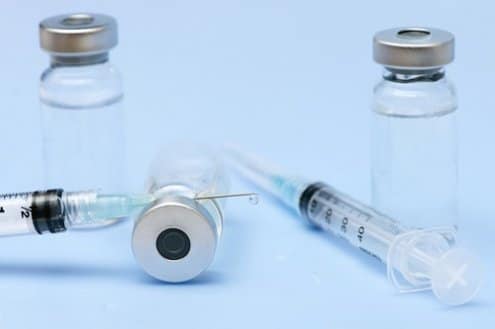
In the U.S., over the counter insulin usually means older human insulin formulations that some pharmacies may sell without a prescription. These are generally Regular insulin, NPH insulin, and 70/30 premixed human insulin. They can be useful in some access situations, but they are not the same as modern rapid-acting or long-acting insulin analogs.
The main safety issue is timing. Human insulin can start, peak, and wear off differently than the insulin a person already uses. That difference can raise the risk of low blood sugar, high blood sugar, or missed coverage if someone switches without professional guidance.
Key Takeaways
- Limited types: Nonprescription access usually involves Regular, NPH, or 70/30 human insulin.
- Rules vary: State law, pharmacy policy, stock, and pharmacist judgment can affect access.
- Not interchangeable: Human insulin and analog insulin have different action profiles.
- Counseling matters: Ask about timing, storage, supplies, and hypoglycemia precautions.
- Urgent gaps need care: Running out of insulin can become a medical emergency.
What Over the Counter Insulin Means in Practice
Over the counter insulin does not mean every insulin is available without a prescription. In most U.S. pharmacy settings, it refers to certain human insulin products kept behind the pharmacy counter. A pharmacist may still need to verify details, answer questions, or follow state-specific procedures before completing the sale.
The common nonprescription categories are human Regular insulin, human NPH insulin, and human 70/30 premix. Regular insulin is short-acting. NPH insulin is intermediate-acting and has a noticeable peak. Premixed 70/30 insulin combines both in a fixed ratio. These categories are older but still used in some treatment plans.
Modern analog insulins are different. Rapid-acting analogs and long-acting basal analogs are designed to act in more predictable ways for many people. They are generally prescription products. If your usual regimen includes analog insulin, do not assume a human insulin vial can replace it unit-for-unit or meal-for-meal without guidance.
Why it matters: The same insulin amount can behave differently when the formulation changes.
For a deeper background on this distinction, see Human Insulin vs Analog Insulin. That comparison can help you prepare better questions before speaking with a clinician or pharmacist.
Which Insulins May Be Available Without a Prescription?
The usual OTC insulin list is short. It generally includes human Regular insulin, human NPH insulin, and human 70/30 premixed insulin. Availability depends on the pharmacy, state rules, and product stock. Some stores may carry one category but not another.
Regular insulin is often used around meals because it lowers glucose after injection, but it starts more slowly than many rapid-acting analogs. NPH insulin is used for intermediate coverage and has a peak that may require meal or snack planning. A premix may fit some structured routines, but it gives less flexibility because Regular and NPH are combined.
Common product families may include names such as Novolin and Humulin, depending on location and stock. Store-branded options may also exist. When asking about insulin brand and generic names, use the category first. For example, ask whether the pharmacy carries human Regular insulin, human NPH insulin, or human 70/30 premix.
Human Regular insulin
Human Regular insulin starts later than rapid-acting analogs. It also tends to peak later. This timing affects when a person eats, checks glucose, and watches for hypoglycemia. If you need more background on timing terms, Novolin R Timing explains onset, peak, and duration in plain language.
NPH insulin
NPH insulin is intermediate-acting and has a peak. That peak can be helpful in some plans, but it can also increase low-glucose risk if meals, activity, or bedtime routines do not match the insulin action. For a product-level comparison of two NPH options, see Novolin N vs Humulin N.
70/30 premixed insulin
Premixed 70/30 insulin combines 70% NPH and 30% Regular insulin. It may suit predictable meal schedules better than irregular eating patterns. If your daily routine changes often, ask a professional how premix timing could affect glucose swings.
Walmart, CVS, Walgreens, and State Rules
Large pharmacy chains may offer over the counter insulin in some locations, but store access is not uniform. Walmart over the counter insulin searches often point to ReliOn products, including human insulin options. CVS and Walgreens locations may also carry selected human insulin vials, depending on state law and local stock.
Call the pharmacy before traveling. Ask whether the product is in stock, whether a pharmacist must be present, and whether the store requires identification or other documentation. Ask the product category by name rather than asking only for “OTC insulin.” This reduces confusion at the counter.
State rules can change, and store procedures may be stricter than minimum legal requirements. If you are searching what states can you buy insulin over the counter, treat online lists as a starting point only. Confirm with the pharmacy and, when needed, your state board of pharmacy.
Cost questions also come up often. Some people ask about low-cost vials at large chains or whether a specific store sells insulin at a fixed cash amount. Prices, programs, and stock change over time. This article does not list prices because pharmacy charges and eligibility can vary by location and date.
CanadianInsulin.com is a prescription referral platform, and prescription requirements still apply where they are required. Dispensing and fulfilment are handled by licensed third-party pharmacies where permitted. That model is different from walking into a U.S. pharmacy for a behind-the-counter human insulin product.
Pens, Vials, and Supplies to Ask About
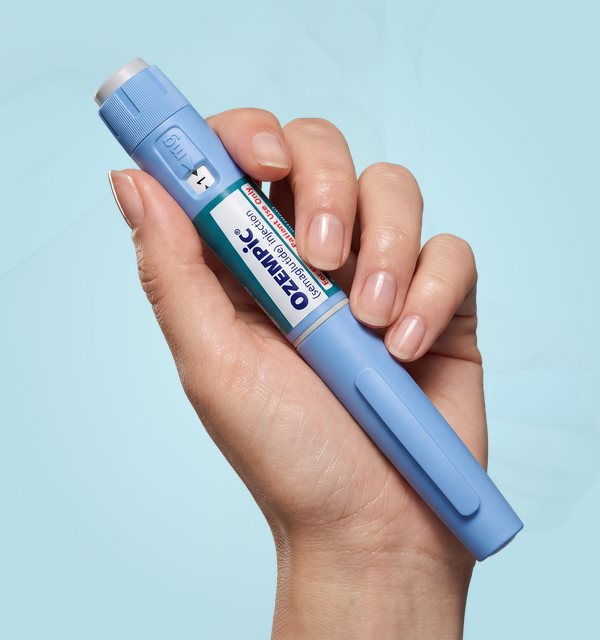
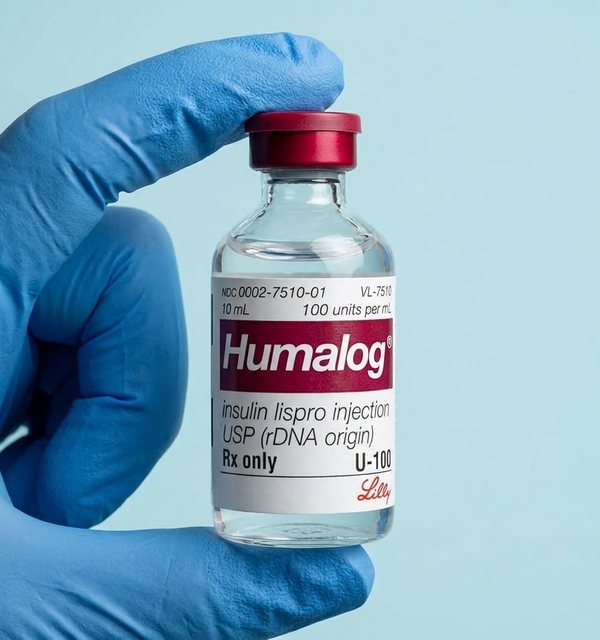
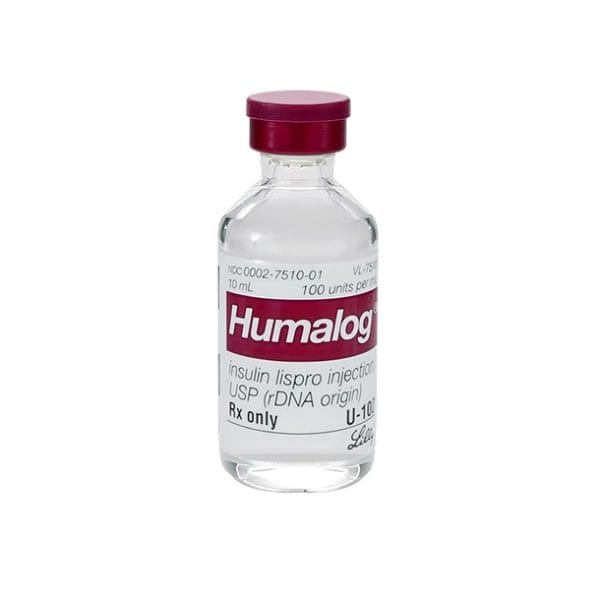
Most over the counter insulin access involves vials, not pens. Some people search for over the counter insulin pens because pens are familiar and portable. In practice, pen availability is more restricted and often depends on the product, pharmacy policy, and prescription status.
If you use pens now, ask whether a vial-based product would require different supplies. Vials need compatible insulin syringes. Pen devices need pen needles. Both require safe sharps disposal. Syringe size, needle length, and markings can affect whether a person can measure insulin correctly.
Do not assume supplies follow the same rules as insulin. Some states or stores may apply separate policies to syringes, needles, and sharps containers. Ask the pharmacist what you need before leaving the store, especially if you are replacing lost supplies during travel.
If you are comparing vial products for background reading, the site includes product pages for Humulin R Vial, Novolin GE NPH Vials, and Novolin GE 30/70 Vials. Use these pages for general formulation context, not as a substitute for local pharmacy rules or prescribing advice.
Safety Risks Before Switching or Starting
The biggest risk with nonprescription human insulin is using it as if it were the same as a previous insulin. A person switching from rapid-acting or long-acting analog insulin may face different timing, peaks, and duration. That can cause unexpected low blood sugar or persistent high blood sugar.
Low blood sugar, or hypoglycemia, can cause shakiness, sweating, confusion, fast heartbeat, hunger, or weakness. Severe hypoglycemia can lead to seizures, loss of consciousness, or injury. High blood sugar can also become dangerous, especially if insulin is missed or spoiled.
People with type 1 diabetes have a particularly high risk if insulin access is interrupted. Lack of insulin can lead to diabetic ketoacidosis, a serious condition involving high glucose and ketone buildup. Seek urgent medical help for vomiting, deep or rapid breathing, severe weakness, confusion, fruity-smelling breath, or high glucose with ketones.
People with type 2 diabetes may also need urgent support if glucose remains very high, symptoms worsen, or they cannot keep fluids down. Pregnancy, kidney disease, gastroparesis, eating disorders, and frequent hypoglycemia make self-directed switching especially risky. In those situations, clinician input is important.
Quick tip: Keep written notes on the exact insulin name, concentration, and first-use date.
If you track glucose in different unit systems, this converter can help translate mg/dL and mmol/L values for discussions with your care team. It does not interpret results or recommend treatment changes.
Blood Glucose Unit Converter
Convert glucose readings between mg/dL and mmol/L without changing the clinical value.
These calculations are for education only and do not replace clinical advice, diagnosis, or treatment. Always confirm medical decisions with a qualified healthcare professional.
A Practical Pharmacy Checklist
A short checklist can make the pharmacy visit safer and less stressful. Use it to organize questions, not to decide whether insulin is appropriate for you.
- Product category: Ask for Regular, NPH, or 70/30 human insulin by name.
- Current regimen: Tell the pharmacist what insulin you normally use.
- Timing review: Ask when the insulin starts, peaks, and wears off.
- Supply match: Confirm syringes, needles, alcohol swabs, and sharps disposal.
- Storage check: Review refrigeration, room-temperature limits, and expiration dates.
- Travel plan: Bring an insulated carrier if the trip home is long.
- Low-glucose plan: Carry fast-acting carbohydrate and know escalation steps.
- Follow-up: Contact your prescriber if this is a temporary substitution.
Inspect the carton before leaving. Check that the insulin name, type, concentration, lot number, and expiration date are clear. Do not use insulin that looks unusual unless the pharmacist confirms it is expected for that product. Some suspensions, such as NPH, are cloudy by design, but others should appear clear.
For broader browsing of diabetes-related supplies, see the Diabetes Products collection. For condition-level navigation, the Diabetes page groups related items by condition.
What to Do If You Are Running Out of Insulin
If you are close to running out of insulin, treat the situation as time-sensitive. Do not wait until the last dose if you can avoid it. Contact your prescriber, pharmacy, insurer if applicable, or a local urgent care service for practical options.
Over the counter insulin may be one possible bridge in some circumstances, but it is not always the safest bridge. The safest option depends on your diagnosis, usual insulin type, glucose trends, meal routine, and risk of ketones. If you have type 1 diabetes or a history of diabetic ketoacidosis, ask for medical help early.
If no insulin is available and glucose is rising, seek urgent care. Emergency departments can assess dehydration, ketones, electrolyte problems, and other complications. Bring your medication list, insulin packaging, glucose meter or CGM data, and any recent ketone results if you have them.
For deeper reading on access risks, see Buying Insulin Online Risks. If you are comparing cross-border access models, Insulin From Canada Pros and Cons reviews practical considerations without replacing professional advice.
Human Insulin and Type 1 or Type 2 Diabetes
Human insulin can be used in diabetes care, but suitability depends on the individual treatment plan. Some people with type 2 diabetes use insulin when other therapies do not provide enough glucose control. Some people with type 1 diabetes may use human insulin under a structured plan, but uninterrupted insulin access is essential.
For type 2 diabetes, insulin decisions often involve meal patterns, glucose logs, other medicines, kidney function, and hypoglycemia history. For type 1 diabetes, insulin timing and basal coverage are critical every day. A temporary access problem can become dangerous quickly.
Searches for names of insulin for type 2 diabetes or names of insulin pens for type 2 diabetes often mix human insulin, analog insulin, premixes, and pen devices into one list. It is more useful to group products by action profile: rapid-acting, short-acting, intermediate-acting, long-acting, and premixed. That structure makes pharmacist conversations clearer.
To explore condition-specific collections, visit Type 1 Diabetes or Type 2 Diabetes. These are navigation pages for related products and categories, not personalized treatment tools.
Authoritative Sources
Regulatory and clinical sources can help confirm broad safety principles. The FDA insulin storage and switching resource discusses emergency considerations for insulin handling and product changes.
The American Diabetes Association insulin overview explains major insulin categories and why timing differs. For state-specific pharmacy questions, the National Association of Boards of Pharmacy directory links to state board contacts.
Regulations, stock, and store procedures change. Confirm local requirements with the pharmacy on the day you plan to visit, and involve a clinician when any insulin change could affect safety.
This content is for informational purposes only and is not a substitute for professional medical advice.