Comparing ozempic vs bydureon helps clarify weekly GLP-1 options for type 2 diabetes. Both reduce glucose after meals and support weight management. This review explains mechanisms, dosing, safety, and how clinicians approach switching when needed.
Key Takeaways
- Drug class similarity: Both are GLP-1 receptor agonists (incretin mimics).
- Different molecules: Semaglutide vs exenatide; this influences potency and effects.
- Weekly injections: Devices and titration schedules differ in important ways.
- Safety overlaps: GI effects, gallbladder issues, and rare pancreatitis warnings.
- Switching: Transition plans should individualize dose and monitoring.
Ozempic vs Bydureon: Core Differences
Ozempic (semaglutide) and Bydureon (exenatide extended-release) belong to the same class but are distinct molecules. Both are indicated to improve glycemic control in adults with type 2 diabetes mellitus. Their clinical effects overlap, yet trial programs suggest semaglutide generally achieves larger A1C and weight changes than exenatide ER. Device design and titration also differ, which matters in daily routines.
Formulation and pharmacology create practical contrasts. Semaglutide is a higher-affinity GLP-1 receptor agonist with a long half-life suited to weekly dosing. Exenatide ER uses microspheres that slowly release drug after subcutaneous injection. Renal handling differs as well; exenatide accumulates with significant kidney impairment, while semaglutide relies less on renal clearance. Always cross-check labeling for patient-specific cautions and contraindications.
Mechanisms and Clinical Effects
Both agents stimulate GLP-1 receptors to enhance glucose-dependent insulin secretion, suppress glucagon, slow gastric emptying, and reduce appetite. In plain terms, they help the body release insulin when needed, curb liver sugar output, and promote earlier fullness. These actions can lower A1C and reduce body weight, especially alongside nutrition and activity plans.
Potency and exposure profiles vary between semaglutide and exenatide ER. Clinicians often favor semaglutide when a stronger A1C or weight effect is desired, while exenatide ER may be considered when steadier exposure from microspheres suits the patient. For a broader class overview and how these drugs compare across indications, see GLP-1 Receptor Agonists Drugs for foundational context.
How GLP-1 Activity Translates to Outcomes
GLP-1 receptor activation acts in a glucose-dependent manner, so hypoglycemia risk is typically low unless combined with insulin or sulfonylureas. Slower gastric emptying can blunt post-meal spikes but may cause early GI symptoms like nausea. Over time, many patients adapt as receptors desensitize to GI effects. Appetite regulation contributes to lower caloric intake, supporting gradual weight change when paired with lifestyle strategies. These shared mechanisms explain why both drugs reduce A1C and often support weight management, though effect size can differ between molecules.
Dosing, Devices, and Injection Experience
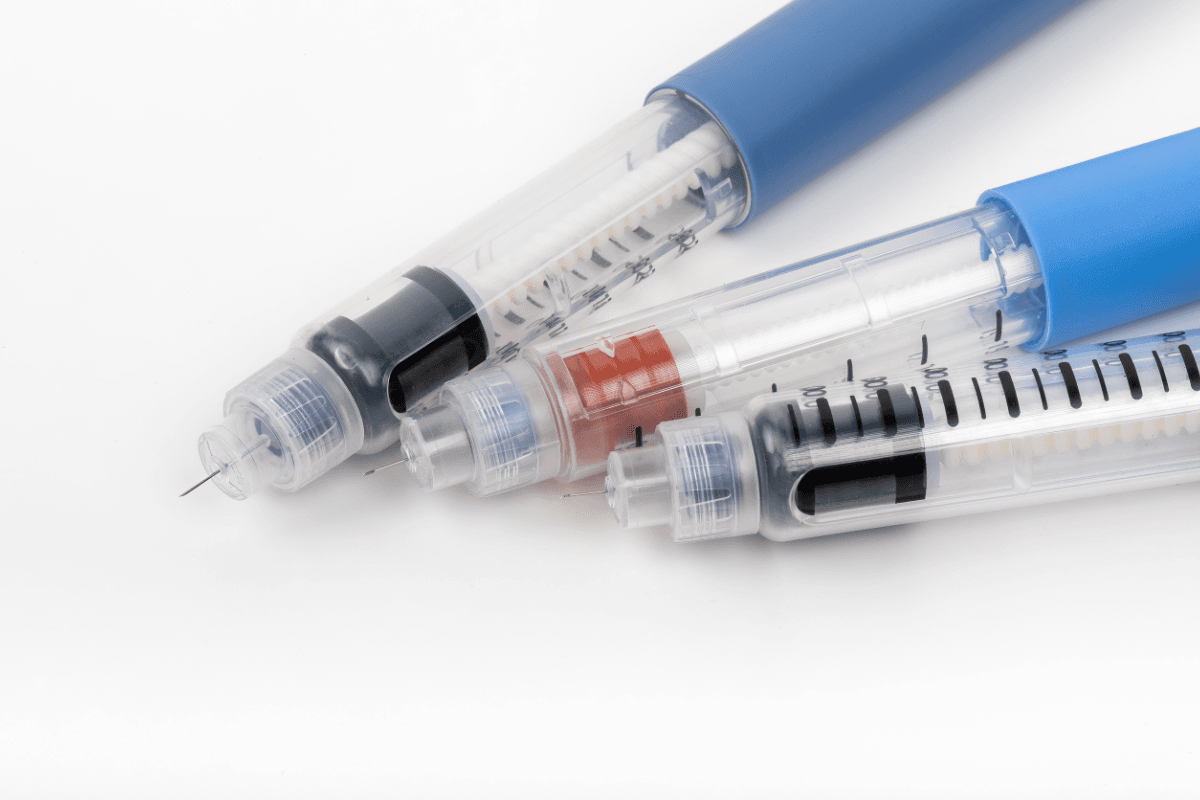
Both are weekly injections, but the experience is not identical. Ozempic uses a multi-dose prefilled pen with disposable needles and a stepwise titration. Bydureon ER has been provided in extended-release formats, including devices designed for once-weekly use after preparation. Injection sites include abdomen, thigh, or upper arm, rotating locations to reduce local reactions.
Device familiarity can shape adherence. Some users prefer a multi-dose pen with dialed doses, while others favor a single-use autoinjector. Needle choice and comfort matter as well; for needle specifications and sizing context, see BD Ultrafine II Syringes as a general reference point. For device options and strengths specific to semaglutide, see Ozempic Semaglutide Pens to understand available formats.
Weekly Injection Practicalities
Pick a consistent injection day and time to support adherence. If a dose is missed, follow the label’s timing guidance for catch-up, and avoid stacking doses. Teach proper priming, site rotation, and needle disposal to minimize local reactions. Storage requirements and temperature limits differ by product; these details are essential for medication integrity during travel and seasonal changes. Using a checklist for each injection—gather supplies, confirm dose, inspect solution, inject, and dispose—can reduce errors and improve confidence with long-term therapy.
Efficacy for Glycemic Control and Weight Management
Trials across the GLP-1 class show robust A1C lowering and meaningful weight effects versus non-GLP comparators. Head-to-head and indirect comparisons generally position semaglutide toward the higher end of efficacy, while exenatide ER often provides moderate reductions. Individual response varies with baseline A1C, background therapy, and adherence. Sustainable lifestyle support remains a key driver of overall results.
When patients prioritize weight change, clinicians may contrast bydureon vs ozempic weight loss using available study data and clinical experience. For more context on how exenatide ER influences body weight over time, see Bydureon Weight Loss for a focused discussion. If you are considering duration on semaglutide therapy, How Long Can You Take Ozempic outlines factors that shape long-term use. To understand post-discontinuation considerations, see Ozempic Rebound for strategies that may help limit weight regain.
Cardiovascular and Renal Outcomes
Cardiometabolic risk reduction is central in type 2 diabetes management. Large outcome trials with GLP-1 receptor agonists show reductions in major adverse cardiovascular events for several agents, including semaglutide in selected populations. Exenatide ER demonstrated cardiovascular safety (noninferiority) without consistent superiority across endpoints. Regardless, individual cardiovascular history and kidney function should shape drug choice and sequencing.
Guideline committees increasingly recommend GLP-1 receptor agonists for patients with established cardiovascular disease or high risk. Selection within the class considers outcome data strength, tolerability, and patient preferences. For authoritative guidance, review the ADA Standards of Care for current consensus recommendations on cardiometabolic use of GLP-1 therapies.
Safety Profile and Adverse Effects
Gastrointestinal effects—nausea, vomiting, diarrhea—are the most common and often improve with gradual dose escalation. There is a boxed warning about thyroid C-cell tumors in rodents; use is contraindicated in patients with a personal or family history of medullary thyroid carcinoma or MEN2. Cholelithiasis and cholecystitis have been reported, and pancreatitis remains a rare but serious risk. Educate patients on symptoms that require urgent evaluation.
Renal considerations differ. Exenatide products are not recommended in severe renal impairment due to accumulation risk and reported adverse events. Semaglutide can be used in a broader renal range but still warrants caution during severe GI illness or dehydration. For a closer look at exenatide tolerability, see Bydureon Side Effects for patterns and monitoring tips. For labeling details, consult the FDA prescribing information for Ozempic and the exenatide ER label for official safety language.
Clinicians may summarize bydureon side effects as predominantly gastrointestinal early on, with occasional injection-site reactions and rare pancreatitis. Semaglutide shares similar risks, but differences in potency and exposure can influence tolerability.
Switching Between GLP-1 Agonists
Switches occur for various reasons: tolerability, inadequate control, device preference, or insurance changes. A common approach is to start the new agent at its lowest dose, allow washout if needed, and up-titrate gradually while monitoring A1C, fasting glucose, and GI tolerance. Coordination with background therapies, especially insulin or sulfonylureas, helps limit hypoglycemia.
Protocols vary, yet clinicians often discuss switching from bydureon to ozempic when stronger A1C or weight effects are desired. For additional perspective on therapeutic families and alternatives, see Injectable Alternatives to understand adjacent options that may fit specific goals.
Conservative Transition Steps
First, define the reason for switching and the target outcome (A1C, weight, or both). Second, select a start date that avoids overlapping peaks; a conservative gap between injections may reduce compounded GI effects. Third, initiate the new GLP-1 RA at its lowest dose, then titrate every several weeks as tolerated. Finally, reassess background insulin or sulfonylurea to reduce hypoglycemia risk. Document adverse effects, monitor kidney function when relevant, and schedule early follow-up to review adherence and technique.
Interactions and Combination Therapy
GLP-1 receptor agonists combine well with metformin and SGLT2 inhibitors. DPP-4 inhibitors provide overlapping incretin effects, so dual incretin therapy is generally avoided due to limited additive benefit. Nonsteroidal anti-inflammatory drugs are commonly used, but can i take ibuprofen with ozempic is best addressed by checking individual risk, as NSAIDs may affect kidneys and GI tolerance in vulnerable patients.
Real-world regimens often include other classes. If a DPP-4 combination is being considered, review duplicative incretin action with your clinician; for background on sitagliptin combinations, see Janumet XR as an example of fixed-dose pairing. SGLT2 inhibitors may complement GLP-1 agents by addressing kidney and heart outcomes; for a representative option, see Dapagliflozin to understand class features and indications.
Cost and Access Considerations
Pricing varies by region, insurance, and device format. Clinics often compare bydureon vs ozempic cost alongside expected efficacy and tolerability to guide shared decision-making. Coverage tiers, prior authorization requirements, and preferred pharmacy networks can shift choices even when clinical priorities favor one agent.
When access constraints arise, prescribers may consider oral semaglutide or alternative injectables within the class. For an oral option in the same molecule family, see Rybelsus Semaglutide Pills to understand strengths and use cases. Discuss financial counseling and manufacturer programs when available and appropriate.
Compare With Related Therapies
Other weekly GLP-1 options include dulaglutide and investigational incretin therapies. If dulaglutide interests you for device simplicity, see Trulicity Pens for delivery format context, and compare features in Trulicity vs Bydureon for head-to-head considerations. Liraglutide is a daily option with long clinical experience and may suit different preferences.
Newer dual-agonist agents target glucose and weight with different mechanisms. To understand this evolving space, see Mounjaro for dual-agonist concepts and Zepbound for obesity-indication framing. For foundational therapy comparisons beyond GLP-1s, Common Diabetes Medications provides mechanism summaries useful for shared decision-making.
Recap
Semaglutide and exenatide ER share a class yet differ in potency, devices, and evidence depth. Patients prioritizing stronger A1C or weight effects may lean toward semaglutide; others may prefer device simplicity or specific tolerability patterns. Safety considerations and comorbidities should drive the final choice, supported by careful titration and follow-up.
Note: Always review product labels before starting, switching, or combining therapies. See the FDA prescribing information for Ozempic and the exenatide ER label for the most current safety and dosing details.
This content is for informational purposes only and is not a substitute for professional medical advice.