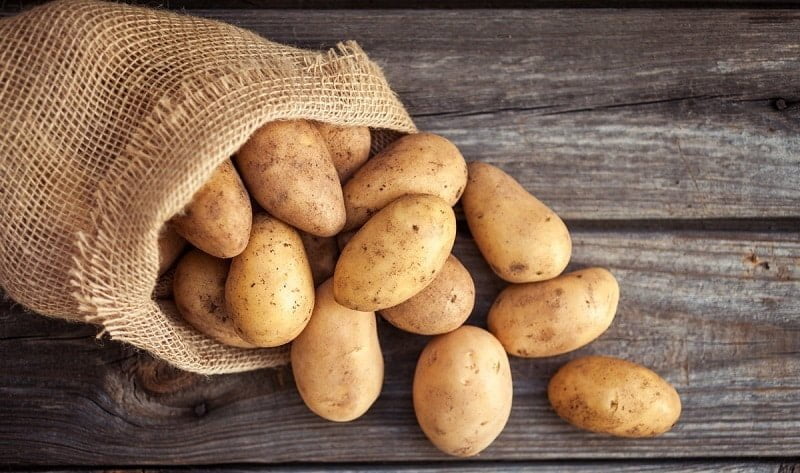
Potatoes can fit into a diabetes meal plan, but they need portion control and careful preparation. The main issue with potatoes and diabetes is starch: potatoes contain carbohydrate that breaks down into glucose and can raise blood sugar. A smaller boiled or chilled portion, eaten with protein and non-starchy vegetables, often has a gentler effect than a large baked, mashed, or fried serving eaten alone.
Key Takeaways
- Carbs come first: count the potato portion within your meal target.
- Cooking changes impact: boiling and chilling may blunt glucose peaks.
- Pairing helps: add protein, fat, and high-fiber vegetables.
- Variety matters: waxy potatoes may work better than large russets.
- Testing personalizes choices: use meter or CGM patterns when available.
Why Potatoes Raise Blood Sugar
Potatoes raise blood sugar because most of their calories come from starch, a digestible carbohydrate. During digestion, starch breaks down into glucose. That does not make potatoes automatically off-limits, but it does mean they should be treated like bread, rice, pasta, or other carbohydrate foods.
The size of the serving often matters more than the variety name. A small potato may fit a meal plan well. A large baked potato can contain far more carbohydrate than expected, especially if the rest of the meal also includes starch. This is why potatoes and diabetes choices work best when you measure portions instead of judging by sight.
Glycemic index, or GI, estimates how quickly a carbohydrate food may raise glucose. Glycemic load, or GL, considers both the GI and the amount of carbohydrate eaten. GL is often more useful at the plate level because a small portion of a higher-GI food may have less impact than a large portion of a moderate-GI food.
Why it matters: A potato is not just a vegetable serving; it is also a carbohydrate serving.
Portions: How Much Potato Can Fit?
There is no single daily potato amount that fits everyone with diabetes. A practical starting point for many adults is 1/2 cup to 3/4 cup cooked potato, or one small potato, counted within the meal’s carbohydrate target. Your target may differ based on medication, activity, glucose patterns, kidney health, pregnancy, weight goals, and your clinician’s plan.
If you use carbohydrate counting, check the total carbohydrate on a reliable nutrition database or food label when available. If you use the plate method, keep potato in the starchy quarter of the plate. Fill the remaining half with non-starchy vegetables and use the other quarter for protein.
Use this calculator as a simple math aid when dividing total carbohydrate into servings. It does not replace guidance from a clinician or registered dietitian.
Carb Serving Calculator
Convert total carbohydrate grams into carb choices for meal planning and diabetes education.
These calculations are for education only and do not replace clinical advice, diagnosis, or treatment. Always confirm medical decisions with a qualified healthcare professional.
When people ask how many potatoes a diabetic can eat a day, the better question is how the potato fits into the whole day. Eating potatoes at one meal may mean choosing fewer starches at another. It may also mean skipping rice, bread, or sweetened drinks at the same meal.
For lower-starch plate fillers, see Broccoli and Diabetes. If you want a broader collection of diabetes nutrition topics, the Diabetes Articles category can help you browse related reading.
Best Cooking Methods for a Gentler Response
Boiling, steaming, cooling, and pairing potatoes with other foods may reduce the glucose impact for some people. These methods do not remove carbohydrate. They can, however, change texture, starch structure, and how quickly the meal digests.
Boil or steam instead of frying
Boiled potatoes often have a lower glycemic impact than baked or fried potatoes. Frying also adds fat and calories, and French fries are commonly eaten in large portions with salty or refined foods. If potatoes are a regular part of your meals, boiling or steaming is usually the better default.
Cool cooked potatoes before serving
Cooling cooked potatoes increases resistant starch, a type of starch that resists digestion in the small intestine. This may soften the glucose rise compared with eating the same potato hot. Potato salad made with vinegar, olive oil, herbs, and vegetables can be a reasonable option when the portion is measured.
Keep the skin when it fits the recipe
Potato skin adds some fiber and texture. Fiber can slow digestion and improve fullness. Skin-on potatoes also encourage chewing, which may help people eat more slowly and notice portions sooner.
Quick tip: Cook potatoes ahead, chill them, then reheat gently or serve them cold.
Which Potatoes Are Better Choices?
The best potatoes for diabetics are usually the ones you can portion consistently and prepare simply. Small waxy potatoes, such as red or new potatoes, often hold their shape when boiled. That texture can make them easier to measure than fluffy mashed potatoes or oversized baked russets.
Red potatoes, gold potatoes, and similar waxy varieties may be useful because they work well boiled, chilled, and served in small portions. Russet potatoes are not forbidden, but they are often larger and more commonly baked, mashed, or fried. Those forms can be easier to overeat.
Some specialty potatoes, such as lower-GI marketed varieties, may have different starch profiles. Still, the practical rules stay the same: measure the portion, count the carbohydrate, pair the meal well, and check your glucose response when possible. Variety should not replace portion control.
If you want more protein-rich plant options to balance a potato meal, Tofu for Diabetics covers nutrition and meal uses. For readers comparing low-carb eating patterns, Ketogenic Diet for Weight Loss and Diabetes explains key trade-offs.
Sweet Potatoes Versus White Potatoes
Sweet potatoes are not automatically safer than white potatoes for blood sugar. They provide beta-carotene and other plant compounds, but they still contain carbohydrate. Portion size and preparation remain the main decision points.
Boiled sweet potato may have a gentler effect than roasted, baked, or heavily sweetened versions. The same applies to white potatoes. Cooking method, meal balance, and serving size shape the glucose response more than the label “sweet” or “white.”
Sweet potatoes and diabetes can work together when the serving is planned. Try a small boiled or steamed portion with fish, eggs, tofu, chicken, beans, or plain Greek yogurt. Add non-starchy vegetables for volume. Avoid turning sweet potatoes into dessert-style dishes with sugar, syrup, or marshmallow toppings.
For a deeper comparison focused only on this food, see Sweet Potatoes and Diabetes.
Baked, Mashed, and Mixed Meals
Baked potatoes can fit, but size and toppings make the difference. A large baked russet can contain several carbohydrate servings. Choose a small potato when possible. Add protein-rich toppings, such as plain Greek yogurt, cottage cheese, beans, tuna, or tofu, rather than eating the potato by itself.
Mashed potatoes can raise glucose quickly because they are often made from fluffy potatoes and eaten hot. Butter and cream do not remove carbohydrate. For a gentler version, use a measured portion, keep some skin, and blend potato with cauliflower or celeriac. Olive oil, roasted garlic, chives, and pepper can add flavor without turning the dish into a larger starch serving.
Potatoes and rice in the same meal can be difficult because both count as starches. If you eat both, reduce each portion. Many people do better choosing one starch, then adding vegetables and protein. This is especially important when the meal also includes bread, fruit juice, dessert, or sweet sauces.
Fast-food meals often combine fries, refined grains, sugary drinks, and large portions. For context on that pattern, read Fast Food and Diabetes Risk.
How to Build a Potato Plate
A diabetes-friendly potato meal starts with the potato portion, then builds around it. This keeps the starch visible and prevents accidental stacking of carbohydrates.
- Measure first: use 1/2 to 3/4 cup cooked potato as a starting range.
- Add protein: include eggs, fish, poultry, tofu, beans, or yogurt.
- Increase fiber: fill half the plate with non-starchy vegetables.
- Use healthy fats: add olive oil, avocado, nuts, or seeds in modest amounts.
- Add acidity: vinegar or lemon may help balance a mixed meal.
- Limit extras: avoid sugary sauces and oversized fried portions.
Example: A small chilled red potato salad with olive oil, vinegar, herbs, cucumber, greens, and grilled fish is a different meal from a large hot baked potato eaten alone. Both contain potato, but the glucose response may differ because the portion, starch form, and meal balance differ.
If you are managing type 2 diabetes and want condition-specific browsing, the Type 2 Diabetes Articles category offers related nutrition and care topics.
Monitoring Your Own Response
Your personal glucose response matters more than general food rankings. Two people can eat the same potato meal and see different readings. Medication timing, activity, sleep, stress, insulin sensitivity, gut transit, and the rest of the meal can all change the result.
If you use a glucose meter or continuous glucose monitor, compare similar meals rather than judging from one reading. You might check before eating and around two hours after the first bite, if that matches your care plan. Look for patterns, not perfection.
Keep notes on the potato type, cooked amount, preparation method, toppings, and other foods. Share repeated high or low readings with your clinician or registered dietitian. This is especially important if you use insulin or medicines that can cause hypoglycemia, have kidney disease, are pregnant, have gastroparesis, or are recovering from disordered eating.
Authoritative Sources
The American Diabetes Association explains how starchy foods can fit within carbohydrate planning and plate balance in its food and nutrition resources.
The CDC provides practical meal-planning guidance for people with diabetes through its healthy eating information.
For research context on potato intake and type 2 diabetes risk, review this systematic review and meta-analysis.
Recap
Potatoes and diabetes can coexist when you treat potatoes as a starch, not a free vegetable. Choose smaller portions, boil or steam when possible, cool cooked potatoes when practical, and pair them with protein and high-fiber foods. Your glucose readings can show which versions work best for your body.
For condition-related product browsing, you can visit the Diabetes medical condition page, which lists related options rather than replacing medical advice.
This content is for informational purposes only and is not a substitute for professional medical advice.