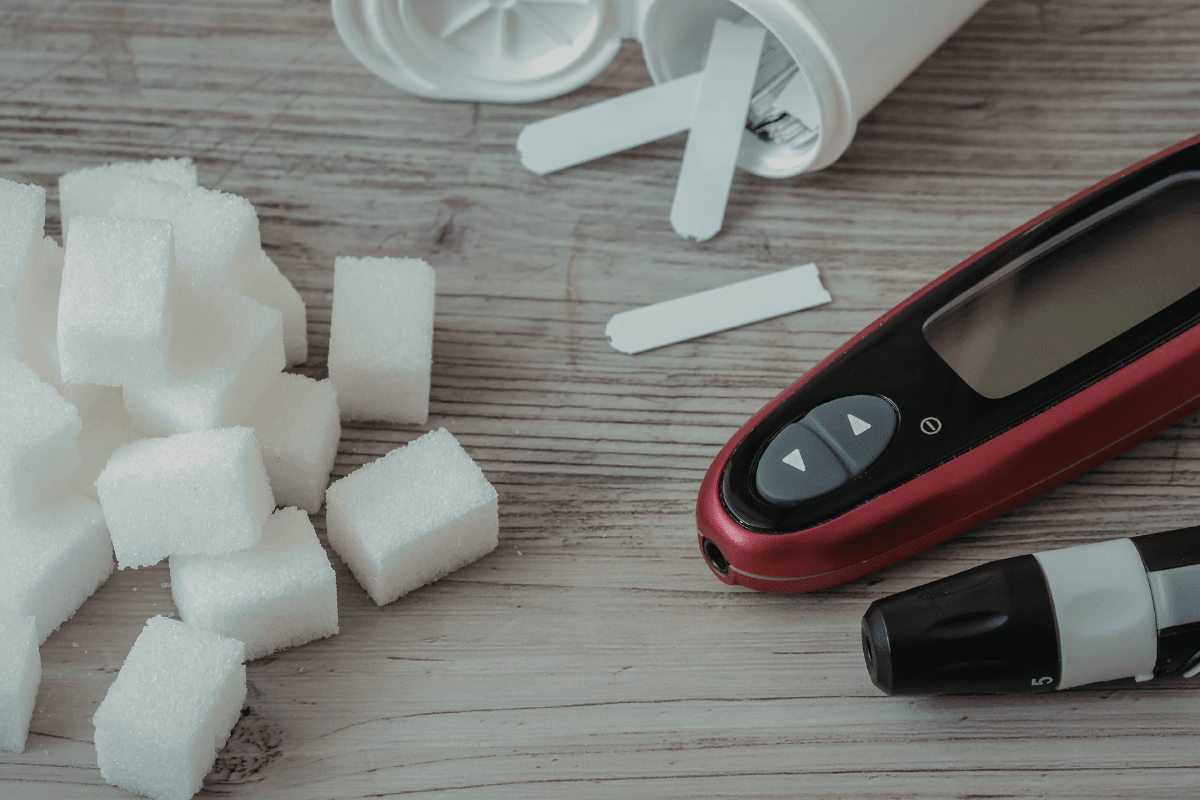
The glucose and insulin relationship is the body’s main feedback system for moving sugar from the bloodstream into cells. After you eat, glucose rises. In response, the pancreas releases insulin, which helps cells use glucose for energy or store it for later. In diabetes, this system is disrupted by too little insulin, reduced insulin response, or both.
Why this matters: blood glucose is not just a number on a meter. It reflects food intake, liver glucose release, muscle activity, stress hormones, medications, sleep, and illness. Understanding the pattern can make lab results, home readings, and treatment conversations easier to follow.
Key Takeaways
- Insulin usually lowers blood glucose by helping glucose enter cells.
- Glucose is a simple sugar and a major fuel source for the body.
- Excess glucose may be stored as glycogen or converted to fat.
- Insulin resistance means cells respond less strongly to insulin.
- Dangerous readings depend on the number, symptoms, ketones, and context.
How the Glucose and Insulin Relationship Works
The glucose and insulin relationship works like a feedback loop between the blood, pancreas, liver, muscle, and fat tissue. Glucose is a simple sugar. It comes mainly from carbohydrate-containing foods, but the liver can also release glucose between meals and overnight.
Insulin is a hormone made by beta cells in the pancreas. When blood glucose rises, insulin release usually increases. Insulin helps many cells take up glucose, especially muscle and fat cells. It also signals the liver to store glucose and reduce new glucose release when enough fuel is available.
After a meal
After eating, the digestive system breaks many carbohydrates into glucose. The glucose enters the bloodstream, and blood sugar rises. Insulin then helps move glucose from blood into cells. Some glucose is used quickly for energy. Some is stored for later use.
This is why insulin generally lowers blood sugar. It does not destroy glucose. It redirects it from the bloodstream into tissues that can use or store it. If insulin is missing or cells respond poorly, more glucose stays in the blood.
Between meals
Between meals, the body still needs a steady fuel supply. The liver can release stored glucose to help keep levels from falling too low. Glucagon, another pancreatic hormone, supports this process. In simple terms, insulin helps store fuel when glucose is available, while glucagon helps release fuel when glucose is needed.
Glycogen and glucose are related, but they are not the same. Glucose is a single sugar molecule. Glycogen is the storage form of glucose, mainly kept in the liver and muscles. Liver glycogen can help maintain blood glucose. Muscle glycogen is mostly used by muscles during activity.
If you want more background on related hormone pathways, the Glucagon-Like Peptide 1 resource explains one gut hormone involved in appetite and glucose signaling.
Common Glucose Ranges and When Numbers Need Attention
Glucose ranges are reference points, not a complete diagnosis by themselves. Age, pregnancy, medications, diabetes type, symptoms, and testing method all matter. A clinician may set different targets for someone who has frequent low blood sugar, kidney disease, heart disease, pregnancy, or advanced age.
The table below gives common adult reference points used in diabetes screening and monitoring. It is not a personalized target chart.
| Situation | Common reference value | How to use it |
|---|---|---|
| Fasting glucose without diabetes | About 70–99 mg/dL, or 3.9–5.5 mmol/L | Used as a general normal fasting range. |
| Prediabetes screening range | Fasting 100–125 mg/dL, or 5.6–6.9 mmol/L | Usually interpreted with A1C, risk factors, and repeat testing. |
| Diabetes screening threshold | Fasting 126 mg/dL or higher, or A1C 6.5% or higher | Often confirmed with repeat testing unless symptoms are clear. |
| Many nonpregnant adults with diabetes | Often 80–130 mg/dL before meals and under 180 mg/dL after meals | Targets vary by person and should be individualized. |
| Low blood glucose | Below 70 mg/dL; below 54 mg/dL is more serious | Needs prompt attention, especially with symptoms or insulin use. |
Dangerous blood sugar is not defined by one number alone. Severe symptoms can matter as much as the reading. Confusion, fainting, seizure, trouble breathing, persistent vomiting, signs of dehydration, or very high readings with ketones should be treated as urgent warning signs.
Quick tip: Keep your meter, CGM report, and lab units consistent when reviewing trends.
This converter helps compare mg/dL and mmol/L values from labs, meters, or CGM reports. It does not interpret results or replace clinical guidance.
Blood Glucose Unit Converter
Convert glucose readings between mg/dL and mmol/L without changing the clinical value.
These calculations are for education only and do not replace clinical advice, diagnosis, or treatment. Always confirm medical decisions with a qualified healthcare professional.
The glucose and insulin relationship also explains why numbers can move quickly after meals and more slowly after medication or lifestyle changes. A single reading can be useful, but a pattern is usually more informative.
What Happens to Excess Glucose in the Body
Excess glucose is handled in stages. First, insulin encourages cells to use glucose for immediate energy. Next, the liver and muscles can store some glucose as glycogen. When glycogen stores are more filled and energy intake remains high, the body can convert extra energy into fat storage.
The liver plays a central role. It stores glucose after meals and releases glucose during fasting. In insulin resistance, the liver may keep releasing glucose even when blood sugar is already high. This can contribute to higher fasting readings, especially in type 2 diabetes.
Muscle tissue also matters. Muscle can take up and store glucose, especially after physical activity. This is one reason regular movement can support insulin sensitivity for many people, although individual limits and medical conditions still matter.
For a broader look at metabolic risk patterns, Metabolic Syndrome explains how blood pressure, waist size, cholesterol, and glucose can cluster together.
Insulin Resistance vs Diabetes
Insulin resistance means the body’s cells respond less effectively to insulin. The pancreas may compensate by making more insulin for a time. Blood glucose can stay near range early on, even though insulin demand is higher than usual.
Diabetes is a diagnosed condition involving blood glucose levels that meet specific criteria. Type 1 diabetes involves autoimmune destruction of insulin-producing beta cells. Type 2 diabetes usually involves insulin resistance plus a gradual decline in the pancreas’s ability to keep up. Other forms can occur during pregnancy, after pancreatic disease, or because of certain medicines.
When the glucose and insulin relationship is strained for years, the pancreas may no longer produce enough insulin to overcome resistance. This is one pathway from insulin resistance to type 2 diabetes, but it is not the only pathway. Genetics, age, sleep, activity, weight changes, liver fat, medications, and other health conditions can all influence risk.
For related reading, Insulin Resistance And Weight Gain explains why weight changes and insulin response can influence each other. Practical lifestyle context is also covered in Improving Insulin Sensitivity.
Tests That Show the Pattern
Glucose and insulin tests measure different parts of the same system. A glucose test shows the amount of sugar in the blood at that moment. A fasting insulin test estimates how much insulin is circulating after a fasting period, but it is not usually used alone to diagnose diabetes.
A1C estimates average blood glucose over roughly the past two to three months. It can miss some short-term highs and lows, and it may be affected by anemia, kidney disease, pregnancy, or conditions that alter red blood cell turnover. Glucose meters and continuous glucose monitors can show day-to-day patterns that A1C cannot show.
An oral glucose tolerance test measures how the body handles a glucose drink over time. It can help identify impaired glucose regulation in selected cases, including pregnancy screening. C-peptide testing may help clinicians understand whether the pancreas is making insulin, especially when diabetes type is unclear.
For older adults, A1C goals are often individualized. A healthy, active 70-year-old may have different targets than someone with frailty, memory problems, frequent hypoglycemia, or multiple serious conditions. The safest target is the one set with the treating clinician, based on benefits and risks.
The Diabetes Condition Hub can help readers browse condition-related resources and product categories without replacing professional interpretation of test results.
Food, Activity, and Daily Factors That Shift Glucose
Food choices influence glucose because carbohydrates raise blood sugar more directly than protein or fat. This does not mean carbohydrates are automatically harmful. Portion size, fiber, food texture, meal timing, and the full meal pattern all affect the response.
There is no universal “miracle fruit” for diabetes. There also are not two fruits every person with diabetes must avoid. Whole fruit can fit into many diabetes meal plans, but portions and glucose response matter. Juice and large dried-fruit portions can raise glucose faster because they are easier to consume in larger carbohydrate amounts.
If you are comparing options, Low GI Fruits explains how glycemic index can be used cautiously. The related Fruits For Diabetes resource focuses on portions, fiber, and practical selection.
Activity usually improves glucose uptake by muscle, both during movement and afterward. Stress, poor sleep, infection, steroid medicines, menstrual cycle changes, and dehydration can raise glucose in some people. Alcohol can make glucose patterns less predictable, especially when combined with insulin or medicines that increase insulin release.
Why it matters: Patterns are easier to interpret when food, activity, illness, and medication timing are logged together.
Where Medication Fits in Glucose Control
Diabetes medicines work through different parts of the glucose system. Some help the body use insulin more effectively. Some reduce glucose release from the liver. Some increase insulin release, slow digestion, affect appetite signals, help the kidneys remove glucose, or replace insulin directly.
Medication choice depends on diabetes type, kidney function, heart history, hypoglycemia risk, pregnancy status, other medicines, side effects, and treatment goals. No medication class is right for everyone. People who use insulin or insulin-releasing medicines should understand low blood sugar symptoms and have a plan from their care team.
GLP-1 medicines are one example of drugs that act through glucose-related hormone pathways. For a class-level explanation, GLP-1 Explained describes how this medication group fits into diabetes and weight-related care discussions.
Readers who want broader educational navigation can browse Diabetes Articles for related topics, including glucose monitoring, insulin resistance, nutrition, and medication classes.
How to Use This Information in Care Conversations
Understanding the glucose and insulin relationship can help you ask clearer questions. Instead of focusing only on one high or low reading, bring the pattern. Note when readings were taken, what you ate, whether you exercised, and whether illness or missed medication may have played a role.
Useful questions for a clinician or diabetes educator include whether your targets are still appropriate, how often to check glucose, what symptoms require urgent care, and whether any medicines increase hypoglycemia risk. Ask how kidney disease, pregnancy, gastroparesis, eating disorder history, or repeated lows should change your plan.
Bring a recent A1C, fasting glucose, home readings, medication list, supplement list, and any low-glucose episodes. If you use a CGM, time-in-range and overnight trends may be more useful than isolated readings. If you use insulin, do not change doses without guidance from your prescriber.
Authoritative Sources
- American Diabetes Association: Blood Glucose And Insulin
- CDC: Insulin Resistance And Type 2 Diabetes
- MedlinePlus: Blood Glucose And Diabetes Testing
The main idea is simple: insulin usually helps move glucose out of the blood and into cells, while several hormones and organs keep that system balanced. Diabetes care becomes clearer when readings are interpreted with symptoms, timing, medications, and personal risk factors.
This content is for informational purposes only and is not a substitute for professional medical advice.