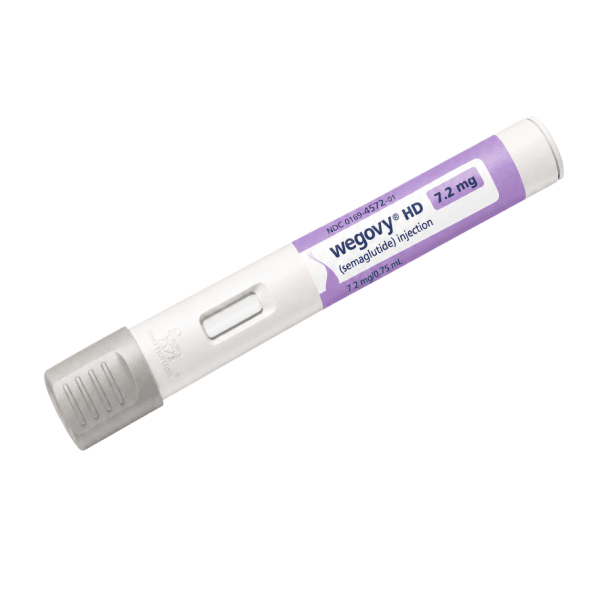


Retatrutide peptide is an investigational metabolic drug candidate, not an approved prescription treatment. Researchers are studying it for obesity and type 2 diabetes because it activates three hormone receptor pathways involved in appetite, glucose regulation, digestion speed, and energy balance.
That distinction matters. Online information often mixes clinical trial updates, commercial peptide listings, and personal weight-loss claims. This article separates what is known from trials, what remains uncertain, and what to ask before acting on access, dosage, or safety claims.
Key Takeaways
- Retatrutide remains investigational and is not routine clinical treatment.
- It targets GIP, GLP-1, and glucagon receptor pathways.
- Trial dosing should not be copied outside a study protocol.
- Safety questions include gastrointestinal effects, dehydration, gallbladder concerns, and lean-mass changes.
- Legitimate access usually means registered clinical trials, not research peptide marketplaces.
Retatrutide Peptide in Plain Language
Retatrutide is a synthetic peptide being developed as a metabolic medicine. A peptide is a short chain of amino acids. Some peptide medicines are designed to mimic, extend, or modify natural hormone signals.
The candidate is often described as a triple receptor agonist. An agonist activates a receptor, which is a cellular target that responds to chemical signals. Retatrutide peptide is designed to act at receptors for GIP, GLP-1, and glucagon.
GLP-1 and GIP are incretin hormones, meaning gut-related signals that help coordinate insulin release after food intake. Glucagon has different effects, including roles in liver glucose release and energy balance. Researchers are testing whether combining these pathways in one molecule may affect body weight, blood sugar markers, and tolerability.
Why it matters: A promising mechanism is not the same as an approved therapy.
People often search for retatrutide because it sounds similar to newer incretin-based medicines. The practical difference is important. Approved medications have regulator-reviewed labels, dosing instructions, contraindications, monitoring advice, and reporting systems. An investigational molecule has not completed that process for routine prescribing.
For a deeper look at the same drug candidate, see What Is Retatrutide.
Why Researchers Are Studying It for Obesity and Type 2 Diabetes
Researchers are studying retatrutide because obesity and type 2 diabetes often involve overlapping metabolic systems. These include insulin resistance, appetite regulation, liver glucose output, fat storage, and changes in how the body uses energy.
Type 2 diabetes is not only a blood sugar condition. Many people with type 2 diabetes also have high blood pressure, lipid changes, fatty liver risk, sleep apnea, or cardiovascular risk factors. Weight reduction can improve some metabolic measures for some people, but responses vary.
Clinical trials usually measure several outcomes. These may include body weight, HbA1c (a 2- to 3-month blood sugar marker), fasting glucose, adverse events, treatment discontinuation, and patient characteristics. The details depend on the study protocol.
Retatrutide peptide research should not be read as proof that one medication will suit every person with obesity or type 2 diabetes. Trials answer narrow questions in selected groups. Routine care must also consider age, pregnancy status, kidney function, digestive conditions, other medications, blood sugar patterns, and personal treatment goals.
Readers who want broader education can browse the Type 2 Diabetes collection or the Weight Management collection.
How the Triple-Receptor Approach Works
Retatrutide is designed to activate three receptor pathways rather than one. That is the main reason it attracts attention in metabolic research.
The GLP-1 pathway is linked with appetite signals, delayed stomach emptying, insulin response after meals, and reduced glucagon release in some settings. The GIP pathway also relates to insulin response and may influence fat and energy handling. The glucagon pathway is more complex. It can affect liver glucose release and energy expenditure, depending on the context.
Combining these signals may produce a different metabolic pattern than targeting GLP-1 alone. It may also raise different tolerability questions. More receptor targets do not automatically mean better results for every person. Clinical usefulness depends on the balance between benefits, side effects, discontinuation rates, and long-term safety.
For a mechanism-focused discussion, see How Retatrutide Works.
Retatrutide Dosage Claims Need Context
There is no standard retatrutide dosage for everyday treatment because retatrutide is not approved for routine prescription use. Trial protocols may include specific starting doses, escalation schedules, stopping rules, and monitoring requirements. Those instructions apply only to enrolled participants under study oversight.
This is a common point of confusion. A dose used in a study is not a public dosing recommendation. Trial participants are screened, monitored, and followed under defined safety rules. Researchers may also exclude people with certain medical histories, lab findings, or medication combinations.
Copying a research dose from a trial record, social post, or marketplace listing can be unsafe. The product source, concentration, sterility, storage, and identity may be unclear. The person using it may also have risk factors that were excluded from the study.
Quick tip: Treat research-only peptide listings as laboratory supply claims, not treatment instructions.
Questions about retatrutide dosage should be framed as research questions, not self-treatment steps. If you are interested in a study, ask a clinician whether trial screening is appropriate and whether your current medicines or health history create extra concerns.
Safety Questions, Side Effects, and Muscle Loss Concerns
Retatrutide peptide risks are still being defined through clinical trials. Early studies can identify common adverse events, but larger and longer studies help clarify less common risks, discontinuation patterns, and which groups may need extra caution.
Incretin-related therapies often raise questions about gastrointestinal effects. Nausea, vomiting, diarrhea, constipation, reflux, reduced appetite, and abdominal discomfort are commonly discussed in this class area. Persistent vomiting or diarrhea can lead to dehydration, especially in people taking medicines that affect kidney function, blood pressure, or fluid balance.
Other safety topics may include gallbladder symptoms, pancreatitis warnings, heart rate changes, hypoglycemia (low blood sugar) when combined with insulin or sulfonylureas, and effects in people with complex digestive disease. The exact risk profile for retatrutide cannot be assumed from another medication. It must be defined by its own trial data.
Muscle loss is another common concern. Any substantial weight reduction can include some loss of lean mass, not only fat mass. Nutrition quality, resistance training, protein intake, and medical monitoring may matter during weight management. People with diabetes should be especially careful if appetite drops while glucose-lowering medicines stay unchanged.
Seek urgent medical help for severe abdominal pain, repeated vomiting, signs of dehydration, fainting, swelling of the face or throat, or symptoms of severe low blood sugar. People enrolled in a study should also follow the study team’s reporting instructions for adverse events.
For more detail on tolerability questions, see Retatrutide Side Effects.
How It Compares With Semaglutide and Tirzepatide
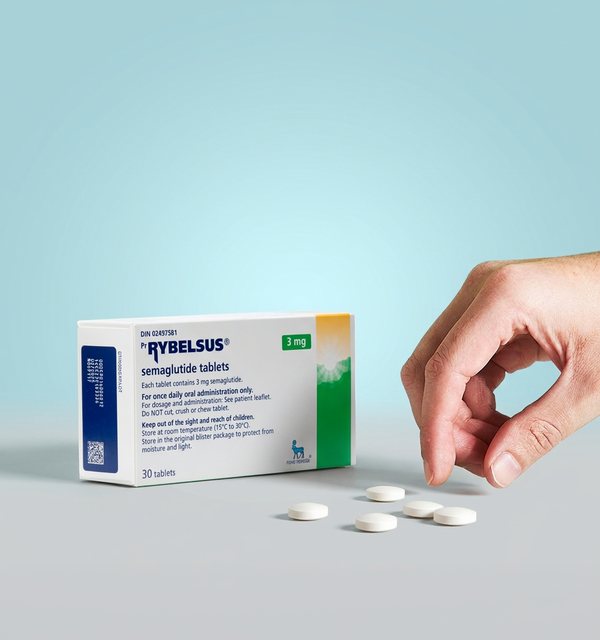
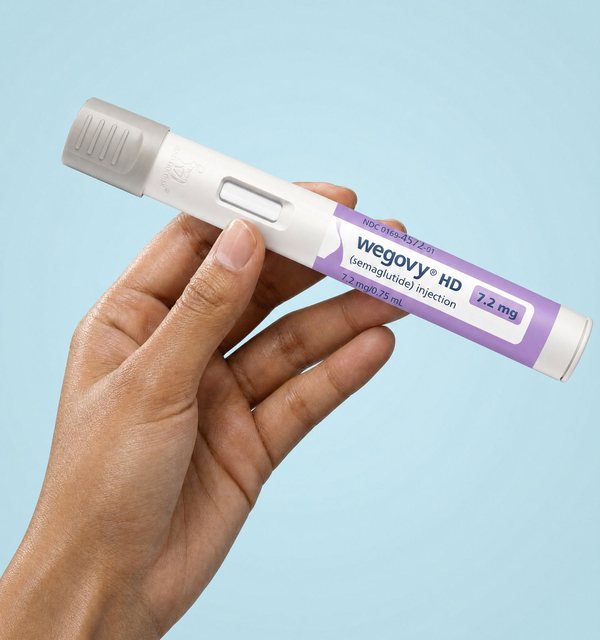
The simplest comparison is receptor activity. Semaglutide acts at the GLP-1 receptor. Tirzepatide acts at GIP and GLP-1 receptors. Retatrutide is designed to act at GIP, GLP-1, and glucagon receptors.
This does not mean retatrutide is automatically better or safer. More receptor targets can create different effects, but they can also create different tolerability questions. The key issue is not the number of targets alone. It is whether high-quality trials show benefits that outweigh risks for defined patient groups.
| Medication or candidate | Main receptor activity | Clinical context | Practical takeaway |
|---|---|---|---|
| Semaglutide | GLP-1 receptor | Approved forms exist for specific indications | Use is guided by product labels and clinician review. |
| Tirzepatide | GIP and GLP-1 receptors | Approved forms exist for specific indications | Monitoring depends on indication, dose plan, and patient history. |
| Retatrutide | GIP, GLP-1, and glucagon receptors | Investigational clinical trial candidate | No standard consumer dosage or routine prescription pathway exists. |
A retatrutide vs tirzepatide comparison should also include approval status. Tirzepatide has approved product labels for certain uses in some jurisdictions. Retatrutide remains under investigation. That changes how clinicians discuss risk, access, monitoring, and alternatives.
Approved incretin-based therapies also fit into broader diabetes care plans. Some people use them with other medicines, while others need insulin or different drug classes. For a product example involving tirzepatide, see Mounjaro KwikPen.
Comparisons should include non-drug factors. Nutrition, physical activity, sleep, medication access, side effect history, and glucose monitoring can shape the safest plan. A medication that looks appealing in research may still be unsuitable for a specific person.
Trial Access, Availability, and Cost Claims
For now, retatrutide availability should be understood through the lens of clinical research. Registered trial records list the study sponsor, locations, eligibility criteria, study design, and contact routes. Eligibility can depend on diagnosis, body mass index, medication history, lab values, age, and other health factors.
People searching for retatrutide how to get often find a mix of study listings and peptide sellers. Those are not the same thing. Clinical trial access involves screening, informed consent, study visits, protocol rules, and safety reporting. It may also involve randomization, meaning participants may not receive the investigational drug.
Claims about easy access, oral retatrutide, or consumer-ready peptide vials deserve caution. Materials marketed as research peptides are not regulated in the same way as prescription medicines. They may not have the same manufacturing controls, labeling, sterility standards, clinical oversight, or adverse event monitoring expected for approved drugs.
Retatrutide cost claims can also mislead. Because there is no approved consumer product, research-material pricing does not predict future patient cost, insurance coverage, or pharmacy access. Trial participation may have study-specific terms, but those details come from the trial site, not general web listings.
CanadianInsulin.com is a prescription referral platform. Where prescription medicines are involved, prescription details may be confirmed with the prescriber when required, while licensed third-party pharmacies handle dispensing where permitted. That service model does not change retatrutide’s investigational status or create routine access to an unapproved medicine.
For a dedicated access discussion, see How To Get Retatrutide. For availability context, see When Retatrutide May Be Available.
Where It Fits Among Current Diabetes Treatment Choices
Retatrutide does not replace current diabetes care. People with type 2 diabetes often use a mix of lifestyle strategies, glucose monitoring, and approved medicines chosen around their risk profile and treatment goals.
Metformin remains a common first-line option for many adults, although not everyone can use it. It has a different mechanism from incretin-based medicines and does not target the same appetite pathways. SGLT2 inhibitors are another class used in type 2 diabetes care. They work through the kidneys and may be considered for specific heart or kidney-related reasons in some patients.
Some people need more than one medication class. Combination therapy can be appropriate when blood sugar remains above target, but it also increases the need to check interactions, hypoglycemia risk, side effects, and monitoring plans.
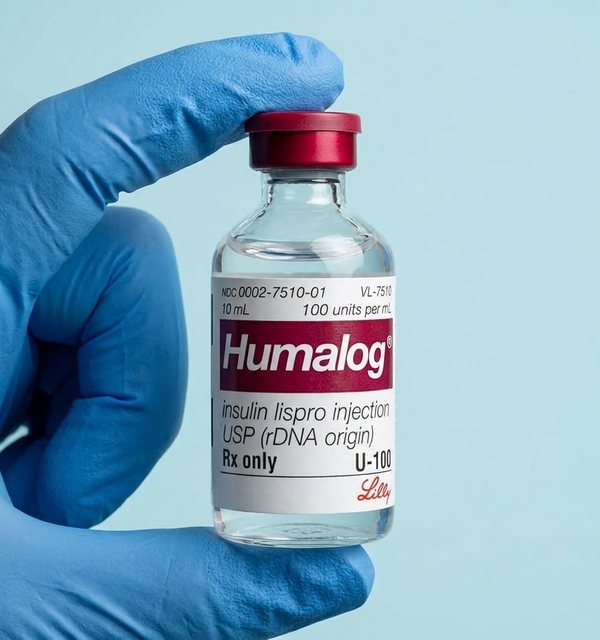
Insulin still has an important role for many people, including those with marked insulin deficiency, very high glucose levels, pregnancy-related needs, or specific clinical situations. Technology can also shape care. Pens, pumps, and continuous glucose monitors may support safer tracking for some patients.
Readers comparing approved options can browse the Type 2 Diabetes Products list. Use product pages and condition collections as navigation aids, not as a substitute for clinician guidance.
Practical Questions Before Following Retatrutide News
Retatrutide news can move faster than clinical practice. Before using headlines to make health decisions, separate research questions from personal care questions.
Start with approval status. If a medicine is investigational, the next question is whether any registered trial is appropriate to discuss with your clinician. Trial participation is not the same as receiving a routine prescription. It involves screening, study visits, protocol rules, and the possibility of not qualifying.
Next, compare the unanswered questions with your own risk factors. A person taking insulin has different safety concerns than someone not using glucose-lowering medication. A person with gastroparesis, kidney disease, gallbladder disease, pancreatitis history, pregnancy, or an eating disorder history may need more careful review before any weight-loss drug discussion.
Medication history also matters. If you have tried GLP-1 or GIP/GLP-1 therapy before, your response, side effects, and stopping reason may be relevant. If you have not used incretin-based treatment, approved options may be discussed before investigational options.
Finally, consider how body weight goals fit into overall health. Weight is one marker, not the whole picture. Blood pressure, lipid levels, glucose patterns, sleep apnea symptoms, liver markers, kidney function, mobility, and quality of life may also guide care.
Authoritative Sources
- Eli Lilly retatrutide overview describes the investigational triple-receptor approach.
- ClinicalTrials.gov retatrutide listings show registered studies and eligibility details.
- FDA information on buying medicines online explains safety checks for online medicine sources.
Retatrutide research may help define future metabolic treatment options, but it remains separate from approved care today. Use trial records, official sponsor information, and clinician guidance when interpreting new data.
This content is for informational purposes only and is not a substitute for professional medical advice.