
Rybelsus foods to avoid are less about a permanent banned-food list and more about timing, drink choices, and meals that worsen stomach symptoms. The main rule is simple: take the tablet on an empty stomach with a small amount of plain water, then wait at least 30 minutes before food, coffee, tea, milk, juice, supplements, or other oral medicines. This matters because food and beverages can reduce how much medicine your body absorbs.
Key Takeaways
- Timing matters most: wait at least 30 minutes before eating.
- Plain water only: avoid coffee, tea, milk, and juice with the tablet.
- Trigger foods vary: greasy, spicy, sweet, or large meals may worsen nausea.
- Medication spacing helps: take other oral medicines after the wait period.
- Severe symptoms need care: persistent vomiting or severe abdominal pain needs prompt review.
Why Food Timing Matters With Oral Semaglutide
Rybelsus contains semaglutide, a GLP-1 receptor agonist (a medicine that acts like an incretin hormone). Unlike injectable semaglutide, this tablet must pass through the stomach before absorption. Food, too much liquid, or another drink taken too soon can make absorption less predictable.
The label directs people to take the tablet in the morning on an empty stomach with no more than 4 ounces of plain water. After that, wait at least 30 minutes before eating, drinking, or taking other oral medicines. This does not mean water is unsafe. It means excess fluid or non-water drinks may interfere with the tablet’s intended absorption conditions.
Why it matters: A consistent routine helps reduce day-to-day variability in medication exposure.
If you want more detail on dose timing and titration, see the related Rybelsus Dosing Guide. For broader semaglutide context, Semaglutide Uses and Dosage explains how oral and injectable forms differ.
Foods and Drinks Most Likely to Cause Problems
There are no foods known to directly “cancel out” semaglutide after the waiting period. Still, certain foods and drinks commonly cause problems because they either affect absorption timing or aggravate nausea, reflux, bloating, or diarrhea.
The most important Rybelsus foods to avoid are foods eaten too soon after the dose. Eating before 30 minutes can reduce absorption. The same applies to coffee, tea, milk, juice, smoothies, protein shakes, and supplements taken during that window. After the wait, many people can return to usual breakfast choices, but tolerance may change during dose increases.
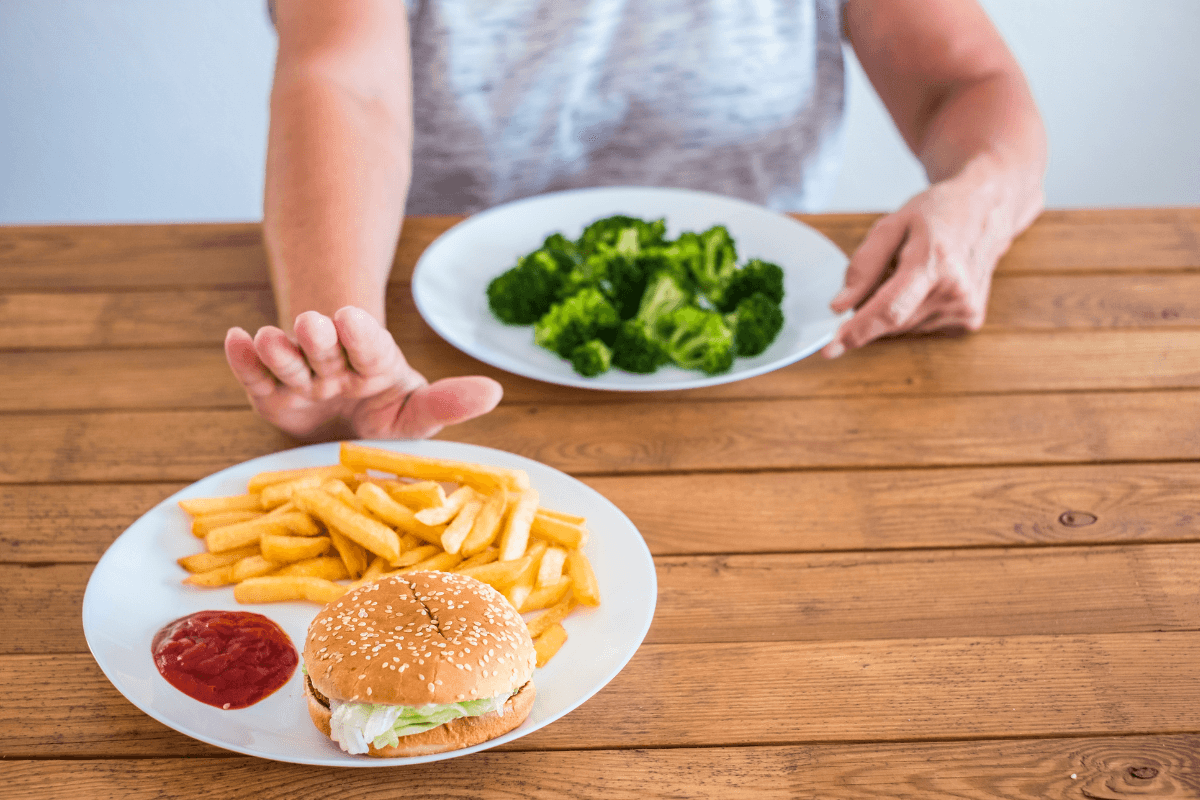
Greasy, fried, very sweet, or spicy meals may worsen stomach side effects. Examples include fries, fried fish, heavy cream sauces, large burgers, rich desserts, hot peppers, and large portions of processed snack foods. Carbonated drinks may also increase burping or pressure. These foods are not forbidden for everyone, but they are common triggers when symptoms flare.
Alcohol deserves extra caution. It can irritate the stomach and may affect blood glucose patterns, especially when combined with insulin or sulfonylureas. If nausea, vomiting, reduced intake, or low blood sugar episodes occur, discuss alcohol use with a clinician.
What to Eat for Breakfast After the Wait
A practical breakfast after the 30-minute window is modest, lower in fat, and easy to digest. Options may include oatmeal, eggs with toast, Greek yogurt with berries, whole-grain toast with nut butter, cottage cheese, or a small smoothie after the wait. If your stomach feels unsettled, bland foods such as rice, crackers, bananas, toast, or broth-based soup may be easier.
People with diabetes still need to consider total carbohydrates, protein, and glucose response. If your carbohydrate targets are unclear, ask your clinician or a registered dietitian. This is especially important during pregnancy, kidney disease, gastroparesis (delayed stomach emptying), eating disorder recovery, or repeated low blood sugar.
This calculator can help estimate carbohydrate servings from a food label. It does not replace individualized nutrition guidance.
Carb Serving Calculator
Convert total carbohydrate grams into carb choices for meal planning and diabetes education.
These calculations are for education only and do not replace clinical advice, diagnosis, or treatment. Always confirm medical decisions with a qualified healthcare professional.
Coffee, Water, Milk, and Common Morning Questions
Plain water is the only recommended drink with the tablet. Use a small amount, up to 4 ounces, and swallow the tablet whole. Do not take it with coffee, tea, milk, juice, sparkling water, or flavored water.
Many readers ask, “Can I drink coffee 30 minutes after taking Rybelsus?” In general, the label-based instruction is to wait at least 30 minutes before coffee. If coffee worsens reflux or nausea, waiting longer may feel better. Decaf, a smaller cup, or lower-acid coffee may also reduce symptoms for some people.
Milk and juice should also wait until after the 30-minute interval. Milk contains nutrients that can affect the stomach environment, and juice adds sugar and fluid volume. Smoothies, protein drinks, fiber powders, and meal replacements should be treated as food, not water.
Another common question is whether you can take the tablet after eating. The labeled routine is morning dosing on an empty stomach. If you already ate, do not try to “make up” absorption by taking extra tablets. Follow your prescriber’s missed-dose instructions or the product label.
Meal Patterns That May Reduce Nausea and Reflux
Smaller meals often feel better than large meals during treatment. Semaglutide can slow gastric emptying, meaning the stomach may empty more slowly. A heavy meal may sit longer and increase nausea, fullness, belching, or heartburn.
Try steady, simple meal patterns when symptoms appear. This may mean three smaller meals instead of one large evening meal. Include protein and fiber when tolerated, but add high-fiber foods gradually if bloating occurs. Drinking fluids between meals rather than with large meals may also reduce stomach pressure.
Quick tip: Keep a brief food-and-symptom log for one week after dose changes.
If breakfast is difficult, a small bland meal after the waiting period may be enough to start the day. Avoid lying down right after eating if reflux is a concern. Gentle walking may help some people feel less full, although it should not replace care for severe symptoms.
For side effect patterns and when they deserve medical attention, read Side Effects of Rybelsus. If your goal includes weight management, Rybelsus Weight Loss covers expectations and limitations in a separate discussion.
Other Medicines, Night Dosing, and Missed Routines
Other oral medicines should generally wait until after the 30-minute interval. This includes vitamins, supplements, antacids, and prescription tablets. The spacing rule is especially important for medicines that also need an empty stomach, such as levothyroxine.
For levothyroxine, many clinicians advise a consistent routine and follow-up thyroid labs when timing changes. A common approach is Rybelsus first, then levothyroxine after the 30-minute wait, but your prescriber may adjust the schedule based on thyroid results and other medicines. Do not change thyroid medication timing without asking the clinician who monitors it.
Can you take Rybelsus at night? The product instructions emphasize morning dosing. A night routine may be difficult because the stomach must be empty, and the 30-minute wait still applies. If mornings do not work because of shift work, fasting schedules, or nausea, ask your prescriber how to handle timing safely.
If you miss a dose, the usual label direction is to skip it and take the next dose the following day. Do not take two tablets in one day. Taking Rybelsus every other day for weight loss is not a label-based dosing strategy and should not be started without medical direction.
Side Effects, Stopping, and Safety Signals
Common side effects include nausea, vomiting, diarrhea, constipation, stomach pain, decreased appetite, belching, and indigestion. These effects often improve with time, but they can persist or become severe. Contact a clinician if symptoms interfere with hydration, eating, glucose control, or daily function.
Seek urgent medical care for severe or persistent abdominal pain, pain spreading to the back, repeated vomiting, signs of dehydration, fainting, or symptoms of a serious allergic reaction. People with diabetes should also watch for low blood sugar symptoms if they use insulin or medicines that increase insulin release.
Some readers ask about muscle pain. It is not usually described as a defining effect of semaglutide, but cramps or aches may occur with dehydration, poor intake, vomiting, diarrhea, or electrolyte changes. A clinician should review new, severe, or persistent muscle symptoms.
Stopping the medicine does not usually cause a classic withdrawal syndrome. However, appetite, weight, and blood glucose may change after stopping. Semaglutide has a long half-life, so effects can fade gradually over several weeks. If you are considering stopping, discuss the plan with your prescriber, especially if you take other diabetes medicines.
Mood questions also come up, including depression or anxiety concerns with semaglutide. Current regulatory reviews have not established a clear causal link, but mood changes should still be taken seriously. If you notice new depression, anxiety, self-harm thoughts, or marked behavior changes, seek medical help promptly.
How This Fits Into Type 2 Diabetes Care
Rybelsus is one treatment option for adults with type 2 diabetes, but food choices, activity, glucose monitoring, and other medicines still matter. If you use insulin, sulfonylureas, or other glucose-lowering medicines, meal timing and reduced appetite can affect low blood sugar risk. Your care team can help adjust monitoring plans when your intake changes.
For broader education, the Type 2 Diabetes Articles collection offers related nutrition and medication topics. The Type 2 Diabetes condition page is a browsable list of related diabetes products and categories, not a substitute for individualized care.
If you need product-level information, Rybelsus Semaglutide Pills provides a medication page for the tablet. CanadianInsulin.com functions as a prescription referral platform, and prescription details may be confirmed with the prescriber when required; dispensing is handled by licensed third-party pharmacies where permitted.
Practical Day Plan
A simple routine can reduce mistakes. Keep the tablet by a glass or measured bottle of plain water, away from moisture. Take it immediately after waking. Start a 30-minute timer. Avoid food, coffee, supplements, and other oral medicines until the timer ends.
After the wait, choose a breakfast that matches your appetite and glucose plan. If nausea is active, start small. If reflux is active, avoid a high-fat breakfast and remain upright after eating. If constipation develops, review fluid, fiber, movement, and medication options with a clinician or pharmacist.
Here is an example. A person wakes at 6:30 a.m., takes the tablet with a small sip of water, and sets a timer. At 7:05 a.m., they take other morning medicines as directed and eat yogurt with berries. Coffee waits until after breakfast because it worsens reflux. This kind of repeatable routine may make side effects and glucose patterns easier to interpret.
Authoritative Sources
For label-based administration instructions, contraindications, warnings, and missed-dose guidance, review the FDA prescribing information for semaglutide tablets.
For consumer safety updates about GLP-1 medicines and mental health reports, see the FDA update on suicidal thoughts reports.
For diabetes nutrition principles, meal planning, and carbohydrate awareness, the American Diabetes Association food and nutrition resources provide patient-focused education.
Recap
The key Rybelsus foods to avoid are foods and drinks taken too soon after the tablet. Wait at least 30 minutes after dosing before breakfast, coffee, tea, milk, juice, supplements, or other oral medicines. This waiting period protects absorption and helps make your routine more predictable.
After that interval, focus on tolerance. Greasy, fried, spicy, very sweet, carbonated, or very large meals may worsen nausea or reflux, especially after dose changes. Smaller meals, bland foods during nausea, and consistent medication timing can make treatment easier to manage. Ask a clinician for help if symptoms are severe, mood changes appear, or glucose patterns become unstable.
This content is for informational purposes only and is not a substitute for professional medical advice.


