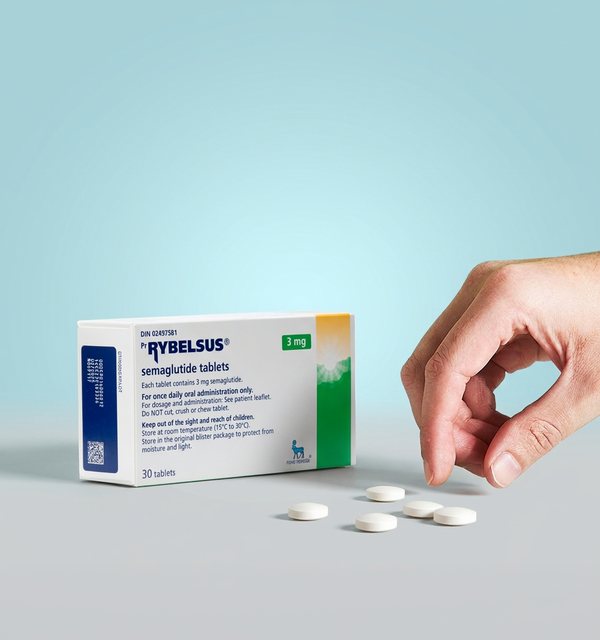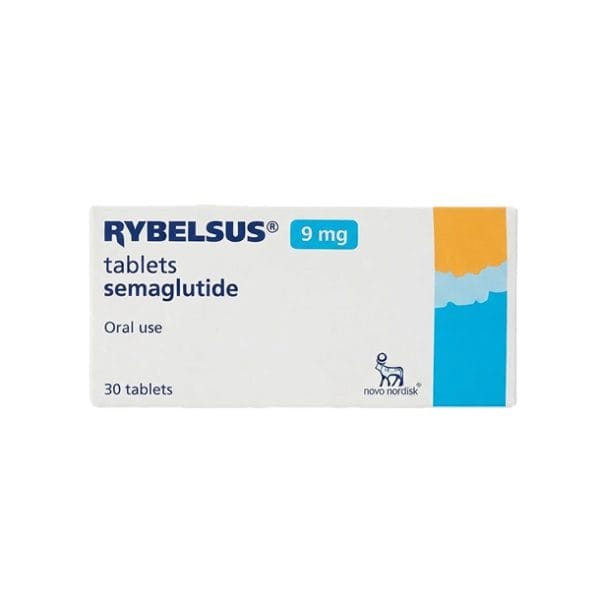


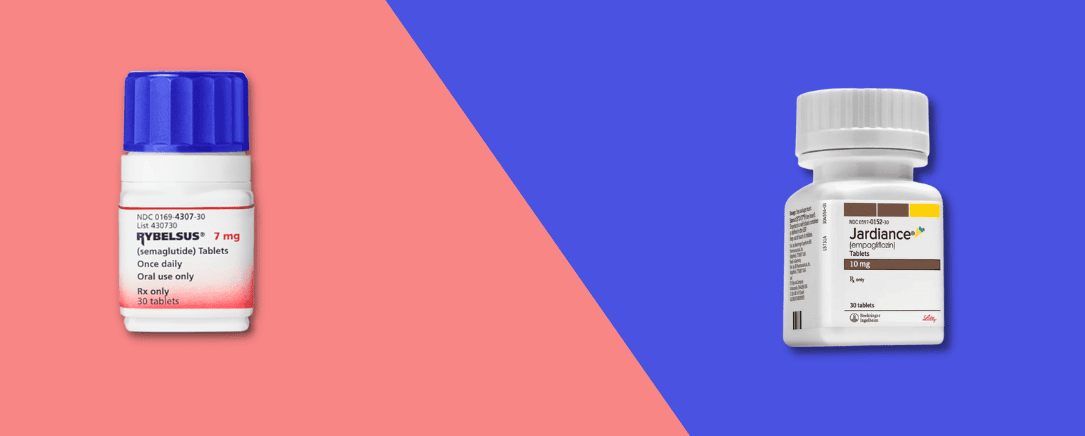
Rybelsus vs Jardiance is not a simple better-or-worse choice. Both can help adults with type 2 diabetes lower blood glucose, but they work through different pathways and fit different clinical priorities. Rybelsus is oral semaglutide, a GLP-1 receptor agonist. Jardiance is empagliflozin, an SGLT2 inhibitor. One often draws attention for A1C and appetite effects. The other has strong heart and kidney roles in selected patients. Your care team will usually weigh A1C goals, weight, kidney function, heart history, side effects, other medicines, and coverage before recommending either option.
Key Takeaways
- Different drug classes: Rybelsus is a GLP-1 receptor agonist; Jardiance is an SGLT2 inhibitor.
- A1C focus: oral semaglutide may provide strong glucose lowering, but response varies.
- Organ protection: empagliflozin has well-established heart failure and kidney indications.
- Side effects differ: stomach symptoms are more typical with semaglutide; genital yeast infections and dehydration risks are more typical with empagliflozin.
- Combination use: some adults may use both, but monitoring and sick-day planning matter.
Rybelsus vs Jardiance: How the Main Differences Affect Efficacy
The main efficacy difference comes from how each medicine lowers glucose. Rybelsus acts like the incretin hormone GLP-1, which supports glucose-dependent insulin release, lowers glucagon when glucose is high, and slows stomach emptying. Jardiance blocks SGLT2 in the kidneys, helping the body pass extra glucose into urine.
That difference matters because type 2 diabetes does not look the same for every person. If the main issue is post-meal glucose and appetite, a GLP-1 pathway may be attractive. If heart failure, chronic kidney disease, or fluid-related blood pressure concerns are central, an SGLT2 inhibitor may carry extra value. These are not interchangeable benefits.
For a broader orientation to oral semaglutide, see Rybelsus Semaglutide. For empagliflozin background, Empagliflozin Uses explains where this SGLT2 inhibitor fits in type 2 diabetes care.
| Comparison Point | Rybelsus | Jardiance |
|---|---|---|
| Generic name | Semaglutide | Empagliflozin |
| Drug class | GLP-1 receptor agonist | SGLT2 inhibitor |
| Main glucose action | Incretin effect and slower gastric emptying | More glucose passed through urine |
| Common tolerability issue | Nausea, vomiting, decreased appetite, diarrhea | Genital yeast infections, urination, dehydration symptoms |
| Major decision factor | A1C goals, appetite effect, GI tolerance | Heart failure, kidney context, hydration status |
Why it matters: The best fit depends on the clinical problem being prioritized, not only the A1C number.
A1C, Weight, and Everyday Expectations
Both medicines can reduce A1C, but head-to-head interpretation needs care. Trials compare specific doses, time points, populations, and background medicines. A result from one trial does not guarantee the same response for an individual person.
Rybelsus vs Jardiance efficacy is often discussed around A1C first. Oral semaglutide may produce meaningful A1C reduction in adults who can take it correctly and tolerate the stomach effects. Empagliflozin also lowers A1C, though its extra value may be strongest when heart, kidney, or heart failure factors are present. Clinicians often look at baseline A1C, kidney function, current medicines, and treatment history before choosing.
A1C is a long-term glucose marker, not a daily glucose reading. If you compare A1C with estimated average glucose, a simple conversion can make lab results easier to understand. This tool helps with that general conversion and does not replace clinical interpretation.
HbA1c & eAG Calculator
Convert between HbA1c percentage and estimated average glucose using the ADAG relationship.
These calculations are for education only and do not replace clinical advice, diagnosis, or treatment. Always confirm medical decisions with a qualified healthcare professional.
Weight change is another common comparison point. GLP-1 receptor agonists can reduce appetite, so some people lose weight. SGLT2 inhibitors can also lead to modest weight loss as glucose and calories leave through urine. In practice, Rybelsus vs Jardiance weight loss depends on food intake, activity, other medicines, baseline weight, and whether side effects limit use.
Neither medicine is a stand-alone weight plan. Nutrition, resistance training, sleep, alcohol intake, and other medications can all affect results. For more on oral semaglutide and weight-related expectations, Rybelsus As An Alternative discusses related GLP-1 context. For empagliflozin-specific weight information, see Jardiance Weight Loss.
Side Effects, Warnings, and Safety Trade-Offs
The safety profiles differ enough that side effects often guide selection. Rybelsus commonly causes gastrointestinal symptoms such as nausea, vomiting, diarrhea, abdominal pain, constipation, and reduced appetite. These effects may be more noticeable during dose changes. The tablet also has strict administration instructions, which can affect adherence.
Semaglutide products carry a warning about thyroid C-cell tumors seen in rodents. They are generally not used in people with a personal or family history of medullary thyroid carcinoma or multiple endocrine neoplasia syndrome type 2. Pancreatitis, gallbladder issues, kidney injury related to dehydration, and worsening diabetic retinopathy have also been reported. These risks do not happen to most people, but they matter during screening and follow-up.
Jardiance has a different pattern. Common issues include genital yeast infections, increased urination, urinary tract symptoms, and signs of fluid loss such as dizziness. Less common but serious concerns include ketoacidosis, severe urinary infections, kidney function changes, and rare severe genital infections. Risk can rise during acute illness, prolonged fasting, surgery, heavy alcohol use, or very low-carbohydrate eating patterns.
Rybelsus vs Jardiance side effects should be reviewed against your own risk factors. A person with frequent nausea may struggle with oral semaglutide. A person prone to genital infections or dehydration may need extra caution with empagliflozin. If you take insulin or a sulfonylurea, your clinician may also consider hypoglycemia risk when adding any glucose-lowering medicine.
Seek urgent medical care for symptoms such as severe abdominal pain, repeated vomiting, trouble breathing, confusion, severe dehydration, signs of ketoacidosis, swelling of the face or throat, or severe genital pain with fever. Do not stop or restart prescription medication without guidance from your prescriber. For more on semaglutide tolerability, see Side Effects Of Rybelsus.
Heart, Kidney, and Comorbidity Factors
Jardiance has broader labeled uses beyond glucose control in certain adults. Empagliflozin is used to reduce cardiovascular death risk in adults with type 2 diabetes and established cardiovascular disease. It also has roles in heart failure and chronic kidney disease populations, depending on eligibility and labeling.
This does not mean every person with type 2 diabetes should use an SGLT2 inhibitor. Kidney function, dehydration risk, infection history, surgical plans, and other medicines still matter. It does mean that Rybelsus vs Jardiance heart benefits and kidney benefits should be discussed separately from A1C alone.
Oral semaglutide has cardiovascular safety data, and semaglutide as a molecule has important outcome data in diabetes care. Still, labels can differ by formulation and jurisdiction. A clinician may choose a GLP-1 receptor agonist when glucose lowering, weight-related goals, and appetite effects are central. They may prioritize an SGLT2 inhibitor when heart failure or kidney protection is a main concern.
Adults with type 2 diabetes often have overlapping risks. Blood pressure, LDL cholesterol, smoking status, albumin in urine, estimated glomerular filtration rate, and prior cardiovascular events can all influence the medication plan. If you browse condition-focused options, the Type 2 Diabetes collection can help you understand related therapy categories, but treatment choices still require clinical review.
Can These Medicines Be Taken Together?
Some adults can take Rybelsus and Jardiance together when a clinician decides the benefits justify the risks. The combination targets glucose through two different mechanisms. It may be used with metformin or other medicines in selected treatment plans.
Combination therapy needs more monitoring than simply adding another pill. Your care team may review hydration, kidney labs, gastrointestinal tolerance, sick-day instructions, and hypoglycemia risk from other drugs. They may also discuss when an SGLT2 inhibitor should be held around surgery, severe illness, or reduced food intake.
Switching from Rybelsus to Jardiance is also possible in some care plans, but it should not be treated as a direct swap. The medicines differ in administration instructions, adverse effects, and expected benefits. A switch may be considered because of side effects, organ-protection goals, coverage changes, or insufficient glucose response. Your prescriber can decide whether to taper, stop, start, or overlap medicines based on your full regimen.
Quick tip: Bring recent A1C, kidney results, medication lists, and side-effect notes to diabetes visits.
Cost, Coverage, and Access Questions
Rybelsus vs Jardiance cost can vary widely because both are branded therapies in many settings. Insurance formularies, prior authorization rules, deductibles, pharmacy networks, and country-specific availability can all change the out-of-pocket amount. Published averages may not match what one person pays.
Access decisions should start with the exact product, strength, prescriber instructions, and coverage rules. If you are comparing formulation details, Rybelsus Semaglutide Pills and Jardiance Tablets can help identify product pages without replacing advice from your clinician or pharmacist. Product availability and final eligibility can vary.
Some patients also review cash-pay options or cross-border fulfilment where allowed. CanadianInsulin.com functions as a prescription referral platform, and prescription details may be confirmed with the prescriber when required. Dispensing and fulfilment are handled by licensed third-party pharmacies where permitted.
If one medicine is not covered, a clinician may consider another drug in the same class or a different class. Related SGLT2 options may include dapagliflozin, while GLP-1 options may include injectable forms. For broader browsing, the Diabetes Products category lists diabetes-related items, but it should not be used to self-select therapy.
How to Discuss the Choice With Your Care Team
The most useful comparison starts with your main treatment goal. Some people need stronger A1C improvement. Others need a therapy that aligns with heart failure, kidney disease, or weight-related priorities. Many need a balance of all three.
- Glucose goal: ask how much A1C change is realistic for your situation.
- Weight context: discuss appetite, nutrition, and prior medication response.
- Heart history: mention heart attack, heart failure, stroke, or vascular disease.
- Kidney status: bring recent eGFR and urine albumin results if available.
- Side-effect history: report nausea, dehydration, urinary infections, or yeast infections.
- Medication fit: review insulin, sulfonylureas, diuretics, and blood pressure drugs.
There is no single safest diabetes medication for everyone. Safety depends on kidney function, pregnancy status, heart history, infection risk, hypoglycemia risk, cost barriers, and the rest of the medication list. The safest option is usually the one that fits the person, has clear monitoring, and can be taken consistently.
Authoritative Sources
For official medication details, review the FDA prescription drug labeling database, which provides current label information for approved drugs.
The European Medicines Agency medicines database provides regulator-reviewed summaries for many medicines used in diabetes care.
For professional diabetes care standards, see the American Diabetes Association Standards of Care.
Bottom Line
Rybelsus vs Jardiance efficacy depends on what outcome matters most. Rybelsus may be favored when A1C lowering, appetite effects, and GLP-1 therapy fit the person. Jardiance may be favored when SGLT2-related heart or kidney benefits are central. Both require attention to side effects, monitoring, access, and correct use.
A practical next step is to compare your glucose goal, kidney function, heart history, weight goals, side-effect risks, and coverage with your prescriber. That conversation is more useful than asking which medicine is universally better.
This content is for informational purposes only and is not a substitute for professional medical advice.