

Many people ask about 5 ways to increase weight loss on Wegovy as they build sustainable routines. This guide blends clinical principles with plain-language steps. You will learn how semaglutide (a GLP-1 receptor agonist) supports appetite control, where plateaus come from, and which habits matter most. We also outline realistic early results and safe troubleshooting when progress slows.
Key Takeaways
- Consistent dosing, protein-forward meals, and resistance training amplify results.
- Plateaus are common; adjust habits before assuming the medicine stopped working.
- Track calories, protein, steps, and sleep to spot bottlenecks early.
- Treat nausea, reflux, and constipation to maintain nutrition and activity.
How Wegovy Works and Why Plateaus Happen
Semaglutide slows gastric emptying and reduces appetite by acting on GLP-1 receptors. This can lower daily calorie intake and improve portion control. Over weeks, your body adapts to weight loss with lower resting energy expenditure. That metabolic adaptation explains why losses can slow after an early drop. Plateaus often reflect small calorie gaps, missed movement, or side effects that disrupt meal quality.
Review the medication’s safety profile and contraindications in the official prescribing information for balanced context (FDA Wegovy label). If you want details on weekly dosing and titration schedules for context, see the Wegovy Doses Guide for how prescribers typically escalate doses. Understanding mechanism and dose steps helps explain early appetite changes and later plateaus.
5 Ways to Increase Weight Loss on Wegovy
Start by locking in non-negotiable habits. Track seven days of intake, movement, and sleep to set a baseline. Aim for a modest calorie deficit, prioritize protein, and lift weights two to three times weekly. Focus on routines you can repeat during busy weeks and travel. Small, durable changes beat aggressive short-term fixes.
Build choices around appetite signals. High-protein, high-fiber meals reduce hunger, while ultra-processed foods can bypass fullness cues. Plan hydration and meal timing to prevent evening overeating. Address digestive side effects early so you can tolerate balanced meals. If you feel stuck, adjust one variable at a time and reassess weekly.
- Protein at every meal: Target roughly 25–35 g per meal to preserve lean mass and control hunger.
- Lift weights consistently: Two to three brief sessions weekly maintain muscle and resting metabolism.
- Daily steps goal: Push incidental activity (e.g., 7,000–10,000 steps) to raise energy output.
- Front-load calories: Larger breakfast/lunch can reduce late-day cravings and snacking.
- Plan fiber and fluids: Produce, legumes, and water support fullness and regularity.
For combining training with medication safely, see Wegovy and Exercise for practical templates and recovery tips that pair well with appetite changes.
Diet, Exercise, and Appetite on Semaglutide
Align your meals with movement. A simple framework is three protein-forward meals and one optional snack. Include colorful vegetables, whole grains, and healthy fats most days. If reflux or nausea limits intake, use gentler textures like yogurt, eggs, and soups until symptoms settle. Keep a short list of easy, tolerated meals to avoid skipping food entirely.
Match training with adequate protein and hydration to protect lean mass. Resistance work twice weekly plus regular walking suits most adults. For a starter blueprint of activity targets, review the U.S. physical activity guidelines. Many readers seek structure combining medication with movement; programming a balanced GLP-1 Diet Guide can reduce guesswork. If you need a synchronized approach, consider a wegovy diet and exercise schedule that batches meal prep and training.
Tip: Limit alcohol and ultra-processed snacks, which can undermine appetite control. For context on social drinking and GLP-1s, see GLP-1 and Alcohol for potential interactions and practical limits.
Troubleshooting: When Results Slow or Reverse
First, quantify the issue. Use a two-week check: weigh at the same time of day, compare average steps, and log meals for seven days. Many stalls come from untracked liquid calories, condiments, or weekend overeating. Tightening those gaps often restarts progress without major changes.
If you are asking, why am i not losing weight on wegovy, run a quick audit. Confirm dose adherence, rule out new medications that increase appetite, and check sleep debt. Increase protein by 10–20 g daily and add one resistance session. If constipation or nausea limits intake quality, treat symptoms so you can resume balanced meals. For weight regain patterns after stopping related medicines, see Ozempic Rebound for relapse-prevention strategies you can adapt.
Plateaus, Tolerance, and Medical Checkpoints
Some readers worry that the medicine “stopped working.” True pharmacologic tolerance is uncommon; behavior drift and energy adaptation are more likely. That said, dosage phases and adverse effects can influence appetite and meal quality. If you think wegovy not working anymore, verify you are on a stable dose and have maintained your original habits.
When progress stalls for 4–6 weeks despite consistent habits, discuss next steps with your clinician. They may assess medications, sleep apnea, thyroid issues, or depression, all of which can affect weight regulation. If you are comparing alternatives or combination approaches, see Tirzepatide vs Semaglutide for comparative mechanisms and Best GLP-1 for 2025 for a landscape overview; these provide context if your clinician suggests a switch.
What to Expect in the First Month
Early changes vary, but appetite usually declines before the scale moves. Mild nausea, early fullness, or fatigue can occur, especially during dose escalation. Focus on meal quality and hydration in this phase. Track waist, energy, and consistency, not just scale weight, because early water shifts can mask fat loss.
People often search for wegovy first month results to benchmark progress. A helpful approach is process goals: hit protein targets, complete two resistance sessions, and walk most days. If comparing drug options or mechanisms to set expectations, see Wegovy vs Mounjaro for mechanism contrasts and appetite effects; this can contextualize your early response without unrealistic timelines.
30-Day Menu Ideas and Tools
Build a simple rotation rather than chasing novelty. Choose 8–10 meals you enjoy and tolerate well. Organize weekly groceries around those picks and batch-cook proteins. Keep high-fiber sides ready, like prewashed greens or frozen vegetables, to simplify volume eating. Rotate flavors with herbs, citrus, and low-calorie condiments to avoid palate fatigue.
If you are assembling a reference, some people search for 30 day semaglutide diet plan pdf. Instead of a rigid template, adapt meal ideas to your schedule, budget, and symptoms. For broader background on nutrition with incretin therapies, see Diet and Weight Loss in the Age of GLP-1 Medications for evidence summaries. Explore Weight Management Articles to deepen your toolkit across plateaus and maintenance.
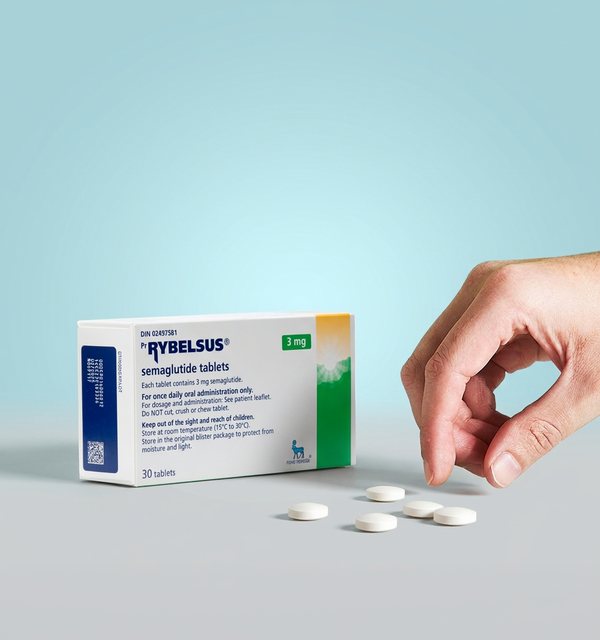
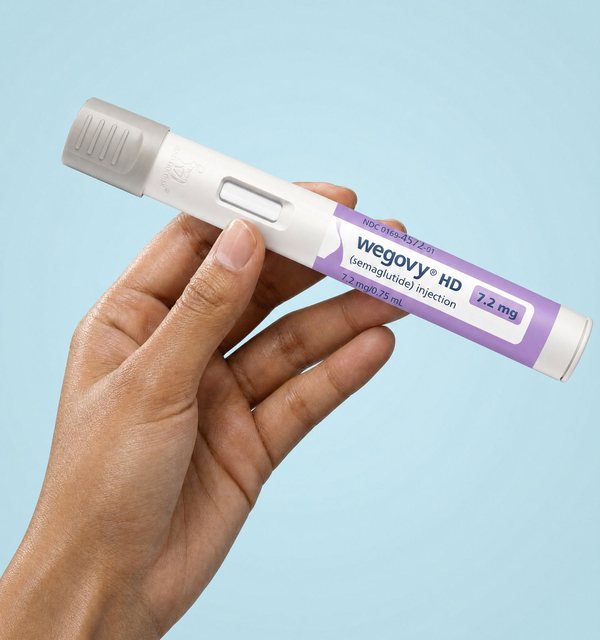
For product format details like pen strengths and packaging that inform meal timing and planning, review Wegovy. If browsing related therapies as part of a medical discussion, the Weight Management Products category can help map options before your appointment.
Note: Always check the latest label and your prescriber’s guidance when adjusting routines around dosing, symptoms, or comorbid conditions.
Recap
Weight management on semaglutide works best with steady habits. Prioritize protein, resistance training, daily steps, and sleep. Audit your intake honestly when progress slows, then tweak one lever at a time. Use medical checkpoints to rule out contributing conditions, and keep resources handy to support long-term maintenance.
This content is for informational purposes only and is not a substitute for professional medical advice.