
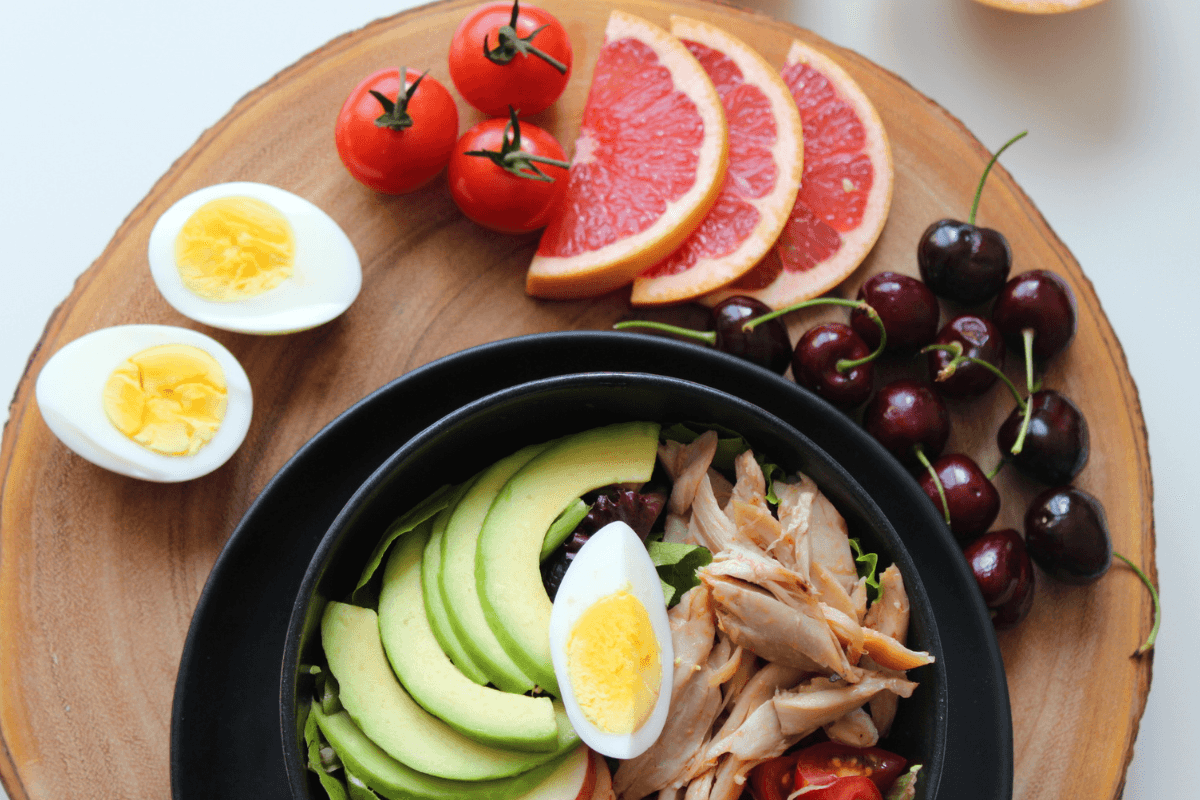
Superfoods for weight loss are not magic foods. They are usually ordinary foods that are high in protein, fiber, water, or healthy fats, which can help you feel full on fewer calories and make a balanced eating pattern easier to repeat. That matters because lasting weight change usually comes from meals you can sustain, not from short bursts of restriction.
People often ask for the one best food, a list of five fat burners, or foods that target belly fat. A better question is which foods help with hunger, portion control, and overall diet quality. No single food specifically burns abdominal fat, but some choices can make healthy eating more practical. For broader habit and nutrition topics, visit the Weight Management Hub.
Key Takeaways
- Superfood is a marketing term, not a medical category.
- The most helpful foods usually improve fullness, meal quality, or both.
- No single food melts belly fat; overall eating patterns matter more.
- Protein-rich, high-fiber, and high-volume foods tend to support weight management.
- Simple, repeatable meals often work better than long lists of trendy foods.
What Counts as Superfoods for Weight Loss
In practice, these foods deliver a lot of nutrition for their calories and help control appetite. They are often minimally processed and easy to build into regular meals. Examples include beans, plain yogurt, eggs, oats, berries, leafy greens, fish, nuts, and seeds. There is no official medical list, and there is no single best option for everyone.
What matters more than the label is the food’s effect on satiety (feeling full), energy density (how many calories fit into a given volume), and meal quality. Foods rich in protein or fiber slow eating and digestion for many people. Foods with more water, like fruit, vegetables, soups, and yogurt, can make a plate feel generous without pushing calories very high.
The Features That Matter Most
Look for foods with a few consistent traits: they keep you full, add useful nutrients, and fit your routine. That may sound simple, but it is the reason ordinary staples outperform most trend-based fat-burning claims. People sometimes focus only on the scale, yet waist size, energy, and consistency also matter. If you want more background on how body size measures are used, our overview of Understanding BMI adds context, though BMI is only one screening tool.
People also search for superfoods to lose belly fat. It is important to set expectations. Belly fat, including visceral fat (fat stored around the organs), changes through overall energy balance, sleep, stress, activity, genetics, and time. Food supports that process indirectly by making a sensible eating pattern easier to follow.
Why it matters: Foods that keep you full can make calorie reduction feel less like deprivation.
Prescription details may be checked with the prescriber when required.
How These Foods Help With Appetite and Calories
The main reason these foods help is straightforward: they usually make it easier to eat enough, not too much. Protein-rich foods can slow stomach emptying and support fullness after meals. Fiber adds bulk and may reduce the urge to keep snacking. Higher-volume foods such as vegetables, fruit, broth-based soups, and cooked whole grains can fill the plate without the same calorie load as many ultra-processed snacks.
Fullness Usually Beats Fat-Burning Claims
When people talk about metabolism boosting foods, the effect is usually smaller than advertisements suggest. Protein has a modest thermic effect, meaning your body uses some energy to digest it. Spicy foods and caffeine may create small short-term changes too. Still, most weight-loss results come from sustainable habits, not from a few foods that supposedly rev metabolism. In other words, fullness usually matters more than any tiny metabolic bump.
This is why the best superfoods for weight loss often look familiar rather than exotic. A bowl of oats with yogurt and berries can be more helpful than a highly sweetened smoothie. A bean-based lunch may hold you longer than crackers or pastries. If you want more detail on hunger control and meal quality, see our pages on High-Fiber Foods and Healthy Snacking.
Another useful point is that foods do not work in isolation. The same oatmeal can support weight management in one meal pattern and become a sugar-heavy dessert in another. Context matters. What you pair together, how often you eat, and how much liquid sugar or alcohol is in the day can influence the overall result.
A Practical List of Superfoods for Weight Loss
A practical list often includes foods you can buy regularly, prepare quickly, and enjoy often. Start with categories rather than chasing a long top-10 list. The table below shows why certain staples keep appearing in balanced weight-management plans.
| Food group | Why it may help | Simple use |
|---|---|---|
| Beans and lentils | High in fiber and plant protein | Add to soups, salads, or grain bowls |
| Plain yogurt | Protein-rich and easy to pair with fruit | Use for breakfast or snacks |
| Eggs | Protein can improve fullness | Pair with vegetables or whole grains |
| Oats | Fiber and slow-digesting carbohydrates | Use in breakfasts or meal prep |
| Berries and whole fruit | High water content and useful fiber | Swap in for juice or sweets |
| Leafy and cruciferous vegetables | Low energy density and high volume | Fill half the plate when possible |
| Nuts and seeds | Healthy fats and texture improve satisfaction | Use small portions as add-ons |
| Fish and seafood | Protein helps meal staying power | Build around lunch or dinner plates |
| Avocado | Unsaturated fat can improve meal satisfaction | Use as a topping, not the whole meal |
You do not need all of these foods at once. For most people, five to eight reliable staples are enough. If you want food-specific reading, explore Beans and Diabetes, Oatmeal and Diabetes, Avocado and Diabetes, and Berries and Diabetes.
Fruit deserves special mention because people often cut it first. Whole fruit is usually more helpful than juice when the goal is fullness. Berries, apples, citrus, and pears can fit well because they add volume, flavor, and fiber. The same logic applies to vegetables: more space on the plate, more chewing, and less reliance on refined snack foods.
How to Use Superfoods for Weight Loss in Real Meals
The easiest way to use superfoods for weight loss is to build balanced meals instead of hunting for one perfect ingredient. A meal is more filling when it combines protein, produce, and a smart carbohydrate or healthy fat. That structure reduces the odds of feeling deprived an hour later.
- Start with protein: eggs, yogurt, beans, fish, tofu, or poultry can anchor the meal.
- Add high-volume produce: vegetables or fruit add bulk with useful nutrients.
- Choose satisfying carbs: oats, beans, potatoes, or whole grains often outperform refined snack foods.
- Use fats strategically: nuts, seeds, olive oil, and avocado add staying power, but portions still count.
- Build smarter snacks: pair fiber and protein, such as fruit with yogurt or nuts.
- Repeat easy meals: a dependable breakfast or lunch can reduce random grazing later.
Quick tip: Pick one protein, one high-fiber carbohydrate, and one fruit or vegetable at each meal.
A few repeatable combinations work well. Think plain yogurt with berries and oats, eggs with vegetables and toast, or a bean bowl with greens and roasted vegetables. For more meal ideas, see Best Yogurt Choices and Healthy Snacks for Weight Loss.
Fulfillment, where permitted, is handled by licensed third-party pharmacies.
Claims and Common Mistakes to Watch For
The biggest trap is assuming that a healthy-sounding food is automatically helpful for weight loss. Granola, trail mix, dried fruit, smoothie bowls, nut butters, coconut-based snacks, and packaged protein bars can be nutritious in some settings, but they may also be easy to overeat. Portion size, added sugar, and how the food fits the rest of the day still matter.
It also helps to be skeptical of powders, cleanses, and juices marketed as superfood shortcuts. Whole foods usually do a better job with fullness because they require more chewing and often contain intact fiber. A drink can add calories quickly without creating the same level of satisfaction as a meal or snack you actually chew.
Rapid-loss promises deserve caution too. Many readers looking for a healthier eating pattern also come across advice about losing large amounts very quickly. That usually shifts attention away from the habits that matter most: meal structure, food quality, sleep, activity, and consistency. If a plan feels extreme, bans whole food groups without medical reason, or relies on expensive specialty products, it may be hard to maintain.
One practical safeguard is label reading. Products sold as natural or high protein may still contain large amounts of added sugar, saturated fat, or calories per serving. Our guide to Food Labels breaks down what to check first.
When to Individualize the Plan
Some people should customize any weight-loss food plan rather than follow a generic list. That includes people with diabetes or prediabetes, kidney disease, digestive disorders, food allergies, pregnancy, a history of disordered eating, or medications that affect appetite or blood sugar. Nutrient-dense foods still matter, but the portions, timing, and food combinations may need adjustment.
Women Do Not Need a Separate Superfood List
People sometimes search for superfoods for weight loss female, but the basic nutrition principles are the same across adults. What changes is context. Protein needs, iron intake, calcium intake, training level, menopause, pregnancy, and breastfeeding can all influence how meals should be structured. The goal is still the same: choose filling foods that support overall nutrition and are realistic for daily life.
If you live with blood sugar concerns, start with a broader eating pattern rather than a short food list. Our resources on Diabetes-Friendly Diet Plan and Insulin Resistance may help frame the next questions.
Talk with a clinician or dietitian before making major changes if you have frequent low blood sugar, unexplained weight loss, persistent digestive symptoms, severe fatigue, or a medical condition that affects what you can safely eat. A tailored plan is especially important when nutrition changes could affect medications or lab values.
The Bottom Line
Superfoods for weight loss are best viewed as practical building blocks, not miracle foods. Choose items that increase fullness, improve nutrient quality, and fit meals you can repeat. If a food is trendy but leaves you hungry, it is probably not helping. If a simple staple keeps you satisfied and supports your routine, it is doing the job.
Authoritative Sources
- NIDDK overview of weight management basics
- USDA MyPlate guidance for balanced meals
- Dietary Guidelines for Americans main site
This content is for informational purposes only and is not a substitute for professional medical advice.


