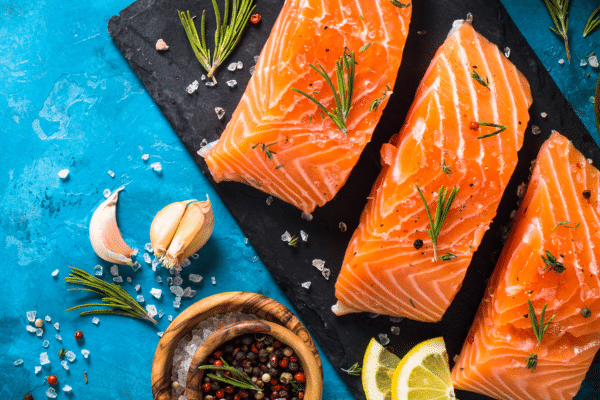
Seafood can fit well in a diabetes eating pattern when it is prepared simply and paired with balanced sides. Seafood good for diabetes usually means fish or shellfish that provides protein with little to no carbohydrate, while the meal still includes vegetables, fiber, and measured starches. The main concerns are not usually the fish itself. Breading, sweet sauces, high-sodium seasonings, mercury exposure, and large portions of sides often matter more.
This topic also depends on your health context. Kidney disease, pregnancy, food allergies, gout, heart disease, and medications that can cause low blood sugar may change what is safest for you.
Key Takeaways
- Plain seafood is usually low in carbohydrate.
- Grilled, baked, broiled, or steamed options tend to be easier to plan.
- Fried coatings, sweet sauces, and salty boils can change the meal.
- Tuna, shrimp, crab, sardines, tilapia, and catfish can all fit differently.
- Ask for individualized advice if you have kidney disease, pregnancy, or frequent glucose swings.
Why Seafood Good for Diabetes Depends on the Whole Meal
The best seafood choice for diabetes is the one that fits the whole plate. Plain fish and shellfish usually contain minimal carbohydrate, so they often have less direct effect on post-meal glucose than bread, rice, fries, corn, potatoes, or sugary sauces. That does not make seafood automatically healthy in every form. Preparation method and side dishes can quickly shift the meal.
The most reliable seafood good for diabetes choice is usually a simple protein paired with non-starchy vegetables and a planned carbohydrate source. For example, grilled salmon with salad and a small portion of beans is very different from fried fish with fries, sweet slaw, and a large drink. Both meals contain fish, but the carbohydrate, fat, sodium, and calorie profile are not the same.
Protein also matters because it helps make a meal more filling. Fatty fish, such as salmon, trout, sardines, and mackerel, contains omega-3 fats. These fats are often discussed for heart health, which matters because diabetes can increase cardiovascular risk. Still, fish should be viewed as one part of a broader eating pattern, not as a treatment for high blood sugar.
Why it matters: A diabetes-friendly seafood meal is built around the plate, not one ingredient.
Common Seafood Choices and What to Watch
Most plain seafood can fit into a diabetes meal plan. The differences come from fat type, sodium, mercury, preparation, and how often you eat the same item. This table is not a ranking. It is a practical comparison for common questions.
| Seafood choice | Why it may fit | What to watch |
|---|---|---|
| Salmon, trout, and mackerel | Oily fish provide protein and unsaturated fats. | Smoked versions may be high in sodium. |
| Sardines | Canned sardines are convenient and often rich in omega-3 fats. | Choose lower-sodium options when available. |
| Tuna | Canned tuna is usually low in carbohydrate and easy to add to meals. | Mercury varies by type, and mayonnaise changes the fat content. |
| Shrimp | Shrimp is lean and naturally very low in carbohydrate. | Breading, cocktail sauce, and salty seasoning can add concerns. |
| Crab | Plain crab provides protein with little carbohydrate. | Imitation crab may contain added starches and more sodium. |
| Tilapia and cod | These lean white fish are mild and easy to bake or grill. | They contain less omega-3 fat than oily fish. |
| Catfish | Catfish can fit when grilled, baked, or broiled. | Deep-fried catfish adds coating, oil, and often sodium. |
| Seafood mixes | Mixed seafood can add variety. | Check sauces, marinades, and processed ingredients. |
Frozen seafood can be a useful option when it contains only fish or shellfish. Check the ingredient list for breading, sugar, sauces, and sodium solutions. With canned seafood, look for water-packed or olive-oil-packed choices if they suit your meal plan. Rinsing some canned items may reduce surface sodium, although it will not remove all added salt.
Shrimp, Tuna, Crab, and Other Common Questions
Is shrimp a reasonable choice?
Shrimp can be a reasonable protein for someone managing diabetes when it is boiled, grilled, steamed, or lightly sautéed. The main issue is usually what comes with it. Breaded shrimp, sweet dipping sauces, and high-salt seasoning blends can change the meal quickly. If cholesterol or heart disease is a major concern for you, ask your clinician how shellfish fits your overall lipid goals.
How should tuna fit?
Tuna can fit, especially when used in a balanced meal with vegetables and a planned carbohydrate source. Canned tuna with mayonnaise is not automatically off limits, but the amount and type of mayonnaise affect calories and fat. Some people mix tuna with plain yogurt, avocado, mustard, lemon, or chopped vegetables. Choose the version that matches your nutrition goals and food preferences.
Mercury is the other tuna issue. Light tuna generally has different mercury considerations than albacore or larger tuna species. Pregnant people, those who may become pregnant, and children should follow official fish advisories. Adults who eat tuna often should vary seafood choices rather than relying on one canned fish every day.
Can crab or a seafood boil fit?
Plain crab can fit into many diabetes eating patterns. Seafood boils need more attention because the fish or shellfish is only one part of the meal. Potatoes, corn, sausage, melted butter, and salty seasoning can raise carbohydrate, saturated fat, and sodium levels. If you enjoy a boil, consider what portion of the plate each ingredient takes and how it fits your usual glucose plan.
Imitation crab deserves a label check. It often contains processed fish plus starches, sugar, and sodium. That does not mean it must never be eaten, but it is different from plain crab. The ingredient panel tells you more than the seafood name on the package.
Cooking Methods Matter More Than the Species Name
Grilled, baked, broiled, poached, steamed, or air-fried seafood is usually easier to work into a diabetes-conscious meal than deep-fried seafood. These methods add flavor without relying on thick coatings. Lemon, herbs, garlic, pepper, vinegar, chili flakes, and salt-free seasoning blends can help without adding sugar.
Fried fish is not the same nutrition profile as plain fish. Breading adds carbohydrate, frying adds fat, and restaurant portions may be large. If fried fish is part of your meal, the rest of the plate matters. You may need to account for the coating and sides, especially if you count carbohydrates or use insulin based on meals.
For shrimp, simple cooking works well. Steam shrimp with lemon and herbs, grill it on skewers, or sauté it briefly with garlic and a small amount of oil. Pair it with vegetables, salad, lentils, beans, quinoa, brown rice, or another planned carbohydrate. Avoid assuming that a seafood meal is low carb if it includes breading, noodles, rice, tortillas, or sweet sauces.
Quick tip: Treat sauces and sides as separate nutrition decisions.
Restaurant seafood needs similar thinking. Ask how the seafood is cooked, whether it is breaded, and whether sauces come on the side. You do not need a perfect meal to make a practical choice. The goal is to reduce surprises, especially when post-meal glucose tends to vary.
Carbs, Portions, and Glucose Checks
Seafood itself is rarely the main carbohydrate source. The starches, coatings, and sauces are usually where carb counting becomes important. If you track carbohydrates, count the whole meal rather than the fish alone. This includes buns, tortillas, rice, pasta, potatoes, corn, breading, sweet glazes, and packaged sauces.
If you use breading, rice, corn, or sweet sauces with seafood, carb math matters more than the species. This calculator helps estimate carbohydrate servings from a label or recipe total. It does not set your personal meal plan.
Carb Serving Calculator
Convert total carbohydrate grams into carb choices for meal planning and diabetes education.
These calculations are for education only and do not replace clinical advice, diagnosis, or treatment. Always confirm medical decisions with a qualified healthcare professional.
Use the result as a planning aid, not as medical advice. Personal carbohydrate targets vary. A registered dietitian or diabetes educator can help if you have repeated highs or lows after meals, kidney disease, pregnancy, gastroparesis, an eating disorder history, or medication-related hypoglycemia.
Glucose checks can also show patterns. For example, one person may see little change after grilled fish with vegetables, but a larger rise after fish tacos with tortillas and sauce. If you use home monitoring supplies, product pages such as Contour Next Test Strips provide item-specific information, while your care team should guide how readings are interpreted.
Medication context matters. Insulin and some diabetes medicines can increase the risk of low blood sugar if a meal contains fewer carbohydrates than expected. Do not adjust medicine doses based on this article. If seafood meals often lead to unexpected readings, bring a food log and glucose data to your next appointment.
When Seafood Needs Extra Caution
Some seafood questions are less about diabetes and more about safety. Shellfish allergy can cause serious reactions. Seek urgent care for trouble breathing, throat swelling, widespread hives, faintness, or severe vomiting after eating seafood. Avoid known allergens unless an allergy specialist gives different instructions.
Pregnancy and mercury exposure also require caution. Some fish contain more mercury than others. People who are pregnant, planning pregnancy, breastfeeding, or feeding children should follow official fish guidance and local advisories. This is especially important for large predatory fish and frequent tuna intake.
Sodium is another common issue. Smoked fish, salted fish, canned seafood, seafood boils, imitation crab, and restaurant sauces can be high in sodium. This matters if you have high blood pressure, heart failure, kidney disease, or a sodium limit from your clinician. Choosing plain frozen fish, lower-sodium canned products, or rinsed canned seafood may help reduce salt exposure.
Kidney disease can change protein, phosphorus, potassium, sodium, and fluid goals. A person with diabetes and reduced kidney function should not copy a high-protein meal pattern without individualized guidance. A renal dietitian can help match seafood choices to lab results and treatment goals.
Food safety is also important. Raw oysters, undercooked shellfish, and poorly stored fish can cause foodborne illness. Illness can make glucose harder to manage. If vomiting, dehydration, very high glucose, confusion, or ketone concerns occur, seek medical help. For background on a related emergency distinction, see Ketosis vs Ketoacidosis.
Building a Balanced Seafood Meal
A seafood good for diabetes meal usually starts with a plain protein, then builds around vegetables, fiber, and a deliberate carbohydrate portion. A simple plate might include baked fish, roasted non-starchy vegetables, and a small serving of beans or whole grains. Another option could be shrimp over salad with chickpeas and a vinaigrette, rather than a sweet bottled dressing.
Variety helps. Rotating salmon, sardines, tuna, shrimp, tilapia, catfish, cod, crab, and plant proteins can reduce reliance on one item. It also makes meals less repetitive. Daily fish is not required for diabetes management, and eating the same seafood every day may increase sodium or mercury concerns depending on the choice.
Food choices also sit alongside medication, activity, sleep, stress, and monitoring. For broader educational reading, the Diabetes Articles category gathers related diabetes topics. The Diabetes Condition Hub and Diabetes Products category are browsing pages for condition and product navigation, not personalized meal planning.
The simplest answer is that seafood can be a useful part of a diabetes-conscious eating pattern, but the cooking method and the rest of the plate decide most of the impact. Choose simple preparations when possible, check labels, vary fish types, and ask for professional guidance when your medical situation is more complex.
Authoritative Sources
- For balanced meal planning with diabetes, review the American Diabetes Association eating guidance.
- For fish intake and heart-health context, see the American Heart Association fish and omega-3 summary.
- For mercury guidance in pregnancy and childbearing years, use the FDA/EPA advice about eating fish.
This content is for informational purposes only and is not a substitute for professional medical advice.