
Understanding how much does insulin cost helps patients, caregivers, and clinicians plan responsibly. Prices vary by insulin type, delivery format, insurance design, and assistance programs. Recent list price cuts, Medicare caps, and biosimilar options can lower spending, but results differ by person. This guide summarizes what drives costs today and how to estimate your monthly outlay.
Key Takeaways
- List vs. out-of-pocket: Plans, caps, and assistance determine what you pay.
- Format matters: Vials, pens, and cartridges have different per-unit costs.
- Policy changes: Medicare caps and list price cuts reduce some bills.
- Usage drives cost: Daily units, waste, and storage losses add up.
How Much Does Insulin Cost in the U.S.?
Insulin prices reflect several layers: list price, negotiated rebates, plan design, and pharmacy fees. Patients rarely see the true net price; they feel copays, coinsurance, or retail cash prices. Rapid-acting analogs and ultra-rapid options tend to be higher per unit, while human insulins are often lower. Recent list price reductions and patient assistance programs can narrow gaps, but variability remains across pharmacies and plans.
Independent analyses show high U.S. list prices relative to peer countries, with significant year-to-year growth before recent policy shifts. For a broad view of historical pricing patterns, see the RAND insulin study, which summarizes comparative pricing across markets and time frames (RAND insulin study).
Without Insurance: Typical Monthly Spending
If you pay retail, how much does insulin cost without insurance depends on insulin class, dose needs, and format. Human insulins may be less expensive, while rapid-acting analogs and pens can cost more per unit. Monthly totals change with your daily units, potential waste, and the pharmacy’s cash price. Some manufacturers and pharmacies offer discount programs that can soften retail costs, although eligibility and availability vary by state and product.
To compare options by formulation and concentration, skim our Diabetes Products catalog for product labels and presentations (for examples and specs, see Diabetes Products). This can help you match vial or pen formats to your dosing pattern and reduce per-unit expenses.
With Insurance: Copays, Deductibles, Caps
Estimating how much does insulin cost with insurance starts with your plan’s deductible, preferred tiers, and coinsurance rules. Before the deductible, you may face near-cash prices; after it, copays or percentage coinsurance apply. Many plans now feature fixed copays for select insulins, while others use coinsurance tied to list prices. Coverage for pens versus vials can differ, and specialty designations may raise out-of-pocket amounts even within the same class.
Review your plan’s formulary for preferred brands and biosimilars, and check if any utilization rules apply. Employer plans may also provide manufacturer copay cards for eligible patients. If pens cost more than vials under your plan, consider switching to a vial and syringe to lower per-unit costs, provided it fits your regimen and preferences.
Vials, Pens, and Cartridges: What You Pay
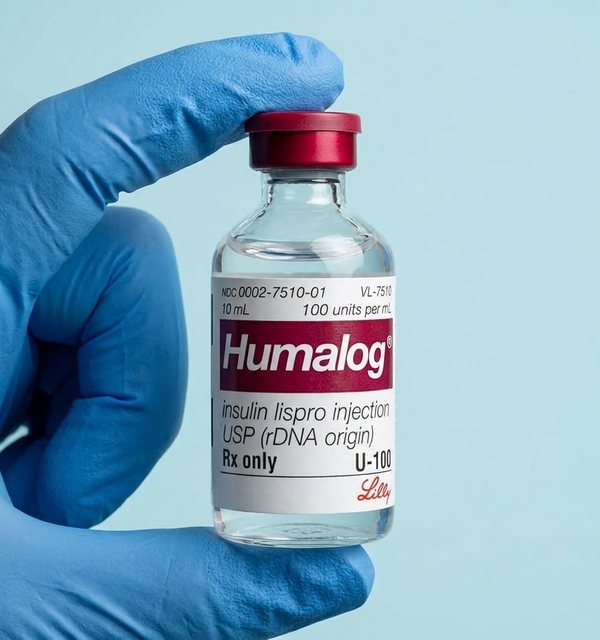
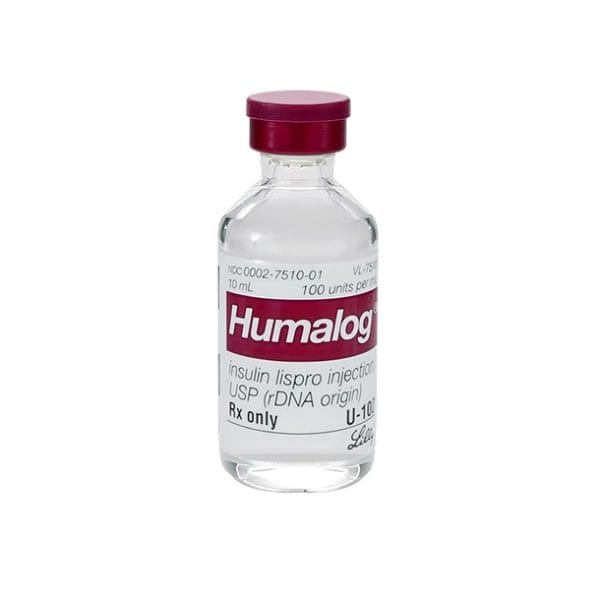
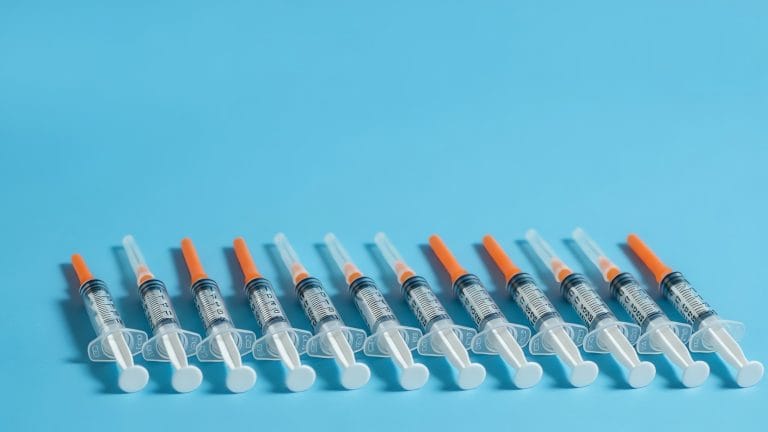
Delivery format affects what you spend. Patients often ask, how much does a vial of insulin cost compared with pens or cartridges. Vials usually provide the lowest cost per unit but may require more careful handling to avoid waste. Pens improve convenience and dose accuracy, which can reduce errors, but pack sizes and device costs may lift the per-unit price. Cartridges offer a middle path for reusable devices with less plastic and potential waste.
To assess format-specific pricing and features for a basal insulin, see Lantus Vial for vial specifications and Lantus SoloStar Pens for pen presentations. For a rapid-acting analog, review Humalog Vial Overview to compare onset and use-in-practice details. If you use reusable devices, our Insulin Cartridges Guide explains sizing, compatibility, and handling considerations.
Understanding Pack Sizes and Units
Most vials contain 10 mL at 100 units/mL (U-100), or 1,000 total units. Many pens hold 3 mL at U-100, sold in packs of five for 1,500 units per box. Concentrated options like U-200 or U-300 double or triple units per milliliter, changing your per-unit math. If you use 40 units daily, a 1,000-unit vial could cover about 25 days; a five-pen box could last ~37 days. However, partial fills, priming, and temperature excursions can reduce usable units and raise real-world cost.
Duration and Dosing Basics
Patients often estimate how long does 1 vial of insulin last by dividing total units by daily dose. That simple method is a good start but ignore real-life issues like priming losses, dose changes, and waste when vials or pens expire. Temperature stability and handling errors also affect usable supply. Individuals with variable dosing may benefit from smaller pack sizes or pens to reduce end-of-month discard.
Rapid-acting analogs used for meals can vary widely with carbohydrate intake and activity. For practical dosing context and timing differences, see our editorial on Humalog Vial Overview, which discusses post-meal control strategies. If you use ultra-rapid formulations, comparing device options in Fiasp Insulin Vials can clarify pack sizes and labeling before you plan monthly totals.
Who Qualifies for $35 Caps and Savings
Medicare Part D and certain Medicare Advantage plans feature monthly caps on Part D-covered insulin at the pharmacy counter. Knowing who qualifies for $35 insulin helps seniors and caregivers budget accurately. These limits apply to many plan-covered insulins dispensed at in-network pharmacies, though exceptions and supply rules may apply. Some state programs and manufacturers also offer separate savings pathways for eligible patients outside Medicare.
For current federal policy specifics, including covered settings and supply rules, review the official Medicare insulin savings page (Medicare insulin savings). If you are not eligible, check your state’s assistance programs and manufacturer support lines to understand alternatives.
Manufacturing Costs vs. List Prices
Public debate often asks how much does insulin cost to make relative to its price at the counter. Published estimates suggest that large-scale production costs can be far below historical U.S. list prices. However, manufacturing is only one component of final pricing. Distribution, device engineering, regulatory compliance, and supply-chain overheads add to the end cost that patients experience.
One peer-reviewed analysis modeled the production cost of human and analog insulins and projected sustainable price ranges, which are far lower than past list prices. For context on modeled factory costs, see this production cost estimate, which frames a lower bound for pricing discussions (production cost estimate). Remember that insurance benefit design, not factory cost, largely determines out-of-pocket expenses.
Ten-Year Trendlines and Today’s Context
Patients often ask about the price of insulin over the last 10 years to understand whether changes are structural or temporary. List prices rose for many insulins through the late 2010s, followed by meaningful cuts and caps starting in 2023. These reductions, alongside increased biosimilar competition, have lowered many patients’ out-of-pocket costs. Still, impacts vary widely by plan design, pharmacy, and the specific insulin family you use.
For a historical snapshot and cross-country comparisons, consult the RAND insulin study summarizing U.S. and non-U.S. pricing levels (RAND insulin study). For patient-facing affordability guidance and advocacy context, the American Diabetes Association’s insulin affordability statement outlines programs and support options (insulin affordability statement).
Country Comparisons and Access
Looking at the cost of insulin by country can help frame the U.S. price environment. Peer nations often negotiate national prices, use centralized purchasing, or regulate markups. The U.S. relies on fragmented negotiations, complex rebates, and plan-specific formularies, which leads to higher list prices and uneven patient costs. Travel considerations also matter: supply continuity, legal import rules, and storage conditions can outweigh sticker-price differences.
If you are comparing formats for travel or seasonal storage, our Insulin Cartridges Guide explains packaging choices that can minimize waste on the road. For education beyond pricing, browse our curated Diabetes Articles, which cover device handling, medication classes, and safety notes to pair with budgeting steps.
Recap
Insulin spending depends on format, dose needs, insurance rules, and assistance programs. Pens and cartridges improve usability but may raise per-unit cost versus vials. Recent list price reductions and Medicare caps have eased costs for many, though individual outcomes vary. Start by mapping your monthly units, checking plan tiers, and aligning format choice with your usage pattern.
Tip: Revisit your plan’s formulary at renewal, and compare vial versus pen economics annually. When dosing or device needs change, also reassess how the packaging choice affects waste and real-world cost.
For dosing mechanics and regimen design, see our Premixed Insulin Overview for mixed formulations and our Lantus Vial page for basal labeling and presentation details. If you are planning a switch to ultra-rapid analogs, comparing Fiasp Insulin Vials can help you align device and pack size with mealtime needs.
Note: Prices change and coverage varies. Confirm benefits, caps, and availability with your insurer, pharmacy, and prescriber before making cost-based changes.
This content is for informational purposes only and is not a substitute for professional medical advice.