
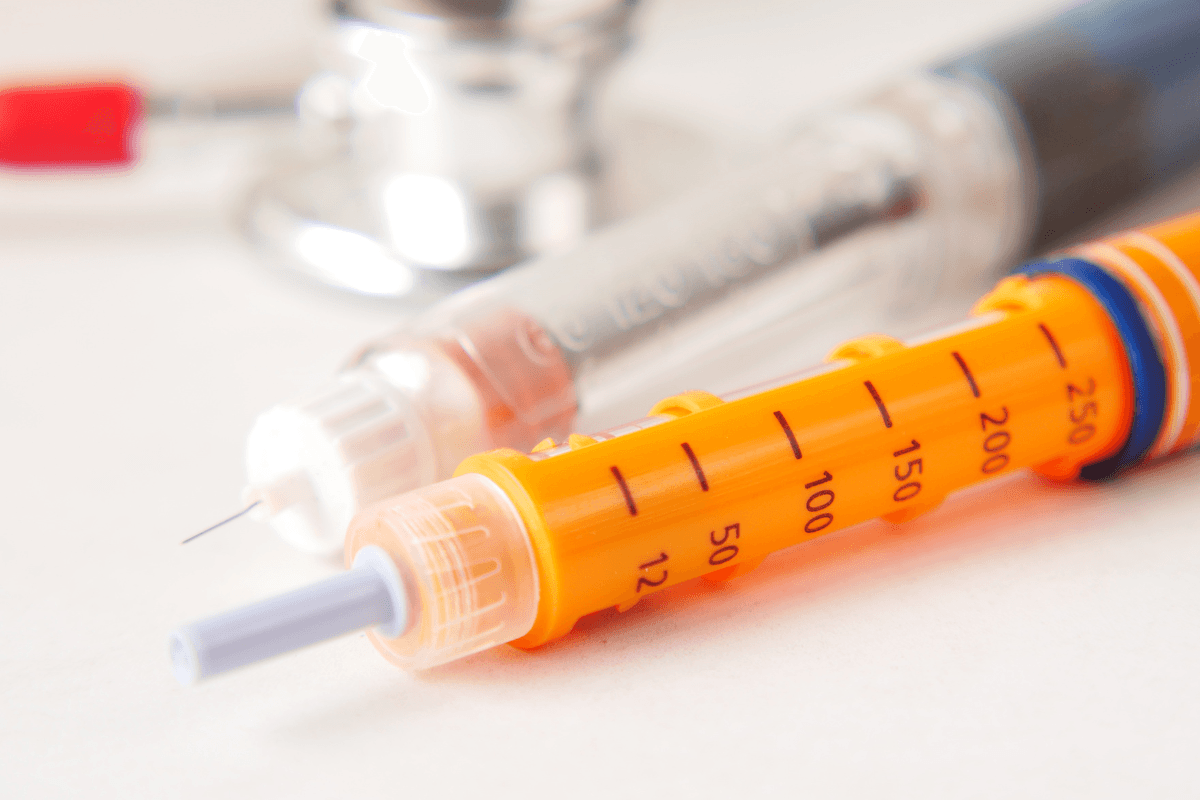
Tresiba vs Basaglar is mainly a comparison between two basal insulins: insulin degludec and insulin glargine U-100. Both can help provide background insulin coverage, but they differ in duration, timing flexibility, device details, and switch planning. The practical takeaway is simple: they are not the same product, and dose conversion should be handled by a prescriber using your glucose pattern, current regimen, and hypoglycemia risk.
Key Takeaways
- Same broad role: Both are basal insulins used for background glucose control.
- Different molecules: Tresiba contains insulin degludec; Basaglar contains insulin glargine U-100.
- Conversion needs review: Do not switch unit-for-unit without clinician direction.
- Timing can differ: Dosing schedules and flexibility are not identical.
- Safety matters: Watch for hypoglycemia, injection-site changes, and unusual glucose swings.
Tresiba vs Basaglar at a Glance
A Tresiba vs Basaglar comparison should start with the drug type, not the brand name. Both are long-acting background insulins, also called basal insulins. They are not rapid-acting mealtime insulins, and they do not correct meals in the same way as bolus insulin. For a broader primer, see Basal Insulin Types.
The main clinical difference is pharmacokinetics, meaning how insulin is absorbed, distributed, and active in the body. Degludec has an ultra-long profile. Glargine U-100 is a long-acting basal insulin with a shorter labeled action profile than degludec. This can affect timing, missed-dose planning, and how clinicians monitor changes after a switch.
| Comparison point | Insulin degludec | Insulin glargine U-100 |
|---|---|---|
| Brand example | Tresiba | Basaglar |
| Insulin role | Basal background insulin | Basal background insulin |
| Action profile | Ultra-long basal activity | Long-acting basal activity |
| Usual schedule concept | Once daily when prescribed | Once daily when prescribed |
| Timing flexibility | Labeling allows more adult timing flexibility | Usually taken at the same time each day |
| Conversion approach | Clinician-guided, based on prior insulin and risk | Clinician-guided, based on prior insulin and risk |
| Substitution | Not automatically interchangeable with glargine | Not automatically interchangeable with degludec |
That table is a starting point, not a switching plan. Your prescriber may weigh recent fasting readings, continuous glucose monitor patterns, kidney function, hypoglycemia history, meal timing, and other medicines before changing basal insulin.
Why it matters: A basal insulin change can affect both fasting glucose and overnight lows.
Dosing Differences That Affect Daily Use
The biggest dosing difference is not simply the number of units. It is how the insulin behaves over a full day and beyond. Degludec is designed for a very long, steady effect. Glargine U-100 is also long-acting, but its labeled profile is closer to a daily basal pattern. For a deeper molecule-level comparison, see Insulin Degludec vs Glargine.
Daily timing
In adults, degludec labeling permits once-daily dosing with more flexibility in the time of day. Glargine U-100 products are generally used once daily at the same time each day. This difference may matter for people with changing work shifts, variable sleep schedules, or travel. It does not mean missed doses are harmless, and it does not mean anyone should change timing without guidance.
Starting and adjusting
Basal insulin dosing is individualized. Clinicians commonly review fasting glucose patterns, recent lows, other diabetes medications, and whether the person has type 1 or type 2 diabetes. People with type 1 diabetes also need prandial insulin, meaning mealtime insulin, unless their clinician says otherwise. Basal insulin alone cannot replace a complete type 1 diabetes insulin plan.
If you are trying to understand a prescribed degludec plan, Tresiba Insulin Dosage explains common dosing concepts in more detail. For glargine device and safety basics, Basaglar KwikPen Basics covers general use considerations.
Adjustment speed also matters. Because long-acting insulins may take time to show their full pattern, prescribers often avoid frequent unsupervised changes. Rapid increases can raise hypoglycemia risk. Rapid decreases can leave glucose high for longer than expected. Ask your clinician how often to report readings and what thresholds should prompt a call.
Conversion and Interchangeability Require Prescriber Review
For many readers, the hard part of Tresiba vs Basaglar is conversion. Online formulas can make switching sound simple, but basal insulin conversion is not only arithmetic. It is a clinical decision that depends on the current insulin, total daily insulin use, age, hypoglycemia risk, and the reason for switching.
Some switches between basal insulins may begin near the previous basal dose, while others may require a reduction or a different starting approach. Product labeling includes specific scenarios where dose changes are recommended during a switch. Those details can differ by age group and by the insulin being replaced. This is why an insulin conversion calculator cannot safely replace a clinician’s instructions.
If you want general background before an appointment, Insulin Conversions explains why switches need structured review. Bring your current basal dose, mealtime insulin doses, recent glucose readings, low-glucose episodes, and medication list. If you use a continuous glucose monitor, ask which reports matter most.
Are they interchangeable?
They are not automatically interchangeable. Interchangeability has a specific regulatory meaning for biologic medicines, and it also depends on jurisdiction and pharmacy rules. Basaglar is related to insulin glargine products, but it is not the same as insulin degludec. Tresiba contains a different insulin molecule. A pharmacist or prescriber can clarify whether a substitution is allowed and whether the dose needs review.
This question often overlaps with Lantus, Semglee, Toujeo, and Levemir. Glargine U-100 products are usually the closest category match to Basaglar. Degludec is closer to other ultra-long basal options by action profile, but not necessarily by device, dose, or coverage. If Lantus is part of your comparison, see Tresiba vs Lantus.
Safety Signals to Watch During a Switch
In any Tresiba vs Basaglar decision, safety is more important than convenience. Both insulins can cause hypoglycemia, which means low blood sugar. Symptoms may include shakiness, sweating, fast heartbeat, hunger, confusion, blurred vision, or unusual irritability. Severe hypoglycemia can cause seizure, loss of consciousness, or inability to self-treat.
High blood sugar can also occur if the new insulin dose is too low, if doses are missed, or if illness changes insulin needs. People with type 1 diabetes should take persistent high readings seriously, especially if ketones, vomiting, abdominal pain, rapid breathing, or dehydration are present. Those symptoms can signal diabetic ketoacidosis, which needs urgent care.
- Low readings: Follow your prescribed hypoglycemia plan.
- Night symptoms: Report sweating, nightmares, or morning headaches.
- Injection sites: Rotate areas to reduce skin changes.
- Medication changes: Tell clinicians about steroids, diuretics, or new diabetes drugs.
- Illness days: Ask when to check ketones or seek care.
Insulin can also cause injection-site reactions, allergic reactions, and changes in potassium levels. Combining insulin with thiazolidinediones, a class of type 2 diabetes drugs, can increase fluid-retention concerns in some people. These risks do not mean basal insulin is unsafe for everyone. They mean monitoring should match your medical history.
Seek urgent help for severe allergic symptoms, severe low blood sugar, chest pain, confusion, fainting, or signs of ketoacidosis. Do not stop basal insulin during illness unless a clinician gives specific instructions.
How Other Basal Insulin Options Fit
There is no single best long-acting insulin for every person. The right option depends on glucose patterns, hypoglycemia risk, device preference, insurance or cash-pay realities, kidney function, pregnancy status, and how the insulin fits with meals and activity. Some people value timing flexibility. Others need a familiar device or a product that matches their current prescription coverage.
Common alternatives include Lantus, Semglee, Toujeo, Levemir, and newer once-weekly basal options in some settings. These products are not simply interchangeable by name. They may differ in concentration, injection device, dosing schedule, regulatory substitution status, and how clinicians convert from a previous insulin. For a broad list of background insulin options, see Long Acting Insulin Names.
Basal insulin also has to fit within the whole diabetes plan. A person using mealtime insulin needs different education than someone using only basal insulin with non-insulin medicines. If you are comparing background insulin with mealtime insulin, Basal vs Bolus Insulin explains the distinction.
Access, Devices, and Storage Details
A Tresiba vs Basaglar discussion should also include practical details. Device comfort, dose display, needle technique, and storage rules can affect daily use. In-use discard windows and temperature limits differ by product, so follow the specific label and pharmacist instructions for the insulin in hand. For general safe handling, see Insulin Storage Temperature.
Access can shape the conversation without deciding the clinical answer. CanadianInsulin.com operates as a prescription referral platform, and required prescription details may be confirmed with the prescriber. Licensed third-party pharmacies handle dispensing and fulfilment where permitted. Some patients also compare cash-pay options without insurance, depending on eligibility and jurisdiction.
Before a switch, prepare a short list for your appointment. Include your current insulin name, device, dose schedule, missed-dose concerns, recent fasting readings, and any severe lows. Ask whether the new insulin changes timing, injection routine, storage, or follow-up monitoring. Clear instructions reduce guesswork after the prescription changes.
You can also browse the Diabetes Articles hub for related education on insulin types, diabetes medicines, and glucose monitoring basics.
Authoritative Sources
- FDA approval details for insulin degludec
- FDA approval details for insulin glargine Basaglar
- American Diabetes Association insulin treatment information
Both medicines can play an important role in diabetes care when prescribed and monitored correctly. The safest comparison is not which brand sounds stronger, but which basal insulin matches the person’s glucose pattern, safety risks, and care plan.
This content is for informational purposes only and is not a substitute for professional medical advice.


