
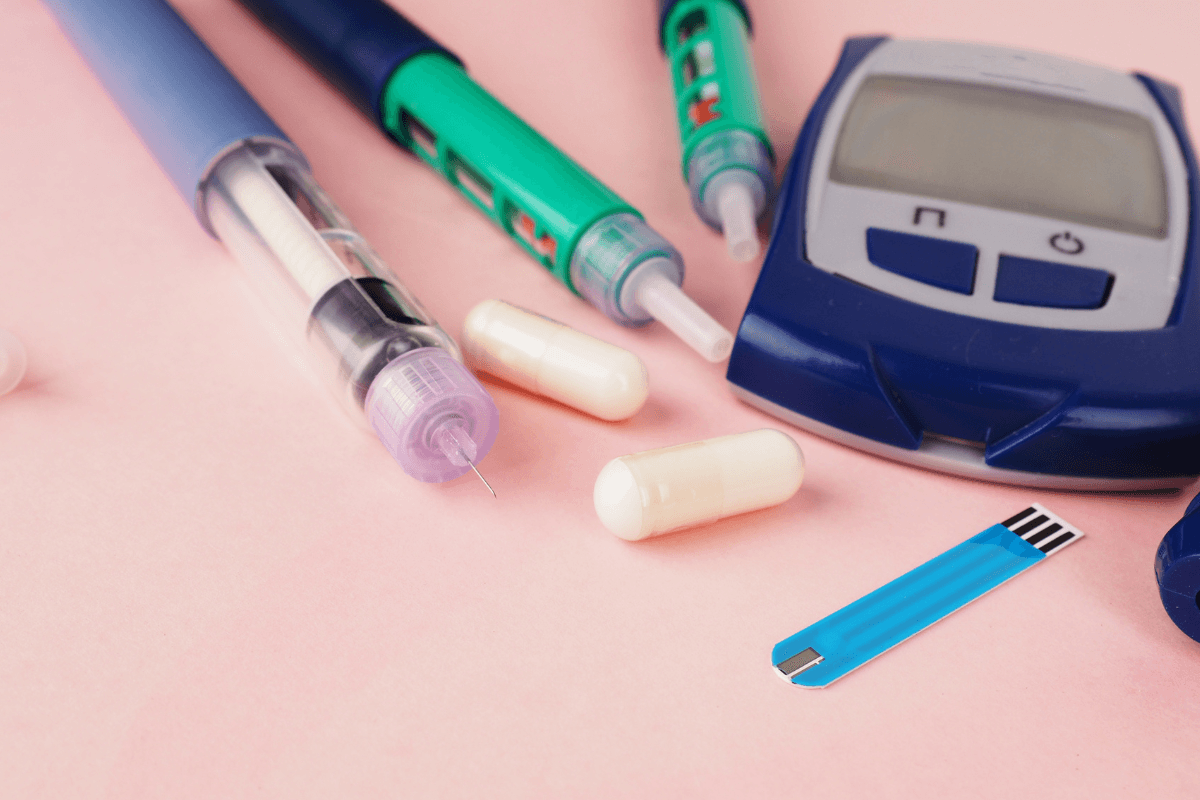
Tresiba and Lantus are both long-acting basal insulins, but they are not the same medicine. The main Tresiba vs Lantus differences are duration, dose-timing flexibility, and how clinicians approach switching. Tresiba generally lasts longer and may allow more flexible timing in adults. Lantus is usually taken once daily at a consistent time. The right choice depends on your glucose patterns, low-blood-sugar history, daily schedule, and coverage or access.
Both products can be appropriate in diabetes care. Neither is automatically “better” for every person. What matters is how the basal insulin fits your treatment plan and how safely it can be monitored.
Key Takeaways
- Same role: both provide background insulin between meals and overnight.
- Different molecules: Tresiba is insulin degludec; Lantus is insulin glargine U-100.
- Duration differs: Tresiba has an ultra-long profile; Lantus is designed for about 24-hour coverage.
- Switching needs oversight: dose conversion depends on prior control, low risk, and other medicines.
- Access matters: formulary rules, pen preference, and pharmacy options may affect the final choice.
Tresiba vs Lantus at a Glance
The practical difference starts with the insulin molecule. Tresiba contains insulin degludec, while Lantus contains insulin glargine U-100. Both are basal insulins, meaning they supply background insulin rather than covering a specific meal.
Tresiba forms a depot under the skin and releases insulin slowly over time. Lantus forms microprecipitates in the tissue after injection, then dissolves gradually. These mechanisms explain why the products can feel different in daily use, even though both aim to lower fasting and between-meal glucose.
For a deeper molecule-level comparison, see Insulin Degludec vs Insulin Glargine. If you need product-format context, Tresiba FlexTouch Pens and Lantus SoloStar Pens outline common pen formats.
Why it matters: A basal insulin’s duration and timing rules can affect missed-dose planning, shift work, travel, and overnight low risk.
How Duration and Timing Affect Daily Use
Duration is one of the clearest differences between these basal insulins. Tresiba has an ultra-long action profile, while Lantus is generally used for once-daily coverage over about a day. This does not mean one is always easier. It means the routine can differ.
In adults, Tresiba labeling allows flexible dosing times when needed, as long as doses are separated by the minimum interval described in the label. That flexibility may help people with variable work schedules or travel days. Lantus is typically used once daily at the same time each day, which can support a predictable habit.
Consistency still matters with either medicine. Meals, activity, alcohol, illness, kidney function, and other glucose-lowering drugs can all change insulin needs. A long duration does not remove the need for glucose monitoring.
If you want a closer look at glargine timing, onset, and duration, read Lantus Onset and Duration. For degludec basics, What Is Tresiba covers uses, precautions, and common safety points.
Dosing and Titration: What Changes and What Does Not
Tresiba vs Lantus dosing should be individualized, not copied from another person’s regimen. Clinicians usually look at fasting glucose trends, A1C, hypoglycemia episodes, injection technique, meal patterns, and other medicines before changing a basal dose.
Basal insulin titration often happens gradually. A single high or low reading may not tell the full story. Patterns over several days are more useful, especially when sleep, meals, activity, and illness are changing.
Pen strengths and formats can also confuse dose discussions. Insulin units are the dosing language, but different pens may deliver those units in different volumes. Do not assume a higher concentration means a higher dose. Your prescriber or pharmacist can confirm how the device is meant to be used.
People often search for an insulin conversion calculator when switching basal insulins. This can be risky if the tool is used without clinical review. Conversion is not only math. It also depends on recent lows, kidney function, age, pregnancy status, appetite changes, and whether rapid-acting insulin or non-insulin diabetes medicines are also being used.
For general degludec dosing concepts, see Tresiba Insulin Dosage. Use it as background reading, not as a substitute for a prescriber’s switching plan.
Switching Between Basal Insulins Safely
Switching from one basal insulin to another is common, but it should be planned. A Tresiba vs Lantus conversion may start near the previous total basal dose in some cases, while other situations call for a more conservative starting point. The safest approach depends on the person.
Several factors can change the plan. Recent overnight lows may lead a clinician to reduce the starting dose. Persistent fasting highs may require closer follow-up rather than an immediate large increase. Kidney disease, older age, missed meals, alcohol use, and variable activity can raise hypoglycemia risk.
People also ask whether Lantus and Tresiba are interchangeable. They can be switched under prescriber direction, but they are not the same product and are not usually substituted automatically at the pharmacy. Degludec and glargine are different insulin molecules.
Taking Tresiba and Lantus together is not routine. Both are basal insulins, so using them together may increase the risk of too much background insulin unless a clinician has a specific transition plan. If you accidentally overlap doses or develop symptoms of severe hypoglycemia, follow your diabetes action plan and seek urgent help when needed.
Practical details to confirm before a switch
- Start date: know when the old basal stops.
- Monitoring plan: record fasting and overnight patterns if advised.
- Low treatment: keep fast carbohydrates available.
- Device training: confirm priming, dose dialing, and storage.
- Follow-up: ask when to report highs or lows.
Quick tip: Keep the old and new insulin names written down during transitions to reduce mix-ups.
Hypoglycemia, Weight, and Other Safety Considerations
Both medicines can cause hypoglycemia, which means low blood sugar. Symptoms can include shaking, sweating, hunger, confusion, fast heartbeat, or weakness. Severe lows may cause seizure, loss of consciousness, or injury and need urgent treatment.
Some clinical trial evidence has shown lower rates of certain nocturnal or severe hypoglycemia outcomes with insulin degludec compared with insulin glargine U-100 in selected populations. That does not guarantee fewer lows for every person. Injection timing, meal intake, alcohol, exercise, kidney function, and dose changes often matter just as much.
Tresiba vs Lantus hypoglycemia discussions should focus on your actual pattern. A continuous glucose monitor can show overnight trends. Finger-stick readings can also help when used consistently. If your readings use different units, a simple converter can reduce confusion when reviewing logs with a care team.
This converter helps compare glucose readings in mg/dL and mmol/L. It does not interpret readings or replace clinical guidance.
Blood Glucose Unit Converter
Convert glucose readings between mg/dL and mmol/L without changing the clinical value.
These calculations are for education only and do not replace clinical advice, diagnosis, or treatment. Always confirm medical decisions with a qualified healthcare professional.
Weight gain can occur with either basal insulin. It often relates to improved glucose use, less glucose loss in urine, and extra calories eaten to prevent or treat lows. Tresiba vs Lantus weight gain differences are usually less important than total insulin dose, nutrition, activity, and hypoglycemia frequency.
Review repeated lows, defensive snacking, and large glucose swings with your clinician or diabetes educator. If you have pregnancy, kidney disease, gastroparesis, an eating disorder history, or frequent hypoglycemia, ask for individualized guidance before making diet or insulin changes.
For adverse effect context on glargine, see Lantus Side Effects. Product labels and clinical guidance remain the best sources for safety-critical details.
Cost, Access, and Device Fit
Cost of Tresiba vs Lantus can vary widely by location, insurance status, pharmacy, and device format. Some plans prefer one basal insulin. Others may require prior authorization or step therapy. Cash-pay options may also differ by pharmacy and jurisdiction.
Access should not be reduced to the sticker price alone. A pen that is easier to use may reduce dosing errors for some people. A vial may fit another person’s established routine. Storage needs, vision, hand strength, injection supplies, and caregiver support can all affect device choice.
CanadianInsulin.com is a prescription referral platform, and prescription details may be confirmed with the prescriber where required. Dispensing and fulfilment are handled by licensed third-party pharmacies where permitted. This access context can be relevant when comparing available formats, but it does not replace medical decision-making.
If your clinician recommends glargine in a vial or cartridge format, you can review Lantus Vial or Lantus Cartridges for device-oriented details. Keep product choice tied to the prescription and the care plan.
How Related Basal Options Compare
Other basal insulins may enter the discussion when Tresiba or Lantus does not fit well. The closest alternatives depend on the reason for switching. A person seeking longer coverage may have different needs than someone changing because of formulary access.
Toujeo and other glargine products
Toujeo is insulin glargine U-300, a more concentrated glargine formulation. It is not the same as Lantus U-100. Clinicians may consider it when injection volume, fasting patterns, or coverage rules matter. Unit needs and titration can differ, so switching should follow prescriber instructions.
Levemir and detemir
Levemir contains insulin detemir. It is also a basal insulin, but its duration may be shorter for some people and twice-daily dosing may be used in certain regimens. Searches such as Tresiba vs Levemir conversion or Levemir to Tresiba conversion calculator reflect a real concern: people want simple math. In practice, the plan depends on the prior dose, timing, glucose patterns, and low risk.
NPH insulin
NPH is an older intermediate-acting insulin. It has a more pronounced peak than many modern basal analogs. That peak can be useful in some plans but may also increase timing demands. It should be compared within a full regimen, not as a direct lifestyle swap.
When comparing basal options, ask why the switch is being considered. Common reasons include fasting highs, overnight lows, missed doses, device issues, formulary changes, or side effects. The reason helps shape the safest next step.
Questions to Ask Before Choosing
A good basal insulin choice balances glucose stability, safety, routine, and access. Before comparing brand names, clarify the problem you are trying to solve.
- Fasting pattern: are mornings high, low, or variable?
- Low timing: do lows happen overnight or after activity?
- Schedule fit: is dose timing predictable most days?
- Device comfort: can the pen or vial be used correctly?
- Other medicines: do they increase low-blood-sugar risk?
- Follow-up access: who reviews readings after changes?
Example: A person with frequent shift changes may value flexible timing. Another person with a strong bedtime routine may prefer a fixed daily schedule. Both situations can be reasonable, but the dose plan and monitoring needs may differ.
If you are asking whether 30 units of Tresiba is a lot, the answer depends on body size, insulin sensitivity, diabetes type, diet, activity, and other medicines. Unit numbers are not automatically high or low without context. Bring recent readings and your current medication list to the prescribing clinician.
Authoritative Sources
For official label information on insulin degludec, review the FDA prescribing information for Tresiba.
For insulin glargine U-100 label details, see the DailyMed label for Lantus.
For diabetes treatment standards and hypoglycemia-focused care principles, consult the ADA Standards of Care.
Recap
Tresiba vs Lantus is mainly a comparison of duration, timing flexibility, switching approach, safety patterns, and access. Tresiba may suit people who need an ultra-long basal profile or more timing flexibility. Lantus may suit people who do well with a consistent once-daily glargine routine. Neither choice should be made from a conversion chart alone.
Use recent glucose data, low-blood-sugar history, device needs, and coverage details to guide the discussion. Your clinician can help decide whether to stay with the current basal insulin, adjust the dose, or switch to another option.
This content is for informational purposes only and is not a substitute for professional medical advice.


