


Knowing the signs and symptoms of type 2 diabetes helps you act early. Subtle changes often precede a diagnosis by months or years. Recognizing patterns can prompt timely testing and reduce future complications.
Key Takeaways
- Common early signs include thirst, frequent urination, fatigue, and blurred vision.
- Insulin resistance and genetics drive the condition’s gradual onset and progression.
- Diagnosis relies on A1C, fasting glucose, oral glucose tests, and clinical context.
- Targeted lifestyle changes and medications help control blood glucose and risks.
Recognizing the Signs and Symptoms of Type 2 Diabetes
Early symptoms can be mild and easy to miss. Increased urination (polyuria), excessive thirst (polydipsia), and increased hunger (polyphagia) are classic patterns. Fatigue, morning headaches, and brain fog can also emerge. Blurred vision may fluctuate as glucose shifts, and dry mouth or nighttime urination may follow.
Skin and nerve changes offer additional clues. Dark, velvety patches on the neck or armpits (acanthosis nigricans) suggest insulin resistance. Tingling or burning in the feet indicates peripheral neuropathy. Recurrent yeast or urinary infections, slow-healing cuts, and unexpected weight changes also deserve attention. For visual risks and screening timelines, see Diabetic Eye Disease for context on protecting sight.
Authoritative overviews of common symptoms are available from the CDC’s symptoms of diabetes, which summarizes typical early features and when to seek testing.
What Causes Type 2 Diabetes?
Most cases arise from insulin resistance, where muscle, fat, and liver cells respond poorly to insulin. The pancreas compensates by producing more insulin, which can stress beta cells over time. Family history, excess adiposity, physical inactivity, and certain medications can contribute. Sleep apnea, chronic stress, and dietary patterns may also worsen glucose control.
Age increases risk, but younger adults are not exempt. Puberty, polycystic ovary syndrome (PCOS), and a strong family history elevate risk in adolescents and early adulthood. For a clear comparison of mechanisms, see Insulin Resistance vs Insulin Deficiency to understand how each state affects glucose. If your labs show borderline elevations, Impaired Glucose Tolerance offers context on prediabetes and progression.
Type 1 Diabetes vs Type 2
Type 1 is an autoimmune process that destroys beta cells, leading to absolute insulin deficiency. It often presents abruptly with marked weight loss, ketones, and risk of diabetic ketoacidosis (DKA). Type 2 develops gradually, with insulin resistance and relative insulin deficiency. Many people remain undiagnosed for years due to mild or nonspecific symptoms.
Both forms can experience hyperglycemia, but treatment frameworks differ. People with type 1 require insulin from diagnosis, while those with type 2 begin with lifestyle measures and non-insulin medications. For context on episodes related to low glucose, see Fasting Hypoglycemia, which outlines causes unrelated to meal timing.
How Is Type 2 Diabetes Diagnosed?
Clinicians use standardized tests and clinical judgment. A1C of 6.5% or higher, fasting plasma glucose of 126 mg/dL (7.0 mmol/L) or higher, or a 2-hour oral glucose tolerance value of 200 mg/dL (11.1 mmol/L) or higher can establish diagnosis. A random plasma glucose of 200 mg/dL or higher with classic symptoms also qualifies. Confirmatory testing may be needed if results are borderline or inconsistent.
Laboratory assessments often repeat to verify stability and exclude acute illness. Testing can also identify comorbidities such as dyslipidemia or early kidney involvement. For detailed thresholds and interpretation, consult the American Diabetes Association’s diagnosis criteria. If you note dramatic elevations or dehydration, see Recognizing Acute Hyperglycemia for urgent high-sugar red flags and response steps.
Symptoms of Type 2 Diabetes in Women
Women may experience recurrent vaginal yeast infections, urinary infections, and pelvic discomfort when glucose remains elevated. Menopause can blur the picture because hot flashes, sleep changes, and mood swings overlap with glycemic fluctuations. Tracking symptoms alongside glucose checks can clarify patterns as hormones shift.
PCOS raises risk by compounding insulin resistance. Pregnancy can unmask glucose intolerance, which increases later-life risk of the condition. Vaginal dryness and pain can reflect both hormonal and glycemic factors. Cardiometabolic risk also increases; for prevention messaging, see Diabetes Heart Connection for context on cardiovascular health.
Tip: Keep a simple symptom diary with dates, meals, activity, and readings to spot trends.
Type 2 Diabetes Blood Sugar Levels
Glucose varies across the day. Morning fasting values reflect overnight hepatic output, while post-meal spikes reflect carbohydrate load, timing, and insulin response. A1C estimates average glucose over roughly three months by measuring glycosylated hemoglobin (A1C). Individualized targets depend on age, comorbidities, and hypoglycemia risk.
Patterns matter more than single numbers. A modest rise after meals followed by steady returns can be acceptable, while large swings may signal medication or meal timing issues. Physical activity can improve post-meal control; for practical adjustments, see Diabetes and Exercise for guidance on balancing movement and safety.
Treatment for Type 2 Diabetes
Management starts with nutrition, activity, and weight strategies tailored to daily life. Medical nutrition therapy focuses on fiber-rich foods, balanced carbohydrates, and consistent meal spacing. Structured activity improves insulin sensitivity and cardiometabolic markers. When lifestyle changes are not enough, medications are added based on efficacy, safety, and comorbidity benefits.
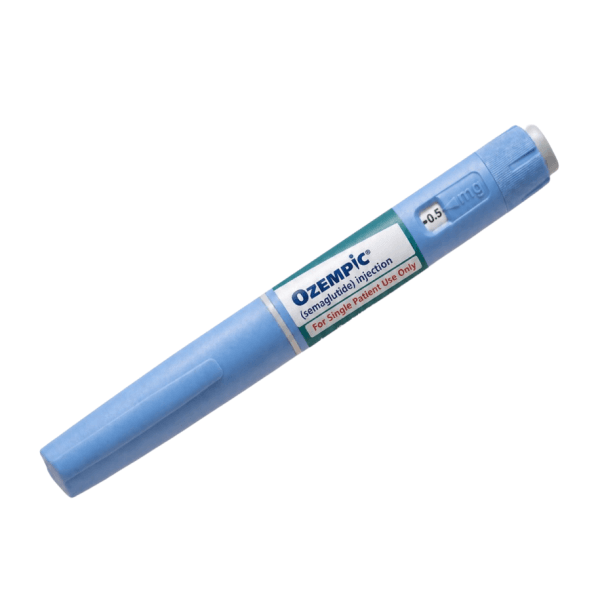
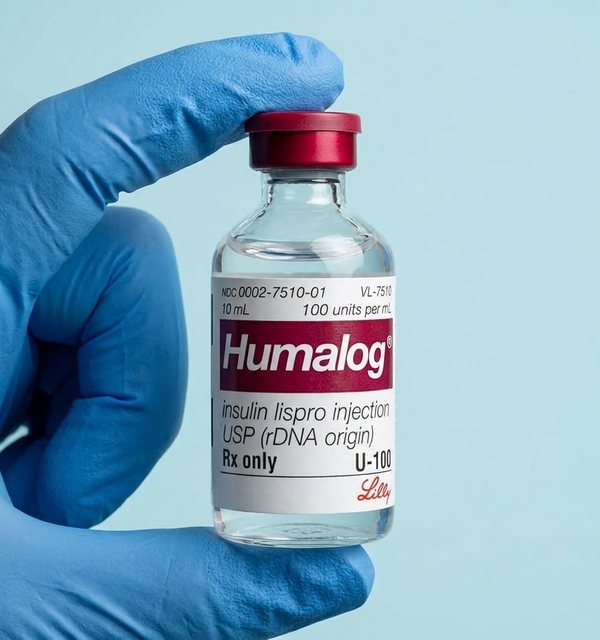
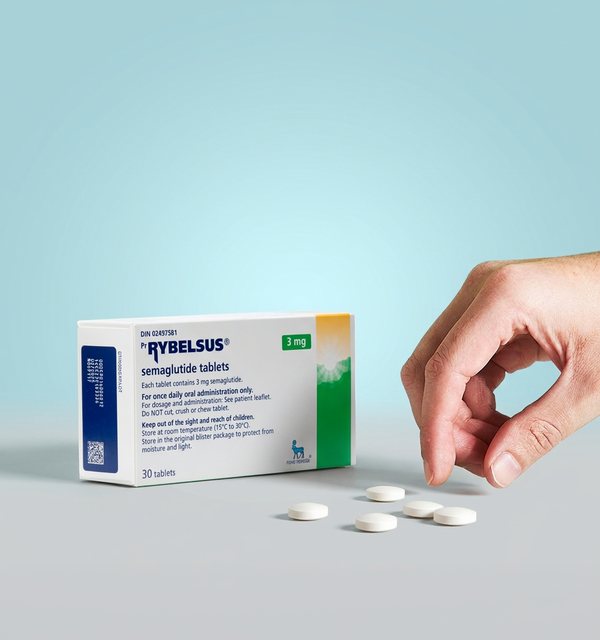
Metformin is a common first-line choice; for monograph details, see Glumetza to understand extended-release metformin options. SGLT2 inhibitors help lower glucose and may support heart and kidney outcomes; for a representative agent, review Dapagliflozin to see class considerations and cautions. GLP-1 receptor agonists assist with glycemic control and weight. Insulin is introduced when oral and injectable non-insulin agents no longer suffice or are contraindicated.
Note: Medication changes should be individualized by a qualified clinician, taking into account kidney function, comorbidities, and preferences.
Type 2 Diabetes Complications
Persistently elevated glucose can affect many organs over time. Neuropathy can cause numbness, pain, or balance issues. Kidney disease may first appear as microalbuminuria before overt declines in filtration. Eyes are sensitive to chronic glucose exposure, so routine retinal exams are important. For vision protection strategies, revisit Diabetic Eye Disease to understand screening intervals and findings.
Foot problems rise with neuropathy and poor circulation. Small injuries can progress to ulcers without early care. For prevention and wound care basics, see Diabetic Foot Ulcers to learn warning signs and protective steps. Cardiovascular risk also increases substantially; blood pressure, lipids, and smoking cessation are crucial. Broader complication overviews are summarized by the NIDDK’s guidance on preventing problems, which covers eyes, kidneys, nerves, and heart.
What Causes Type 2 Diabetes in Young Adults?
Younger adults face unique pressures, including sedentary study or work, irregular sleep, and energy-dense diets. Family history, early weight gain, and metabolic syndrome traits can accelerate insulin resistance. Some antipsychotics and glucocorticoids can worsen glycemia. Addressing sleep, stress, and activity patterns can slow progression and limit complications.
Sports injuries, shift work, and limited healthcare access can further complicate management. Screening is reasonable for those with obesity, PCOS, or strong family history. If your readings trend high but not diagnostic, the earlier-mentioned Impaired Glucose Tolerance explainer offers context on next steps and monitoring cadence.
Recap
Early recognition empowers timely testing and action. Small changes in thirst, urination, energy, or vision can be meaningful patterns. With clear diagnosis and tailored care, most people achieve durable control. Steady habits, regular monitoring, and routine follow-up help reduce long-term risks.
This content is for informational purposes only and is not a substitute for professional medical advice.