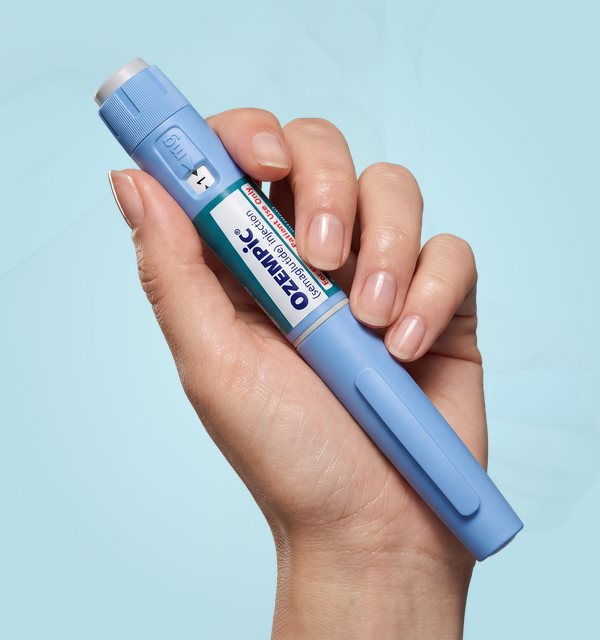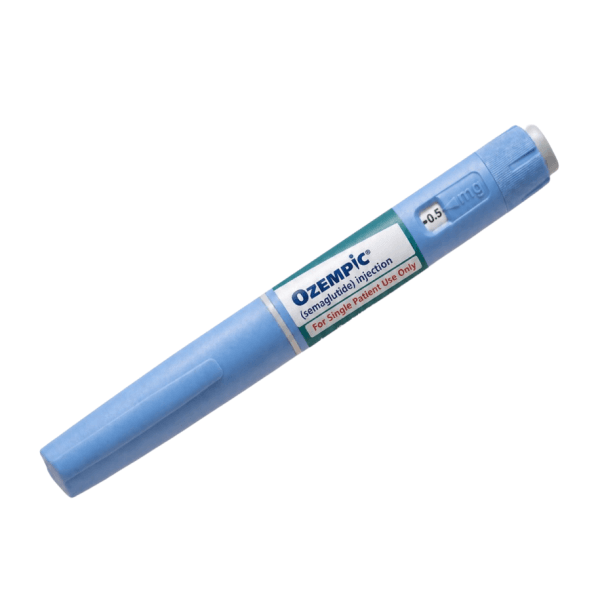



If you are trying to conceive, the safety of weight loss drugs depends on timing, the specific medication, and your pregnancy plans. GLP-1 medicines such as semaglutide are generally stopped before pregnancy because human pregnancy data remain limited and product labels advise against use while pregnant. The safest next step is early preconception planning with your clinician, especially if you use Wegovy, Ozempic, Zepbound, or another prescription weight-loss medicine.
Key Takeaways
- Plan early: discuss medication timing before trying.
- Use washout guidance: semaglutide labels advise stopping before planned pregnancy.
- Protect nutrition: avoid rapid loss near conception.
- Watch side effects: nausea and dehydration need attention.
- Call promptly: stop treatment and contact your clinician if pregnancy occurs.
Why this matters: early pregnancy can begin before a missed period. That means medication exposure may happen during a sensitive window of fetal development. Planning ahead helps you reduce uncertainty while keeping weight, blood sugar, nutrition, and mental health in view.
How Weight Loss Drugs Fit Into Preconception Care
Weight loss medications can be useful before pregnancy for selected adults, but they are not usually continued while trying to conceive or during pregnancy. Preconception care shifts the goal from active weight reduction to stable health, adequate nutrition, and medication safety.
Modern options include GLP-1 receptor agonists, dual incretin medicines, lipase inhibitors, and combination pills. GLP-1 receptor agonists act on gut-hormone pathways that influence appetite, fullness, and glucose regulation. Semaglutide is the active ingredient in Wegovy and Ozempic, while tirzepatide is used in products such as Zepbound and Mounjaro. These medicines differ by indication and label details, so your plan should be product-specific.
The core issue is not whether weight management matters before pregnancy. It often does, especially for people with insulin resistance, polycystic ovary syndrome, diabetes risk, sleep apnea, or high blood pressure. The issue is timing. Weight loss drugs when trying to conceive need a careful pause plan because pregnancy safety data are not as complete as data for non-pregnant adults.
Some readers also want to understand how these medicines compare outside pregnancy planning. For class-level context, see GLP-1 Drugs For Weight Loss. For a semaglutide-focused safety discussion, Semaglutide Weight Loss Medication covers expectations and risk questions in broader care.
Wegovy and Pregnancy: What the Label-Based Caution Means
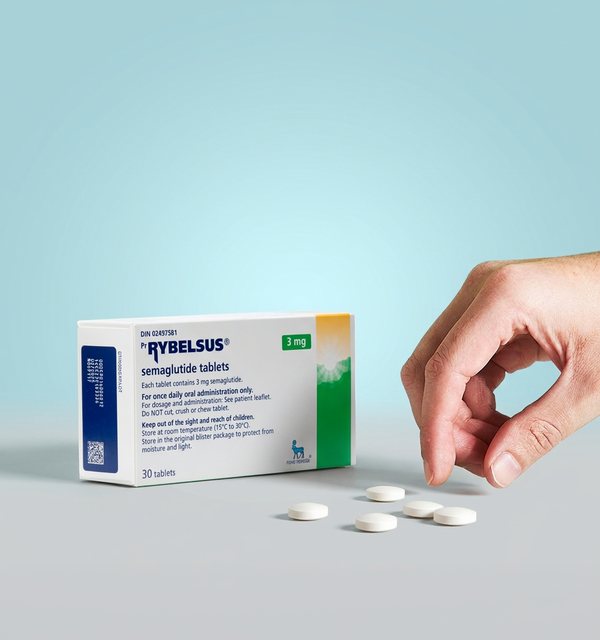
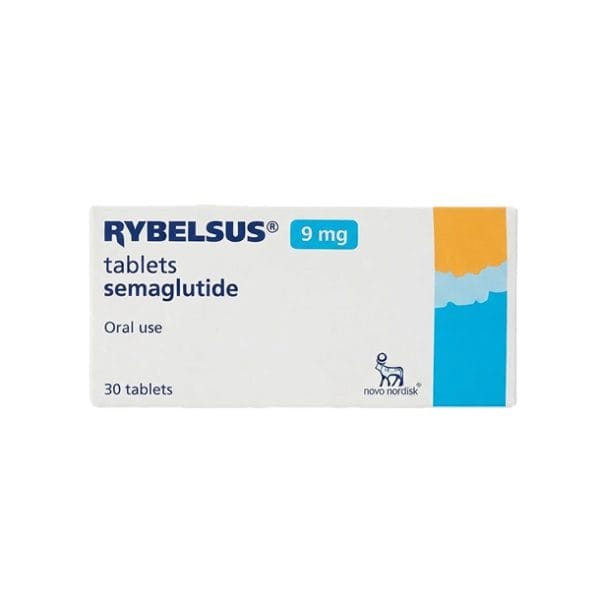
Wegovy and pregnancy planning require extra caution because semaglutide stays in the body for weeks. The Wegovy label advises stopping semaglutide at least two months before a planned pregnancy due to its long washout period. If pregnancy is recognized during treatment, the label advises discontinuation.
This caution exists for several reasons. First, controlled pregnancy trials are not designed to deliberately expose pregnant people to weight-loss drugs. Second, animal studies have shown embryo-fetal effects with semaglutide exposure. Third, active weight loss can make it harder to maintain the steady calorie, protein, fluid, and micronutrient intake needed in early pregnancy.
Semaglutide and pregnancy data in humans are still developing. Available information does not give a clear, reassuring threshold for intentional use during pregnancy. Because of that uncertainty, clinicians usually focus on avoiding exposure when pregnancy is planned and responding calmly if accidental exposure occurs.
Wegovy versus Ozempic safety
Wegovy is not automatically safer than Ozempic during pregnancy planning. Both contain semaglutide, although they have different approved uses and dosing schedules. Wegovy is used for chronic weight management in eligible patients. Ozempic is indicated for type 2 diabetes care, and some people know it because of off-label weight-loss use.
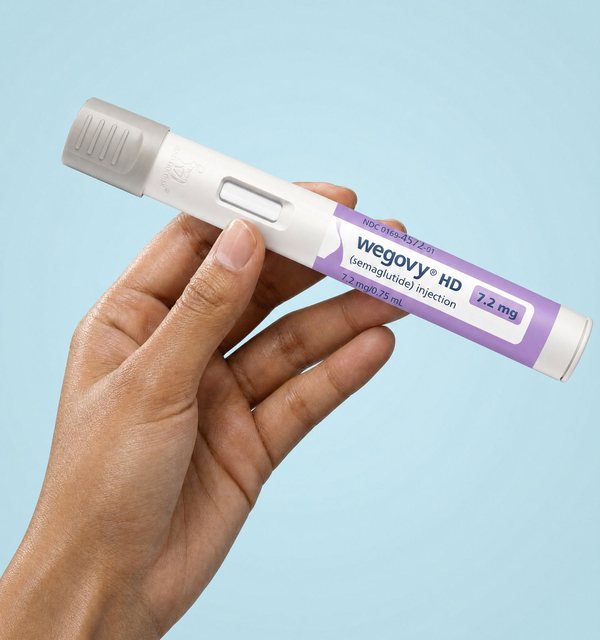
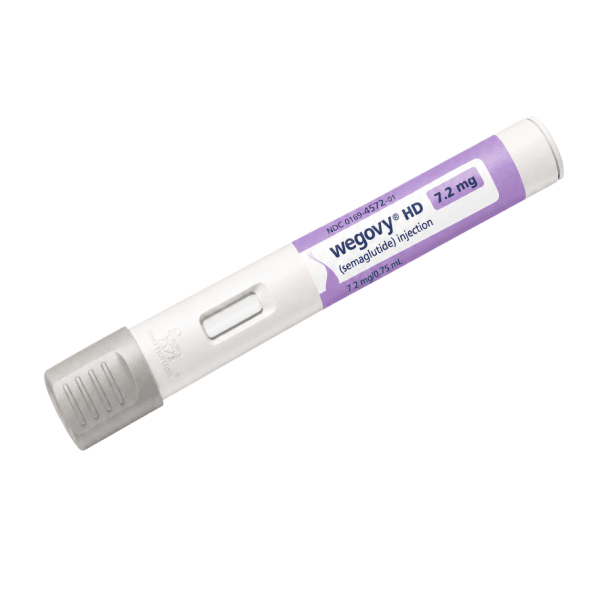
For pregnancy planning, the shared active ingredient matters more than the brand name. If you use semaglutide in any form, ask your clinician when to stop, how to monitor your health during the washout period, and what to do if your cycle timing changes. Product-specific pages such as Wegovy and Ozempic Semaglutide Pens can help you identify the exact medicine you are discussing with your care team, but they should not replace preconception medical advice.
Quick tip: Bring the medication box, pen label, or pharmacy record to your appointment.
Washout Timing, Cycles, and Fertile-Window Planning
A washout period gives drug levels time to fall before conception. For semaglutide, official labeling recommends stopping at least two months before a planned pregnancy. Other weight-loss drugs may have different stop dates, contraindications, or label language, so do not apply one timeline to every medication.
Preconception visits usually cover more than a stop date. Your clinician may review menstrual cycle patterns, current weight trend, diabetes risk, blood pressure, eating history, prior pregnancy complications, and medication side effects. If you have type 2 diabetes or another metabolic condition, medication changes may need closer monitoring because blood glucose targets before and during pregnancy are different from routine weight-loss goals.
People with irregular periods may also find pregnancy timing harder to predict. Weight change, stress, polycystic ovary syndrome, and medication effects can all complicate cycle tracking. If you have noticed cycle changes while using semaglutide, the discussion in Wegovy And Menstrual Health may help you prepare focused questions.
The calculator below can estimate a fertile window from cycle dates and cycle length. It is a general planning tool only and does not confirm ovulation, pregnancy, or medication safety.
Ovulation Window Calculator
Estimate ovulation and fertile window from last period date and cycle length.
These calculations are for education only and do not replace clinical advice, diagnosis, or treatment. Always confirm medical decisions with a qualified healthcare professional.
Side Effects That Matter Before Conception
The safety of weight loss drugs includes both common side effects and rare serious warnings. For GLP-1 medicines, common effects include nausea, vomiting, diarrhea, constipation, abdominal discomfort, reduced appetite, and fatigue. These symptoms can overlap with early pregnancy symptoms, which makes timing and communication important.
Nausea is more than an inconvenience when pregnancy is possible. Persistent vomiting can contribute to dehydration, low intake, and electrolyte problems. Reduced appetite may also make it harder to meet protein, iron, folate, calcium, vitamin D, and other nutrient needs. If you are actively trying to conceive, report severe or persistent gastrointestinal symptoms rather than assuming they are expected.
Some GLP-1 labels also include warnings about pancreatitis, gallbladder disease, kidney injury related to dehydration, and possible thyroid C-cell tumor risk based on animal data. These warnings do not mean every person will experience serious harm. They mean you should know which symptoms need urgent care and which personal risk factors should be reviewed before treatment.
When to seek urgent care
Seek urgent medical help for severe abdominal pain, repeated vomiting, signs of dehydration, fainting, chest pain, shortness of breath, or symptoms of a severe allergic reaction such as swelling of the face or throat. If pregnancy is possible or confirmed, tell the care team about your last dose and all prescription, over-the-counter, and supplement use.
Mood and eating patterns also deserve attention. Appetite-suppressing medicines can be difficult for people with current or past eating disorders. Some people also report mood changes during weight-loss treatment, although individual causes can vary. For related context, see Semaglutide And Depression.
Fertility Questions: What Is Known and What Is Not
Weight loss drugs and fertility are linked indirectly, but they are not fertility treatments. Some people may ovulate more regularly after weight loss or improved insulin resistance. Others may see little change, or they may experience cycle disruption from rapid weight change, stress, under-eating, or an underlying condition.
Semaglutide and fertility research remains limited. It is not accurate to say that semaglutide reliably improves fertility, prevents pregnancy, or is safe to continue while trying. A person may become pregnant while using a GLP-1 medication, especially if weight or metabolic changes improve ovulation. That possibility is one reason contraception and preconception planning often come up during prescribing visits.
Men also ask about GLP-1 pregnancy safety when they are planning a family. Paternal exposure usually raises different questions than direct fetal exposure during pregnancy. However, couples should still tell their clinician about all medications, fertility treatments, and timing goals. This is especially important when diabetes, obesity-related conditions, or multiple medications are part of the picture.
Why it matters: Better cycle regularity can increase pregnancy chances before a person expects it.
Comparing Options Before Pregnancy: Injections, Pills, and Non-Drug Support
No prescription weight-loss medicine is universally the safest choice for everyone trying to conceive. The safer approach is usually to complete medication-supported weight reduction before attempts begin, then transition to maintenance strategies during the washout window.
Injectable medicines such as semaglutide, liraglutide, and tirzepatide are often discussed because of their role in weight management. Product names may include Wegovy, Saxenda, Zepbound, and Mounjaro, depending on indication and jurisdiction. These medicines have different active ingredients, label warnings, and dosing patterns. They should not be swapped or stopped without clinician input.
Oral weight loss medications also require caution. Some prescription weight loss pills have pregnancy contraindications or require pregnancy testing and contraception during use. Over-the-counter slimming supplements can add risk because ingredients, stimulant effects, and quality controls vary widely. Avoid starting new weight-loss supplements while trying to conceive unless your clinician has reviewed them.
For broader navigation, Weight Management collects related educational content. People comparing injectable options may also review Saxenda 6 mg/mL or Zepbound as product references to help identify medicines for discussion, not as pregnancy recommendations.
Practical questions for your appointment
- Medication identity: which active ingredient am I using?
- Stop timing: when should I pause before trying?
- Pregnancy plan: what if conception happens sooner?
- Nutrition review: do I need lab checks or supplements?
- Diabetes monitoring: will glucose targets change?
- Symptom plan: which side effects need urgent care?
CanadianInsulin.com is a prescription referral platform, and prescription details may be confirmed with the prescriber where required. For a medication-sensitive topic like pregnancy planning, that documentation context matters because the clinical decision still belongs with your licensed care team.
If Pregnancy Happens While Taking a Weight-Loss Drug
If you become pregnant while taking a weight-loss medication, stop the medicine and contact your clinician promptly. Do not restart it unless your care team specifically advises you after reviewing your situation.
Try to gather practical details before the call. Note the medication name, active ingredient, last dose date, dose strength if known, symptoms, estimated last menstrual period, and any positive pregnancy test dates. This information helps the clinician estimate exposure timing and decide what monitoring or counseling is appropriate.
Accidental exposure can be stressful. Still, panic is not helpful. Human data are limited, and a single exposure does not automatically predict a specific outcome. Your care team may focus on early prenatal care, hydration, nausea control, nutrition, medication reconciliation, and referral if additional risk factors are present.
Do not switch to another weight-loss drug after a positive pregnancy test. Pregnancy changes the risk-benefit balance. The priority becomes prenatal safety, management of existing conditions, and support for healthy intake rather than weight reduction.
Authoritative Sources
For official prescribing details, review the FDA label page for Wegovy approval and labeling. Labeling may change over time, so use current product information when planning care.
For patient-friendly pregnancy exposure information, MotherToBaby provides a semaglutide pregnancy fact sheet that explains the limits of available data.
For general medication options and cautions, the NIDDK summarizes prescription medications for weight management, including common safety considerations.
Recap
The safety of weight loss drugs is most important before pregnancy begins, not after a positive test. For semaglutide products, including Wegovy and Ozempic, label-based guidance supports stopping before planned conception. Other medications require their own review.
Make a preconception plan that covers washout timing, symptom monitoring, nutrition, cycle tracking, and what to do if pregnancy occurs sooner than expected. If you need adjacent women’s health topics while preparing questions, Women’s Health is a useful browsing category.
This content is for informational purposes only and is not a substitute for professional medical advice.