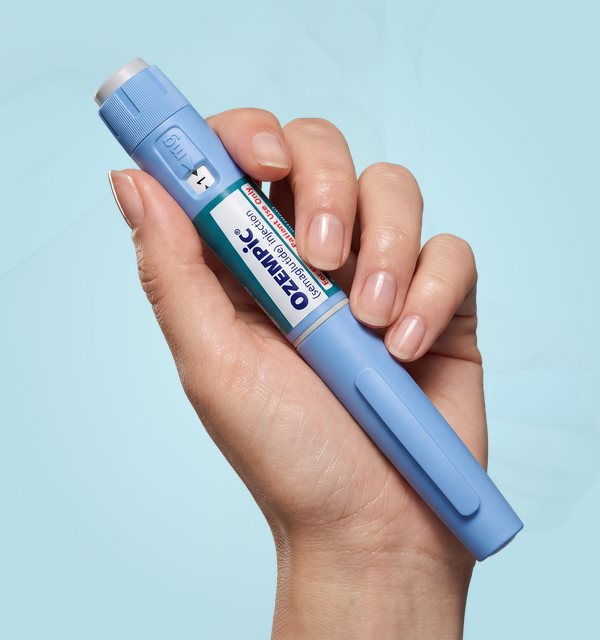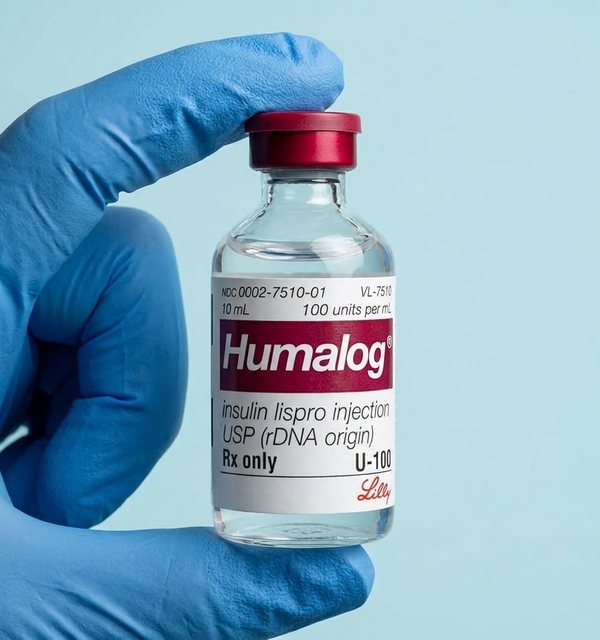

The direct answer to why is there no generic insulin is that insulin is a biologic medicine, not a simple chemical drug. Traditional generics are exact chemical copies. Insulin products are large protein medicines made in living systems, so regulators evaluate follow-on versions as biosimilars or interchangeable biologics instead. That difference affects names, pharmacy substitution, device choices, and the way competition reaches patients.
This distinction matters because people often use “generic insulin” to mean any lower-cost alternative. In practice, the label may say biosimilar, interchangeable, authorized biologic, or unbranded insulin. Those terms are not interchangeable, and they can affect what a pharmacist may dispense.
Key Takeaways
- Insulin is biologic: it follows biologic approval rules, not classic generic rules.
- Biosimilars are close matches: they must show no clinically meaningful differences from a reference product.
- Interchangeability affects substitution: pharmacy switching depends on product status and local law.
- Costs have several drivers: manufacturing, devices, patents, rebates, and formularies all matter.
- Labels and devices matter: pens, vials, cartridges, and names can change refill decisions.
Why There Is No Traditional Generic Insulin
There is no traditional generic insulin because insulin cannot be copied in the same way as a small-molecule tablet. A small-molecule generic can match the active ingredient, strength, dosage form, and route in a highly defined chemical way. Insulin is a protein made by living cells, so the manufacturing process helps shape the final product.
That does not mean competition is impossible. It means the competition uses a different pathway. Biosimilar insulin products are compared with a reference biologic using analytical testing, manufacturing data, and clinical information when needed. Regulators look for similarity in structure, function, purity, potency, and immunogenicity risk. Immunogenicity means the chance that the immune system reacts to the medicine.
This is why the phrase generic insulin vs branded insulin can be confusing. Many people use it as shorthand for lower-cost insulin compared with a familiar brand. Regulators use more precise terms, because the science and substitution rules differ from tablets like many blood pressure or cholesterol medicines.
Why it matters: The wording on a label can affect whether a pharmacy may substitute one insulin for another.
For a broader explanation of how follow-on insulin products fit into care, see Biosimilar Insulin. It covers the core terms patients often see when reviewing formularies or prescription changes.
Biosimilar, Interchangeable, Authorized, and Unbranded Insulin
Different insulin alternatives can look similar on a prescription, but the regulatory meaning may differ. Understanding the main categories helps explain why is there no generic insulin in the usual pharmacy sense.
Biosimilar insulin
A biosimilar insulin is highly similar to an approved reference biologic. It must have no clinically meaningful differences in safety, purity, and potency from that reference product. The manufacturer still has to show detailed evidence, because biologics are sensitive to cell lines, purification steps, and storage conditions.
Interchangeable insulin
An interchangeable biologic meets extra regulatory standards for substitution. In the United States, this status can allow pharmacy-level substitution where state law permits, unless the prescriber blocks substitution. That does not mean a patient should switch casually. It means the regulator has recognized a substitution framework for that product.
Local rules still matter. Pharmacy practice, prescriber instructions, insurance coverage, and device compatibility can all influence what happens at the counter.
Authorized or unbranded insulin
Some products may be sold as authorized or unbranded versions of a manufacturer’s own insulin. These can use different branding or packaging, but they are not the same concept as a traditional generic. Coverage can still vary by plan, and patients may not see them offered automatically.
When readers search for generic insulin names, they often find names that are really biosimilar or unbranded versions. For example, insulin glargine-yfgn is a nonproprietary name with a suffix. The suffix helps with identification and safety tracking. It is not a casual add-on; it helps trace which biologic a person received.
Insulin Names, Suffixes, and Device Formats
Insulin names can seem inconsistent because they combine drug class, manufacturer naming, and device format. A prescription may refer to insulin glargine, insulin lispro, or insulin aspart, while the pharmacy label may include a brand name, suffix, vial, or pen format.
Generic insulin glargine is a common search phrase, but the more precise wording is usually insulin glargine biosimilar, follow-on insulin glargine, interchangeable insulin glargine, or unbranded insulin glargine, depending on the product. The exact term depends on the jurisdiction and approval pathway.
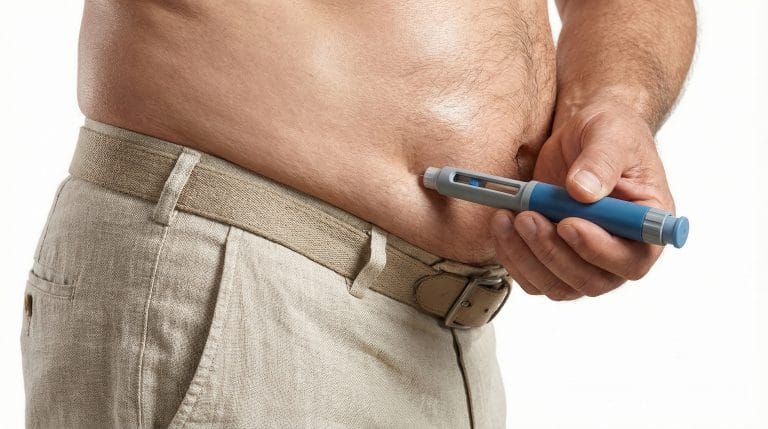
Device format also matters. Generic insulin pens are not simply interchangeable pen shells. A pen includes dose selection, cartridge mechanics, labeling, training needs, and compatibility with pen needles. Even when the insulin type is similar, the device can change the user experience and the refill process.
For people comparing long-acting options, Semglee and Lantus explains why similar clinical roles do not always mean identical labels, devices, or substitution rules. For naming context around another long-acting insulin, Basaglar Generic Name reviews how brand and nonproprietary names can differ.
Patents, Exclusivity, and Incremental Changes
Patents are part of the answer, but they are not the whole answer. The original discovery of insulin is old, yet modern insulin products include newer formulations, analogs, delivery systems, manufacturing processes, and device designs. Those pieces can be protected separately.
When someone asks is insulin patented, the careful answer is that insulin as a broad discovery is not the same as a modern product patent. Specific insulin analogs, pen devices, cartridge systems, formulation details, and production methods may have separate patent histories. Even after a major patent expires, other protections can shape competition.
Exclusivity can also come from regulation. Data exclusivity, biologic approval rules, and interchangeability standards can influence when follow-on products enter the market. These rules aim to balance innovation, safety, and competition, but they can also slow the arrival of lower-cost alternatives.
Incremental changes matter too. A manufacturer may introduce a new pen, concentration, formulation, or delivery feature. These changes may have practical value for some users, but they can also make substitution more complex. A pharmacist cannot assume every product, device, and label instruction transfers cleanly.
Why Insulin Can Remain Expensive
Insulin can remain expensive because the final cost reflects more than the physical ingredients. Manufacturing biologics requires specialized facilities, living cell systems, purification steps, sterility controls, stability testing, cold storage, and quality oversight. These requirements raise the barrier for new manufacturers.
That said, manufacturing cost alone does not explain what patients pay. List prices, negotiated rebates, insurance design, pharmacy benefit managers, deductible timing, and formulary placement all shape out-of-pocket costs. Two people using the same insulin may face very different costs because their coverage differs.
Questions such as how much does insulin cost to make are useful, but they only capture one layer. Production inputs may be much lower than retail list prices for some products, yet the full system includes regulatory compliance, distribution, payer contracts, and pharmacy reimbursement. The result is hard to compare across countries or even across plans within the same country.
Country comparisons can be helpful, but they need caution. National purchasing systems, private insurance, taxes, exchange rates, markups, and reimbursement rules differ widely. A cost of insulin by country chart may show broad affordability gaps, but it may not predict what a specific person will pay for a specific pen or vial.
For readers comparing insulin categories rather than brands alone, Human Insulin and Analog Insulin explains differences in product type, timing concepts, and practical discussion points. If you want a broader condition hub for navigation, the Diabetes Articles category groups related educational topics.
Some patients also explore cash-pay options and cross-border fulfilment depending on eligibility and jurisdiction. CanadianInsulin.com is a prescription referral platform, and where required, prescription details may be confirmed with the prescriber before licensed third-party pharmacies handle dispensing where permitted.
Generic Insulin Versus Branded Insulin in Real Life
The real-life difference is often less about the word “generic” and more about approval status, coverage, and device fit. A biosimilar may be clinically comparable to its reference product, but that does not guarantee the same copay, same pen design, same formulary tier, or automatic substitution.
Patients and caregivers can use a few practical questions when comparing options:
- Product type: Is it rapid-acting, intermediate-acting, or long-acting?
- Regulatory status: Is it biosimilar, interchangeable, authorized, or unbranded?
- Device format: Is it a vial, prefilled pen, or cartridge system?
- Coverage rules: Is it preferred, nonpreferred, or excluded?
- Prescriber instructions: Did the prescription allow substitution?
- Training needs: Does the new device require different steps?
These questions are especially important when the prescription involves a basal insulin, such as insulin glargine. Searches like basaglar generic for lantus or is there a cheaper alternative to lantus often mix medical, regulatory, and coverage issues. The answer depends on the exact product, jurisdiction, plan rules, and clinician judgment.
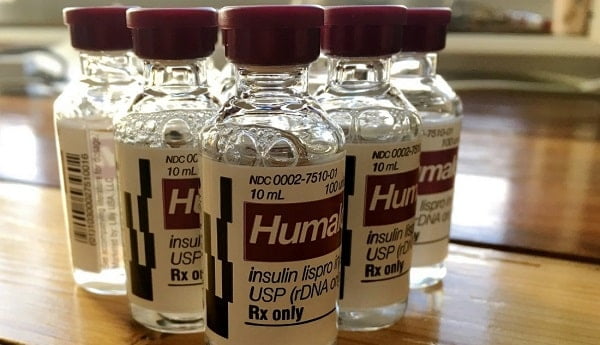
Product pages can help identify available formats, but they should not replace professional review. For example, Lantus Vial and Lantus SoloStar Pens show how vial and pen formats differ as refill categories. A person considering a switch should confirm the prescription, device training, and label instructions with a clinician or pharmacist.
What to Ask Before Switching Insulin Products
A switch between insulin products should be handled carefully, even when products are considered similar. Insulin is a high-alert medication, meaning errors can cause serious harm. The practical issue is not only the active ingredient. It is also the device, timing, storage, concentration, and label directions.
Before a change, consider asking your clinician or pharmacist:
- Same insulin type: Does the alternative match the intended insulin category?
- Substitution rules: Can the pharmacy substitute it in this jurisdiction?
- Device change: Will the pen, vial, or cartridge technique differ?
- Storage limits: Are unopened and in-use storage instructions different?
- Monitoring plan: Should glucose patterns be reviewed after the change?
- Refill clarity: Does the prescription name match the intended product?
Quick tip: Keep the package or label visible when asking about a refill change.
Do not adjust insulin doses on your own because a product looks similar. If you experience repeated low blood glucose, severe high blood glucose, confusion, vomiting, fainting, or symptoms of diabetic ketoacidosis, seek urgent medical care. People who are pregnant, have kidney disease, use pumps, or have frequent hypoglycemia should be especially cautious with changes.
For rapid-acting insulin naming questions, Apidra Generic Name gives another example of how brand names, generic names, and alternatives can be discussed without assuming automatic substitution.
Authoritative Sources
Regulatory definitions are central to this topic. The FDA biosimilars information page explains how biosimilar and interchangeable products are evaluated in the United States.
The FDA Purple Book database lists biological products and can help verify whether a product has biosimilar or interchangeable status.
For historical context, the PubMed record for the NEJM insulin article summarizes an influential discussion of why insulin competition developed differently from classic generic drugs.
Bottom Line
The reason why is there no generic insulin is not that alternatives cannot exist. It is that insulin is regulated as a biologic, so follow-on competition uses biosimilar, interchangeable, authorized, or unbranded pathways. Those categories affect names, substitution, devices, and access.
For patients, the practical next step is to verify the exact product name, format, and substitution rules before changing refills. If cost is the issue, ask about formulary options, biosimilar status, device alternatives, and whether the prescription allows substitution. Keep the discussion grounded in safety, not just the label wording.
This content is for informational purposes only and is not a substitute for professional medical advice.