Understanding the Worst Fruits for Diabetics helps you set realistic expectations and plan meals with fewer glucose surprises. This guide explains sugar content, glycemic load, portion sizes, and practical swaps so you can enjoy fruit more confidently.
Key Takeaways
- Context matters: ripeness, portion size, and preparation change glycemic response.
- Juice and dried fruit deliver concentrated sugar with minimal fiber.
- Pair fruit with protein or fat to blunt glucose spikes.
- Track your own response with glucose monitoring and consistent portions.
Worst Fruits for Diabetics: How to Identify Them
Not all fruits affect blood glucose the same way. Choices with high simple sugar, low fiber, and limited water content tend to raise glucose faster. Very ripe tropical fruits and concentrated forms like juice can be particularly impactful. Glycemic index (GI) and glycemic load (GL) provide structured ways to estimate these effects, but individual responses still vary widely.
Start by looking at three drivers: sugar density per serving, fiber per gram of sugar, and food form. Whole fruit with intact pulp generally beats juice because fiber slows glucose absorption. Reliable, evidence-based frameworks from diabetes organizations can help you compare options; for a concise primer on GI/GL concepts, see the American Diabetes Association’s guidance on healthy eating (ADA healthy eating overview).
For a complementary view on which fruits tend to fare better under portion control, review our companion overview, Best Fruits for Diabetics, for examples and serving ideas that fit balanced meal plans.
Glycemic Impact and Portion Size
Two slices of pineapple may raise glucose differently than a cup of whole berries, even if their calories match. Water and fiber volume dilute sugar concentration and slow intestinal absorption. The same logic explains why fruit smoothies and acai bowls often behave like desserts. Portion size also compounds glycemic load, so modest servings can make higher-sugar fruit more workable.
When navigating high sugar fruits, think in grams of sugar per serving, not per 100 grams. That aligns with what you actually eat. For reference tables that list typical carbohydrate and sugar values for common fruits, the USDA FoodData Central database provides standardized numbers across many varieties (USDA nutrient data). Use those numbers alongside your glucose readings to personalize your thresholds.
Bananas are a useful case study. Ripeness raises available sugar as starch converts to glucose and fructose. If bananas fit your preferences, testing half portions and pairing them with Greek yogurt or nut butter can soften post-meal rises. For banana-specific guidance and timing tips, see Bananas and Diabetes, which breaks down ripeness and serving strategies.
Specific Fruits to Limit
The practical goal is not to ban fruit. Instead, identify patterns that tend to cause sharper spikes and limit those contexts. Articles that list the 5 worst fruits to eat for diabetics often highlight the same themes: very ripe tropical fruits, dried fruit, and fruit juice. These options pack larger sugar doses into smaller, faster-digested servings.
Tropical and Very Ripe Fruits
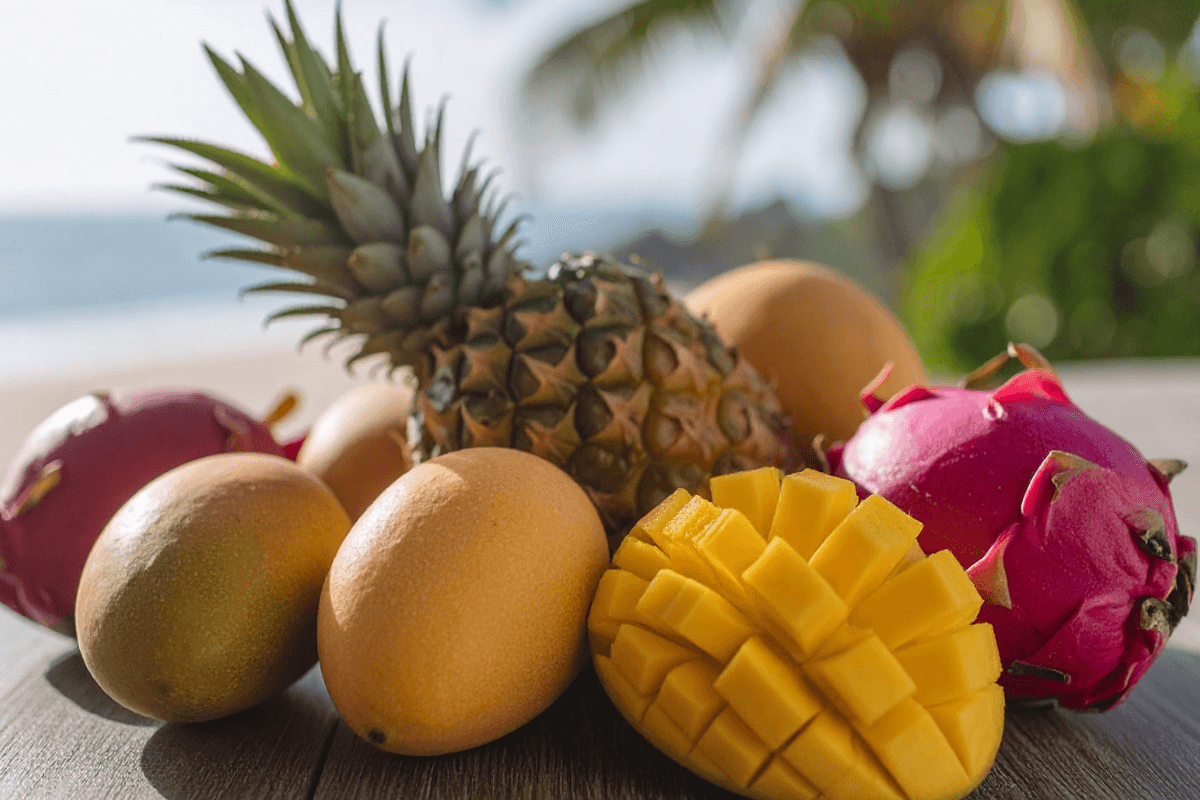
Mango, pineapple, lychee, and very ripe bananas or pears may carry higher sugar density and lower fiber-to-sugar ratios per typical serving. Ripeness increases sugar availability, so a deep-yellow banana often hits faster than a green-tinged one. This does not mean tropical fruit is “off-limits,” but it does mean portion sizing matters more. Try downsizing to half portions, pairing with protein, and tracking post-meal readings. Over several attempts, you will learn which combinations keep you within target ranges. If you rely on insulin, remember that bolus timing and carbohydrate estimates also influence outcomes. When using insulin products, review your prescriber’s instructions and product labeling for dosing guidance; for product overviews, see Tresiba FlexTouch Pens to understand basal options and Humulin R 100U/mL for short-acting profiles.
Dried Fruit and Fruit Juices
Drying removes water and condenses sugar and calories into smaller bites. A small handful of raisins may deliver the sugar load of several cups of grapes. Fruit juice removes most fiber altogether, allowing rapid absorption. If you enjoy these foods, save them for small, measured portions alongside nuts, cheese, or yogurt. That pairing adds fat and protein, which can slow gastric emptying and dampen glucose spikes. For overarching dietary balance beyond fruit, our guide Best Diet for Insulin Resistance explains macronutrient balance and meal timing in plain language.
Smoothies and Blended Bowls
Blending breaks down cellular structure, often speeding digestion and increasing the area of fruit exposed to enzymes. A cup of blended mango acts differently than the same fruit eaten whole. Consider emphasizing vegetables and lower-sugar fruits in smoothies, using measured fruit portions, and adding flax, chia, or Greek yogurt. These tweaks can help flatten the glucose curve without sacrificing taste. For snack ideas that emphasize protein and fiber, see Healthy Snacks for Weight Loss for quick, portable options that pair well with fruit.
Better Choices and Smart Swaps
Lower-sugar, higher-fiber options often work better, especially when appetite is higher. Berries, kiwi, grapefruit, and small apples may fit more consistently than tropical fruit. Consider swapping half a mango portion for a mixed berry cup to maintain volume while lowering sugar load. This helps limit glucose variability across the week.
If you are seeking low sugar fruits for diabetics, emphasize whole produce with intact pulp and skins where edible. Build bowls with berries plus Greek yogurt, or pair citrus segments with cottage cheese. Keep portions consistent for a month and compare your meter or CGM traces. Our broader overview of nutrient-dense picks in Superfoods for Weight Loss also highlights produce-forward combinations that support metabolic health.
- Swap tropical mixes → berry medley with almonds.
- Replace juice → whole citrus or diluted spritzer.
- Trade dried fruit → fresh slices plus yogurt.
- Use spices → cinnamon or vanilla to add flavor.
Practical Eating Strategies for Everyday Meals
Meal context matters. The same fruit behaves differently alongside eggs and avocado than with a low-protein pastry. Pair fruit with protein or fat to slow absorption. Aim for consistent carbohydrate targets at breakfast and lunch, when insulin resistance can be higher in some individuals. If you track your data, plan repeatable experiments using the same servings for several days.
When reviewing what foods to avoid with diabetes, remember that avoidance lists are starting points, not universal rules. Your meter or CGM will clarify what actually happens for you. For more structured planning, a type 2 diabetes food list can help organize staples and backups. To explore broader educational pieces and nutrition guides, browse our Diabetes Articles for stepwise, practical explainers. If you use premixed insulin, see Humulin 30/70 Vial for formulation details that inform meal timing discussions with your care team.
Special Cases: Grapes, Watermelon, and Dried Fruit
Context questions come up often: for example, is watermelon a good fruit for diabetics? The answer depends on serving size, timing, and pairing. Watermelon is mostly water, but its GI is relatively high; a modest cup with cheese or nuts may be reasonable, while a large bowl alone may spike glucose. Testing your typical portion across several days will reveal your personal response better than generalized lists.
Grapes raise similar questions about everyday use. They are convenient but dense in sugar when handfuls go unmeasured; try small, counted servings and pair with a protein source. For questions beyond fruit sugar—like choosing table sweeteners—review our evidence summary in Healthiest Sweetener Tips to compare options and understand trade-offs. For official background on carbohydrate quality and dietary patterns, the CDC provides approachable resources for people managing diabetes (CDC eat well guidance).
Related Nutrition and Weight Management Topics
Many readers also look for rounded meal frameworks, including the 10 best foods for diabetics to anchor grocery lists. Focus on non-starchy vegetables, lean proteins, legumes, fermented dairy, and intact whole grains in amounts your care team supports. These staples make fruit portions easier to fit without large glucose swings. If weight management is a parallel goal, building high-fiber meals helps with satiety and metabolic flexibility.
For deeper dives into weight-forward dietary strategies, see Ozempic Diet Plan for GLP-1–aligned meal patterns and GLP-1 Diet and Weight Loss for broader context. If you need to refine restaurant and event choices, Ozempic Food Dos and Don’ts offers practical swaps. For broader shopping guidance, our Diabetes Products category outlines therapies and tools discussed throughout our educational content.
Recap
Fruit can fit into a diabetes-friendly diet with careful portions, smart pairings, and attention to preparation. Use your own glucose data to refine choices, and lean on whole, high-fiber options more often than concentrated sweets.
Note: Monitor how fruit affects you personally. The same fruit and portion can produce different glucose responses across individuals.
This content is for informational purposes only and is not a substitute for professional medical advice.