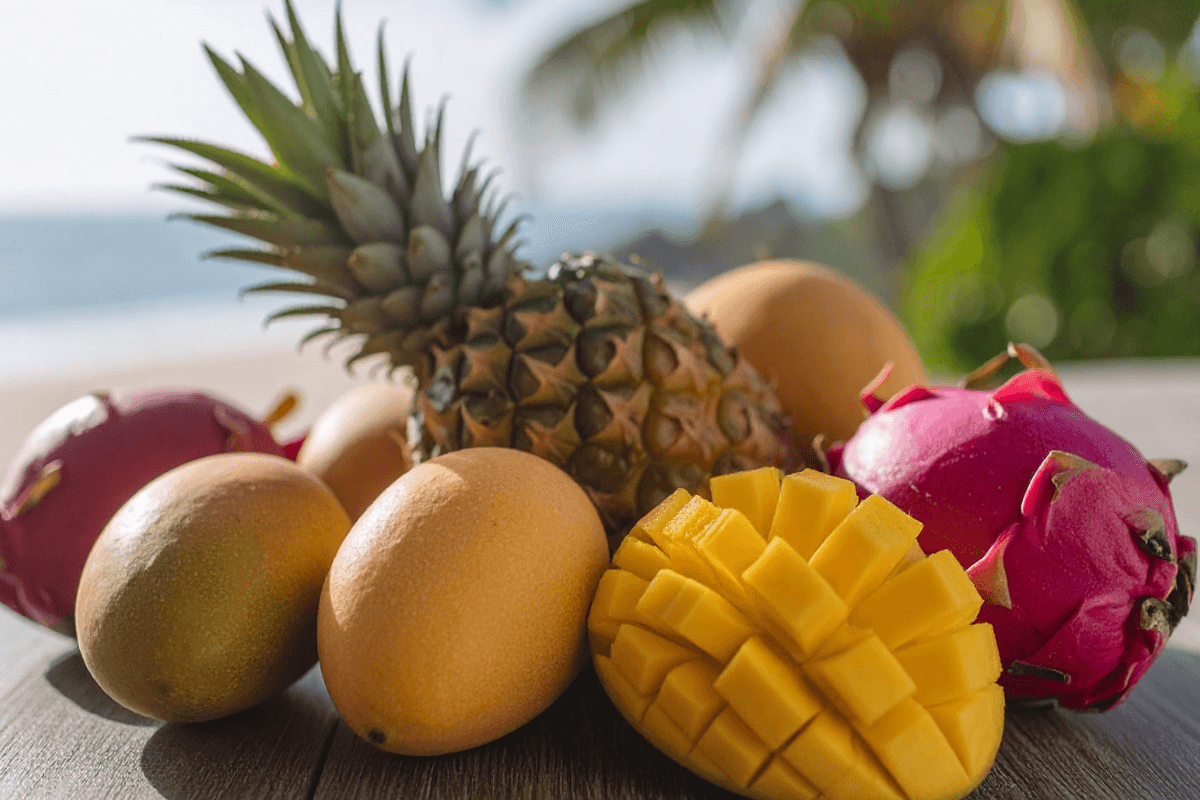
The worst fruits for diabetics are usually not whole fruits eaten in modest portions. The bigger concerns are fruit juice, dried fruit, canned fruit in syrup, large smoothies, and oversized servings of higher-carbohydrate fruits. These choices can raise blood glucose faster because they concentrate carbohydrate, remove fiber, or make it easy to consume several servings at once.
That does not mean fruit is off limits. Fruit provides carbohydrate, fiber, water, vitamins, and minerals. For people with diabetes, the safer question is how the fruit is prepared, how much you eat, and what else is in the meal.
Key Takeaways
- Whole fruit can fit: many people with diabetes can include fruit in a meal plan.
- Form matters most: juice, dried fruit, syrup-packed fruit, and large smoothies deserve more caution.
- Portions change impact: the same fruit may fit well at one serving and cause problems at another.
- Swaps can help: berries, citrus, smaller apples, and measured portions often give more flexibility.
- Medication context matters: review major carbohydrate changes if you use insulin or medicines that can cause lows.
Worst Fruits for Diabetics: What the Phrase Really Means
Worst Fruits for Diabetics is a common search phrase, but it can be misleading. A fruit is not harmful simply because it tastes sweet. The practical issue is how quickly and how much carbohydrate reaches your bloodstream after you eat it.
Whole fruit usually contains fiber and water. Those parts add volume and slow eating speed. Juice removes much of that built-in portion control. Dried fruit removes water, so a small handful can contain the carbohydrate of several pieces of fresh fruit. Canned fruit in syrup can add sugar beyond the fruit itself.
There is also no single number one enemy food for diabetes. Repeated large carbohydrate loads, sugar-sweetened drinks, low-fiber meals, missed monitoring, illness, and medication timing can all affect readings. The useful question is how a food fits your overall pattern. For more fruit-focused context, see Fruits for Diabetics to Avoid.
Why it matters: Fruit choices become easier when you compare carbohydrate, fiber, and portion together.
Fruit Forms That Deserve the Most Caution
The highest-risk fruit choices for glucose spikes are usually concentrated forms. These are not toxic foods. They simply leave less room for error when portions are large or eaten alone.
| Fruit form or habit | Why it can be harder | More flexible swap |
|---|---|---|
| Fruit juice | It is easy to drink several fruit servings quickly, often with little fiber. | Choose whole fruit, or keep juice portions small if your care plan allows. |
| Dried fruit | Raisins, dates, dried mango, and dried cranberries pack carbohydrate into a small volume. | Measure a small portion and eat it with a balanced meal or snack. |
| Canned fruit in syrup | Syrup can add sugar beyond the fruit itself. | Choose fruit packed in water or its own juice, then drain it. |
| Large smoothies | Blending can combine several servings and make drinking fast. | Use one fruit serving and avoid sweetened add-ins. |
| Oversized servings of grapes, mango, ripe banana, pineapple, or watermelon | These fruits can fit, but large portions can add carbohydrate quickly. | Measure a serving and balance the rest of the meal. |
If you want a short list of the 5 worst fruits to eat for diabetics, think in patterns rather than permanent bans: fruit juice, dried fruit, syrup-packed fruit, oversized smoothies, and very large servings of higher-carbohydrate fruit. That approach is more accurate than telling every person to avoid the same five fruits forever.
Glycemic index, or GI, ranks how quickly a carbohydrate food may raise glucose. Glycemic load adds the amount eaten, which is often more useful at the plate. Watermelon, for example, has a higher GI, but it also contains a lot of water. A measured serving may fit for some people, while a large bowl may not. For a deeper look at lower-GI choices, see Low GI Fruits.
How Much Fruit Can Fit in a Day?
No single fruit limit works for every person with diabetes. Daily fruit intake depends on your carbohydrate target, medicines, activity level, appetite, kidney health, pregnancy status, and glucose patterns.
A common diabetes education approach counts total carbohydrate, not only added sugar. Many meal plans treat about 15 g of carbohydrate as one carbohydrate choice, but your personal target may differ. That is why the question is not only how much fruit can a diabetic eat in a day. It is how much fruit fits within the meal, the day, and the treatment plan.
Counting fruit as carbohydrate can make portions easier to compare. This tool estimates carb servings by dividing total carbohydrate by a serving target. It is a math aid, not a meal prescription.
Carb Serving Calculator
Convert total carbohydrate grams into carb choices for meal planning and diabetes education.
These calculations are for education only and do not replace clinical advice, diagnosis, or treatment. Always confirm medical decisions with a qualified healthcare professional.
Use the calculator to compare labels or serving sizes. If you use insulin, sulfonylureas, or other medicines that can cause hypoglycemia (low blood sugar), ask your clinician before making major carbohydrate changes. Reducing fruit too aggressively can matter when medicines were planned around your usual intake.
Practical portion cues
- Start with labels: packaged fruit varies by brand and syrup type.
- Measure dried fruit: small handfuls can contain more carbohydrate than expected.
- Check bowl size: one bowl may hold several servings.
- Watch drink portions: juice and smoothies are easy to overconsume.
- Compare patterns: repeated glucose trends matter more than one reading.
Better Fruit Choices and Smart Swaps
The best fruit for diabetes is usually the fruit you can portion, enjoy, and fit into your glucose goals. Lower-sugar fruits for diabetics often include berries, citrus, peaches, plums, kiwi, and smaller apples or pears. These are not magic foods. They are simply easier for many people to portion because they offer fiber, water, and moderate carbohydrate amounts.
Useful swaps depend on the original choice. Swap a large glass of juice for a whole orange. Swap a bowl of raisins for a measured serving of berries. Swap canned peaches in syrup for peaches packed in water. Swap a fruit-only smoothie for a smaller blend with one fruit serving and an unsweetened protein source, if that fits your plan.
Low-sugar fruits and vegetables are often grouped together, but they do not work the same way nutritionally. Nonstarchy vegetables usually contain less carbohydrate per serving than fruit. They can add meal volume with less glucose impact. Fruit still contributes natural sugars and should be counted when your plan uses carbohydrate targets.
If you want more examples of flexible choices, compare this page with Best Fruits for Diabetics and What Fruits Are Good for Diabetics. Reading both angles can help you build a balanced list instead of a fear-based one.
Higher-Sugar Fruits Are Not Always Off Limits
High sugar fruits can still fit for some people when the portion is planned. Mango, grapes, pineapple, ripe banana, and watermelon often raise concern because their carbohydrate can add up quickly. The issue is usually the amount eaten, not the fruit name alone.
Ripeness can also matter. A very ripe banana may taste sweeter and may be easier to eat quickly than a smaller, less ripe portion. Grapes are another example. They are small, convenient, and easy to snack on without measuring. A cup and a half of grapes is very different from a small counted serving.
Dry fruit needs special attention. A list of dry fruits for diabetics to eat should focus on measured portions and unsweetened options, not unlimited grazing. Raisins, dates, prunes, apricots, and dried figs can all contribute carbohydrate in a compact serving. Some dried fruits also contain added sugar, so labels matter.
Quick tip: Plate or measure fruit before eating instead of snacking from a bag.
Special Situations That Need Individual Guidance
Fruit decisions become more sensitive when glucose readings are often above target, when medicines can cause lows, or when another condition changes digestion or carbohydrate needs. People with type 2 diabetes may notice that the same fruit affects morning, afternoon, and evening readings differently.
Pregnancy deserves separate guidance. Gestational diabetes often uses specific meal timing and carbohydrate targets. Fruit may still fit, but breakfast portions and juice choices often need closer review from a clinician or registered dietitian.
Kidney disease, gastroparesis (delayed stomach emptying), eating disorders, frequent hypoglycemia, and intensive insulin therapy are also reasons to avoid one-size-fits-all fruit rules. Ask for individualized guidance if fruit restriction is making meals feel unsafe, rigid, or confusing.
Be cautious with claims that a bedtime drink will lower blood sugar. Water can support hydration, but no drink reliably fixes high glucose overnight. Repeated high bedtime readings, vomiting, confusion, dehydration symptoms, or ketones when you have been told to check them need medical guidance.
For broader diabetes reading, the Diabetes Articles collection can help you review related topics. The Diabetes condition page is a browsable collection for diabetes-related products and navigation, not a substitute for care advice.
How to Learn Your Own Fruit Response
Your own glucose data can be more useful than a generic fruit ranking. If your care team recommends home monitoring, compare similar fruit portions under similar conditions.
Start by writing down the fruit, portion, timing, and meal context. Note whether the fruit was whole, dried, juiced, canned, or blended. A fruit eaten after a high-carbohydrate meal may look different from the same fruit eaten with protein, fat, and nonstarchy vegetables. Stress, illness, sleep, and activity can also change readings.
If you use a continuous glucose monitor, look for repeated patterns rather than reacting to one spike. If you use fingerstick checks, follow the timing recommended by your care team. Bring food notes and glucose patterns to appointments when you need help interpreting results.
A practical Worst Fruits for Diabetics approach should make decisions calmer. Ask: Was the portion too large? Was fiber removed? Did the meal already contain enough carbohydrate? Did medication timing, activity, or illness change the response? These questions are more useful than labeling one fruit as always safe or always harmful.
Putting Fruit Choices Into Everyday Meals
Evidence-based fruit choices for diabetes usually come down to three factors: total carbohydrate, fiber, and serving size. Whole fruit with a measured portion tends to be easier to fit than juice or dried fruit. Lower-carbohydrate fruits may give more flexibility, but they still need to fit the meal.
Try pairing fruit with foods that add protein, fat, or fiber when that fits your plan. Examples include berries with plain yogurt, apple slices with nut butter, or citrus alongside a meal. These pairings are not guaranteed to prevent a rise, but they often make the meal more balanced.
Fruit can also support a diabetes-friendly eating pattern when it replaces less useful sweets. For more context on why fruit is not automatically excluded, read Fruit in a Diabetes-Friendly Diet.
Used this way, Worst Fruits for Diabetics becomes a label-reading and portion-planning question. It does not need to become a fear-based food list. If fruit choices are causing repeated highs, lows, or anxiety around eating, bring your records to a registered dietitian or diabetes clinician.
Authoritative Sources
- The American Diabetes Association fruit guidance explains how fruit can fit into diabetes meal planning.
- The CDC healthy eating resource outlines diabetes meal planning basics and carbohydrate awareness.
- The NIDDK healthy living with diabetes resource covers eating patterns, activity, and self-management basics.
This content is for informational purposes only and is not a substitute for professional medical advice.