
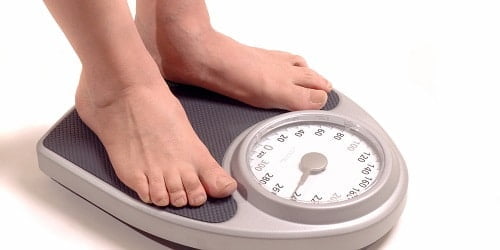
Actos and weight gain are linked, but not every pound means the same thing. Pioglitazone may cause weight change through a mix of fluid buildup, shifts in fat storage, and better blood sugar control that reduces calorie loss in urine. Why this matters: a gradual rise can be very different from sudden swelling, shortness of breath, or a fast jump on the scale, which may point to edema (swelling from trapped fluid) and deserves prompt medical review.
Actos is the brand name for pioglitazone, an oral medicine used in type 2 diabetes care. Below, you will find the main mechanisms, common risk factors, warning signs, and practical ways to prepare for a medication review. For wider background, browse the Type 2 Diabetes Hub or compare listed options in the Type 2 Diabetes Medications hub.
Key Takeaways
- Pioglitazone may raise weight through both tissue changes and retained fluid.
- Gradual scale increases are different from rapid swelling or breathing symptoms.
- Heart failure history, preexisting edema, and some drug combinations can raise concern.
- Tracking weight, swelling, and timing makes follow-up more useful.
- Pioglitazone is not a weight-loss medicine, and other classes affect weight differently.
This platform refers prescriptions rather than dispensing medications itself.
Actos and Weight Gain: Why It Happens
Actos can lead to weight gain because it changes how the body responds to insulin and how it handles fluid. Pioglitazone belongs to the thiazolidinedione class, a group of insulin-sensitizing drugs. At a high level, it activates PPAR-gamma, a receptor involved in insulin sensitivity and fat-cell behavior. That can improve glucose handling, but it can also change what happens on the scale.
Metabolic changes
One reason weight may increase is that better blood sugar control can reduce the amount of glucose lost in urine. Before treatment, some people with higher glucose levels may be losing calories that way without noticing it. Once control improves, the body may keep more of those calories. Research also suggests pioglitazone can influence where fat is stored, with some change shifting toward subcutaneous fat, or fat stored under the skin, rather than deeper fat around organs. That does not make the gain harmless, but it helps explain why the mechanism is more complex than simple overeating.
Fluid-related changes
Another important pathway is water retention. Pioglitazone can make the body hold on to more sodium and water, which may show up as puffiness in the ankles, tighter shoes, rings that suddenly feel snug, or a faster-than-expected increase on the scale. This part of pioglitazone weight gain deserves the closest attention because retained fluid can overlap with worsening heart failure in people who are already vulnerable.
Not everyone taking pioglitazone will notice a major change. The amount and timing vary, and some people see little difference while others notice swelling early. Baseline glucose levels, other medications, heart history, and general fluid balance all shape the experience. That is one reason generic advice can be misleading here.
Why it matters: A slow few pounds over months is not the same as rapid swelling over days.
For more general context on diabetes care, the Diabetes Articles hub and Diabetes Medications hub can help you place this side effect within a broader treatment picture.
When Weight Change Is Mild and When It Is a Warning Sign
The key distinction is speed, symptoms, and pattern. A mild, gradual increase without swelling or breathing changes may reflect a mix of body-composition change, less calorie loss in urine, lifestyle factors, or normal variation. By contrast, a quick rise paired with swelling, fatigue, or shortness of breath is more concerning for retained fluid.
Pioglitazone-related edema can show up in the feet, ankles, lower legs, or more generally as bloating and a heavy feeling. People often notice that socks leave deeper marks or that shoes fit differently by the end of the day. If weight rises quickly and you also feel winded while walking, need extra pillows to sleep, or notice chest pressure, that pattern needs faster medical assessment.
It also helps to look at trends, not isolated readings. Body weight naturally shifts from day to day based on meals, salt intake, hydration, travel, bowel habits, and menstrual cycle. A single higher number after a restaurant meal is not the same as a clear upward pattern with visible swelling. What matters most is a repeatable change plus new symptoms.
| Pattern | What it may suggest | What to do |
|---|---|---|
| Slow increase over weeks | Mixed causes, including tissue gain | Track the trend and discuss it at routine follow-up |
| Ankle or foot swelling | Possible edema or water retention | Contact your clinician sooner for review |
| Rapid gain with breathlessness | Possible fluid overload or worsening heart failure | Seek urgent medical assessment |
Not every symptom means an emergency, but this is not a side effect to brush off. Sudden swelling, trouble breathing, fainting, or chest pain should be treated as urgent. Even when symptoms are milder, a new pattern of swelling deserves discussion rather than wait-and-see guessing.
If symptoms are mild but persistent, the safest next step is usually a timely review rather than self-experimenting with skipped doses, extra water pills, or crash dieting. Those steps can hide the pattern a clinician needs to see.
Who May Be More Likely to Gain Weight or Swell
Risk is usually higher in people who already have factors that make fluid shifts harder to tolerate. That includes anyone with a history of heart failure, existing edema, or other conditions that affect how the body handles fluid. The final decision depends on the full clinical picture, but these are the situations where prescribers often review pioglitazone more carefully.
People who have already had leg swelling with other medicines may also need closer observation. The same is true when pioglitazone is added to a regimen that already includes insulin, because the combination can make both fluid-related symptoms and weight interpretation more complicated. Even if the medicine is otherwise working well, tolerability still matters.
Combination therapy matters too. Pioglitazone does not usually cause hypoglycemia (low blood sugar) on its own, but the risk can rise when it is used with insulin or certain older diabetes medicines. Those same combinations may also complicate the weight picture, because low blood sugar can lead some people to eat more to correct symptoms. In practice, it can become harder to tell whether the scale reflects fluid, calorie balance, or both.
Timing matters as well. Safety information advises careful monitoring after treatment starts and after dose increases because that is when weight gain and swelling may first become obvious. The same is true if other medicines are added, if activity drops sharply, or if a new heart or kidney issue appears. In short, the number on the scale is most useful when it is read alongside symptoms, medication changes, and medical history.
Where needed, prescription details may be confirmed with the prescriber.
Practical Steps Before Your Next Appointment
The most useful response is to document the pattern rather than guess the cause. Weight gain on Actos is easier to assess when you bring specific details instead of a general sense that something has changed. A short symptom log can help a clinician decide whether the change looks more like edema, body-composition change, or an unrelated issue.
What to track
- Scale trend: use the same scale and similar times of day.
- Shoe or ring fit: note new tightness or deeper sock marks.
- Breathing pattern: record shortness of breath, cough, or lying-flat discomfort.
- Leg swelling: note ankle puffiness or skin dents after pressure.
- Medication timing: write when pioglitazone started or changed.
- Routine changes: note major shifts in food intake or activity.
Bring a full medication list, including over-the-counter products and supplements. Ask whether the pattern looks more like edema or tissue gain, whether your heart history changes the risk calculation, and which symptoms should prompt same-day review. It can also help to ask how any combination therapy affects the chance of low blood sugar or added swelling. These are practical questions, not treatment demands, and they usually make the visit more productive.
Quick tip: A dated phone photo of ankle swelling can be more useful than memory alone.
Do not assume every increase is harmless, but do not stop a prescribed diabetes medicine on your own unless a clinician tells you to. Stopping and restarting therapies without guidance can confuse the picture and may worsen glucose control. The goal is a clear review of benefits, risks, and alternatives based on documented changes.
If your symptoms started soon after a dose change, mention that clearly. Timing can sometimes be more informative than the amount of weight itself. A simple note such as started three weeks after the new prescription or worse by evening gives much better clinical context than saying you just feel heavier.
Where Pioglitazone Fits Among Other Diabetes Medicines
Pioglitazone is one option in type 2 diabetes care, and its weight profile is different from several newer drug classes. It improves insulin sensitivity rather than directly suppressing appetite or slowing stomach emptying. That means it may still be appropriate for some people, but it is not designed as a weight-management drug.
That broader context matters because diabetes medicines are chosen for more than glucose alone. Some classes tend to be closer to weight-neutral, while others may be associated with weight loss or with weight gain. Some are oral pills, others are injections, and some are used mainly for blood sugar while others are also used in weight-management settings. A drug that fits one person’s priorities may be a poor fit for someone else with a different heart, kidney, or tolerability profile.
Other therapies can affect body weight in different ways. For a plain-language overview of one common class, see GLP-1 Explained. If you are comparing broader weight-related treatment categories, the GLP-1 Options overview, the Semaglutide Uses explainer, and the Weight Management Hub can help with background reading.
If you prefer browsing categories instead of long reads, the Weight Management Products hub and the Diabetes Products hub show related pathways at a high level. Treatment choice is never just about weight. Clinicians also weigh glucose goals, heart failure risk, kidney function, route of administration, tolerability, and how a therapy fits into the wider care plan.
Reading about newer agents online can make pioglitazone seem simple to replace, but medication choice is rarely that straightforward. Access, contraindications, previous response, route of administration, and overall goals all matter. Comparisons are helpful for understanding options, but they do not replace an individualized medication review.
Licensed third-party pharmacies handle fulfilment where regulations allow.
Safety Points That Deserve Special Attention
The biggest safety issue around pioglitazone-related weight change is not the scale alone. It is what the change may mean. New edema, rapid fluid accumulation, or worsening heart failure symptoms need a closer look because the medicine can add to fluid burden in susceptible people.
That is why clinicians often review recent weights together with symptoms, heart history, kidney function, and recent medication changes. Contraindications and cautions are broader than weight gain itself, so the real question is not only whether this medicine can raise weight. It is whether the current benefits still outweigh the risks for that person at this stage of treatment.
This does not mean every person with a few extra pounds is in danger. It means the pattern should be interpreted in context. A stable appetite with new ankle swelling tells a different story from increased snacking without edema. The goal of follow-up is to separate those possibilities, not to assume one explanation for every case.
When readers ask whether pioglitazone causes weight gain, the practical answer is yes, it can, but the cause may be mixed. That is why the next question should be what kind of gain is happening here. Distinguishing retained fluid from other causes is the part that most affects safety.
A good follow-up discussion may include whether the change started after initiation or dose escalation, whether swelling improves overnight or keeps progressing, and whether another therapy class would better match current goals. No single symptom proves the cause, but a rapid pattern with swelling or breathing changes deserves far more attention than appetite change alone.
Authoritative Sources
- Patient drug information from MedlinePlus on pioglitazone
- Clinical overview of pioglitazone in NCBI Bookshelf
- Official prescribing information provided by Takeda
In practice, weight change with pioglitazone is less about the number alone and more about the pattern behind it. Slow change may reflect several mechanisms, while rapid swelling or breathlessness needs faster review. Further reading through the diabetes and weight-management hubs above can help you put that discussion in context.
This content is for informational purposes only and is not a substitute for professional medical advice.


