
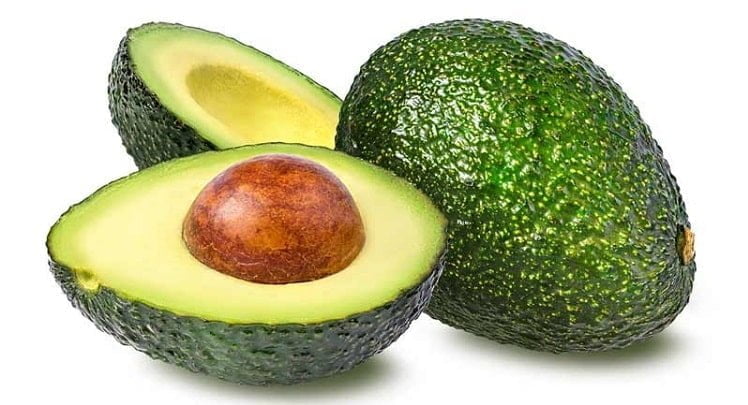
Avocado can fit into a diabetes eating pattern for many people. In avocado and diabetes, the evidence is most useful when you treat it as meal-planning context, not proof that one food treats high blood sugar. Avocado is low in digestible carbohydrate and provides fiber and unsaturated fat. That mix may soften the glucose rise from a meal, especially when avocado replaces higher-carbohydrate or less nutritious toppings. Portion still matters because avocado is calorie dense.
Key Takeaways
- Avocado is low in digestible carbohydrate and rich in fiber and unsaturated fat.
- Research suggests helpful associations with glucose and insulin markers, but it does not prove avocado treats diabetes.
- A practical serving is often about one-third of a medium avocado, though size varies.
- Meal context matters more than avocado alone, especially when bread, rice, chips, or fruit are included.
- People with kidney disease, gastroparesis, pregnancy, repeated lows, or changing medication routines should seek individualized guidance.
Avocado and Diabetes Evidence: What It Shows
The current evidence supports avocado as a reasonable food choice, not a stand-alone treatment. Avocado contains little sugar, a modest amount of total carbohydrate, and a larger share of fat than most fruits. Most of that fat is unsaturated, including monounsaturated fat. It also provides fiber, potassium, folate, and other micronutrients.
Research in this area includes observational studies and smaller nutrition studies. Observational studies can find links between avocado intake and markers such as fasting glucose, insulin levels, or diabetes risk. They cannot prove that avocado caused those results. People who eat avocado may also have different overall diets, activity patterns, incomes, or health habits.
That distinction matters. If avocado replaces refined starches, fried toppings, or large portions of saturated fat, the whole meal pattern may improve. If it is added on top of an already high-calorie meal, the effect may be different. This is why the best interpretation is practical and cautious: avocado can be part of a balanced eating pattern, but it is not a diabetes therapy.
A1C also needs context. A1C reflects average blood glucose over roughly two to three months. One food is unlikely to lower A1C on its own. A pattern that supports consistent carbohydrate intake, adequate fiber, appropriate medication use, activity, sleep, and weight goals may influence A1C over time. Avocado may contribute to that pattern, but it does not replace the rest of diabetes care.
Why Avocado Often Has a Smaller Glucose Effect
Avocado usually affects post-meal glucose less than foods rich in starch or sugar because it contains little digestible carbohydrate. Fiber and fat can also slow stomach emptying and digestion. This may reduce the speed of glucose absorption from a mixed meal. It does not mean avocado actively lowers glucose once levels are high.
The glycemic index is less useful for avocado than for foods such as bread, cereal, potatoes, or fruit. Glycemic index compares how carbohydrate-containing foods raise glucose after a standard amount of available carbohydrate. Avocado has so little available carbohydrate that its direct glucose effect is often small. The larger question is what else sits on the plate.
Why it matters: The same avocado portion can behave differently beside eggs, toast, rice, or tortilla chips.
If you monitor after meals, look for patterns rather than judging one reading. The Blood Sugar Normal Range Chart explains common glucose values, while How Often Should You Monitor Blood Sugar covers testing frequency as a care-planning topic. Your clinician may suggest different targets based on age, medications, pregnancy, other conditions, or hypoglycemia risk.
Avocado is not a treatment for low blood sugar. Because it has fat and fiber but little fast-acting carbohydrate, it is not appropriate for treating hypoglycemia. If lows happen repeatedly, especially with insulin or sulfonylurea medicines, discuss the pattern with a healthcare professional.
Portion Size Is the Main Planning Variable
For avocado and diabetes meal planning, portion size is usually the practical issue. Avocado is nutrient-dense, but it is also energy-dense. A small portion can add flavor, texture, and fullness. A large portion can add many calories before the rest of the meal is counted.
Nutrition values vary by avocado size and variety. The serving examples below are planning estimates, not rules.
| Avocado amount | How to think about it | Diabetes planning point |
|---|---|---|
| 1 to 2 thin slices | A small topping for eggs, salad, or chili | Adds texture with little carbohydrate impact |
| About one-third medium avocado | Often close to a 50 g serving | Provides roughly 80 calories, about 4 g carbohydrate, and about 3 g fiber |
| Half medium avocado | A larger meal portion | May fit when it replaces another fat or refined topping |
| Whole avocado | A high-calorie portion for many meals | Best planned intentionally, especially with weight or appetite goals |
Quick tip: Measure a usual portion once, then use that visual cue later.
When avocado sits beside toast, rice, beans, fruit, or milk, the carbohydrate count usually comes from those other foods. A carb-serving calculator can help estimate rough carb servings in the meal. It does not set your personal target or replace clinical guidance.
Carb Serving Calculator
Convert total carbohydrate grams into carb choices for meal planning and diabetes education.
These calculations are for education only and do not replace clinical advice, diagnosis, or treatment. Always confirm medical decisions with a qualified healthcare professional.
Use the result as a comparison tool. For example, avocado on whole-grain toast is a different meal from avocado with eggs and non-starchy vegetables. If carbohydrate targets are part of your plan, a registered dietitian can help match those targets to medications, activity, and glucose patterns.
Meal Tips That Keep the Whole Plate in View
This is where avocado and diabetes can be misunderstood. Avocado may be a helpful ingredient, but it does not make every meal diabetes-friendly. The benefit depends on the full plate, the portion, and what the avocado replaces.
For broader meal structure, Diabetes Diet reviews common food-planning principles. If you are starting from scratch, How To Start A Diabetic Diet covers basic steps such as meal timing, label reading, and carbohydrate awareness.
Breakfast and snacks
Avocado can work at breakfast when the rest of the meal has a clear carbohydrate plan. It may be spread thinly on toast, sliced beside eggs, or added to a vegetable omelet. If breakfast tends to raise your glucose, compare the bread, cereal, juice, or sweetened coffee before blaming the avocado. For more morning options, see Type 2 Diabetes Breakfast Ideas.
For snacks, avocado often pairs better with vegetables, lean protein, or a small whole-grain serving than with large portions of chips. Guacamole can be reasonable, but the dippers often drive the carbohydrate and sodium load. Try cucumber rounds, peppers, or a small planned serving of whole-grain crackers if those fit your plan.
Lunch and dinner
At lunch, avocado can replace mayonnaise, creamy dressings, or cheese in some meals. It can also add satisfaction to salads that otherwise feel too light. At dinner, it can top chili, soup, grilled fish, chicken, or bean bowls. The highest glucose impact usually comes from rice, tortillas, potatoes, sweet sauces, or large grain portions.
Fruit pairings also need context. Avocado is botanically a fruit, but its nutrition profile differs from most sweet fruits. If you are comparing fruit choices, Low GI Fruits explains how fiber, ripeness, and portion size can affect glucose response.
When Some People Need a Cautious Approach
Some clinicians advise caution with avocado not because it is banned, but because individual health details can change the trade-offs. The most common concerns are calories, potassium, fat tolerance, and medication-related glucose changes.
- Kidney disease: Avocado contains potassium, so people on potassium limits need individualized advice.
- Gastroparesis: Fat and fiber may worsen fullness, nausea, or delayed stomach emptying in some people.
- Weight goals: Large portions can add calories quickly, even from nutritious foods.
- Hypoglycemia risk: Reducing carbs without medication guidance can raise low-glucose risk for some insulin or sulfonylurea users.
- Allergy or intolerance: Mouth itching, hives, swelling, vomiting, or breathing symptoms need prompt medical attention.
Pregnancy is another situation where individualized carbohydrate planning matters. The Gestational Diabetes Diet resource explains why meal timing, carbohydrate distribution, and monitoring often become more structured during pregnancy.
Do not use avocado seed tea, extracts, or supplements as diabetes treatment. Human safety and effectiveness evidence is limited, and supplement quality can vary. No fruit or plant product should replace prescribed medication, monitoring, or medical care.
If you have repeated lows, fasting lows, or symptoms such as sweating, shakiness, confusion, or severe headache, seek care guidance. Fasting Hypoglycemia explains common causes and why patterns should be reviewed, especially when medication is involved.
How to Interpret Your Own Response
Your own glucose response is usually more useful than a generic food ranking. Two people can eat similar avocado meals and see different readings because medication timing, insulin sensitivity, stress, sleep, activity, and meal composition all matter.
Consider the before-and-after pattern. If avocado toast raises glucose, the bread portion may be the main driver. If a salad with avocado keeps you full but leaves you low later, the meal may not have enough planned carbohydrate for your medication or activity level. If glucose remains high after most meals, the issue may involve medication, illness, insulin resistance, or overall carbohydrate load.
Insulin resistance also changes how meals behave. Avocado does not fix insulin resistance, but replacing refined carbohydrates with meals higher in fiber, unsaturated fat, and protein may support broader nutrition goals. The Insulin Resistance Diet resource covers that wider pattern.
In practical terms, avocado and diabetes work best when the food is used deliberately. Choose a portion, account for the other carbohydrates, and watch your own response if monitoring is part of your plan. If readings are repeatedly above or below your target range, ask your clinician or registered dietitian for individualized adjustments rather than changing medication on your own.
Authoritative Sources
- American Diabetes Association food and nutrition guidance
- USDA FoodData Central nutrient database
- PubMed Central study on avocado intake associations
This content is for informational purposes only and is not a substitute for professional medical advice.


