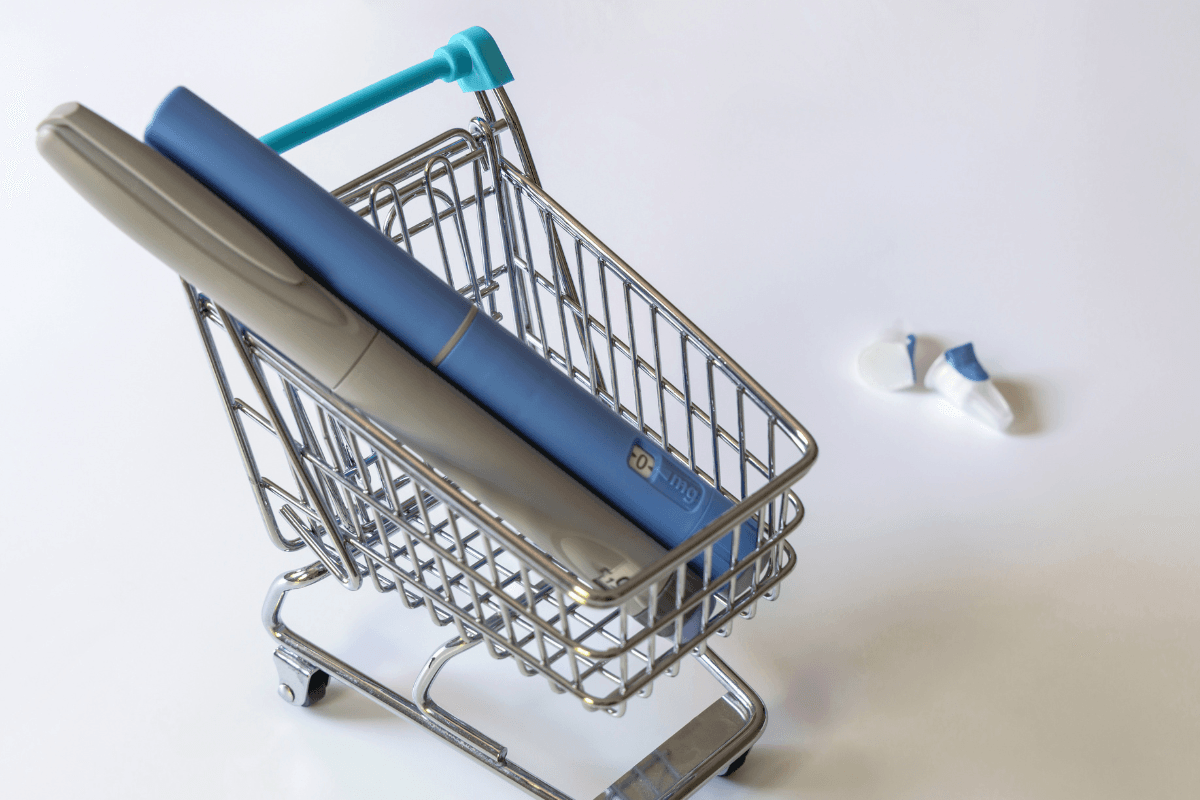
Understanding the Apidra generic name helps you compare treatments and talk clearly with your care team. This rapid-acting insulin supports mealtime glucose control and correction doses. We outline how it works, who may benefit, and what to consider with alternatives. You will also find safety tips, device options, and practical administration guidance.
Key Takeaways
- Generic identity: insulin glulisine, a rapid-acting mealtime insulin.
- Onset and peak: quick start with short action, used around meals.
- Safety first: hypoglycemia risk, interaction checks, and monitoring.
- Alternatives: aspart and lispro offer similar rapid coverage.
- Devices: SoloStar pens and vials support different dosing needs.
Apidra Generic Name
Apidra is a brand of rapid-acting insulin used for prandial (mealtime) glucose control. Its generic identity is glulisine, which belongs to the short-acting analog class. Many labels list both the brand and nonproprietary names. Using the correct term helps you compare options across countries and manufacturers.
In everyday use, clinicians may say rapid analog or mealtime insulin to describe this therapy. Those phrases refer to the medication’s role rather than its chemical identity. When discussing prescriptions, confirm both the brand and nonproprietary names to prevent dispensing errors. This simple step supports clear communication and safe substitution.
How It Works and Timing
This agent is engineered to absorb quickly from subcutaneous tissue. That rapid entry helps it match post‑meal glucose rises. The prescribing information outlines onset, activity window, and dose timing with meals, which guides safe use. These pharmacokinetic traits make it suitable for flexible eating patterns when used with carbohydrate counting.
Clinically, the apidra mechanism of action involves facilitating cellular glucose uptake by activating insulin receptors. People often dose shortly before meals, with adjustments for pre‑meal glucose and carbohydrate load. Peak effect is brief, so late snacks or extended meals may require tailored strategies. For a deeper overview of post‑meal coverage, see Understanding Apidra Insulin for timing context and examples.
Indications, Contraindications, and Precautions
This insulin is indicated for adults and children with type 1 diabetes and for adults with type 2 diabetes who require rapid mealtime coverage. It is typically part of a basal‑bolus regimen or used with pumps under specialist guidance. Patient education focuses on hypoglycemia prevention and recognizing early symptoms. Monitoring plans often include pre‑ and post‑meal checks and continuous glucose data when available.
Common apidra contraindications include episodes of hypoglycemia and hypersensitivity to components. Additional precautions cover dose timing around meals, pump stability, and interactions that may alter insulin effect. For a patient‑friendly summary of warnings, the MedlinePlus overview provides neutral safety details. For broader therapy selection, see our Insulin Landscape Guide to understand how rapid analogs fit among other types.
Dosing Basics and Titration Concepts
Dosing is individualized. Clinicians typically consider body size, eating patterns, insulin sensitivity, and concurrent therapies. Carbohydrate counting and correction dosing guide mealtime adjustments. Because variability is common, conservative changes and careful glucose review are standard. For readers new to adjustment methods, our Apidra Uses article explains common scenarios and goals.
Discuss apidra dosage with your prescriber when meals vary or activity increases. Many teams use a carbohydrate ratio for meal coverage and a correction factor for high readings. Digital logs and connected meters can improve accuracy and recall. For additional savings and access considerations, see Apidra Coupon Tips if you want practical cost‑reduction strategies.
Administration and Delivery Devices
This medication is given by subcutaneous injection using pens, vials with syringes, or insulin pumps. Pens offer dialed dosing and portability for mealtime use. Vials can be cost‑efficient for fixed settings or pump refills. For device comparison and technique considerations, review Apidra SoloStar Features to understand pen usability points.
The route of administration, site rotation, and storage conditions all affect consistency. Protect insulin from extreme temperatures and follow discard timelines once opened; for storage thresholds, see Insulin Storage 101. If you use prefilled pens, Apidra SoloStar Pen outlines handling, priming, and dose dialing. People sensitive to pen needles may prefer shorter, finer needles; discuss options during training.
Side Effects and What to Watch
The most common apidra side effects relate to low blood sugar. Early symptoms can include shakiness, sweating, hunger, or fast heartbeat. Severe lows may impair thinking or consciousness, so confirm symptoms with a meter when possible. Keep a hypoglycemia plan and glucagon rescue per your clinician’s guidance. For pen‑specific reactions, see SoloStar Pen Side Effects to understand device‑related issues.
Injection site reactions may include redness, itching, or lipodystrophy (fat tissue changes). Rotate sites and avoid repeatedly using the same spot. Some medications raise or lower insulin needs, so share your full medication list at each visit. The FDA label details interactions and warnings; review the official prescribing information for authoritative safety language.
Comparing Alternatives and Class Peers
Rapid-acting analogs share similar roles but differ slightly in onset, duration, and formulation. Clinically similar options include insulin aspart and insulin lispro. Choice may depend on device compatibility, insurance, and individual response. If your clinician suggests switching, a brief overlap period of monitoring can help assess fit.
When considering Apidra vs Humalog, focus on timing, device options, and coverage needs. Some users notice subtle differences in mealtime flexibility or pump behavior. For a structured comparison, see Apidra vs. Humalog to review practical decision points. If your plan covers aspart products, our NovoRapid Vials page provides product specifics to discuss with your pharmacist.
Combining with Basal Insulins
Rapid-acting mealtime doses are often paired with a basal insulin to manage fasting and between‑meal needs. This basal‑bolus framework provides full‑day coverage with adjustable meals. The American Diabetes Association describes how basal and bolus components complement each other; see the ADA insulin basics page for an overview. Pairing choices may include glargine, detemir, or degludec depending on goals and access.
Many people ask about apidra and lantus together when building a regimen. These agents cover different roles and are commonly used in a coordinated plan. For product details on a glargine option, see Lantus Cartridges if you’re reviewing basal choices with your clinician. Those on pumps should confirm compatibility and stability before making changes.
Practical Use: Meals, Activity, and Sick Days
Meal content, timing, and activity patterns can shift insulin needs from day to day. Keeping consistent pre‑meal checks and recording carbohydrate estimates can reveal trends. Activity may lower insulin requirements, especially after intense exercise. Planning small snack adjustments or dose timing changes in advance may help reduce fluctuations.
Illness often raises glucose and may increase rapid insulin needs. Hydration, ketone checks for type 1 diabetes, and more frequent monitoring support safety. Work from a written sick‑day plan created with your care team. For broader context on prandial flexibility, see Apidra and Mealtime Flexibility for practical examples.
Coverage, Access, and Cost Factors
Formulary rules and device coverage often drive selection between rapid‑acting analogs. Discuss preferred pens, vial sizes, and compatible needles with your pharmacist. If out‑of‑pocket costs are limiting, manufacturer assistance and coupons may help. We collected practical approaches in Apidra Coupon Tips to support budget planning.
Device familiarity and training can also reduce waste and improve dose accuracy. If you are comparing pen features, Apidra SoloStar Features highlights ease‑of‑use points. For a broader pharmacology refresher across classes, see our Insulin Landscape Guide before your next medication review.
Recap
Rapid‑acting mealtime insulin supports post‑meal control and flexible eating. Knowing the generic identity, timing profile, and device choices helps you compare options. Discuss dosing concepts, safety steps, and alternative analogs with your clinician. Consistent monitoring and careful adjustments support steady day‑to‑day management.
Note: Always confirm brand and nonproprietary names on labels to avoid substitution errors.
This content is for informational purposes only and is not a substitute for professional medical advice.