
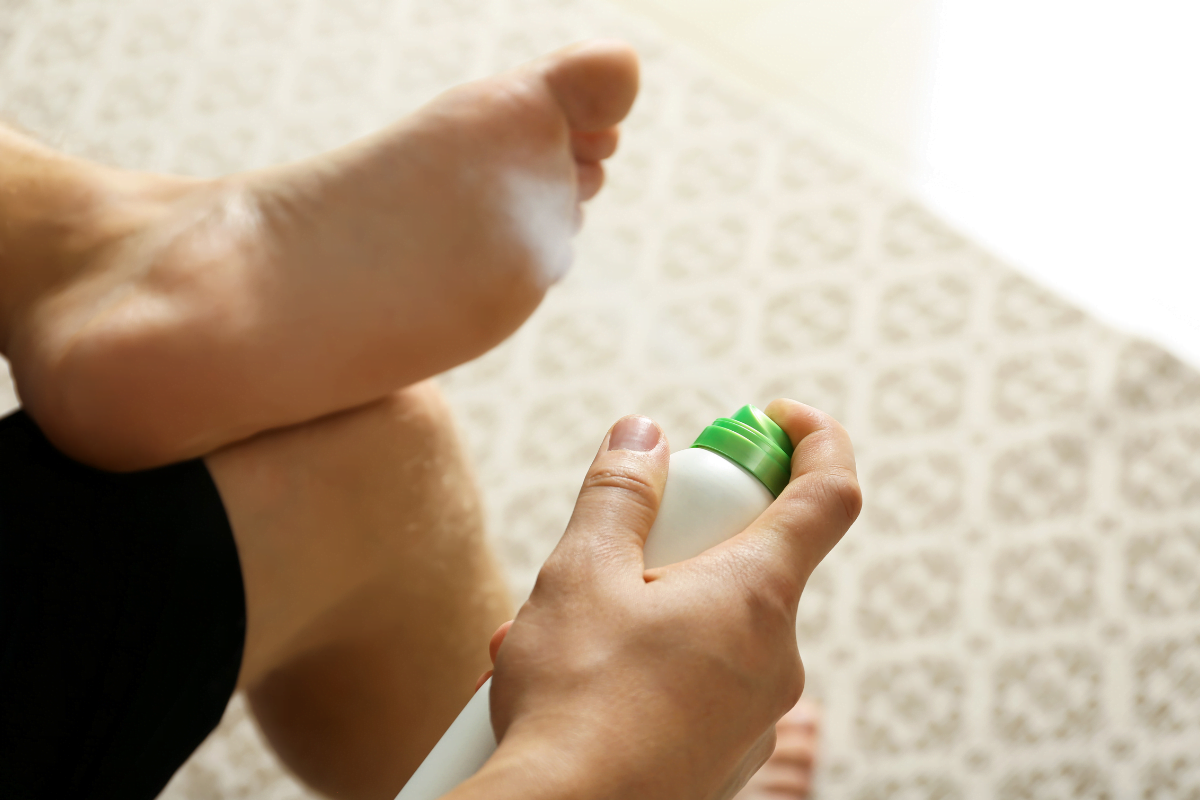
Diabetes and fungal infections are linked because higher blood glucose, moisture, circulation changes, and slower immune responses can make yeast and skin fungi easier to grow. The main goal is early recognition: treat small rashes before they spread, protect the feet, and ask for care when symptoms are painful, recurrent, or slow to clear.
Key Takeaways
- Higher risk: High glucose and damp skin help fungi grow.
- Common sites: Feet, nails, groin, skin folds, mouth, and genitals are frequent areas.
- Early action: Mild rashes often respond better before skin breaks down.
- Foot priority: Daily checks reduce missed cracks, peeling, and nail changes.
- Safety matters: Oral antifungals need interaction and liver-risk review.
Why Fungal Infections Are More Common in Diabetes
People with diabetes can get the same fungal infections as anyone else, but several diabetes-related factors can raise the risk. High glucose can affect immune cell function and may increase sugar in sweat and skin secretions. Yeasts, especially Candida species, can thrive in warm, moist areas when those conditions persist.
Circulation changes can also slow healing. Nerve damage, called neuropathy, may reduce pain or itch signals in the feet. That means athlete’s foot, cracked skin, or a thickened toenail may go unnoticed until the area worsens. This is why diabetes and fungal infections deserve a lower threshold for inspection and follow-up.
Moisture and friction matter as much as glucose. Tight shoes, synthetic socks, damp exercise clothes, skin folds, and occlusive wound dressings can trap sweat. Once the skin becomes softened or cracked, fungi can spread more easily. Bacteria can also enter through damaged skin, which raises the risk of cellulitis.
For broader condition context, the Diabetes collection can help you connect skin changes with day-to-day diabetes management. For rash-focused reading, the Dermatology collection offers related skin topics.
Why it matters: A small fungal rash can become a bigger foot or skin problem when sensation or healing is reduced.
How to Recognize Yeast, Athlete’s Foot, and Nail Fungus
Fungal skin problems often itch, burn, peel, or form red patches, but the pattern depends on the organism and body site. Candida is a yeast that commonly affects moist folds, the mouth, and genital areas. Dermatophytes are fungi that prefer keratin-rich areas such as feet, nails, groin, and body skin.
In skin folds, yeast may cause a bright red, moist rash with small dots near the edges. These outer spots are sometimes called satellite lesions. Under the breasts, in the groin, or between abdominal folds, the rash can sting and worsen after sweating. In the mouth, thrush may cause white patches, soreness, or altered taste.
Athlete’s foot, or tinea pedis, often starts between the toes. The skin may peel, crack, scale, or look white and soggy. Some cases affect the soles with dry scaling that resembles a moccasin pattern. Because diabetes fungal infection feet symptoms can overlap with eczema, dry skin, or bacterial infection, persistent or worsening changes need clinical review.
Toenail fungus, called onychomycosis, can thicken, yellow, loosen, or crumble the nail. Thick nails may rub against shoes and injure nearby skin. In people with diabetes, nail fungus is not only cosmetic. It can contribute to pressure points, ingrown nails, and secondary skin breaks.
Candida Versus Dermatophytes
Candida usually favors moist, occluded areas. Dermatophytes usually favor feet, nails, groin, scalp, and ring-shaped body rashes. Ringworm, or tinea corporis, often has a scaly advancing border with clearer skin in the center. When the pattern is uncertain, clinicians may use a potassium hydroxide test, often called a KOH prep, or send a culture.
Images can help you describe a rash, but they cannot confirm a diagnosis. Many searches for diabetic skin conditions pictures show problems that are not fungal, including diabetic dermopathy, eczema, psoriasis, allergic reactions, and bacterial cellulitis. If redness spreads, pain increases, or pus appears, review warning signs in Cellulitis And Diabetes and seek timely care.
Genital Yeast Infections, Thrush, and Transmission Questions
Genital yeast infections can occur in women and men with diabetes, especially when glucose runs high or after antibiotics. Symptoms may include itching, redness, burning, swelling, soreness with urination, or a thick discharge. Men may notice redness or irritation of the glans, foreskin, or groin area.
Diabetes and vaginal itching often leads people to suspect yeast, but other causes are possible. Irritation, bacterial vaginosis, sexually transmitted infections, low estrogen states, and skin conditions can feel similar. Recurrent symptoms, pelvic pain, unusual bleeding, sores, fever, or pregnancy should prompt medical evaluation rather than repeated self-treatment.
People also ask whether a diabetic man can give a woman a yeast infection. Yeast is not considered a classic sexually transmitted infection, but sexual contact can sometimes irritate tissue or share yeast between partners. If symptoms keep returning, both partners may need assessment for yeast, balanitis, medication factors, and glucose control.
For more focused self-care context, see Diabetes Yeast Infections. Practical prevention and recurrence strategies are also covered in Manage Yeast Infections.
Treatment Choices: Creams, Tablets, and Foot Care
Treatment depends on the infection site, severity, recurrence pattern, and medication safety. Mild localized rashes often start with topical antifungal creams, gels, or powders. Azole antifungals, such as ketoconazole or clotrimazole, can treat many yeast and tinea infections. Allylamines, such as terbinafine, are commonly used for dermatophyte infections like athlete’s foot.
The fastest safe way to improve body fungus is usually to match treatment to the likely organism and reduce moisture at the same time. Washing is helpful, but harsh scrubbing can worsen cracks. Drying the area carefully, changing damp clothing, rotating shoes, and avoiding tight occlusion support medication use.
Oral antifungals may be considered for widespread tinea, recurrent candidiasis, scalp involvement, or nail disease. They are not right for everyone. Liver disease, pregnancy status, heart rhythm risks, and drug interactions can change the decision. Clinicians individualize treatment of fungal infections in diabetic patients because the safest option depends on the whole medication list.
For medication-specific background, product pages such as Ketoconazole, Fluconazole, and Terbinafine can help readers compare drug classes with their prescriber. These pages should not replace diagnosis or dosing advice.
When Creams May Not Be Enough
Topical treatment may be less effective when the infection covers a large area, involves the nail, recurs often, or sits under thick skin. Toenails grow slowly, and thickened nails may need trimming or debridement by a podiatrist. People with diabetes should avoid cutting deeply into corners or digging under nails, especially if sensation is reduced.
Diabetic toenail fungus treatment often includes footwear changes, nail care, and sometimes oral therapy after safety review. If the nail edge is swollen, draining, or very painful, the issue may be more than fungus. Early podiatry input can reduce skin breakdown in higher-risk feet.
Quick tip: Use a separate towel for feet and wash it regularly.
Medication Safety and Interaction Checks
Antifungal safety varies by drug, route, and patient factors. Topical products usually have fewer whole-body effects, but they can still irritate skin. Oral azoles may affect liver enzymes and interact with several medicines, including some statins, warfarin, sulfonylureas, and heart rhythm drugs. Terbinafine can also carry liver-related warnings.
Many people ask, can diabetics take fluconazole? Some can, but it depends on the infection, other medicines, liver history, pregnancy status, and heart rhythm risk. Fluconazole can interact with drugs that lower glucose, which may increase the need for closer monitoring. A clinician or pharmacist should review the medication list before oral therapy.
Metformin is not generally known as a direct cause of yeast overgrowth. However, recurrent yeast infections can signal that glucose patterns, antibiotics, steroid use, immune status, or genital skin irritation need review. People taking SGLT2 inhibitors should also discuss recurrent genital yeast symptoms with their care team, since this drug class can increase glucose in urine.
If medication interactions are a concern, the Infectious Disease collection can support broader reading about infection treatment topics. For diabetes product browsing, the Diabetes Condition page is a navigation resource rather than a substitute for clinical advice.
Daily Prevention for Skin Folds, Feet, and Shoes
Prevention focuses on reducing moisture, friction, and missed skin changes. Good glucose management also supports normal immune function and healing, although it does not remove all infection risk. A consistent routine is more useful than occasional intensive skin care.
- Inspect daily: Check feet, between toes, nails, and skin folds.
- Dry carefully: Pat between toes and under folds after washing.
- Change damp fabric: Replace sweaty socks or clothing quickly.
- Rotate footwear: Let shoes dry fully between wears.
- Choose breathable layers: Moisture-wicking socks may reduce dampness.
- Protect folds: Use barrier products if friction causes chafing.
- Avoid shared tools: Do not share nail clippers, towels, or footwear.
- Seek nail help: Ask podiatry about thick, painful, or deformed nails.
Foot care deserves extra attention because numbness can hide early damage. Look for peeling, cracks, blisters, color changes, swelling, drainage, or new odor. The early stages can be subtle. If you are comparing type 2 diabetes feet changes, focus on what is new for you rather than relying only on online images.
For wound-risk context, see Diabetic Foot Ulcer. If rubbing or fluid-filled lesions are an issue, Diabetic Blisters explains friction reduction and skin protection.
When to Seek Care Promptly
Seek care promptly when a rash spreads quickly, becomes painful, or develops warmth, swelling, pus, red streaking, fever, or chills. These signs can suggest bacterial infection or a deeper problem. Foot symptoms deserve special caution if you have neuropathy, poor circulation, prior ulcers, kidney disease, or immune suppression.
Also seek assessment when over-the-counter treatment fails after about two weeks, symptoms keep returning, or the rash involves the face, scalp, nails, genitals, or a wound. Oral thrush, recurrent genital candidiasis, and repeated athlete’s foot can point to glucose patterns or medication factors that need review.
Fistulas are not a typical result of simple fungal skin infections. They are abnormal passages between organs or tissues and usually require medical evaluation. If drainage, deep pain, swelling, or recurrent abscesses occur, do not assume fungus is the cause.
Authoritative Sources
The CDC overview on diabetes and skin explains why fungal infections are common in people with diabetes and when skin changes need attention.
The CDC fungal diseases resource provides background on fungal illnesses, symptoms, and risk factors.
The FDA fluconazole label summarizes official warnings, interactions, and safety information for fluconazole.
Recap
Diabetes and fungal infections often meet where glucose, warmth, moisture, and slower healing overlap. The most useful approach is practical: inspect skin daily, keep high-risk areas dry, treat early rashes appropriately, and escalate when symptoms are painful, recurrent, draining, or slow to improve. Foot and nail changes deserve particular attention because small breaks can become larger problems.
This content is for informational purposes only and is not a substitute for professional medical advice.


