
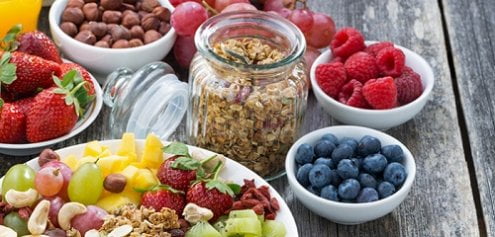
Finding the best diet for insulin resistance starts with consistent, sustainable habits. Focus on lowering overall glycemic load, increasing dietary fiber, and choosing lean proteins with unsaturated fats. Small weight changes and regular activity can improve insulin sensitivity over time, which is why the right eating pattern matters.
Key Takeaways
- Balanced plates: fiber-rich carbs, lean protein, healthy fats.
- Lower glycemic load helps stabilize post-meal glucose peaks.
- Meal timing and consistent portions reduce variability.
- PCOS often benefits from similar dietary principles and weight support.
Best Diet for Insulin Resistance
An effective plan emphasizes energy balance, fiber density, and minimally processed foods. Think whole grains, legumes, non-starchy vegetables, fruit in measured portions, lean proteins, and olive oil or nuts. These choices lower the glucose burden and help curb hyperinsulinemia (excess insulin). Weight reduction, even modest amounts, may improve glucose uptake in muscle and liver.
Authoritative guidance supports these fundamentals. For background on how insulin resistance develops and why weight loss matters, see the NIDDK overview on insulin resistance and prediabetes. For practical nutrition principles and macronutrient flexibility, review the nutrition guidance from the ADA Standards of Care. Pairing diet with physical activity further improves insulin sensitivity; for strategies that complement eating changes, see our explainer on Increase Insulin Sensitivity for a step-by-step overview.
Core Foods and Portions
Build a practical insulin resistance diet food list by grouping options: high-fiber carbs, lean proteins, and unsaturated fats. Use the plate method as a default. Fill half your plate with non-starchy vegetables, one quarter with protein, and one quarter with higher-fiber carbohydrates. Add a thumb-sized portion of healthy fat, like olive oil, nuts, or seeds.
Low-Glycemic Carbohydrates
Choose minimally processed carbs with intact fiber. Examples include steel-cut oats, quinoa, barley, lentils, chickpeas, black beans, berries, apples, and pears. These foods digest more slowly and produce gentler glucose curves. Pairing carbs with protein and fat further reduces spikes. Rotate cooked and raw vegetables: leafy greens, broccoli, cauliflower, peppers, zucchini, and tomatoes.
Lean Proteins and Healthy Fats
Include poultry, fish, tofu, tempeh, eggs, Greek yogurt, and legumes for protein. Favor unsaturated fats such as extra-virgin olive oil, avocado, almonds, and walnuts. Limit highly processed meats. Keep nuts and seeds portion-aware; they are energy-dense but metabolically helpful when measured.
Glycemic Load vs. Glycemic Index
Glycemic index ranks food by how quickly it raises blood glucose in isolation. Glycemic load factors in portion size, which makes it more practical in daily life. A reasonable approach uses both concepts while emphasizing whole-food meals. When comparing foods with similar carbs, fiber and preparation matter. For a data-driven perspective on insulin response beyond glucose alone, see our primer on the Food Insulin Index for context on testing considerations.
Practical Meal Building and Timing
If you are unsure what to eat for insulin resistance, start with consistent portions and a regular meal schedule. Most people do well with three structured meals, plus an optional protein-forward snack when needed. Eat similar carbohydrate amounts at comparable times to reduce variability.
Sample pattern: breakfast with steel-cut oats, chia, and Greek yogurt; lunch with a grilled chicken salad, quinoa, and olive oil vinaigrette; dinner with baked salmon, lentils, and roasted vegetables. Snack ideas include cottage cheese with berries or hummus with sliced peppers. For everyday recipes and balanced plates, browse our Diabetes Food Hub guide for curated ideas that suit various preferences.
Planning ahead helps. Pre-cook legumes and grains, wash vegetables, and portion nuts. Keep a running grocery list. If weight management is part of your goal, our article on Diabetes Weight Loss covers sustainable strategies that pair well with meal planning.
PCOS and Female-Specific Considerations
Insulin resistance often accompanies PCOS, amplifying weight challenges and cycle irregularity. The same principles—fiber-rich carbs, lean protein, and unsaturated fats—apply. Protein at breakfast may reduce mid-morning cravings. Strength training can aid lean mass, which supports glucose uptake in muscle.
For many, the best diet for pcos weight loss balances lower glycemic load with adequate protein and measured calories. Consider iron-rich foods if cycles are heavy, and monitor vitamin D status with your clinician. Women may notice improvements in energy, skin, and cycle regularity when sleep and stress also improve. If symptoms such as fatigue, increased waist circumference, or irregular cycles persist, coordinate testing with your provider.
Supplements and Medications: What Helps, What Doesn’t
Evidence for common supplements is mixed. Cinnamon, berberine, and inositol have preliminary data but variable quality and dosing. Supplements can interact with medications and may not be appropriate for everyone. For a neutral review of benefits and risks, see the NCCIH resource on diabetes and dietary supplements to understand current evidence limits.
Medications may be prescribed when lifestyle alone is not enough. Metformin can assist hepatic glucose output; extended-release Glumetza is one option when a clinician recommends it, and this link offers product specifics for context. SGLT2 inhibitors may be considered; Dapagliflozin information is provided to illustrate class effects and precautions. Medication discussions should be individualized and clinician-led.
How to Track Progress and Adjust
Use objective measures to confirm change. Weight is one metric, but not the only one. Waist circumference, fasting glucose, triglycerides, and HDL can help. Some people use CGMs or structured finger-stick checks to learn food responses. For clinical signs and testing context, our overview of Insulin Resistance Signs explains symptoms and common labs.
Look for early signs insulin resistance is reversing, such as steadier post-meal readings, fewer energy crashes, and smaller waist size. Plateaus happen. If progress stalls, review portions, liquid calories, and evening snacking. Consider adjusting carb distribution across meals, and increase fiber by 5–10 grams per day. If unclear, revisit your logs and discuss patterns with a professional.
Foods and Habits to Limit
Identify what are the worst foods for insulin resistance and reduce them consistently. Concentrated sweets, sugar-sweetened beverages, refined grains, and deep-fried items drive rapid glucose excursions and excess calorie intake. Alcohol can impair sleep and worsen nighttime glucose variability; if consumed, keep servings modest and with food.
For a structured list of items to limit, see our guide to Foods and Beverages to Avoid for category examples and swaps. For context on restaurant choices and meal timing, our explainer on Fast Food and Diabetes Risk outlines practical trade-offs and planning tips.
Frequently Missed Factors: Sleep, Activity, and Stress
Sleep deprivation can increase hunger hormones and worsen insulin signaling. Aim for consistent sleep hours and a dark, cool bedroom. Late-night eating may elevate fasting glucose the next morning; consider earlier dinners and a consistent routine. Short evening walks can blunt post-meal rises.
Resistance training increases muscle mass, which raises glucose disposal capacity. Even two 20–30 minute sessions weekly can help. On non-lifting days, add brief brisk walks. For a concise activity framework that pairs with nutrition, see Diabetes Weight Loss for a balanced, habit-first approach, and revisit Increase Insulin Sensitivity for training progression ideas.
Recap
Prioritize whole foods, steady portions, and a lower glycemic load. Combine fiber-rich carbohydrates with protein and healthy fats at each meal. Track objective markers, adjust gradually, and support your plan with activity and sleep. Small, consistent changes compound and can meaningfully improve metabolic health.
This content is for informational purposes only and is not a substitute for professional medical advice.


