
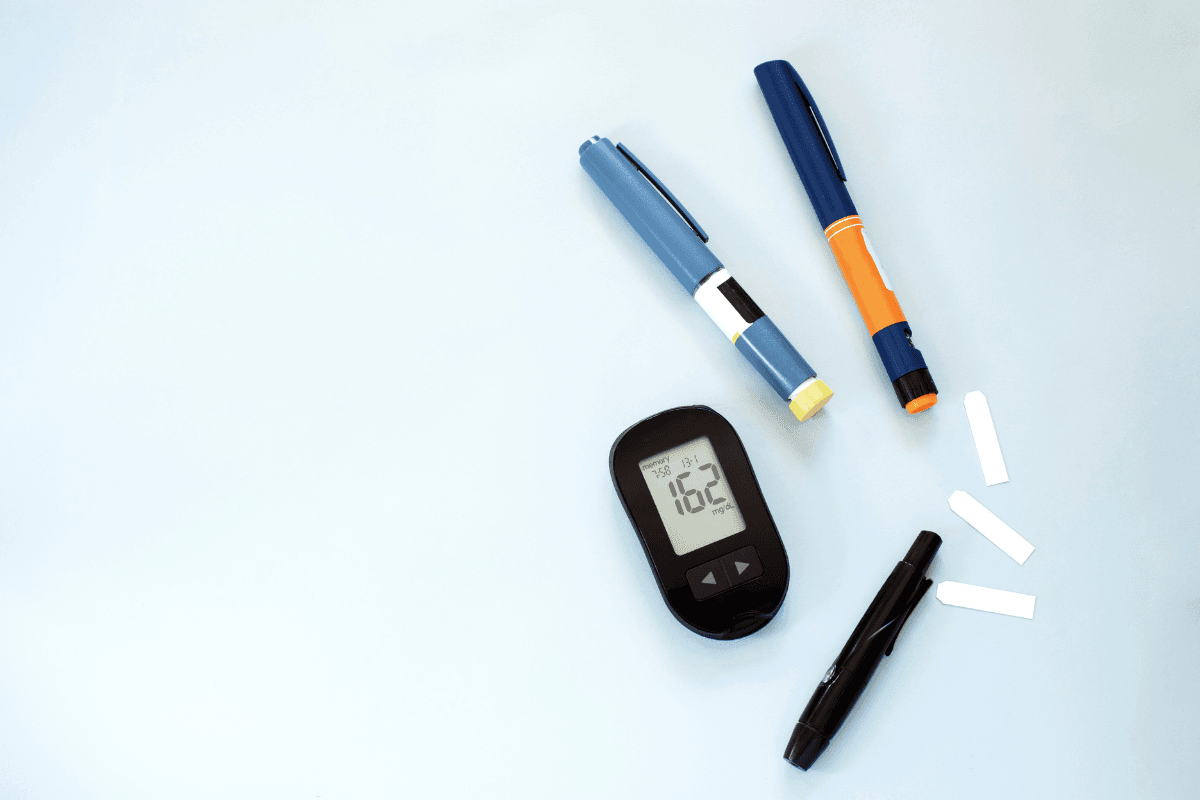
Basaglar vs Lantus is mainly a comparison of two long-acting insulin glargine products, not two separate insulin classes. Both provide basal insulin, which means background insulin coverage between meals and overnight. The practical differences usually involve device options, substitution rules, coverage, cost, and how a switch is monitored. You should not change between them, or change any insulin dose, without a prescriber’s plan.
Key Takeaways
- Same insulin type: both contain insulin glargine, a long-acting basal insulin.
- Different practical details: devices, prescriptions, coverage, and substitution rules can differ.
- Switching needs review: dose, timing, glucose logs, and low-glucose risk still matter.
- Cost is personal: coverage, formulary status, and access route can change out-of-pocket costs.
- Safety remains central: hypoglycemia is the main insulin risk to plan for.
How Basaglar vs Lantus Compares at a Glance
Both medicines are designed to provide steady basal insulin, but they are not always handled the same way at the pharmacy. Their shared active insulin type explains why clinicians often compare them closely. Their different brand names, devices, and regulatory status explain why a switch still deserves attention.
| Comparison point | What it means in daily care |
|---|---|
| Active insulin | Both contain insulin glargine, a long-acting basal insulin. |
| Role in treatment | Both help cover background glucose needs between meals and overnight. |
| Mealtime coverage | Neither replaces rapid-acting insulin used for meals or corrections. |
| Common concentration context | Both are often discussed as U-100 insulin glargine products; always confirm your exact label. |
| Device options | Available pens, cartridges, or vials may differ by country, prescription, and pharmacy access. |
| Switching process | A clinician-directed change differs from automatic pharmacy substitution. |
| Cost exposure | Your cost depends on coverage, formulary rules, pharmacy route, and local availability. |
The generic name for both brands is insulin glargine. That does not mean every presentation, device, or substitution rule is identical. It means the active insulin belongs to the same long-acting basal insulin category. For a broader view of names and duration patterns, see Long-Acting Insulin Names.
Why it matters: Similar insulin ingredients do not remove the need for a careful switching plan.
What They Have in Common
Basaglar and Lantus both contain insulin glargine, a long-acting insulin used for basal coverage. In plain terms, basal insulin helps cover glucose released by the liver when you are not eating. This is different from rapid-acting insulin, which is commonly used around meals or for correction dosing when prescribed.
Both products may appear in treatment plans for people with type 1 diabetes and for some people with type 2 diabetes when insulin is appropriate. They are not rescue treatments for diabetic ketoacidosis, and they do not act quickly enough to cover a meal. If your plan includes both basal and mealtime insulin, confirm which product is used for each role.
People often ask whether Lantus and glargine are the same. Lantus is a brand name for insulin glargine. Basaglar is also a brand name for insulin glargine. The shared generic name is important, but your prescription should still match the exact product and device your prescriber intends. For more brand-and-generic context, see Basaglar Generic Name.
Basal insulin timing can also raise questions. Insulin glargine is generally intended to provide prolonged background coverage rather than a sharp peak. Individual response can still vary with injection technique, illness, food intake, exercise, and other medicines. For Lantus-specific timing context, see Lantus Onset and Duration.
Where the Differences Show Up
The day-to-day differences are often practical rather than dramatic. A pen may feel different in the hand. A cartridge or vial may require different supplies. A formulary may prefer one product over another. A prescription may also specify whether substitution is allowed.
Device training matters because small technique changes can affect consistency. If you switch products, confirm the pen name, priming instructions, needle compatibility, storage directions, and discard timing from the official label or your care team. Do not assume that one insulin glargine package works exactly like another.
Some readers compare Basaglar KwikPen with Lantus SoloStar because pens are common in daily use. The most important point is not which device sounds easier. It is whether you were trained on the device you actually receive. If the pharmacy supplies a format you do not recognize, pause and ask before injecting.
Coverage rules can also create confusion. A plan may prefer one insulin glargine product, while a clinician may prefer continuity because your readings are stable. That is a practical discussion, not a brand loyalty issue. Bring recent glucose readings and your current package to the appointment so the change can be reviewed clearly.
Switching and Conversion: What Should Be Planned
A Basaglar vs Lantus conversion should start with the exact insulin name, concentration, device, current timing, and recent glucose pattern. Because both are commonly discussed as U-100 insulin glargine products, prescribers may compare units directly when moving between them. Still, the final plan should reflect your hypoglycemia risk, kidney function, other medicines, daily routine, and history of glucose variability.
Do not treat a switch as a do-it-yourself dosing calculation. Insulin needs can change for reasons that have nothing to do with the brand. Missed meals, illness, alcohol, steroid use, exercise changes, weight change, pregnancy, kidney disease, and injection-site problems can all affect glucose patterns.
Automatic substitution is a separate issue. The word interchangeable can have a regulatory meaning, especially for biologic medicines. A clinician may decide that changing from one insulin glargine product to another is appropriate. A pharmacist’s ability to substitute one for the other depends on local law, product status, and how the prescription is written.
Example: A person using a long-acting insulin pen learns that coverage now prefers another insulin glargine product. The safer next step is not to guess the dose. It is to ask whether the concentration is the same, whether injection timing changes, and which readings should be reviewed after the transition.
Keep a clear glucose log before and after any change. Note fasting readings, bedtime readings, symptoms, missed meals, unusual exercise, illness, alcohol use, and injection-site problems. This information helps your prescriber decide whether a pattern reflects the insulin change or another factor.
If your records use both mg/dL and mmol/L, a unit converter can keep readings consistent. It helps with unit conversion only and does not advise insulin dosing.
Blood Glucose Unit Converter
Convert glucose readings between mg/dL and mmol/L without changing the clinical value.
These calculations are for education only and do not replace clinical advice, diagnosis, or treatment. Always confirm medical decisions with a qualified healthcare professional.
Side Effects and Safety Signals to Watch
The main safety concern with any insulin is hypoglycemia, or low blood glucose. Symptoms can include shakiness, sweating, fast heartbeat, hunger, confusion, dizziness, headache, or unusual behavior. Severe lows can lead to seizures, loss of consciousness, injury, or death. Follow the low-glucose plan from your diabetes care team, and seek urgent help for severe or worsening symptoms.
Other possible insulin glargine side effects include injection-site reactions, itching, rash, swelling, weight gain, fluid retention, and changes in fat tissue under the skin. Rare allergic reactions can be serious. Low potassium is another label-described risk with insulin therapy, especially in people with added risk factors or interacting medicines.
Do not inject an insulin product during an active low blood glucose episode unless your clinician has given specific instructions for that situation. Also avoid using a product if you have had a serious allergy to that insulin or one of its ingredients. If a solution looks abnormal, the device is damaged, or the label does not match your prescription, contact a pharmacist or prescriber before using it.
Injection technique can affect comfort and consistency. Rotating sites may reduce the risk of lipodystrophy, which means changes in fat tissue under the skin. Repeatedly injecting into thickened or damaged areas may make absorption less predictable. Ask your care team to review site rotation if injections become painful or readings become harder to explain.
Basaglar vs Lantus safety discussions should also include medication interactions. Insulin effects can be influenced by other glucose-lowering medicines, steroids, some blood pressure medicines, alcohol, and illness. This does not mean those medicines cannot be used together. It means your prescriber needs the full medication list when reviewing an insulin change.
Cost, Coverage, and Access Questions
Basaglar vs Lantus cost is best understood as your personal out-of-pocket cost, not a universal ranking. One product may be preferred by one insurance plan and not by another. Deductibles, formulary tiers, refill limits, pharmacy rules, manufacturer programs, device format, and local availability can all change the final amount a person pays.
Ask whether a coverage-driven switch changes anything about your device, refill quantity, or monitoring plan. Also ask whether the prescription must name a specific brand or whether a therapeutically similar insulin glargine option is acceptable. These details can prevent confusion at the pharmacy counter.
Some people compare cash-pay options without insurance when coverage changes or deductibles are high. CanadianInsulin.com functions as a prescription referral platform, and prescription details may be confirmed with the prescriber when required. Dispensing and fulfilment are handled by licensed third-party pharmacies where permitted.
Product navigation can help you identify the exact format being discussed, but it should not replace a prescription review. Relevant examples include Basaglar Pens, Basaglar Cartridges, Lantus SoloStar Pens, and Lantus Vial. Use the label and your prescription to confirm the product, not the page title alone.
Quick tip: Keep old and new insulin packages separate until the switch is clear.
Closest Alternatives and Common Mix-Ups
The closest alternatives are usually other insulin glargine products, but the right comparison depends on why a switch is being considered. Semglee, for example, is another insulin glargine product in some markets. Toujeo is also insulin glargine, but it uses a different concentration, so it should not be treated as the same product. Levemir contains insulin detemir, and Tresiba contains insulin degludec.
These names matter because long-acting insulins are not all converted the same way. Concentration, duration profile, device, and patient factors all influence a safe plan. If your question is what insulin is closest to Lantus, the answer often starts with other insulin glargine products. It does not end there, because suitability depends on your diagnosis, readings, coverage, and safety risks.
Semglee is often discussed beside insulin glargine products because of biosimilar and interchangeable-product policies in some jurisdictions. For a focused comparison, see Semglee vs Lantus. For broader regulatory context, Biosimilar Insulin explains why biologic medicines require careful wording around similarity and substitution.
Rapid-acting insulin is a different category. It is usually used for meals or corrections, depending on the plan. Basal insulin is meant to provide background coverage. Mixing up these roles can create serious safety problems, so confirm the name and purpose of every insulin on your medication list.
Questions to Take to Your Prescriber
A structured conversation can make a switch safer and less stressful. Bring your current insulin package, device name, recent glucose readings, and a list of other medicines. Include supplements, steroid use, kidney disease, pregnancy, recent illness, and any history of severe hypoglycemia.
- Exact product: Which insulin name, concentration, and device are prescribed?
- Timing plan: Should my injection schedule stay the same?
- Monitoring plan: Which readings should I track after switching?
- Low-glucose plan: Which symptoms require urgent action?
- Device training: Do I need pen, cartridge, or vial instruction?
- Substitution wording: Does the prescription allow pharmacy substitution?
- Follow-up timing: When should my glucose log be reviewed?
Do not adjust insulin based only on online comparisons. Even when products are similar, your glucose response can change because of meals, exercise, illness, weight changes, kidney function, injection technique, or other medicines. Repeated highs, repeated lows, pregnancy, eating disorders, kidney disease, gastroparesis, or steroid treatment all deserve clinician review.
Use this Basaglar vs Lantus comparison as a framework for safer questions, not as a replacement for a treatment plan. Your care team can match the insulin choice to your diagnosis, glucose patterns, coverage constraints, and safety risks.
Authoritative Sources
The following sources support label-level and regulatory points about insulin glargine products, safety warnings, and biologic substitution language.
- Basaglar prescribing information from Lilly
- Lantus prescribing information from Sanofi
- FDA information on biosimilar and interchangeable biologics
The main decision is rarely whether one brand name sounds better. It is whether the product, device, concentration, access route, and monitoring plan fit your treatment needs safely.
This content is for informational purposes only and is not a substitute for professional medical advice.


