Key Takeaways
- Start low, adjust slowly: Use small changes guided by glucose logs.
- Once or twice daily: Choose a schedule that matches your patterns.
- Timing matters: Keep consistent dosing time to stabilize fasting levels.
- Safety first: Prevent hypoglycemia (low blood sugar) with measured adjustments.
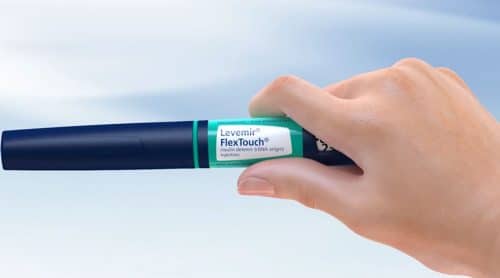
Levemir (insulin detemir) is a basal insulin (long-acting insulin) designed to cover background needs. Getting levemir dosage right takes structured starts, careful titration, and consistent timing. Your target is stable fasting and pre-meal numbers with minimal hypoglycemia. This guide outlines practical steps you can discuss with your diabetes care team.
Understanding Levemir Dosage in Context
Insulin detemir delivers a relatively flat, prolonged effect. Its duration may be shorter at lower doses and longer at higher doses, which is why some people need once-daily dosing while others benefit from twice-daily coverage. For pharmacology details, review the FDA label, which outlines duration and variability FDA label. Knowing this variability helps you interpret glucose patterns logically.
Basal insulin aims to hold glucose steady between meals and overnight. If fasting readings drift upward, background insulin may be insufficient. If overnight or fasting lows appear, the basal dose may be too high. For a primer on the medicine and its role, see Discover Levemir for a plain-language overview.
Starting Doses and Titration
Starting safely and adjusting methodically limits swings. A common clinical approach begins conservatively, then adjusts based on fasting readings over several days. Keep a daily log of fasting glucose, meals, activity, and any hypoglycemia. Trend lines, not single values, should guide changes.
Type 1 Diabetes
In type 1 diabetes, basal insulin typically represents a portion of the total daily dose, with the rest given as rapid-acting insulin at meals. Your healthcare professional may suggest titration using small steps every few days based on fasting trends. When clinicians discuss a levemir starting dose, they often consider body weight, prior insulin exposure, and hypoglycemia risk. The goal is a steady overnight curve without lows before breakfast.
Type 2 Diabetes
For type 2 diabetes, basal initiation often begins with a low daily dose and uses simple algorithms for gradual increases. Many protocols adjust by small increments every few days until fasting targets are met without lows. This measured approach helps reduce variability and builds confidence. For a broader discussion on stepwise changes, see Adjust Insulin Dose to learn adjustment frequency and rationale.
Once-Daily vs Twice-Daily Schedules
Some individuals do well with a single daily injection, especially when daytime and overnight control are similar. Others experience waning coverage before the next dose. In those cases, splitting into morning and evening can smooth the curve and reduce gaps. Talk with your clinician about your logs to decide which schedule suits your patterns.
If your profile shows late-day rises or early-morning climbs, consider levemir dosing twice daily to tighten the flatness of basal coverage. A product with a longer duration is another option for some patients; for comparison details, see Tresiba vs Levemir when exploring duration differences.
Timing: Morning, Bedtime, and Meals
Consistency matters more than the exact hour. Pick a clock time you can keep daily. Many prefer evening or bedtime to better influence fasting numbers. Others choose morning to align with routines and reminders.
People often ask about the best time to take levemir. The practical answer is the same time every day, chosen to match your lifestyle and monitoring. Review a week of fasting values after any timing change to check its effect. If fasting lows emerge, discuss reducing the dose with your clinician.
Sample Dosing Charts and Record-Keeping
Titration works best when paired with structured logs. Using a simple table to record fasting, pre-meal, and bedtime readings makes patterns obvious. A personalized plan created with your care team beats any generic algorithm, but visual tools still help you spot trends quickly. Keep notes on missed doses, exercise, and diet shifts.
Patients often look for a levemir dosing chart to guide increases. Charts can illustrate examples, but they are not a substitute for individualized targets. For a complementary overview of structured approaches, read Levemir Dosage Guide to compare adjustment methods and tracking tips. If you use cartridge-based pens, Insulin Cartridges explains formats and why consistent devices support accurate logging.
Dose Adjustment Scenarios and Safety
Basal needs change with weight shifts, illness, travel, or new medications. Make incremental changes and reassess with several days of data before moving again. Overnight lows require prompt attention; reduce the dose and speak with your clinician. Daytime lows may reflect meal timing, activity, or prandial insulin.
Planned levemir dose adjustment should be guided by structured rules that protect against hypoglycemia. For evidence-based targets and safety cautions, consult the ADA Standards of Care, which summarize insulin management principles for adults. For adverse effect specifics like injection-site reactions, see Levemir Side Effects to anticipate and track symptoms.
Charts, Calculators, and Maximums
Many apps estimate basal starts, but calculators only offer rough ranges. They do not account for your unique sensitivity, diet, or hypoglycemia risk. Always treat automated outputs as conversation starters with your clinician, not instructions. Personalized targets and careful follow-up matter more than any single formula.
Patients often ask, what is the maximum dose of levemir per day. There is no universal cap that fits every case, because response varies widely. High doses raise hypoglycemia and weight-gain risks, so clinicians typically consider alternatives or split dosing when needs escalate. For official product parameters and safety information, review the manufacturer’s document in the FDA label before making plan changes.
Levemir FlexPen Use and Practical Tips
Device familiarity supports accurate dosing. The levemir flexpen delivers preset unit steps with an integrated needle change process. Always prime per label instructions, rotate sites, and confirm the dose window before injecting. Keep notes on timing and any unusual responses after device changes.
If you use Penfill cartridges with a reusable device, the Novopen 4 overview covers operation steps and accuracy considerations. For compatible supplies, see Levemir Penfill Cartridges to understand formats available for pens. If your regimen occasionally involves vials, BD Ultrafine II Syringes show needle sizes, which can affect comfort and technique.
Special Populations: Pregnancy, Kids, and Older Adults
Dosing in pregnancy demands close supervision because insulin needs can change across trimesters. Fetal safety, hypoglycemia avoidance, and tight fasting targets require frequent review. Pediatric dosing requires age-appropriate education and adult supervision. Growth, activity, and variable appetites complicate patterns, so titration must move carefully.
Older adults may prioritize hypoglycemia prevention, especially if they live alone or have comorbidities. Renal function, polypharmacy, and cognitive load matter when setting targets. If a longer-acting alternative is being considered, see Levemir vs Lantus for duration differences and practical trade-offs. Another basal option overview is provided in Basaglar Cartridge to compare device and pharmacology notes.
When to Seek Help and What to Monitor
Contact your care team if you see repeated lows, persistent fasting highs, or any unexplained swings after a reasonable observation window. Illness, steroid use, or routine disruptions can shift insulin needs quickly. Maintain detailed logs so your clinician can pinpoint causes and adjust safely. Clear records speed decisions and reduce trial-and-error.
For broader treatment context, review Premixed Insulin to understand why basal-bolus differs from mixes. For more learning paths, browse Type 1 Diabetes and Type 2 Diabetes collections for structured reading. If ultra-long basal options are relevant, Tresiba Flextouch Pens provide a reference point when evaluating duration and dosing flexibility.
Recap
Basal insulin works best with consistent timing, careful titration, and reliable records. Use small changes guided by several days of data. Align your schedule with your lifestyle, and reassess after any change. When patterns shift, adjust thoughtfully with your healthcare professional.
Note: Hypoglycemia requires prompt action. Treat lows immediately per your plan, then discuss preventive adjustments at your next follow-up.
This content is for informational purposes only and is not a substitute for professional medical advice.