

Key Takeaways
- Mechanisms differ, but both lower A1C and aid weight control.
- Start low and titrate slowly to reduce gastrointestinal effects.
- Switching requires timing, tolerability checks, and careful monitoring.
- Combination therapy may increase hypoglycemia risk with insulin or sulfonylureas.
- Use authoritative labels and clinical guidance before any change.
Choosing between Trulicity and Mounjaro starts with your treatment goals, comorbidities, and tolerance for injections. Both are weekly injections used for type 2 diabetes, but their mechanisms differ. Device usability, nausea risk, and combination plans also matter. Bring a clear history of prior GLP-1 use when planning a switch.
Understanding Trulicity and Mounjaro
Trulicity (dulaglutide) is a GLP-1 receptor agonist (incretin mimetic) given once weekly. Mounjaro (tirzepatide) is a dual GIP/GLP-1 receptor agonist that also uses weekly dosing. Both are indicated as adjuncts to diet and exercise for adults with type 2 diabetes. Neither is approved for type 1 diabetes or diabetic ketoacidosis. Prescribing information for each drug includes a boxed warning about thyroid C-cell tumors, based on rodent data.
Common class effects include delayed gastric emptying, which can affect the absorption of some oral medicines. Individuals with a history of pancreatitis or severe gastrointestinal disease require extra caution. For mechanism and safety details, review the FDA-approved Trulicity prescribing information and the Mounjaro prescribing information. For context on dulaglutide’s drug class, see Trulicity Drug Class for definitions and examples.
Head-to-Head Outcomes: Glycemia and Weight
Both medicines lower A1C and promote clinically meaningful weight reduction in many adults. Trial programs show tirzepatide achieving larger A1C and weight changes than several GLP-1 agents, with dose-dependent effects. These patterns help explain why many clinicians consider Mounjaro when weight management is a priority. The ADA Standards of Care outline how incretin therapies fit into algorithm-based care.
Patient-reported goals vary, so an even comparison matters. Discussions of mounjaro vs trulicity weight loss should consider baseline BMI, prior GLP-1 exposure, and gastrointestinal tolerability. If you want study summaries and practical charts, see Trulicity vs Mounjaro for additional trial comparisons. For broader context on semaglutide versus tirzepatide, review Tirzepatide vs Semaglutide to understand comparative outcomes and dosing ranges.
Dosing, Titration, and Switching Safely
Weekly dosing simplifies routines, but careful titration is essential. Most clinicians start low to minimize nausea, then increase every several weeks if tolerated. When transitioning, avoid stacking two incretin agents. A conservative approach is to wait until the next scheduled dose window, then start at an appropriate introductory dose, with close monitoring for gastrointestinal symptoms and glucose changes.
Many clinicians reference a trulicity to mounjaro conversion chart to visualize starting points across strengths. Charts are only frameworks and cannot replace clinical judgment. For practical titration steps, see Mounjaro Dosage Guide for ramp schedules and safety notes, and Optimize Trulicity Dose for dulaglutide-specific strategies.
Switching scenarios and practical examples
Consider a person on dulaglutide who experiences plateaued A1C and persistent appetite. They stop at the end of a dosing week, then begin tirzepatide at an introductory dose during the next scheduled injection window. Over several weeks, the dose may be adjusted based on gastrointestinal tolerance and glucose trends.
Another case involves someone moving from semaglutide to tirzepatide. Because GLP-1 agents slow gastric emptying, switching too quickly can worsen nausea. Many clinicians consult GLP-1 conversion charts, then individualize the plan. They also verify other medicines that may cause hypoglycemia, such as sulfonylureas or insulin, and consider proactive dose adjustments from the supervising prescriber.
Safety Profiles and Side Effects
Gastrointestinal effects are the most frequent events with incretin therapies. Nausea, vomiting, and diarrhea often emerge during dose escalation, then gradually improve. Hydration, smaller meals, and slower titration may help. Gallbladder disease, pancreatitis, and acute kidney injury have been reported in the class; new abdominal pain or persistent vomiting warrants urgent evaluation.
Comparisons of trulicity vs mounjaro side effects should include device handling and injection-site reactions, which may differ by formulation. For practical self-care strategies, see Minimize Mounjaro Side Effects for diet and pacing guidance, and review Trulicity safety sections and Mounjaro safety sections for full adverse event lists. If gastrointestinal symptoms persist, discuss slower titration or supportive care steps with your clinician.
Drug Interactions and Combination Therapy
Most drug interactions stem from delayed gastric emptying rather than direct metabolic effects. Ask early about what medications can you not take with tirzepatide. Clinicians monitor warfarin users, narrow-therapeutic-index drugs, and oral contraceptives that could be affected by absorption changes. They also watch for additive hypoglycemia risk when combining with sulfonylureas or insulin. Practical lifestyle medicines, like antihistamines, are usually not directly affected, but sedation or dehydration can complicate nausea management.
Questions about common pairings often arise. Combining an SGLT2 inhibitor such as Farxiga with tirzepatide can be appropriate in selected patients, with dehydration counseling. People sometimes ask about using antibiotics, apixaban (Eliquis), or diphenhydramine (Benadryl); prescribers check bleeding risk, sedation, and timing with meals. For injection technique that minimizes site discomfort, see Mounjaro Injection Sites for rotation tips and safety reminders.
When Combination Therapy Makes Sense
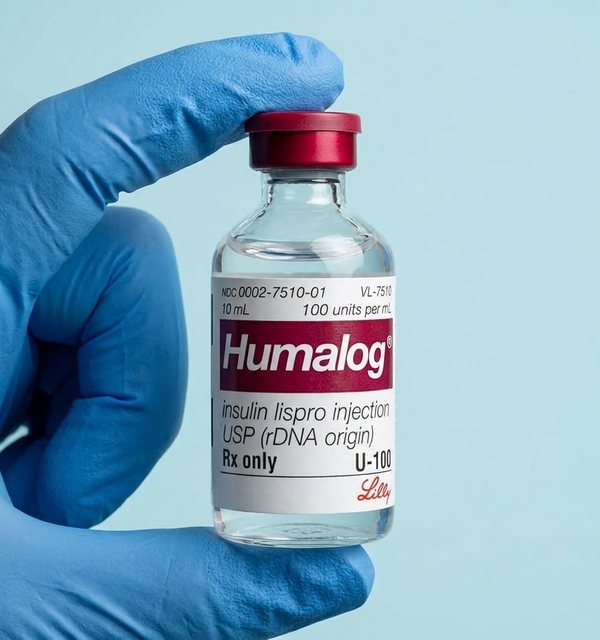
Some individuals may need basal insulin for fasting control alongside a weekly incretin. The question, can you take lantus and mounjaro together, reflects that need. Clinicians often start with basal insulin at a stable dose, then introduce or titrate tirzepatide gradually. Close monitoring helps reduce hypoglycemia, especially when appetite improves and carbohydrate intake falls. Dose adjustments should be supervised to maintain safe overnight glucose.
Others may use metformin plus a weekly incretin, then add an SGLT2 inhibitor for kidney or heart benefits. Some combinations can improve multiple targets: A1C, weight, and cardio-renal risk markers. However, each added agent increases complexity and side effect potential. The mix should reflect individual priorities, kidney function, and tolerability, with periodic reassessment of goals.
Comparisons With Other Options
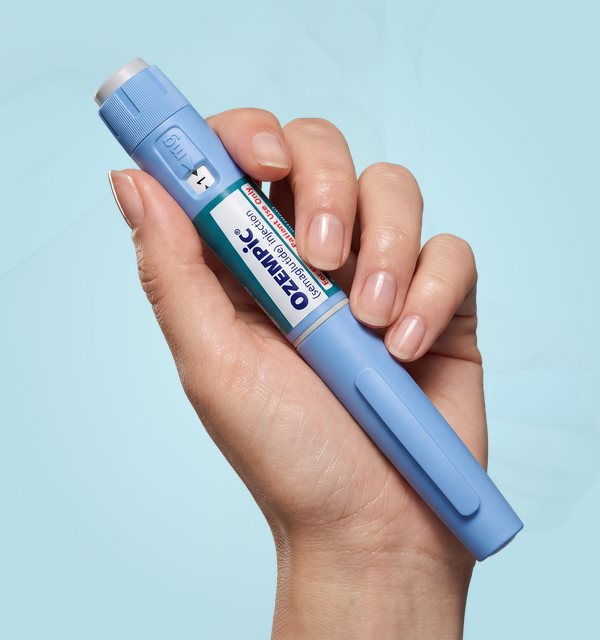
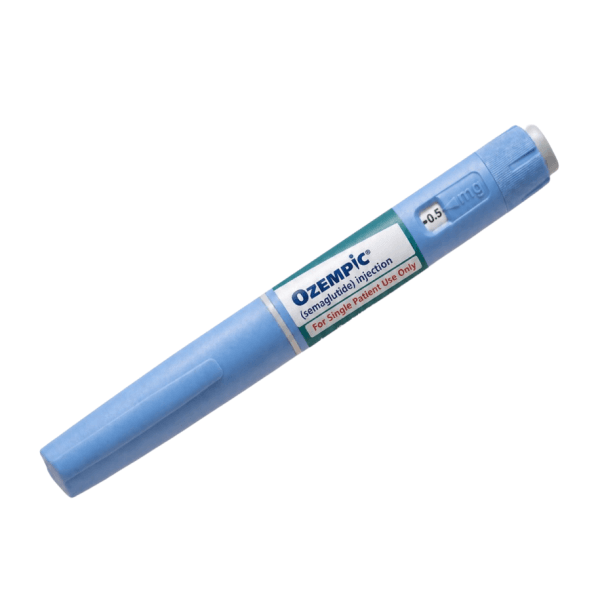
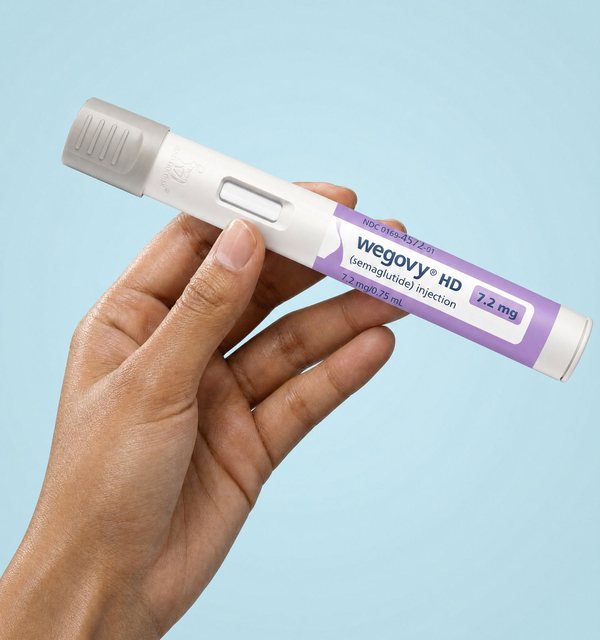
Many readers want to understand mounjaro vs ozempic. Mounjaro combines GIP and GLP-1 activity, while Ozempic (semaglutide) targets GLP-1 only. Both reduce A1C and weight, though comparative efficacy varies by dose and patient profile. Side effect patterns are broadly similar, yet individual tolerability may differ. For mechanism and outcomes across brands, see Wegovy vs Mounjaro for a related overview, and Tirzepatide vs Semaglutide for comparative efficacy details.
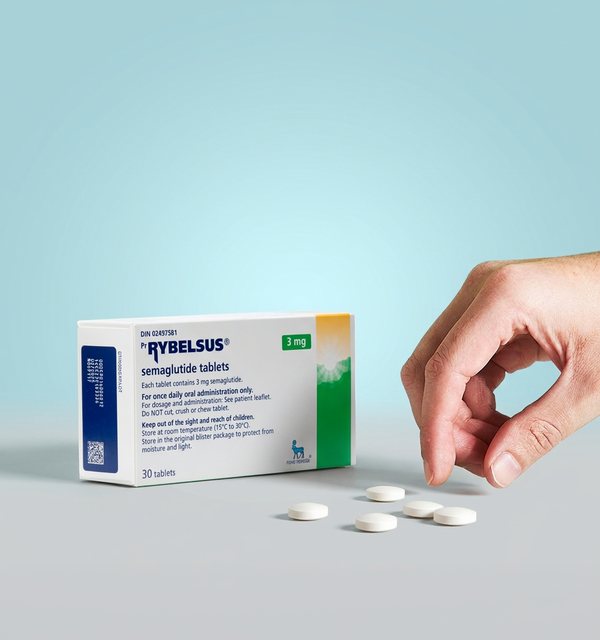
Oral semaglutide (Rybelsus) offers a non-injectable incretin option, but it requires strict timing relative to food and other medications. Some patients explore Rybelsus before moving to weekly injections for convenience. Others move directly to a weekly agent to reduce daily pill burden. Device preferences, travel routines, and adverse event history can guide final selection.
Costs, Access, and Practical Fit
Coverage, supply stability, and clinic support influence real-world outcomes. Formulary changes may drive people to ask, can i switch from trulicity to mounjaro. If a switch is planned, document your last dose, current side effects, and any hypoglycemia episodes. Bring this history to the visit so your prescriber can tailor the starting dose and follow-up timing.
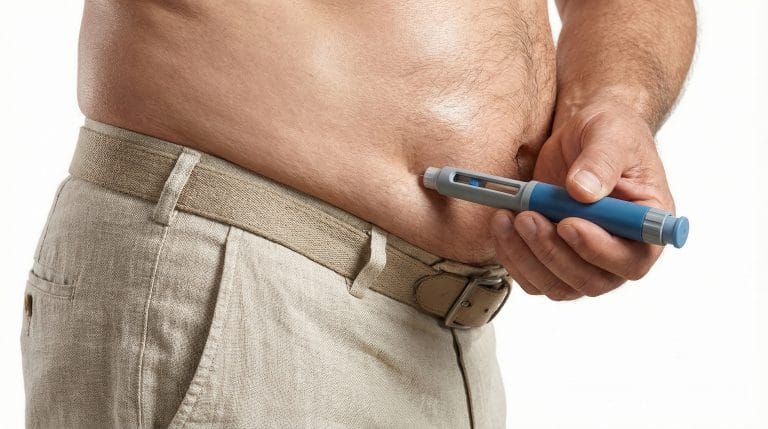
Device usability also matters. Some prefer auto-injectors; others want removable needles. Storage, travel, and teaching needs should shape the choice. When building your education plan, curated reading in our Type 2 Diabetes library can help you prepare for clinic visits.
Recap
Both medicines are weekly incretin therapies that support A1C reduction and weight control. Mechanism, dosing flexibility, and side effect tolerance often guide selection. Switching should be deliberate, with conservative timing and symptom monitoring. Use labeling and trusted guidelines to frame the conversation, then individualize based on goals and tolerability.
Tip: Keep a brief log of doses, side effects, and glucose readings for two to four weeks after any change. This record improves the next adjustment discussion and helps clinicians titrate safely.
This content is for informational purposes only and is not a substitute for professional medical advice.