
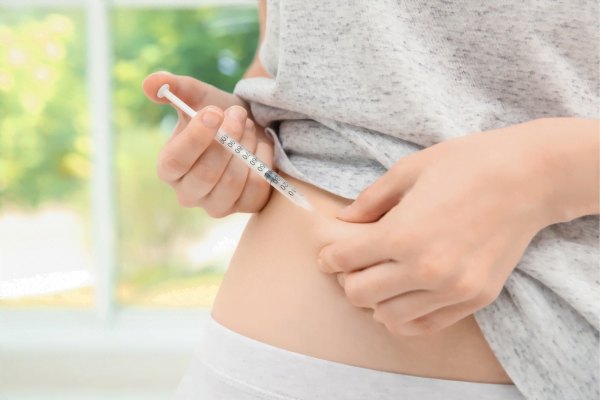
If you are learning how to administer insulin, this guide covers practical setup, technique, and safety. It explains site rotation, pen and syringe methods, and troubleshooting pain or leaks. Use it to standardize your approach and reduce avoidable errors.
Key Takeaways
- Standardize your steps to reduce dosing and technique errors.
- Rotate injection sites within a region to prevent tissue damage.
- Match needle length and angle to body habitus for comfort.
- Prime pens and remove air from syringes before injecting.
- Document dose, site, and timing to support consistent care.
How to Administer Insulin Safely
Safe insulin delivery starts with the same sequence every time. Wash or sanitize your hands, gather supplies, inspect the insulin, and confirm the prescribed dose. Use subcutaneous (under-the-skin) injection sites that are free of scars, bruises, or lipohypertrophy (fatty tissue thickening). Rotate within one region to keep absorption more predictable.
Check device integrity and expiration dates. For pens, attach a new needle and always prime. For vials, confirm clarity for rapid or short-acting insulins and proper resuspension for cloudy suspensions. Follow neutral, evidence-based guidance from national bodies; the CDC outlines core safe injection practices that support infection prevention. For device specifics, consult manufacturer instructions and professional guidance such as the American Diabetes Association resources for patient education.
Preparation and Dosing Checklist
Consistent prep reduces slips, especially when routines change. Lay out insulin, pen needles or syringes, alcohol swabs, and a sharps container. Confirm the correct insulin, the time of day, and the dose against your care plan. Inspect the cartridge or vial and verify expiration. Label reusable devices with your name and insulin type to prevent mix-ups.
Many patients benefit from written insulin administration steps taped near their supplies. Include dose verification, site rotation, and a short post-injection check for leaks or bleeding. Keep a log of site location, dose, and time. If you need a broader reference library, browse our Diabetes Articles for technique refreshers and practical primers. For supply selection by device category, see Diabetes Products to compare pen needles, cartridges, and related accessories.
Insulin Delivery Options: Pens, Syringes, and Pumps
Insulin pens are convenient for home and travel. They combine a cartridge and dose dial, and may reduce dosing errors for routine therapy. Syringe and vial delivery remains versatile and often suits mixed insulins or individualized dosing. Insulin pumps provide continuous subcutaneous infusion, but require training, site changes, and careful monitoring.
Device choice depends on dexterity, vision, dosing complexity, and cost. Pens can simplify daily use for many adults, while syringes allow precise mixing when required by a prescriber. If you are comparing long-acting pens, our Lantus Insulin Pen overview explains priming and device features to standardize daily routines. For context on medication selection in broader care, see Insulin Resistance Treatment to understand how insulin fits within overall therapy planning.
Choosing Injection Sites and Rotation
Common subcutaneous sites include the abdomen, outer thighs, upper outer arms, and upper buttocks. Absorption is generally fastest in the abdomen, then arms, thighs, and buttocks. Rotate within one region for several days, spacing injections at least a finger-width apart. This helps prevent lipohypertrophy, which can distort insulin absorption and lead to unpredictable glucose values.
Patients often ask for an insulin injection sites diagram to visualize rotation. Consider sketching a simple grid on a site map and marking each location in your log. Needle length matters too; shorter needles (for example, 4–6 mm) can reduce the need for pinching, especially in the abdomen. For needle selection principles and gauge pros and cons, see our BD Needles Guide, which explains sizes and when to adjust needle length.
Pen Injections: Step‑By‑Step Technique
Insulin pens streamline routine dosing when used correctly. Wash hands, attach a new needle, and prime the pen until a steady drop appears. Dial the prescribed dose. Choose a clean site, consider a small skin pinch if you are lean, and insert the needle at 90 degrees. Inject the dose and count slowly to ten before withdrawing the needle to reduce post-injection drips.
Patients often ask how to give insulin injection with pen when starting therapy. Focus on two details: reliable priming before every dose and a calm, steady injection with a counted hold. If you are using a long-acting insulin pen, review device specifics to avoid missed doses; for a brand example and troubleshooting tips, see Lantus Insulin Pen for priming cues and storage notes. If you prefer stepwise visuals, our Diabetes Articles hub links to videos and printable checklists.
Syringe and Vial Technique: Steps and Angles
Syringe injections remain common for regular and NPH insulins. Wash hands, wipe the vial stopper, and draw air into the syringe equal to your dose. Inject air into the vial, invert, and draw the insulin slightly past your dose. Tap out bubbles, then adjust to the exact marking. Choose a site and insert the needle at 90 degrees; use 45 degrees if using a longer needle on a very lean area.
Many beginners search for how to inject insulin with a syringe when moving from pens. Practice with saline demonstration vials in clinic if available. If you require mixing (for example, NPH and regular), your care team may demonstrate a safe sequence. Keep your process consistent. For emergencies such as severe hypoglycemia, learn how to use a Glucagon Injection Kit to treat very low blood sugar when oral carbohydrates are not possible.
Troubleshooting Pain, Leaks, and Lipohypertrophy
Discomfort can usually be reduced with small adjustments. Allow alcohol to dry fully before injecting. Insert the needle quickly and steadily; avoid wiggling during removal. Keep needles short where appropriate and avoid reusing needles, which dull quickly. If you notice post-injection drips, lengthen your needle hold time and confirm priming or bubble removal.
Many ask about how to inject insulin pen without pain and how to minimize bruising. Try injecting at room temperature and relaxing the muscle under the site. Rotate consistently and avoid scarred or firm areas. Inspect for lipohypertrophy monthly; if present, avoid those sites until the tissue returns closer to baseline. For additional emergency safety, review the Diabetes Attack Symptoms guide, which explains early warning signs and when to escalate care. You can also expand your technique library through our Diabetes Articles for structured refreshers.
Special Populations and Nursing Practice
Technique should be adapted for children, older adults, and people with limited dexterity or vision. In pediatrics, consider shorter needles and a gentle skin pinch. Teach caregivers how to choose sites, count a steady hold, and document doses. In older adults, simplify device choice and reduce steps where possible. Large-print labels and tactile markers on pens may help those with low vision.
Nurses often standardize teaching using a visual checklist. Practical topics include site rotation, needle disposal, and recognition of hypoglycemia. Many curricula address how to administer insulin nursing with teach-back methods to confirm learning. For type-specific education resources that shape daily plans, review Type 1 Diabetes and Type 2 Diabetes categories, which group content by condition. These pages help clinicians and families align terminology and expectations across visits.
Recap
Safe insulin delivery relies on consistent preparation, correct site selection, and calm technique. Match the device to abilities, rotate reliably, and document doses and sites. Use authoritative guidance and device instructions to refine your approach over time.
Tip: Keep a simple rotation map and a two-minute pre-dose checklist where you store your supplies.
Note: If injections consistently hurt or bruise, ask your care team to check technique, needle length, and sites.
This content is for informational purposes only and is not a substitute for professional medical advice.


