

Understanding humalog onset and peak helps you time meals, activity, and checks. This guide outlines how insulin lispro acts, why timing varies, and what practical steps you can take to reduce highs and lows.
Key Takeaways
- Fast start: Lispro begins working within minutes and peaks soon after.
- Variable action: Dose, site, and activity can shift your curve.
- Match meals: Align pre-bolus timing to carbs and glucose trends.
- Compare types: Basal insulins have flatter or minimal peaks.
- Safety first: Monitor for hypoglycemia and review trends with your team.
Humalog Onset and Peak: What to Expect
Insulin lispro (rapid-acting insulin) starts quickly because its structure limits clumping under the skin. After subcutaneous (under the skin) injection, blood levels rise within minutes and peak soon after. In practice, many users see the strongest effect around one hour, though individual responses vary. Food composition, pre-bolus timing, and current glucose influence the peak’s impact on post-meal control.
Manufacturers describe a rapid onset and a short window of peak activity that helps blunt meal spikes. When planning a pre-meal bolus, consider current glucose, trend arrows, and carbohydrate speed. For official pharmacokinetic details, see the lispro prescribing information provided by the manufacturer (prescribing information). Clinical guidance on insulin use is summarised in the American Diabetes Association’s Standards of Care (Standards of Care).
Duration and Variability of Insulin Lispro
Most people experience several hours of glucose-lowering after a single bolus. While the strongest effect is early, residual action can persist, sometimes overlapping with the next meal. This tail can contribute to late post-meal dips, especially after low-fat meals or unexpected activity. Tracking your personal curve helps you anticipate when stacking doses may increase hypoglycemia risk.
Duration is shaped by biology and behavior. Larger doses may linger longer due to subcutaneous depots. Warmer skin, faster blood flow, and exercise can speed absorption. Conversely, injecting into cooler skin, scarred tissue, or lipohypertrophy (fatty thickening at injection sites) can delay action. For clarity in planning, note your typical lispro duration of action in relation to meal sizes and activity blocks.
Factors That Shift Peak and Duration
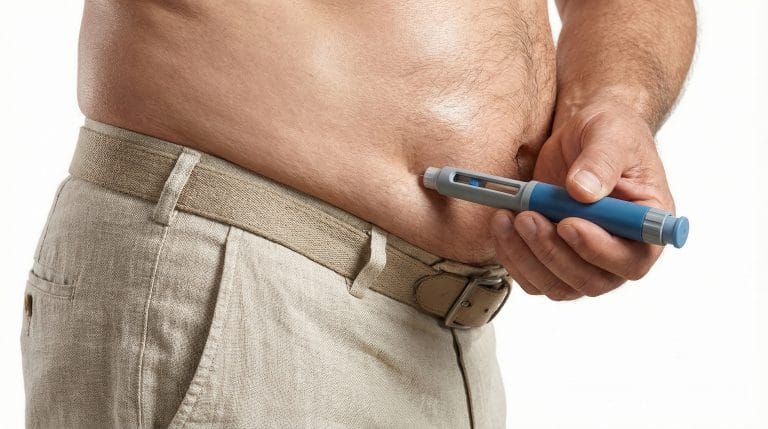
Several routine factors can move the rapid acting insulin peak earlier or later. Injection site matters: the abdomen often absorbs fastest, while thighs and buttocks can be slower. Site rotation prevents scar tissue and unpredictable kinetics. Temperature and massage can increase blood flow and accelerate onset; cold skin may delay it.
Food type also drives changes. High-fat or high-protein meals slow gastric emptying, delaying the glucose rise. For such meals, some users time part of the bolus later, as guided by their care team. Exercise introduces further variability; unplanned activity shortly after a bolus can deepen and prolong reductions in glucose.
Comparing Peak Profiles Across Insulin Types
Insulins differ in their pharmacokinetics (how the drug moves through the body). Rapid-acting analogs aim for quick meal coverage, while older formulations and basal insulins follow distinct curves. Understanding contrasts supports meal planning and overnight stability. A simple visual comparison can help you spot timing gaps and overlaps across your regimen.
The table below summarises typical onset, peak, and duration ranges seen in clinical references. Always interpret these as population estimates; your data may differ. Discuss any pattern shifts with your clinician, especially if you experience repeated highs or lows across the same time of day.
| Insulin Type | Onset (approx.) | Peak (approx.) | Duration (approx.) |
|---|---|---|---|
| Lispro (rapid) | 10–20 minutes | 45–90 minutes | 3–5 hours |
| Regular (short) | 30–60 minutes | 2–4 hours | 6–8 hours |
| NPH (intermediate) | 1–2 hours | 4–12 hours | 12–18 hours |
| Glargine (basal) | 1–2 hours | Minimal peak | ~24 hours |
| Detemir (basal) | 1–2 hours | Low, plateaued | 16–24 hours |
| Degludec (basal) | 1–2 hours | Flat profile | >24 hours |
For broader context on basal-bolus choices, you can review brand comparisons. Our overview in Rapid-Acting Insulin Peaks provides timing ranges for several analogs, which helps cross-check your own logs.
Where Do Long-Acting Basals Fit?
Basal insulins are designed to cover background hepatic glucose output. Modern options aim for a steady profile with low variability across 24 hours or longer. When basal is well matched, bolus insulin can focus on meals and corrections. This separation reduces stacking and clarifies whether a high or low stems from basal drift or meal mismatch.
People frequently ask about lantus peak time because glargine is described as having a relatively flat curve. In practice, some individuals still notice a mild bump depending on dose and timing. If a consistent daily dip appears at the same hour, discuss moving or splitting the basal dose with your clinician. For background on comparing basal analogs, see Novolog vs. Humalog for context on mealtime pairing, and Humulin vs. Humalog for legacy comparisons.
Regular and NPH: The Older Standards
Short-acting regular insulin covers meals but starts later and lasts longer than analogs. This slower profile often requires earlier pre-bolus planning for larger meals. People using mixed regimens may pair regular with intermediate insulins for cost or preference reasons. Careful tracking helps avoid late post-meal lows as the tail overlaps with next snacks or activity.
When considering regular insulin peak time, remember variability increases with dose size and site. NPH adds a distinct mid-curve peak. Its timing can be handy for lunch coverage or overnight patterns, but it also increases hypoglycemia risk if meals or snacks are delayed. For background on product distinctions, our Humalog vs. Humulin comparison highlights how older human insulins differ from analogs, giving historical context for timing strategies.
Practical Timing Tips for Meals and Activity
Pre-bolus timing depends on glucose trends, meal composition, and your typical lispro onset of action. For rapidly absorbed carbohydrates, earlier dosing may better blunt spikes. For high-fat meals, some individuals delay part of the dose, or split timing under clinical guidance. Use your meter or CGM trends to refine when you begin seeing a meaningful drop.
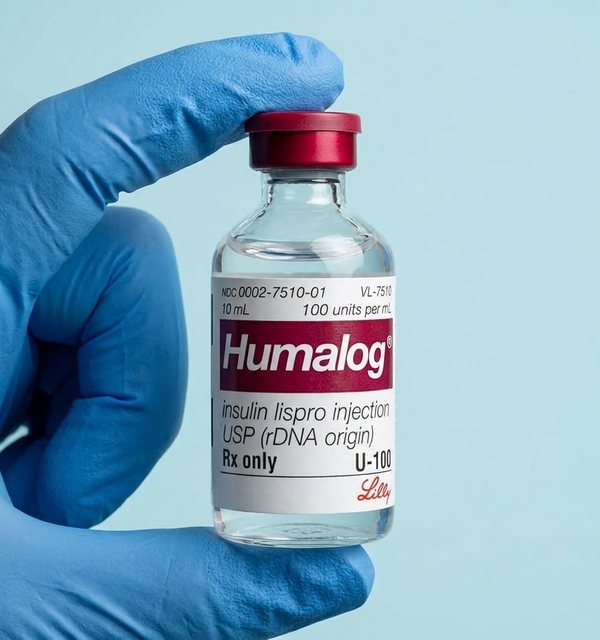
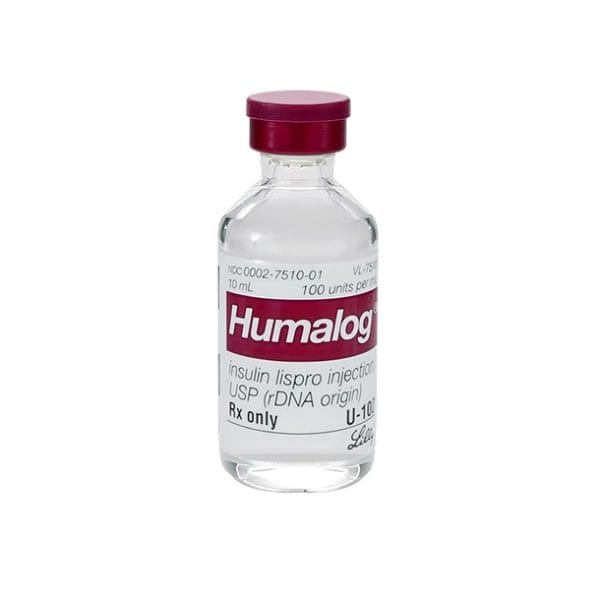
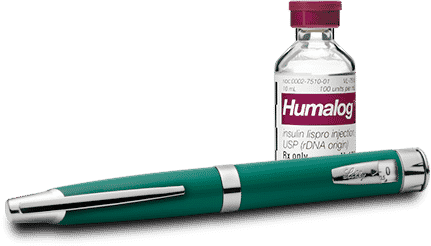
Plan around activity as well. If exercise follows a meal, consider a smaller bolus or a snack, based on your prior patterns. Coordinate with your care team before making changes. For hands-on device guidance, the Humalog KwikPen Guide outlines pen handling, and this Humalog Vial Overview explains vial-and-syringe steps, which helps standardize technique.
Tip: Log a few weeks of meals, doses, and trends. Brief notes on fat/protein content make post-meal comparisons clearer.
Safety, Side Effects, and When to Ask for Help
Common insulin lispro side effects include hypoglycemia, injection site reactions, and minor skin irritation. Rotating sites reduces lipohypertrophy and erratic absorption. Severe lows may cause confusion, seizures, or loss of consciousness; discuss rescue glucagon options with your clinician. Any new rash, swelling, or breathing symptoms require urgent care.
Review interactions with your pharmacist, since other medicines may change insulin needs. Illness, steroids, and hormonal changes can alter timing and dose requirements. For a deeper overview of adverse effects and precautions, see our editorial on Humalog Side Effects for concise safety context you can reference before appointments.
Visualizing Insulin Action Over the Day
Seeing timing on a clean graph helps connect meals, corrections, and activity. Many people sketch their typical curve next to planned meals and workouts. A simple insulin peak times chart aligned with your CGM trends can reveal when you routinely rise or dip. Update the chart after any notable pattern change, like new shift work or a season of training.
If you want brand-to-brand context for mealtime strategies, compare Fiasp vs. Humalog to understand ultra-rapid alternatives, and read Apidra vs. Humalog for selection considerations. For dosing foundations, our Humalog Dosage Information article explains typical framework principles, which can guide productive discussions with your clinician.
Note: Keep devices and vials within labeled temperature ranges. Proper storage prevents potency loss and helps ensure predictable timing.
This content is for informational purposes only and is not a substitute for professional medical advice.