
Jardiance for kidney disease can help some adults with chronic kidney disease (CKD) lower the risk of worsening kidney function and certain heart-related complications. It does not rebuild scarred kidney tissue, reverse CKD for most people, or replace blood pressure, diabetes, nutrition, and kidney specialist care. The key question is whether your CKD pattern, estimated glomerular filtration rate (eGFR), urine albumin results, and safety profile match the approved use.
Key Takeaways
- Jardiance is empagliflozin, an SGLT2 inhibitor used in several cardiometabolic conditions.
- The CKD indication is not limited to adults with type 2 diabetes in the United States.
- eGFR and albuminuria help clinicians judge kidney risk and treatment fit.
- Creatinine may change early, so monitoring matters after starting therapy.
- Side effects can include genital infections, dehydration, urinary infections, and rare ketoacidosis.
Where Jardiance for Kidney Disease Fits in CKD Care
Jardiance works as part of a kidney-protection plan, not as a stand-alone cure. Its active ingredient, empagliflozin, belongs to a class called sodium-glucose cotransporter-2 inhibitors, or SGLT2 inhibitors. These medicines reduce glucose and sodium reabsorption in the kidney. That effect can lower pressure inside kidney filtering units, also called intraglomerular pressure.
That kidney effect matters because CKD often progresses silently. Many people feel well while eGFR falls or urine albumin rises. Albuminuria means too much albumin, a blood protein, is leaking into urine. It can signal kidney filter damage and higher cardiovascular risk.
For people with diabetes, CKD care often includes glucose management, blood pressure control, cholesterol treatment, and lifestyle changes. For people without diabetes, the same kidney-protection discussion may still include blood pressure, albuminuria, heart risk, and the cause of CKD. Jardiance may fit into that wider plan when the label, kidney function, and safety factors line up.
Why it matters: Kidney protection is judged by risk reduction over time, not by quick symptom relief.
Evidence Behind the CKD Indication
The evidence for Jardiance for kidney disease comes mainly from large outcome trials in people at risk of CKD progression. The EMPA-KIDNEY trial studied empagliflozin in adults with CKD, including many participants without diabetes. The trial included people with lower eGFR values and people with higher eGFR values when albuminuria was present.
In the United States, the approved label includes use in adults with CKD at risk of progression to reduce the risk of sustained eGFR decline, end-stage kidney disease, cardiovascular death, and hospitalization. Approval wording can differ by country, so clinicians use the current local product information when making decisions.
This does not mean every person will see a higher eGFR. Kidney benefit is usually framed as slowing decline or reducing serious kidney and cardiovascular outcomes. Some people may see a small early eGFR dip after starting an SGLT2 inhibitor. Clinicians often interpret that change alongside hydration, blood pressure, symptoms, and repeat labs.
The CKD trial used empagliflozin 10 mg daily. Discussions about 10 mg versus 25 mg usually relate more to glucose-lowering in type 2 diabetes than to self-directed kidney protection. Dose decisions should stay with the prescriber, especially when CKD, diuretics, insulin, or other medicines are involved.
Who May or May Not Be a Candidate
Jardiance for kidney disease is not limited to people with diabetes, but it is also not suitable for every CKD situation. Prescribers look at CKD cause, eGFR, urine albumin, fluid status, infection history, current medicines, and pregnancy considerations. They also check whether the person has conditions excluded or not recommended in the product label.
| Decision Factor | Why It Matters | Question to Ask |
|---|---|---|
| CKD without diabetes | Evidence includes adults with and without diabetes, depending on CKD risk. | Does my CKD pattern match the approved indication? |
| eGFR range | Trials included people with low eGFR, but labels and local guidance matter. | What eGFR cut-off applies to my situation? |
| Albuminuria | Urine albumin helps estimate kidney and heart risk. | What was my urine albumin-to-creatinine ratio? |
| Polycystic kidney disease | The U.S. label does not recommend use for CKD treatment in this group. | Is my CKD cause one of the listed limitations? |
| Recent kidney immunosuppression | Some immune-treated kidney conditions may fall outside recommended use. | Do my recent treatments affect eligibility? |
| Fluid or blood pressure issues | SGLT2 inhibitors can increase urination and contribute to volume depletion. | Should my diuretic or blood pressure plan be reviewed? |
Adults with stage 3 CKD often ask whether the condition can be reversed. In many cases, CKD is managed rather than reversed. Treatment aims to slow decline, reduce complications, and address causes such as diabetes, high blood pressure, immune disease, or medication-related kidney stress. A kidney specialist can explain whether any part of the kidney problem is reversible.
eGFR, Creatinine, and Early Lab Changes
eGFR is an estimate of kidney filtration based mainly on creatinine, age, and sex. Creatinine is a waste product from muscle metabolism. When creatinine rises, eGFR often falls, but the meaning depends on the pattern, timing, and clinical context.
An early creatinine rise after starting an SGLT2 inhibitor can occur because kidney filtering pressure changes. That is not automatically the same as kidney injury. Clinicians usually look at how large the change is, whether it persists, and whether symptoms such as dizziness, dehydration, vomiting, or low blood pressure are present.
The phrase Jardiance eGFR 20 appears often because empagliflozin CKD research included people with eGFR down to 20 mL/min/1.73 m2. That does not make eGFR 20 a universal start point for every person. Product labels, local rules, dialysis status, albuminuria, and clinical judgment still matter.
This calculator can help you understand how eGFR is estimated from lab inputs. It does not confirm CKD stage, treatment eligibility, or medication safety.
eGFR Calculator
Estimate kidney filtration using the 2021 CKD-EPI creatinine equation.
These calculations are for education only and do not replace clinical advice, diagnosis, or treatment. Always confirm medical decisions with a qualified healthcare professional.
If your lab report shows a new creatinine change, avoid interpreting one value alone. Ask how it compares with prior results, whether urine albumin changed, and whether dehydration, illness, contrast dye, nonsteroidal anti-inflammatory drugs, or blood pressure medicines could have influenced the result.
Side Effects and Safety Signals to Discuss
Jardiance for kidney disease side effects overlap with its use in diabetes and heart failure. Common concerns include genital yeast infections, urinary tract infections, increased urination, thirst, and dizziness from lower fluid volume. These effects may matter more in people who already take diuretics or have low blood pressure.
Serious but less common risks need prompt attention. SGLT2 inhibitors can be associated with ketoacidosis, a buildup of blood acids that can occur even when glucose is not very high. Warning symptoms may include nausea, vomiting, stomach pain, unusual tiredness, trouble breathing, or confusion. This is urgent, especially during illness, fasting, surgery, or reduced food intake.
Other serious warning signs include fever with back or side pain, severe burning with urination, genital or perineal pain with swelling, rash with facial swelling, fainting, or signs of severe dehydration. Seek urgent care for severe or rapidly worsening symptoms. Do not make dose changes or stop prescribed therapy without medical guidance unless emergency care is needed.
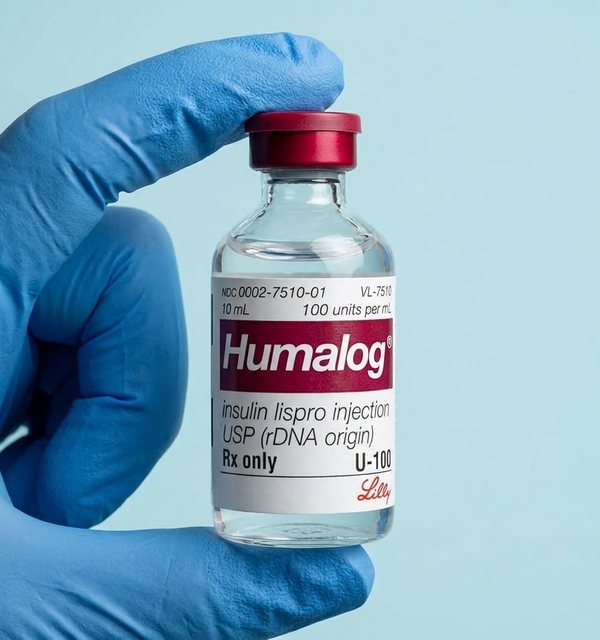
Low blood sugar is not usually expected from SGLT2 inhibitors alone, but it can occur when combined with insulin or insulin-releasing medicines. People using insulin should ask their clinician how to monitor for lows and what symptoms should trigger review. For related diabetes education, the Type 2 Diabetes category collects broader posts.
How It Compares With Other Kidney-Protection Strategies
Jardiance is one option within CKD risk reduction. It does not replace standard treatments for high blood pressure, albuminuria, diabetes, or cardiovascular risk. Many CKD plans also include ACE inhibitors or ARBs when appropriate, statins for selected patients, smoking cessation, salt moderation, and careful medication review.
Farxiga, the brand name for dapagliflozin, is another SGLT2 inhibitor with CKD evidence. The two medicines are not interchangeable without a prescriber. Their labels, cut-offs, indications, and precautions can differ by jurisdiction and clinical setting. Ask which option fits your CKD cause, eGFR, albuminuria, heart history, and current medications.
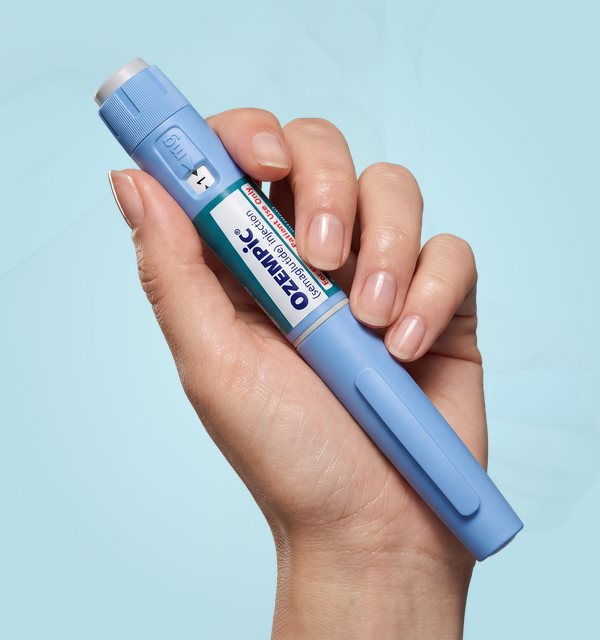
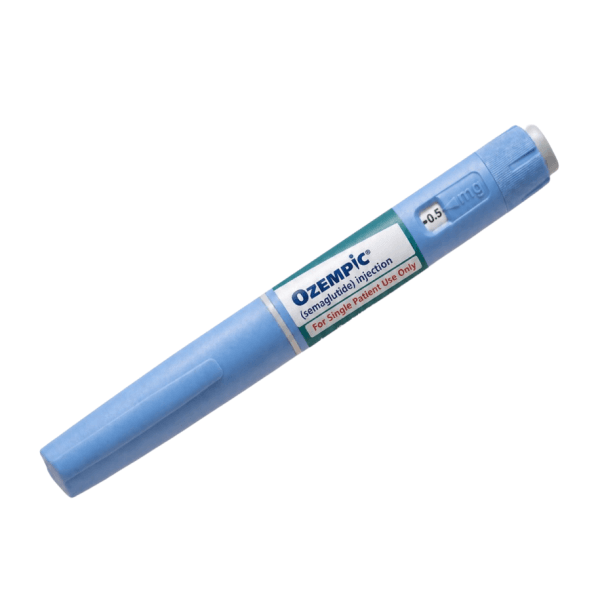
GLP-1 receptor agonists, such as semaglutide products, work differently from SGLT2 inhibitors. They are often discussed in type 2 diabetes and weight-management care, not as direct substitutes for an SGLT2 kidney indication. For class context, see Semaglutide, Ozempic, and Rybelsus. The Ozempic Alternatives discussion can also help frame how diabetes medicines differ.
Some people with CKD and diabetes may also hear about finerenone, mineralocorticoid receptor antagonists, or other kidney-focused treatments. These options depend on potassium, albuminuria, blood pressure, diagnosis, and medication interactions. They should be compared by a clinician who can see the full lab record.
Diet, Milk Choices, and Daily CKD Questions
Medication decisions often raise practical nutrition questions. There is no single best milk for every kidney patient. Cow’s milk and plant-based milks can differ in potassium, phosphorus additives, protein, sugar, and calcium. The right choice depends on CKD stage, blood potassium, phosphorus levels, diabetes goals, appetite, and whether dialysis is involved.
A renal dietitian can help interpret labels without making the diet too restrictive. This matters because some people avoid many foods and lose protein or calories they still need. Others need tighter limits because potassium or phosphorus is high. Diabetes adds another layer because carbohydrate content can affect glucose levels.
Daily habits also influence CKD risk. Blood pressure tracking, avoiding non-prescribed anti-inflammatory pain relievers when advised, staying hydrated during illness, and keeping lab follow-ups can all support safer care. These steps do not replace medication, but they help clinicians interpret whether a treatment is working safely.
Quick tip: Bring a current medication list and recent lab results to kidney visits.
Questions to Bring to a Kidney or Diabetes Visit
If Jardiance for kidney disease is being discussed, prepare questions that connect the medication to your specific lab pattern. This makes the visit more useful and helps avoid generic answers.
- CKD cause: What is the likely driver of my kidney disease?
- Albumin result: Is my urine albumin high, stable, or improving?
- eGFR trend: Are changes expected, concerning, or unclear?
- Safety fit: Do my infections, blood pressure, or diuretics matter?
- Illness plan: Should I pause any medicines during vomiting or fasting?
- Diabetes medicines: Could insulin or sulfonylureas change hypoglycemia risk?
- Follow-up labs: Which results should be checked after treatment changes?
The Diabetes Condition Hub lists diabetes-related products for condition browsing. For product filtering rather than education, the Diabetes Products hub can help readers compare available product categories. CanadianInsulin.com functions as a prescription referral platform, and prescription details may need prescriber confirmation where required.
Authoritative Sources
- For label wording and safety warnings, review the FDA Jardiance Prescribing Information.
- For trial design and kidney outcomes, read the EMPA-KIDNEY Trial in The New England Journal of Medicine.
- For CKD definitions and stage context, see the National Kidney Foundation CKD Information.
Putting the Decision in Context
Jardiance can be a meaningful CKD option for some adults, including some without diabetes, but it requires individual review. The most useful next step is not asking whether it is good or bad in general. It is asking whether your diagnosis, eGFR trend, urine albumin, other medicines, and safety risks match the evidence and approved use.
This content is for informational purposes only and is not a substitute for professional medical advice.