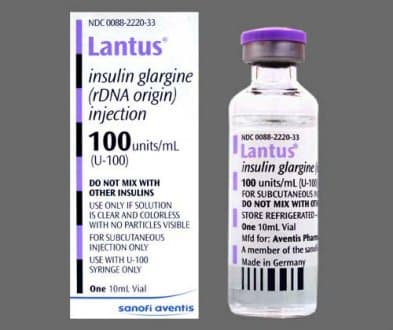
Lantus (insulin glargine) is a long-acting basal insulin used to help stabilize blood glucose between meals and overnight. It releases slowly from the injection site, creating a steady background effect that complements mealtime insulin or other therapies.
Key Takeaways
- Basal coverage: smooth, 24-hour background insulin support.
- Onset and duration: gradual start, minimal peak, long action.
- Dosing: individualized, titrated to fasting glucose patterns.
- Formats: vials, cartridges, and SoloStar pens.
- Safety: hypoglycemia risk, site reactions, rare allergy.
Understanding How Does Lantus Insulin Work helps you interpret glucose patterns, time doses consistently, and use devices correctly. This knowledge supports safer, steadier day-to-day control.
How Does Lantus Insulin Work
Insulin glargine is formulated to release slowly after subcutaneous injection. The solution is acidic in the pen or vial, then forms microprecipitates in the fatty tissue. These crystals dissolve at a controlled rate, providing a relatively constant basal (background) insulin level over many hours.
This background level helps suppress hepatic glucose output (liver sugar release) and supports peripheral glucose uptake in muscle and fat. The result can be smoother fasting readings and fewer overnight swings when paired with appropriate nutrition and activity plans. For broader context on treatment options, see Common Diabetes Medications for how other classes lower glucose.
Clinical Mechanism and Pharmacology
The insulin glargine mechanism of action relies on amino acid changes that shift solubility at physiologic pH. After injection, the solution precipitates and releases monomers steadily. Metabolism produces active metabolites (notably M1), which contribute to the prolonged effect without a pronounced spike. This pharmacology explains its flat profile compared with intermediate insulins.
According to the DailyMed prescribing information, insulin glargine is not for diabetic ketoacidosis and should be used subcutaneously only. For format and handling specifics around bottle use, see Lantus Vial Guide for vial storage and preparation tips that affect stability.
Onset, Peak, and Duration
Most people observe a gradual onset within a few hours, with effects continuing for about a day. There is typically minimal or no distinct peak compared with older basal formulations. These features support consistent fasting control when the dose and timing are steady from day to day.
Questions about lantus peak time are common because timing influences hypoglycemia risk. In practice, the action curve is flatter than NPH, and duration often approaches 24 hours, but responses vary by dose, site, and lifestyle. The American Diabetes Association’s Standards of Care provide guidance on basal insulin characteristics and clinical use.
Dosing Principles and Titration
Basal dosing is individualized. Clinicians consider weight, insulin sensitivity, renal and hepatic function, concomitant drugs, and glycemic targets. In type 2 diabetes, the average lantus dose type 2 can vary widely because insulin resistance differs across individuals. Providers often adjust doses gradually to bring fasting readings toward the agreed range while minimizing lows.
Glucose logs help reveal patterns from which adjustments can be made. For a broad overview of available formulations and their properties, see the Insulin Products Guide for differences that may inform clinical selection and follow-up monitoring.
Starting Doses and Adjustments
Initiation and titration strategies depend on current therapy and goals. Some regimens add a once-daily basal dose to oral agents, while others convert from another basal insulin. Clinicians typically reassess fasting glucose every few days, watching for trends rather than single readings. If lows occur, other contributors—skipped meals, increased activity, or alcohol—are reviewed before dose changes. Special care is used in older adults and those with kidney or liver impairment, where conservative adjustments and closer follow-up may be warranted.
Devices: Vials, Cartridges, and Pens
Multiple delivery formats exist, including vials for syringes, cartridges for reusable pens, and prefilled devices. A lantus insulin pen can help standardize technique and dosing increments, which may reduce variability. Regardless of format, rotate injection sites and avoid injecting into scarred or lipodystrophic areas to support consistent absorption.
For pen and cartridge handling pointers, see Cartridge Handling Tips to improve dose accuracy. For concentration and volume details with standard bottles, check U-100 Vial Details for unit-per-milliliter specifications. If you prefer a prefilled device, refer to SoloStar Pen Specs for format specifics and dose increments.
SoloStar Pen: Capacity and Practical Tips
If you wonder how many units in lantus solostar pen, each prefilled 3 mL device typically contains 300 units at 100 units/mL. Users dial doses in one-unit steps and prime per the manufacturer’s instructions to ensure accurate delivery. Keep pens capped when not in use and discard after the labeled number of days at room temperature.
Tip: Before each injection, check the dose window, confirm the pen needle is attached securely, and verify that insulin appears clear. Consistent technique—angle, depth, and hold time—can reduce underdosing or leakage, especially at higher volumes.
Safety, Side Effects, and Interactions
Common insulin glargine side effects include hypoglycemia, injection-site reactions, and mild edema. Weight changes can occur over time as glucose control improves. Severe allergic reactions are rare but require urgent care. Never share pens or cartridges due to infection risk. People with recurrent hypoglycemia should review timing, meal patterns, and concomitant drugs with their care team.
Drug interactions may alter insulin needs. Beta-blockers can blunt hypoglycemia awareness, and thiazolidinediones may increase fluid retention. For a consumer-friendly overview of uses, precautions, and signs of low glucose, see MedlinePlus insulin glargine. Clinicians also monitor renal function and concurrent therapies at each visit to reassess dosing safety.
Comparing Long-Acting Options
Long-acting insulins differ in concentration, duration, and injection volume. The difference between lantus and toujeo reflects formulation: Lantus is U‑100 insulin glargine, while Toujeo is U‑300. Higher concentration allows smaller injection volumes and somewhat longer duration, which may influence timing and titration strategies under clinical supervision.
For a deeper dive into U‑300 characteristics, see U-300 Insulin Overview to understand Toujeo’s profile. If you are comparing basal choices more broadly, the Basal Insulin Comparison outlines trade-offs, and FlexTouch Pens Overview explains another ultra-long option’s behavior.
Timing With Meals and Bedtime
Glargine is designed for once-daily administration at the same time each day, independent of meals. Many clinicians choose evening or morning based on fasting patterns, lifestyle, and hypoglycemia risk. Once a consistent time is set, steady timing helps maintain the flat profile and simplifies interpretation of fasting readings.
Consistency matters more than clock time. Shifting the dose time or splitting doses is a clinical decision and should be guided by pattern analysis and professional advice. If travel, shift work, or missed doses complicate timing, discuss a plan in advance to minimize overlap or gaps in basal coverage.
Recap
Insulin glargine provides steady basal support by forming microprecipitates that release slowly after injection. Its gradual onset, minimal peak, and long duration help stabilize fasting and overnight glucose when paired with consistent timing and careful titration.
Device choice—vial, cartridge, or prefilled pen—mainly affects convenience and technique. Safety focuses on hypoglycemia prevention, proper injection practices, and awareness of interacting medicines. When comparing options, consider pharmacology, duration, and dosing logistics alongside personal routines and clinical goals.
This content is for informational purposes only and is not a substitute for professional medical advice.