
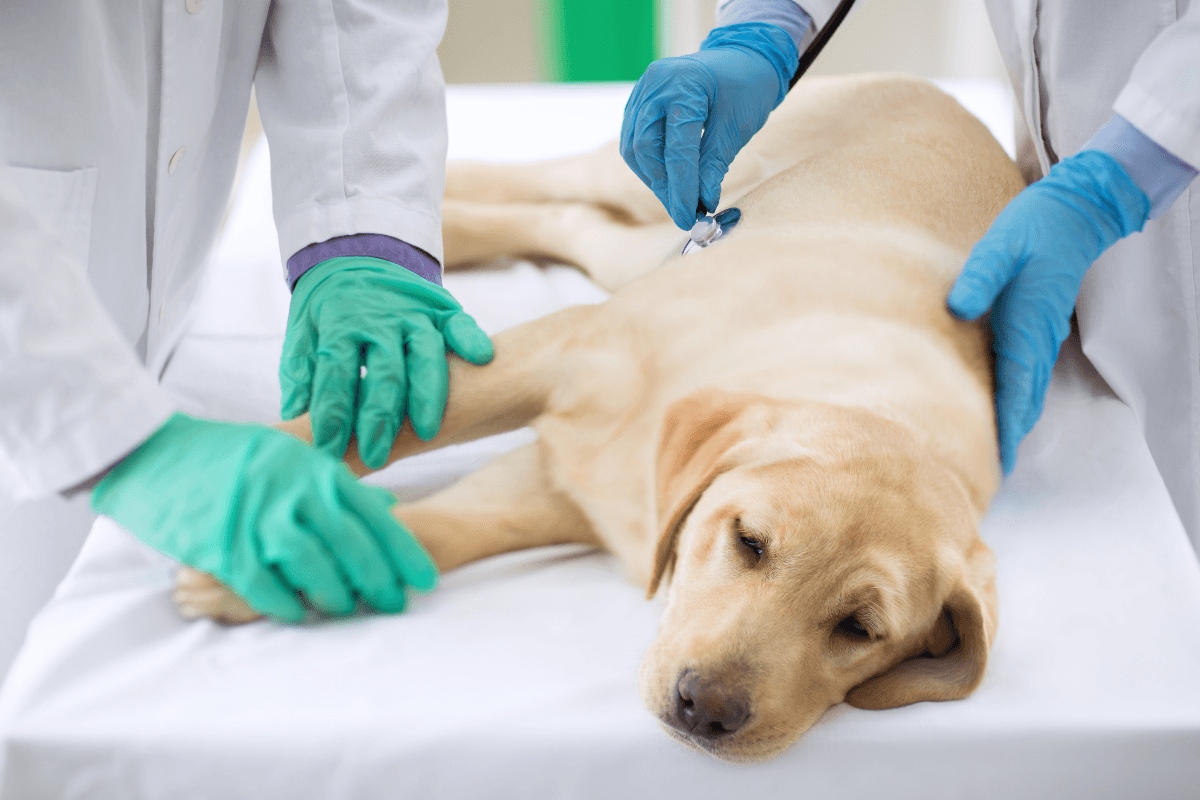
Caring for a dog with pancreatitis and diabetes in dogs can feel overwhelming. These conditions influence each other, and small mistakes may trigger setbacks. This practical guide explains the medical links, early warning signs, evidence-based treatments, and safe home care you can discuss with your veterinarian. It also outlines feeding strategies and humane planning when illness advances.
Key Takeaways
- Linked conditions: pancreatic inflammation can disrupt insulin balance and glycemia.
- Watch for red flags: pain, vomiting, lethargy, and new neurologic signs.
- Early fluids, analgesia, and antiemetics reduce complications and hospitalization time.
- Low-fat, consistent meals support recovery and diabetes stability.
- Plan monitoring: glucose curves, electrolytes, and pancreatic-specific testing.
Pancreatitis and Diabetes in Dogs: How They Interact
Pancreatitis inflames the exocrine pancreas and may impair adjacent endocrine islets. That disruption can raise blood sugar or destabilize existing diabetes. In some cases, transient hyperglycemia occurs during acute illness. After recovery, some dogs return to baseline, while others need insulin adjustments. For an overview of carbohydrate metabolism and management principles, see Insulin for Dogs for foundational concepts and terminology.
Inflammation increases counter-regulatory hormones and stress responses. These factors can precipitate dehydration, electrolyte shifts, and even ketone formation in vulnerable patients. When persistent vomiting, abdominal pain, or rapid breathing appear, assess ketones promptly; for escalation pathways, review Diabetic Ketoacidosis in Dogs for risk context and urgent indicators. For diagnostic scope and definitions, the ACVIM consensus outlines testing strategies in canine pancreatitis.
Causes and Triggers
Multiple factors can contribute to pancreatic inflammation, and veterinarians often evaluate diet, medications, and endocrine comorbidities together. High-fat meals, dietary indiscretion, obesity, and hyperlipidemia are common contributors. Some breeds have higher risk. Concurrent endocrine disease, such as hypothyroidism or poorly controlled diabetes, may add stress to the pancreas. Discuss Diabetes in Dogs Guide to understand overlapping signs that complicate diagnosis.
Ask your veterinarian directly about what causes pancreatitis in dogs during workups. They may review recent diet changes, access to trash, and exposure to new drugs. Corticosteroids, certain chemotherapeutics, and some antiepileptics can increase risk. A careful medication history and fasting lipid profile often clarify direction. For general background, the Merck Veterinary Manual summarizes known and suspected contributors.
Toxic Triggers
Toxins are less common than dietary triggers but deserve attention when histories are unclear. Zinc ingestion from coins, organophosphate or carbamate insecticides, and certain mycotoxins can damage pancreatic tissue. Rarely, snake envenomation or scorpion stings may precede acute cases in endemic areas. Vets may request bloodwork that screens metals or cholinesterase activity when exposure is plausible. Secure household chemicals, pest products, and supplements out of reach. If an ingestion window is narrow, decontamination protocols may be considered to limit severity; the ASPCA poison control offers general toxicology resources for pet owners.
Recognizing Worsening Signs
Track symptoms daily, because early change often predicts complications. Mark down appetite, water intake, urination, stool, and energy level. Typical pain signs include a tense abdomen, praying posture, restlessness, or whining. Vomiting and diarrhea may alternate with anorexia. New tremors or shaking, sudden weakness, or collapse require urgent reassessment. To contextualize high blood sugar indicators during flares, see Hyperglycemia in Dogs for symptom patterns and testing tips.
Keep a short list of signs of worsening pancreatitis in dogs so household members recognize them quickly. Concerning changes include uncontrolled vomiting, blood in stool, black tarry stools, jaundice, fever, or rapid breathing. Neurologic signs, confusion, or acetone-smelling breath suggest metabolic complications. Immediate veterinary contact is essential if mentation changes, if the dog cannot keep water down, or if pain appears severe despite medication.
Diagnosis and Monitoring
Vets combine history, physical exam, and diagnostics to confirm pancreatitis and map glucose trends. Abdominal ultrasound can visualize pancreatic enlargement, hypoechoic tissue, and fat saponification. Pancreatic-specific lipase assays (e.g., cPLI) add sensitivity relative to routine enzymes. Baseline labs include CBC, chemistry, electrolytes, triglycerides, and urinalysis. For diabetes, serial blood glucose curves and urine ketone testing help guide adjustments to insulin timing and diet.
Home monitoring plans should match disease severity. You may be asked to record appetite, vomiting episodes, stool quality, and capillary glucose readings. Share readings and symptom logs before each recheck. Providers adjust care based on hydration status, electrolytes, and glycemic variability. For insulin fundamentals and terminology you will encounter in treatment plans, review Insulin for Dogs for context around formulations and actions. Practice-level guidance on pancreatitis diagnostics is also summarized in the AAHA guidelines for concurrent diabetic management considerations.
Treatment and Supportive Care
Evidence-based treatment for pancreatitis in dogs emphasizes stabilization and comfort. Intravenous fluids correct dehydration and electrolyte losses. Analgesia with opioids or multimodal regimens reduces stress and improves perfusion. Antiemetics such as maropitant help control vomiting; for dosing context and cautions, see Cerenia for Pets Uses and Dosage as an overview. Prokinetics like Metoclopramide may be selected when delayed gastric emptying complicates feeding.
Diabetic dogs often need temporary insulin adjustments during illness. Providers may alter dose timing or type while hospitalized, then reassess on discharge. Some transition from intermediate-acting to longer-acting insulins when variability settles; see Humulin N Dosage for Dogs for educational detail on one formulation. Product examples sometimes used in canine diabetes management include Caninsulin Vial and Prozinc Vial; these links illustrate product profiles you can discuss with your veterinarian.
Inpatient vs. Home Care
Hospitalization is often recommended for moderate to severe cases, or when vomiting prevents oral medications and feeding. Inpatient care permits IV fluids, injectable analgesia, serial electrolytes, and earlier nutrition. Mild, appetite-preserved cases may be managed at home with antiemetics, pain control, gut rest for a brief period, and cautious refeeding. Your veterinarian will weigh dehydration, abdominal pain, comorbidities, and owner monitoring capacity. If insulin injections continue at home, appropriate needle size and technique improve comfort; for device considerations, see BD Ultrafine II Syringes as an example of equipment attributes to review.
Nutrition and Feeding
Feeding plans aim to reduce pancreatic stimulation while sustaining glycemic stability. Many dogs benefit from low-fat, highly digestible diets given in small, frequent meals. Consistency is vital to match insulin action and avoid spikes. High-fat treats, table scraps, and sudden diet changes should be avoided during recovery. For dogs with hyperlipidemia, veterinarians may recommend therapeutic diets and weight management to reduce future episodes.
Owners often ask what to feed a dog with pancreatitis once vomiting settles. Your provider will guide exact timing of re-introduction and the initial feeding size. Most start with bland, low-fat food and build up over 24–72 hours if tolerated. Diabetic dogs may require carbohydrate sources with moderate fiber to temper postprandial glucose, but plans are individualized. For broader disease context across canine conditions, browse Pet Health resources for nutrition themes relevant to chronic care.
Feeding During Recovery
Recovery diets balance calorie needs with fat restriction. Lean proteins such as skinless chicken or veterinary therapeutic diets are common starting points. Some clinicians consider medium-chain triglycerides for certain dogs, but evidence and tolerance vary. Keep meal size small initially, then increase slowly as nausea resolves. Match feeding times to insulin peaks to reduce variability. Document appetite and stool consistency daily, and share any setbacks promptly so the plan can be modified.
Home Care and Comfort
Owners often ask how to comfort a dog with pancreatitis during flare-ups. Provide a quiet, dim area with soft bedding and minimal handling while pain control starts working. Keep fresh water accessible; if nausea is present, offer small, frequent sips. Use a crate or a calm room to prevent pacing that worsens fatigue. Avoid fatty treats and any unprescribed medications while recovery proceeds.
Adhere closely to prescribed antiemetics, analgesics, and diabetes medications. If giving insulin, confirm the correct syringe, dose markings, and injection rotation; the device features on BD Ultrafine II Syringes illustrate needle considerations you can discuss. For context on insulin formulations, product pages like Caninsulin Vial and Prozinc Vial show examples to compare with your vet’s recommendations.
Prognosis and End-of-Life Considerations
Outcome varies with severity, response to care, and comorbid disease. Mild cases often recover well with supportive therapy and diet changes. Severe necrotizing disease, systemic inflammation, or persistent metabolic instability carry a guarded outlook. Ask your veterinarian directly whether is pancreatitis in dogs fatal when complications arise. Humane planning centers on pain control, hydration status, ability to eat, and quality-of-life tracking.
When repeated hospitalizations, unrelenting pain, or refractory metabolic crises occur, early conversations about goals can reduce suffering. Care teams may use structured quality-of-life scales to guide decisions. Owners should also understand emergencies like hypoglycemia or coma; for warning signs and escalation, review Diabetic Coma in Dogs to recognize urgent thresholds. If continuing insulin therapy, background reading like Humulin N Dosage for Dogs can help you follow discussions about regimen changes.
Recap
Pancreatitis and canine diabetes often interact, complicating hydration, nutrition, and glucose control. Early recognition, appropriate diagnostics, and evidence-based supportive care improve outcomes. Work with your veterinarian to tailor feeding, insulin, and monitoring to your dog’s needs. Maintain a calm home routine, track daily signs, and escalate promptly when red flags appear. Thoughtful planning preserves comfort and reduces complications over time.
Note: External clinical guidance in this article references the ACVIM consensus, the AAHA guidelines, and the Merck Veterinary Manual for additional background.
This content is for informational purposes only and is not a substitute for professional medical advice.


