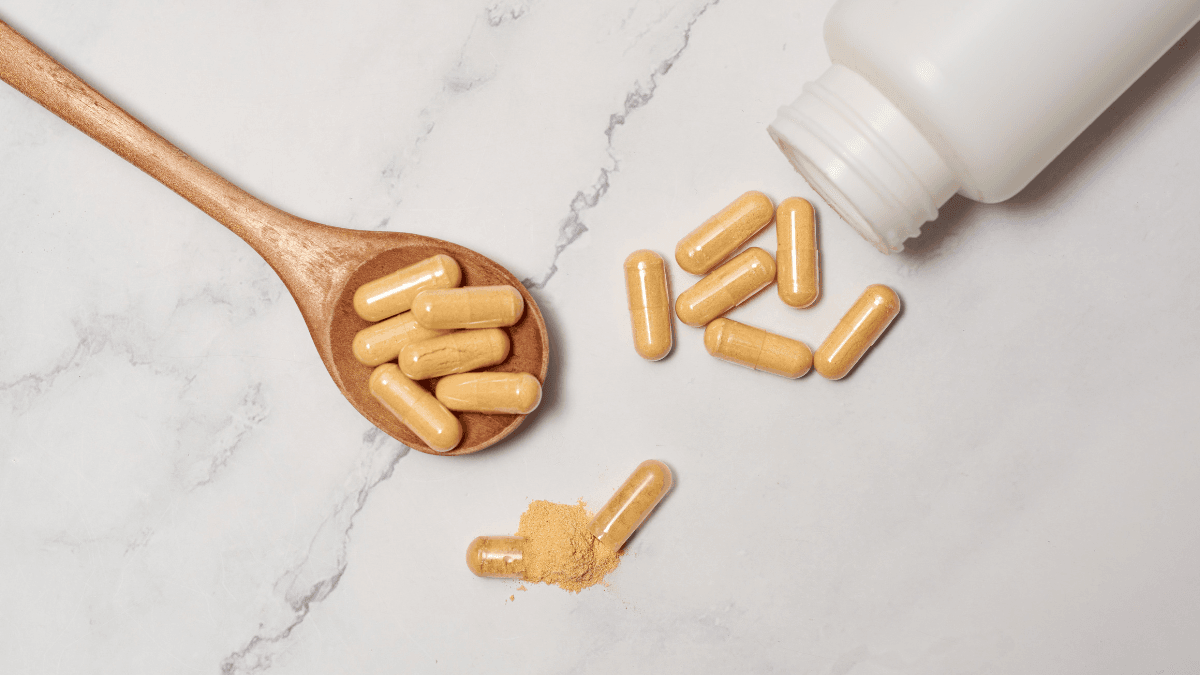
Probiotics and type 2 diabetes can be a reasonable topic to discuss with your care team, but probiotics are not a diabetes treatment by themselves. Research suggests they may offer small, variable benefits for fasting glucose, A1C, gut symptoms, and some lipid measures. Results depend on the strain, dose, diet quality, fiber intake, and your baseline gut microbiome.
The practical goal is simple: use probiotics as an add-on, not a replacement. Keep prescribed medicines, nutrition therapy, physical activity, sleep, and glucose monitoring at the center of care. Then decide whether a food-based or supplement-based probiotic trial is worth tracking.
Key Takeaways
- Evidence is modest: glucose changes are usually small and variable.
- Strain details matter: genus, species, and strain should be listed.
- Fiber supports results: prebiotics feed helpful microbes.
- Metformin pairing is common: watch gut symptoms and timing.
- Safety still matters: immunocompromised people need medical guidance.
Should People With Type 2 Diabetes Take Probiotics?
Some adults with type 2 diabetes may choose probiotics for gut comfort or a modest metabolic support trial. The strongest reason is usually digestive tolerance, especially bloating, irregular stools, or metformin-related gastrointestinal upset. A second reason is interest in gut health as part of a broader cardiometabolic plan.
However, probiotics and type 2 diabetes research does not support using supplements as a substitute for diabetes medication, carbohydrate planning, or regular follow-up. Most studies show small average improvements, not predictable individual results. Some people notice better stool regularity or less bloating. Others see no measurable change.
A cautious approach works best. Pick one product or food strategy, keep other major habits stable, and track results for several weeks. If you change your diet, medication formulation, and probiotic at the same time, you cannot tell which change helped.
Why it matters: Small improvements can still be useful, but only when they are measured honestly.
People with pregnancy, kidney disease, gastroparesis, eating disorders, recurrent hypoglycemia, severe immune suppression, or complex medication plans should ask a clinician or registered dietitian before making major supplement or fiber changes. These situations can change safety, meal planning, and glucose targets.
What the Evidence Shows for Glucose, A1C, and Lipids
Clinical trials suggest probiotics may slightly improve fasting glucose, A1C, insulin resistance markers, and lipid patterns in some adults with type 2 diabetes. The effect is not uniform. Meta-analyses often find stronger signals with multi-strain products, longer study periods, and participants who start with poorer glycemic control.
A1C reflects average glucose over roughly two to three months. If you are comparing A1C with estimated average glucose, a conversion tool can help you understand lab results in familiar glucose units. It does not diagnose diabetes or replace clinical interpretation.
HbA1c & eAG Calculator
Convert between HbA1c percentage and estimated average glucose using the ADAG relationship.
These calculations are for education only and do not replace clinical advice, diagnosis, or treatment. Always confirm medical decisions with a qualified healthcare professional.
When people search for probiotics to lower A1C, the wording can be misleading. Probiotics may support small changes, but they do not reliably lower A1C on their own. Food quality, carbohydrate amount, medication adherence, body weight, sleep, and physical activity usually have larger effects.
Lipid results are also mixed. Some studies report small improvements in LDL cholesterol, triglycerides, or total cholesterol. Others do not. This is why probiotics are best viewed as one possible support within a larger risk-reduction plan, not as a lipid treatment.
For broader nutrition context, fermented dairy and live-culture foods can be part of a diabetes eating pattern when portions and carbohydrate content fit your plan. For label-reading examples, see Best Yogurt For Diabetics. For plant-based food choices that may support meal balance, Tofu For Diabetics covers protein, carbohydrate, and meal-planning considerations.
How Gut Microbes May Affect Insulin Resistance
Gut microbes influence metabolism through digestion, immune signaling, and gut barrier function. They ferment certain fibers into short-chain fatty acids, including acetate, propionate, and butyrate. These compounds may support the intestinal lining and affect hormones involved in appetite and glucose handling.
Insulin resistance means the body needs more insulin to move glucose from the bloodstream into cells. Low-grade inflammation, altered bile acid signaling, and changes in gut barrier function may contribute to that process. Probiotics may influence some of these pathways, but the effect depends on the organisms used and the diet feeding them.
This is where prebiotics matter. Prebiotics are fermentable fibers that feed beneficial microbes. Common food sources include oats, beans, lentils, onions, garlic, asparagus, bananas, and cooled cooked potatoes or rice. Increase these foods gradually, because a sudden fiber jump can worsen gas or bloating.
Polyphenols, the plant compounds found in many colorful foods, may also shape the gut environment. For food-based context, Polyphenols And Diabetes explains how these compounds fit into diabetes nutrition. If you are choosing fruit, Fruits For Diabetics reviews portions, fiber, and glucose response.
Why the Same Probiotic Can Feel Different Across People
Responses vary because every person starts with a different microbiome, diet, medication pattern, and symptom profile. A product that helps one person’s bowel regularity may do little for another person’s glucose readings. Antibiotic use, fiber intake, sleep, alcohol intake, and gastrointestinal conditions can also change the response.
This variation explains why terms like best probiotics for diabetics or best probiotics for gut health need careful interpretation. A better question is whether a product lists studied strains clearly, has quality testing, fits your safety profile, and matches your goal.
Choosing a Probiotic Product or Food Source
The best probiotic choice starts with the label, not the brand name. Look for the genus, species, and strain, such as Lactobacillus or Bifidobacterium followed by specific strain letters or numbers. A label that only says “proprietary probiotic blend” gives less useful information.
Colony-forming units, or CFU, describe viable organisms in a product. Higher is not always better. The product should state whether the CFU count is guaranteed through the expiration date, not only at manufacturing. Storage instructions also matter, because heat and moisture can reduce viability.
Consider these decision points when comparing options:
- Clear strain listing: avoid vague blends when possible.
- End-date CFU count: check viability through shelf life.
- Third-party testing: look for independent quality programs.
- Realistic claims: avoid products promising disease reversal.
- Simple trial plan: track one change at a time.
Multi-strain products are common in studies, especially combinations involving Lactobacillus and Bifidobacterium species. Some newer products focus on organisms involved in mucus layer function or glucose metabolism. Branded products, including Pendulum Glucose Control, should be evaluated by the same standards: strain transparency, published data, storage needs, and realistic claims.
Some names, such as Invontiva hypoglycemic probiotic or BBG9-1 probiotic, may appear in early research, advertisements, or product discussions. Treat these as prompts for careful label review, not proof of benefit. If you cannot verify the strains, quality controls, and human evidence, be cautious.
Food First or Supplement First?
Many people start with food because it also improves nutrient quality. Yogurt, kefir, sauerkraut, kimchi, tempeh, and other fermented foods can add microbial diversity. Check added sugars, sodium, and total carbohydrate, especially with flavored dairy products and large portions.
Supplements may be more practical when you want a defined strain or cannot tolerate certain fermented foods. They also make tracking easier because the dose and formulation stay consistent. Still, supplements work best when the rest of the diet provides enough fiber and varied plant foods.
Quick tip: Keep the package label until your trial is finished.
Using Probiotics With Metformin and Other Diabetes Care
Many people ask whether they can take metformin and probiotics at the same time. In general, no major interaction is established, but individual tolerance can vary. Some people separate doses by a few hours to make symptom tracking easier, not because a universal timing rule exists.
Metformin can cause diarrhea, nausea, gas, or abdominal discomfort, especially when started or increased. Probiotics may help some people with gut symptoms, but they should not be used to mask severe or persistent side effects. If diarrhea is ongoing, bloody, associated with dehydration, or linked with weakness, seek medical advice promptly.
For more context on medication-related digestive symptoms, see Type 2 Diabetes resources. The broader Diabetes collection can also help you compare nutrition, monitoring, and treatment topics without treating supplements as stand-alone care.
Digestive enzymes are a separate category. They help break down food components such as carbohydrates, fats, or proteins. They are not the same as probiotics. If you are considering digestive enzymes with metformin, ask a clinician or pharmacist, especially if you have pancreatic disease, unexplained weight loss, chronic diarrhea, or multiple medicines.
Tracking a Metformin-Related Probiotic Trial
Set one main goal before starting. For example, you might track stool consistency, urgency, bloating, fasting glucose, or post-meal readings. Use the same product, meal pattern, and timing when possible. This reduces noise in your results.
Stop and reassess if symptoms worsen, you develop fever, severe abdominal pain, allergic symptoms, or signs of infection. People with central venous catheters, critical illness, or severe immune compromise need specific medical advice before using live microbial products.
Prebiotics, Synbiotics, and Daily Food Patterns
Prebiotics and probiotics for diabetes are often discussed together because they do different jobs. Probiotics add live organisms. Prebiotics feed beneficial organisms already present in the gut. Synbiotics combine both in one food or supplement.
Fiber-rich foods may improve satiety, bowel regularity, cholesterol patterns, and post-meal glucose response. These benefits are not limited to the microbiome. They also come from slower digestion, better meal structure, and replacing lower-nutrient foods.
Good starting choices include legumes, oats, barley, chia seeds, ground flaxseed, vegetables, and lower-sugar fermented dairy. Garlic can also contribute prebiotic compounds, though it should not be treated as a glucose-lowering therapy. For a balanced discussion, see Garlic And Diabetes.
If fiber causes discomfort, increase slowly and drink enough fluids. People with gastroparesis, inflammatory bowel disease flares, strict fluid limits, or advanced kidney disease should get individualized guidance before adding large amounts of fiber or potassium-rich foods.
Safety, Quality, and Who Should Be Careful
Most healthy adults tolerate probiotics well. Temporary gas, bloating, or stool changes can occur when starting. These symptoms often relate to fermentation, added prebiotics, sugar alcohols, or a sudden increase in fermented foods.
Risk is higher in people who are critically ill, severely immunocompromised, or using central venous catheters. Rare bloodstream infections and fungal infections have been reported in vulnerable groups. This does not mean probiotics are unsafe for everyone, but it does mean “natural” does not automatically mean risk-free.
Quality also varies. Supplements are not regulated like prescription medicines. Choose products with transparent labeling, batch testing, expiration dates, and storage instructions. Avoid products that claim to cure diabetes, replace medication, or guarantee A1C reduction.
Women and men with type 2 diabetes may also have different reasons for considering probiotics. Some women look for products that support vaginal or urinary tract microbial balance. Some men focus on gut symptoms or cardiometabolic markers. The safety principles stay the same: clear strains, quality controls, and goals that can be tracked.
CanadianInsulin.com provides educational resources and prescription referral support for eligible patients, while dispensing is handled by licensed third-party pharmacies where permitted. For supplement topics like this one, the main purpose is education and careful discussion with your own care team.
What to Track Before You Decide It Helped
Tracking helps separate real benefit from normal day-to-day variation. Choose a short list of outcomes before you start. Too many metrics can make the trial confusing.
- Fasting glucose: compare similar mornings.
- Post-meal readings: use similar meals.
- A1C: review when labs are due.
- Stool pattern: note frequency and urgency.
- Bloating or nausea: record severity and timing.
- Food changes: document fiber and fermented foods.
If your goal is blood sugar, keep expectations measured. A probiotic trial should not prompt medication changes unless your prescriber recommends them. If your readings are repeatedly above or below your target range, contact your diabetes care team rather than trying to correct the pattern with supplements.
If your goal is gut comfort, the most useful notes are often practical: stool consistency, urgency, gas, nausea, and whether symptoms affect meals or sleep. Bring the product name, strain list, dose, and start date to appointments. This helps clinicians assess whether the product is relevant or whether another cause needs evaluation.
Authoritative Sources
For diabetes care standards, nutrition therapy, and monitoring principles, review the American Diabetes Association’s Standards of Care in Diabetes—2024.
For a neutral safety review of probiotic usefulness, quality concerns, and vulnerable groups, see the NCCIH resource Probiotics: Usefulness and Safety.
For consumer background on dietary supplements and label issues, the NIH Office of Dietary Supplements provides What You Need To Know About Dietary Supplements.
Recap
Probiotics and type 2 diabetes research points to possible small benefits, mainly for gut comfort and modest metabolic markers. The most useful products list strains clearly, provide viable counts through expiration, and avoid unrealistic disease claims.
Food quality, fiber intake, medication adherence, and monitoring remain more important than any single supplement. If you try a probiotic, make one change at a time, track clear outcomes, and involve your care team when symptoms, safety risks, or glucose patterns are concerning.
This content is for informational purposes only and is not a substitute for professional medical advice.