
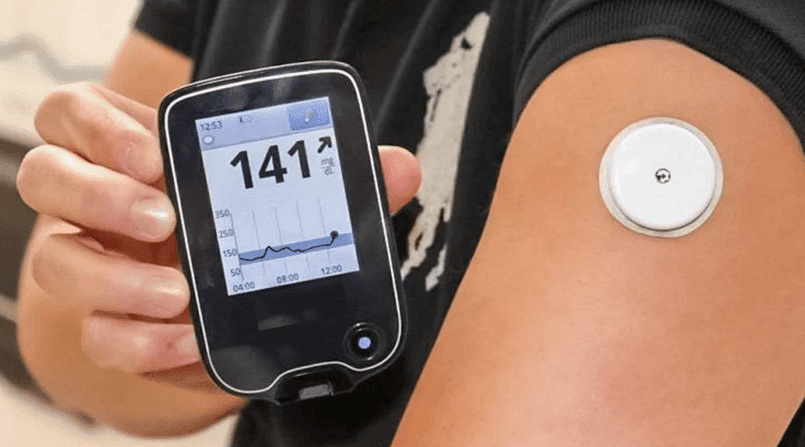
A glucose monitor is a device that helps you check blood sugar at home or during daily life. Some use a finger-prick blood sample. Others use a wearable sensor called a continuous glucose monitor, or CGM. The right option depends on why you test, how often you need readings, your comfort with technology, and what your clinician wants to monitor. This matters because device choice can affect how quickly you notice highs, lows, and patterns that may need review.
Key Takeaways
- Meter versus CGM: finger-prick meters measure a current blood sample, while CGMs estimate glucose trends.
- No universal best device: the right choice depends on testing purpose, comfort, access, and clinician guidance.
- Sensor systems reduce fingersticks: some readings may still need finger-prick confirmation.
- Technique affects accuracy: clean hands, compatible strips, and proper storage matter.
- Symptoms come first: seek urgent help for severe low or high blood sugar symptoms.
How a Glucose Monitor Fits Into Diabetes Care
A home device helps track day-to-day glucose patterns, but it does not replace lab testing or clinical review. Laboratory tests, such as fasting plasma glucose and A1C, help diagnose diabetes and assess longer-term trends. Home readings help you and your care team see what happens around meals, activity, illness, sleep changes, and medication timing.
If you are being evaluated for diabetes, start with clinical testing rather than relying only on a home device. Our overview of Type 2 Diabetes Testing explains common screening tests and when clinicians may use them. For longer-term glucose trends, A1C in Type 2 Diabetes covers what that lab value can and cannot show.
Why it matters: A single home reading is a data point, not a full picture.
People often ask which device is most accurate. The safer answer is that accuracy depends on both the device and the way it is used. A regulator-cleared meter or sensor can still give misleading information if strips are expired, hands are contaminated, sensors are compressed during sleep, or readings are interpreted without symptoms and context.
Main Device Types and Where Each Helps
The main choices are finger-prick meters and CGM systems. A finger-prick meter uses a small blood sample from a lancet and test strip. A CGM uses a small sensor placed under the skin to estimate glucose in interstitial fluid, the fluid around cells. Both can be useful, but they answer slightly different questions.
| Device type | How it checks glucose | Where it helps | Key limits |
|---|---|---|---|
| Finger-prick meter | Small capillary blood sample on a test strip | Spot checks, confirmation readings, lower-tech routines | Requires strips, lancets, and careful technique |
| Continuous glucose monitor | Wearable sensor estimates interstitial glucose | Trends, overnight patterns, alerts, fewer fingersticks | May lag behind blood glucose during fast changes |
| Receiver or phone display | Shows data from the sensor system | Trend review, alarms, sharing reports when supported | Needs compatible, charged devices |
| Watch display | Usually mirrors CGM data from another device | Convenient glanceable alerts | Most watches do not independently measure glucose |
Many people use more than one tool. For example, a CGM user may still keep a meter for confirmation checks, travel, sensor warm-up periods, or times when symptoms do not match the sensor value. People using a finger-prick meter may add a CGM later if their care plan needs trend data.
For device context, item pages such as Contour Next Meter and Dexcom G7 Sensor show how different systems are named and what accessories they may involve. Product details should not replace clinician guidance about whether a system fits your condition or treatment plan.
What Best Should Mean When Comparing Devices
The best glucose monitor is the one that fits your testing need, gives reliable readings when used correctly, and is practical enough that you can use it consistently. A device with many features may be less helpful if the app is confusing, the sensor irritates your skin, or the supplies are hard to manage.
Accuracy and technique
Accuracy starts with a device that is authorized for its intended use. It also depends on technique. For meters, wash and dry your hands before testing, use compatible strips, close strip containers promptly, and avoid strips that are damaged or out of date. For more detail on strip use, see Contour Next Test Strips.
Lancets also matter. A lancet that is dull, shared, or reused inappropriately can increase discomfort and infection risk. Our resource on Lancets for Blood Sugar Testing covers selection and safety basics.
Data features and daily burden
CGMs can show arrows, graphs, and alerts. These features may help people who need trend information, but they can also feel overwhelming. Alarm fatigue is real. Ask whether alerts are adjustable, whether reports are easy to share, and whether the system works with the phone or receiver you already use.
Finger-prick meters are often simpler. They may be enough for people who need occasional checks or confirmation readings. The tradeoff is that they do not show what happened between checks. If you test only fasting glucose, you may miss post-meal spikes or overnight lows.
Access, documentation, and supplies
Before choosing a glucose monitor, confirm what supplies it needs. Meters need compatible strips and lancets. CGM systems may need sensors, transmitters, receivers, adhesive patches, or phone compatibility. Some devices require documentation or a prescription, while others may not. CanadianInsulin.com may help confirm prescription details with the prescriber when required.
Cost, coverage, and availability can vary by device, location, and eligibility. Avoid judging a system only by the starter kit. The ongoing supplies often shape the real-world burden.
Blood Sugar Monitors Without Finger Pricks
A blood sugar monitor without routine finger pricks usually means a CGM or wearable glucose sensor. These devices place a small filament under the skin and estimate glucose in interstitial fluid. The sensor sends readings to a receiver, phone, or compatible display at regular intervals.
No sensor-based glucose monitor is truly magic or completely free of limitations. Interstitial glucose can lag behind blood glucose when levels are changing quickly, such as after meals, exercise, or treatment for a low. A sensor may also be affected by pressure on the site, loose adhesive, warm-up periods, or certain interfering substances listed in the device information.
Some newer CGM systems have over-the-counter labels for specific uses, while others are prescription devices. Labels differ by country and device. Check the intended user group, whether insulin dosing decisions are allowed, and when finger-prick confirmation is recommended. If a wearable watch or ring claims to measure glucose without a sensor or blood sample, verify its regulatory status before relying on it.
A glucose monitor patch may be helpful for trend awareness, especially if you need alerts or want to see overnight patterns. It may be less suitable if you have adhesive reactions, cannot keep a sensor attached, dislike wearing devices, or need only occasional readings.
Reading Numbers Safely
Readings are safest when you interpret them with symptoms, timing, and your care plan. A number before breakfast means something different from a number after a large meal, during illness, or after activity. If you are unsure what range applies to you, review targets with a clinician rather than copying someone else’s goals.
People also use different units. The United States commonly uses mg/dL, while Canada and many other countries often use mmol/L. The converter below helps compare those units for general understanding. It does not decide whether a reading is safe for you.
Blood Glucose Unit Converter
Convert glucose readings between mg/dL and mmol/L without changing the clinical value.
These calculations are for education only and do not replace clinical advice, diagnosis, or treatment. Always confirm medical decisions with a qualified healthcare professional.
For a broader explanation of ranges, see the Blood Sugar Normal Range Chart. For testing cadence, Blood Sugar Monitoring Frequency explains why schedules differ across treatment plans.
High blood sugar can cause symptoms such as unusual thirst, frequent urination, fatigue, blurred vision, and nausea. Seek urgent medical help if high readings come with vomiting, dehydration, confusion, deep or labored breathing, fruity-smelling breath, chest pain, or severe weakness. Learn more in Hyperglycemia Signs.
Low blood sugar may cause shaking, sweating, hunger, fast heartbeat, confusion, irritability, or faintness. Follow the low-glucose plan provided by your clinician. Seek urgent help for severe confusion, seizure, loss of consciousness, or inability to keep food or drink down. Our guide on What To Do When Blood Sugar Is Low gives more safety context.
Food questions also come up often. No single fruit reliably lowers A1C by itself. A1C reflects average glucose over roughly two to three months, so portions, medication, activity, sleep, illness, and overall eating patterns matter. Peanut butter sandwiches contain carbohydrate, fat, and protein; the fat can slow glucose absorption, so they may not be the fastest choice for treating a sudden low unless your care plan says so.
Matching the Device to Type 2 Diabetes and Daily Routines
Continuous glucose monitoring devices for type 2 diabetes can be useful when trends change treatment decisions, when lows are a concern, or when a person wants more detail about meals and activity. They are not automatically necessary for every person with type 2 diabetes. Some people can manage well with periodic lab tests and a finger-prick meter, depending on their treatment plan.
Medication context matters. Insulin and some insulin-releasing medicines can raise the risk of low blood sugar. Other diabetes medicines may have a lower hypoglycemia risk when used alone, but individual risk still depends on food intake, kidney function, illness, alcohol use, and medication combinations. Do not change medicines because of device readings without discussing the pattern with a clinician.
Pregnancy, kidney disease, gastroparesis, recurrent highs or lows, and eating disorder history all deserve extra care. In these situations, ask your clinician or registered dietitian how often to check, what ranges apply, and when readings should prompt same-day contact.
Example: A person who only checks fasting glucose may think their pattern looks stable. A short-term CGM trial could show post-meal spikes that were not visible before. That finding would still need clinical interpretation, because the right response depends on medications, meals, activity, and overall health.
Common Problems That Distort Readings
Several everyday issues can make readings less reliable. Many are simple, but they are easy to miss when testing becomes routine.
- Unwashed hands: food residue can raise meter readings.
- Wet fingers: diluted blood can affect strip performance.
- Expired strips: old strips may read inaccurately.
- Poor storage: heat or humidity can damage supplies.
- Sensor pressure: lying on a CGM can cause false lows.
- Rapid changes: CGM values may lag behind blood glucose.
Quick tip: If a reading does not match how you feel, pause and recheck using the method your device instructions recommend.
Keep a simple record when readings seem inconsistent. Note the time, symptoms, recent food, exercise, illness, medication timing, and device issue. This helps your care team see whether the problem is a device issue, a technique issue, or a real glucose pattern.
Authoritative Sources
The following sources provide regulator-backed and major medical organization context for glucose monitoring devices and CGM use.
- FDA overview of blood glucose monitoring devices
- CDC guidance on continuous glucose monitors
- American Diabetes Association CGM information
Take your glucose monitor, strips, sensor packaging, app reports, or written log to appointments when possible. A clinician can compare your readings with symptoms and lab results, then help decide whether the device still fits your care plan.
This content is for informational purposes only and is not a substitute for professional medical advice.


