


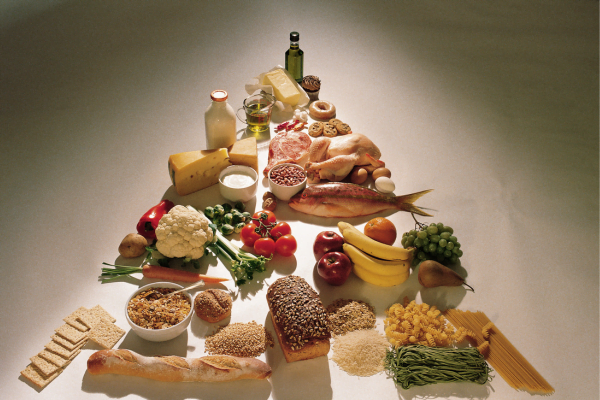
The diabetes food pyramid is a visual meal-planning tool that groups foods by nutrients, carbohydrate content, and usual portion size. It can help adults with diabetes build more balanced meals without treating every food as either forbidden or safe. The key point is practical: the pyramid is a starting map, not a personal prescription. Blood glucose response, medicines, culture, budget, activity, kidney health, and appetite can all change what works.
You may also see the diabetes plate method, carb counting, or an American Diabetes Association diet approach. These tools overlap. They all aim to make meals more predictable, easier to repeat, and easier to review with your care team.
Key Takeaways
- The pyramid is a planning aid, not a fixed diet.
- Carbohydrate quality and portion size both affect glucose.
- The plate method is often easier at meals.
- Food choices should reflect medicines, activity, and health needs.
- A registered dietitian can help set safer carbohydrate targets.
How the Diabetes Food Pyramid Works
The diabetes food pyramid organizes foods into groups so you can see where carbohydrates, protein, fat, fiber, and sweets usually fit. Older diabetes pyramid charts often placed grains, beans, and starchy vegetables near the base because these foods can provide energy and nutrients. Other sections included non-starchy vegetables, fruits, dairy, protein foods, fats, and sweets.
The idea was simple. Choose more nutrient-dense foods most often, use moderate portions of carbohydrate foods, and keep sugary or high-saturated-fat foods occasional. That is still useful, but the picture can be too broad for some people. A pyramid does not show medication timing, glucose readings, kidney needs, pregnancy, food insecurity, or how your body responds to one meal compared with another.
For example, a breakfast of cereal, banana, and juice may look light. It can still contain several carbohydrate sources at once. A plate with broccoli, tofu, lentils, and a smaller grain portion may feel larger while spreading carbohydrates across fiber, protein, and fat. For more diabetes nutrition basics, see the related Diabetes Food Guide Pyramid.
Why it matters: Two meals with similar calories can affect blood glucose differently.
Pyramid Groups in Everyday Food Choices
The most useful way to read the pyramid is by food role, not by strict ranking. A food near the bottom is not automatically unlimited. A food near the top is not always banned. Portions, frequency, and meal context matter.
Non-starchy vegetables
Non-starchy vegetables are often the easiest group to increase. Examples include leafy greens, broccoli, peppers, cucumbers, cauliflower, green beans, zucchini, tomatoes, and mushrooms. They add fiber, water, potassium, texture, and meal volume. They usually contain fewer digestible carbohydrates than bread, rice, pasta, potatoes, corn, fruit juice, or sweetened drinks.
Preparation still matters. Breading, creamy sauces, sweet dressings, and large amounts of added fat can change the meal. Plain, roasted, steamed, stir-fried, or soup-based vegetables are often easier to fit. If you want a food-specific example, Broccoli and Diabetes explains why portion, preparation, and meal pairing matter more than calling one vegetable a cure.
Carbohydrate foods
Carbohydrates include grains, starchy vegetables, fruit, milk, yogurt, beans, lentils, sweets, and many snack foods. They are not all the same. Oats, barley, beans, berries, lentils, and intact whole grains usually bring more fiber than refined grains or sugary drinks. Fiber can slow digestion and help meals feel more satisfying.
A diabetes food pyramid chart may list servings, but serving size still needs context. A small tortilla, a cup of soup, a bowl of rice, and a sweet coffee drink can contain very different carbohydrate amounts. Food labels, measuring cups, and glucose readings can help you learn patterns over time. Beans are a good example because they contain carbohydrate and protein together; the related page on Beans and Diabetes covers that balance in more detail.
Protein foods and fats
Protein foods include fish, poultry, eggs, tofu, beans, lentils, lean meats, and some dairy foods. Protein does not usually raise blood glucose as quickly as carbohydrate, but it still matters for fullness, muscle maintenance, and meal structure. Tofu, for example, can be useful in many eating patterns because it provides plant protein with little carbohydrate; see Tofu for Diabetics for a closer look.
Fat can also change digestion speed. Large, high-fat meals may affect glucose later for some people. Heart health matters because diabetes can increase cardiovascular risk. Many adults benefit from emphasizing unsaturated fats from nuts, seeds, avocado, olive oil, and fish, while limiting frequent high-saturated-fat choices. If you have heart disease, kidney disease, or high triglycerides, ask your clinician or dietitian for more specific targets.
Using the Plate Method With the Pyramid
The diabetes plate method turns broad food groups into a simple meal pattern. A common version fills half the plate with non-starchy vegetables, one quarter with protein foods, and one quarter with carbohydrate foods. This can be easier than using a pyramid at dinner, in a cafeteria, or at a restaurant.
Compared with the diabetes food pyramid, the plate method is less focused on lists and more focused on proportions. Carb counting is more precise, but it takes more effort. Many people use more than one tool. You might use the pyramid for grocery planning, the plate method for lunch, and carb counting when insulin timing or glucose patterns require more detail.
| Tool | Best Use | Main Limitation |
|---|---|---|
| Pyramid chart | Understanding food groups and general balance | Can feel vague about meal portions |
| Plate method | Building quick meals without counting every gram | May not be precise enough for some medication plans |
| Carb counting | Estimating carbohydrate intake more closely | Requires label reading and consistent tracking |
| Glucose monitoring | Learning your personal response to meals | Needs careful interpretation with your care team |
There is no single American Diabetes Association diet menu that fits everyone. Major diabetes nutrition guidance supports individualized eating patterns. The right structure depends on your glucose goals, medicines, weight history, kidney function, heart risk, appetite, and preferences.
Carbohydrate Servings and Glucose Response
Carbohydrate planning matters because carbohydrate has the most direct short-term effect on blood glucose. This does not mean people with diabetes must avoid all carbs. It means the amount, type, timing, and meal mix deserve attention.
Start with the foods that create the biggest swings for you. Sugar-sweetened drinks, large portions of refined grains, desserts, and oversized snack portions often raise glucose quickly. Whole fruit, beans, lentils, plain yogurt, and high-fiber grains may fit better for many people, but portions still count.
The calculator below can convert total carbohydrate into estimated carb servings. It is a general math aid, not a personal meal plan, insulin tool, or medication guide.
Carb Serving Calculator
Convert total carbohydrate grams into carb choices for meal planning and diabetes education.
These calculations are for education only and do not replace clinical advice, diagnosis, or treatment. Always confirm medical decisions with a qualified healthcare professional.
Use the result as a conversation starter if you track meals. Many carb-counting systems use a set carbohydrate amount per serving, but your care team may define your target differently. Do not change insulin, sulfonylurea, or other diabetes medication doses based only on a calculator result.
Quick tip: Check serving size first, then total carbohydrate on the label.
Repeated highs or lows need clinical review. This is especially important if you use insulin, have changing activity levels, are pregnant, have kidney disease, or have symptoms of hypoglycemia such as shakiness, sweating, confusion, faintness, or unusual weakness.
Foods to Emphasize, Limit, and Individualize
Searches for a type 2 diabetes food list often make foods look either safe or forbidden. Real meal planning is more nuanced. Some foods are useful most of the time. Some are best kept occasional. Others depend heavily on portion size, medication timing, and glucose response.
- Emphasize fiber-rich foods: vegetables, beans, lentils, berries, and intact grains.
- Choose protein sources: fish, poultry, tofu, eggs, legumes, and suitable dairy foods.
- Use fats thoughtfully: nuts, seeds, olive oil, and avocado can add calories quickly.
- Limit sugary drinks: soda, sweet tea, juice, and sweet coffee drinks can raise glucose fast.
- Watch refined starches: white bread, pastries, chips, and large pasta portions may be hard to balance.
- Plan treats deliberately: small portions work better than unplanned grazing.
Breakfast is a common trouble spot because many quick options combine refined starch and added sugar. Cereal can fit for some people, but label reading matters. The related page on Cereal With Diabetes explains how fiber, serving size, and added sugar can change the meal.
Culture and budget also matter. Brown rice is not the only acceptable grain. Beans, lentils, corn tortillas, barley, oats, chickpeas, plain yogurt, frozen vegetables, canned fish, and seasonal fruit can all fit different patterns. The goal is not to copy a perfect chart. The goal is to create meals you can repeat safely.
Common Questions the Pyramid Does Not Answer
A food pyramid for diabetic patients can organize choices, but it cannot answer every practical question. Many popular questions need context because a single food rarely controls A1C, prevents glucose spikes, or replaces medication and monitoring.
Tea is one example. Unsweetened tea may be a low-carbohydrate drink, but no tea should be treated as a reliable way to lower A1C. Candy is another. Candy with sugar can raise blood glucose, especially when eaten alone or in larger amounts. Some people use fast-acting carbohydrate to treat low blood sugar, but that should follow a clinician-approved hypoglycemia plan.
Canned tuna can fit many diabetes eating patterns because it provides protein and little carbohydrate. Sodium, mercury exposure, allergies, pregnancy guidance, and what you mix it with still matter. The same logic applies to many foods. Ask what role the food plays on the plate, what portion you are using, and what your glucose pattern shows afterward.
You may hear rules such as the 10-10-10 rule for diabetes. Meanings vary, and not all versions come from clinical guidance. If a rule affects medication, carbohydrate treatment for lows, exercise, or fasting, check it with your care team before using it.
When Your Plan Needs More Personal Guidance
A general diabetes food pyramid becomes less reliable when medical factors change food needs. Pregnancy, kidney disease, gastroparesis (delayed stomach emptying), eating disorders, advanced heart disease, food insecurity, and frequent hypoglycemia all require more tailored guidance. A registered dietitian or certified diabetes care and education specialist can help translate broad food groups into meals that fit your situation.
Medicines also change the picture. Insulin and some oral medicines can cause low blood sugar if food intake, activity, or timing changes. GLP-1 receptor agonists and similar medicines may affect appetite, fullness, nausea, or meal size. Those effects do not replace nutrition planning. They make consistent food choices and symptom tracking more important.
If you are reviewing diabetes products or nutrition supports, use product and condition pages as navigation, not as substitutes for individual care. CanadianInsulin.com functions as a prescription referral platform, and prescription details may be confirmed with the prescriber where required. You can browse related diabetes resources through the Diabetes Articles collection, the Diabetes Condition page, or the Diabetes Product Category.
Seek urgent care for severe low blood sugar, fainting, confusion, chest pain, severe dehydration, or symptoms of diabetic ketoacidosis such as vomiting, deep rapid breathing, or fruity-smelling breath. For less urgent patterns, bring glucose logs, food notes, medication timing, and activity details to your next appointment.
Putting the Framework Into Practice
Use the diabetes food pyramid as a grocery and meal-planning overview, then use the plate method to build individual meals. Add carb counting or glucose review when you need more precision. This layered approach keeps the chart useful while avoiding the false idea that one printable pyramid can answer every diabetes nutrition question.
A simple next step is to choose one meal you eat often. Identify the non-starchy vegetable, the protein food, the carbohydrate food, and the added fat. Then adjust one part at a time. You might reduce a large starch portion, add vegetables, switch from juice to water, or pair fruit with protein. Small changes are easier to evaluate than a complete diet overhaul.
If a meal repeatedly leads to high or low readings, do not judge it by the pyramid alone. Look at portion size, timing, activity, sleep, stress, illness, and medication schedule. Then review the pattern with a qualified professional, especially before changing carbohydrate targets or medication routines.
Authoritative Sources
- American Diabetes Association nutrition guidance explains meal patterns, carbohydrate awareness, and practical planning for diabetes.
- CDC healthy eating guidance for diabetes outlines plate planning, carbohydrates, and heart-healthy choices.
- NIDDK healthy living with diabetes reviews eating, activity, medicines, and day-to-day diabetes care.
This content is for informational purposes only and is not a substitute for professional medical advice.