Key Takeaways
- Primary indications: glycemic control and cardiovascular risk reduction in adults.
- Start low, titrate gradually, and monitor for gastrointestinal effects.
- Rotate injection sites and follow the weekly schedule carefully.
- Discuss alternatives if goals, tolerability, or access barriers persist.
What Is Dulaglutide and How It Works
Dulaglutide is a GLP-1 receptor agonist (incretin-mimetic) used for type 2 diabetes. It helps the body release insulin after meals, slows gastric emptying, and reduces glucagon. These effects can improve blood glucose and may modestly reduce weight. In this guide, we outline trulicity uses, safety, dosing basics, and practical tips.
Trulicity is given once weekly by subcutaneous injection. It is not insulin, but it complements pancreatic insulin secretion when glucose is elevated. Many people take it with metformin or other antihyperglycemics. Clinicians consider individual goals, kidney status, and prior therapies when selecting dulaglutide.
For official indications and safety details, the FDA prescribing information provides authoritative guidance for clinicians and patients alike. See the carefully reviewed FDA prescribing information for scope and limitations.
Trulicity Uses
The core indication is to improve glycemic control in adults with type 2 diabetes, as an adjunct to diet and exercise. It may be used alone or combined with agents like metformin, SGLT2 inhibitors, or basal insulin. Choice of combination depends on A1C targets, hypoglycemia risk, comorbidities, and patient preference.
Trulicity is also indicated to reduce major adverse cardiovascular events in adults with type 2 diabetes and established cardiovascular disease or multiple risk factors. This secondary prevention benefit supports use beyond glucose lowering. When clinicians select therapies, they weigh glycemic efficacy, cardiometabolic profile, and tolerability together.
For background on how GLP-1 agents are positioned in care pathways, see the ADA’s annually updated Standards of Care, which summarize evidence and practical considerations.
Safety Profile and Potential Side Effects
Common trulicity side effects include nausea, vomiting, diarrhea, abdominal pain, and decreased appetite. These gastrointestinal effects often occur during dose escalation and may lessen with time. Slower titration, smaller meals, and adequate hydration can support tolerability. Report persistent or severe symptoms to your healthcare professional.
Serious risks can include pancreatitis, gallbladder disease, acute kidney injury, and severe gastrointestinal disease. Trulicity carries a boxed warning about thyroid C-cell tumors seen in rodent studies; avoid use in people with a personal/family history of medullary thyroid carcinoma or MEN 2. Monitor for neck mass, hoarseness, or dysphagia, and seek evaluation if they arise.
Note: If severe abdominal pain radiates to the back, stop the medication and seek urgent assessment for possible pancreatitis. For a deeper discussion of risk signals and mitigation strategies, see our overview Worst Side Effects Of Trulicity for context on warning signs.
For practical symptom tracking and management approaches, the guide Manage Side Effects outlines supportive steps and red flags, which can help structure follow-up conversations.
Dosing and Titration: Getting Started Safely
Dulaglutide is supplied as a once-weekly, single-use pen. Most users start at a low dose and increase gradually to balance benefits and tolerability. The decision on when to increase trulicity dose should consider A1C trends, fasting and post-meal readings, and side effect burden. Dose changes require clinical supervision and individualized targets.
Give new doses at the same weekday and time when possible. If a dose is missed, there are label-based rules for when to administer late doses or skip; follow your prescriber’s guidance. When used with sulfonylureas or insulin, monitor for hypoglycemia and discuss dose adjustments of those agents as needed.
For dose steps, strengths, and decision frameworks, see Comparing Different Dosages for a structured look at escalation and plateaus. For personalization strategies and troubleshooting plateaus, consult Optimize Your Trulicity Dose to align timing, monitoring, and goals.
How to Inject: Sites, Technique, and Practical Tips
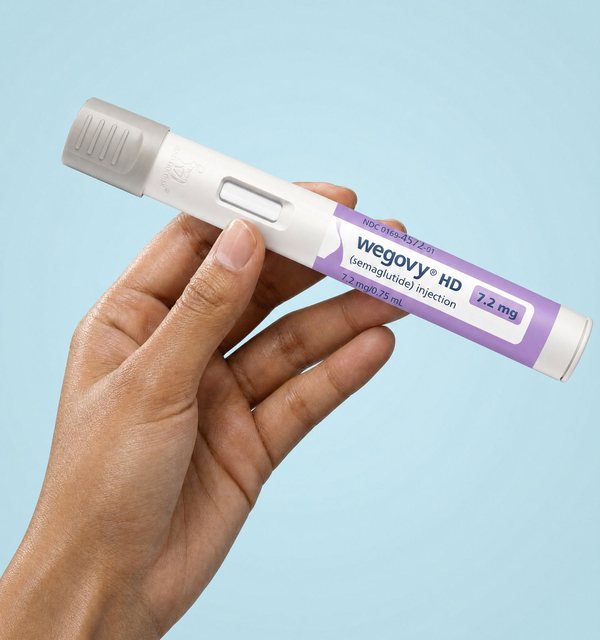
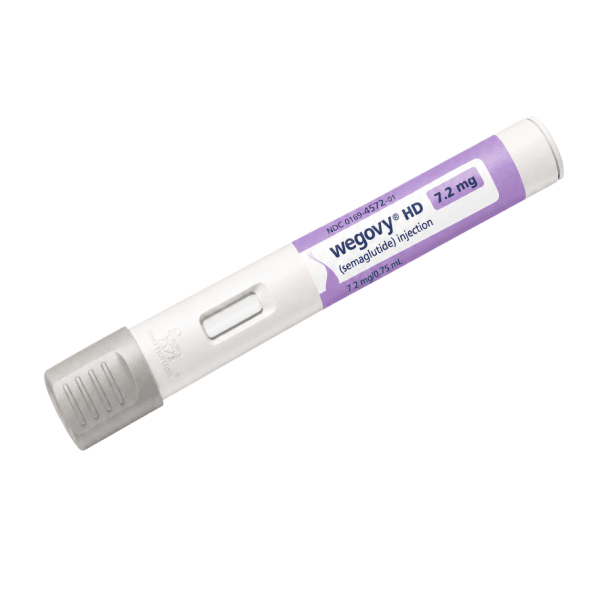
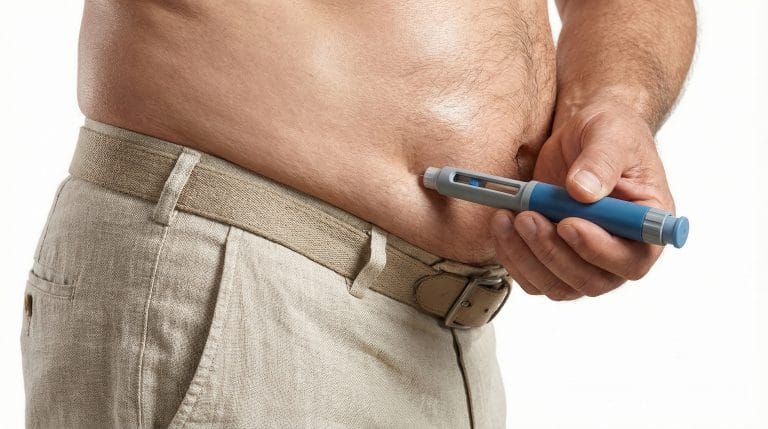
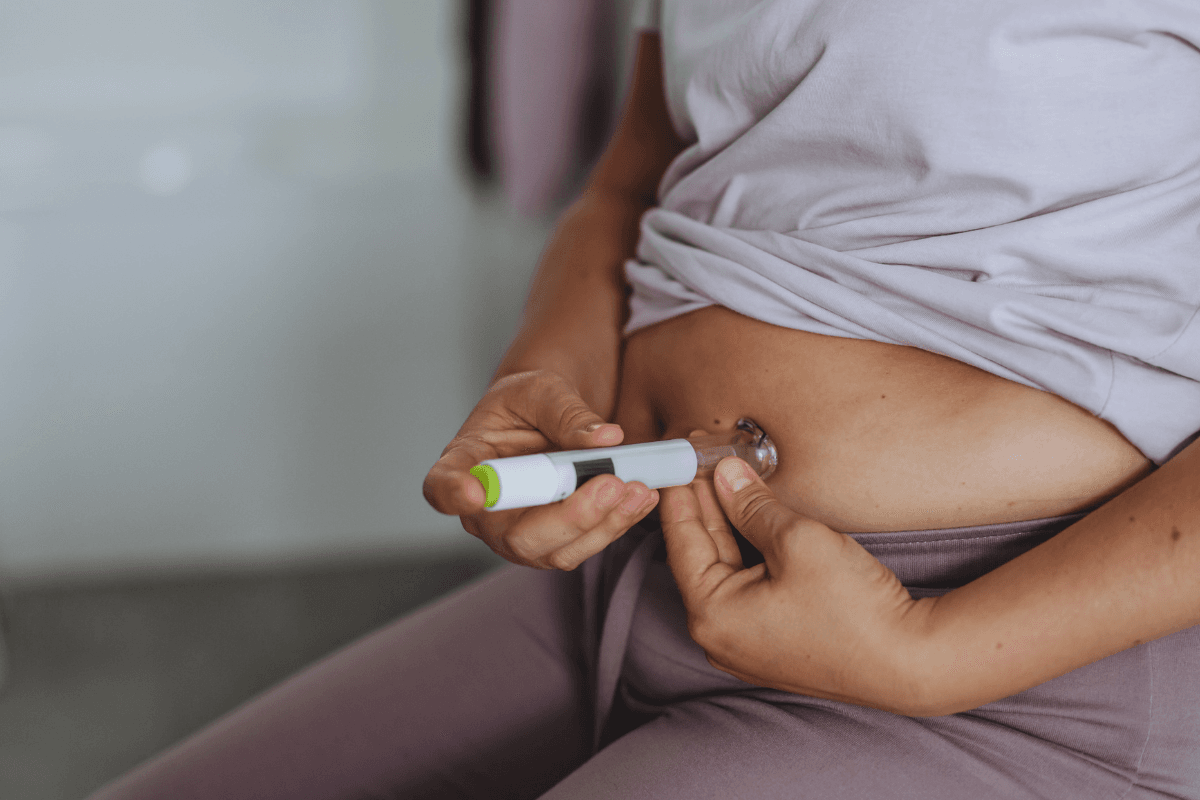
Dulaglutide is injected subcutaneously using a prefilled, auto-injector pen. Recommended trulicity injection sites include the abdomen, thigh, and upper arm (with assistance). Rotate sites with each dose to reduce local irritation and the risk of lipohypertrophy. Clean skin, check the pen, and follow each step in the device instructions.
Store unopened pens refrigerated and protect from light; do not freeze. Before a dose, allow the pen to reach room temperature per device instructions, which can reduce injection discomfort. Dispose of used pens in an FDA-cleared sharps container. If unsure about technique, ask your clinic to demonstrate.
Tip: Keep a simple rotation map and note date, site, and any local reactions. For device familiarity and troubleshooting, our piece What Drug Class provides background that can help frame expectations for injectable GLP-1 agents.
Food, Drinks, and Daily Habits
Many people tolerate dulaglutide better with small, frequent meals and lower-fat choices. Specific foods to avoid with trulicity are not mandated, but high-fat or very large meals may worsen nausea. Consider simple, bland options during early weeks if queasiness occurs. Maintain hydration and limit alcohol to reduce gastrointestinal stress and hypoglycemia risk.
Some users notice more jitteriness with high-caffeine beverages; sensitivity varies, and moderation is reasonable. Carbonated drinks or very sweet beverages may aggravate bloating or glucose variability. If certain foods or drinks consistently trigger symptoms, reduce exposure and reassess later. Keeping a brief food-symptom log can clarify patterns.
For a concise checklist of meal patterns, trigger foods, and timing adjustments, see Foods To Avoid for meal-planning ideas and practical substitutions.
Weight and Heart Outcomes
People often ask, what is the average weight loss with trulicity? Trials show modest, dose-related weight reductions on average, but results vary by diet, activity, and concurrent medications. Weight effects should be viewed as supportive, not guaranteed. Regular check-ins, nutrition support, and realistic goals can help align expectations with observed changes.
Dulaglutide also demonstrated fewer cardiovascular events in high-risk adults with type 2 diabetes. This cardioprotective signal complements glucose management, especially for those with established cardiovascular disease. Discuss how your risk profile fits evidence-based options for comprehensive prevention.
For a review of body-weight data and behavior strategies, see Aid In Weight Loss for diet, activity, and monitoring tips. For a focused look at vascular outcomes, our summary Heart-Healthy Benefits outlines event types, populations, and study caveats.
When interpreting outcomes, reference the manufacturer’s label and pivotal studies. The official labeling summarizes indications and key results; consult the FDA prescribing information for trial endpoints and safety contraindications.
Comparisons and Alternatives
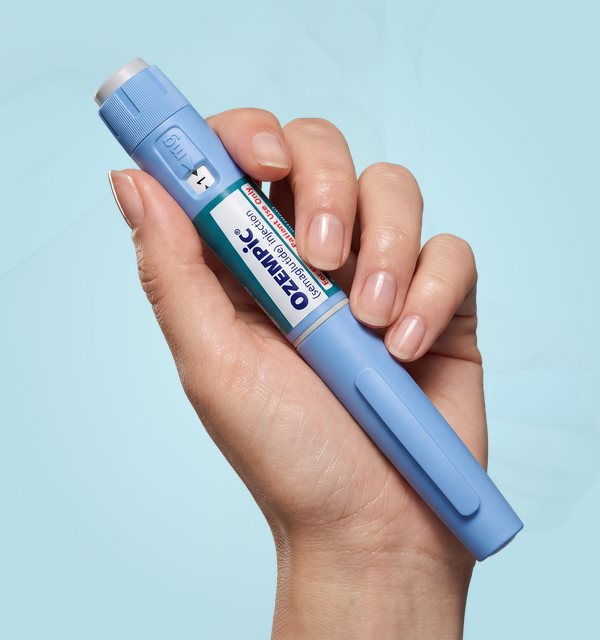
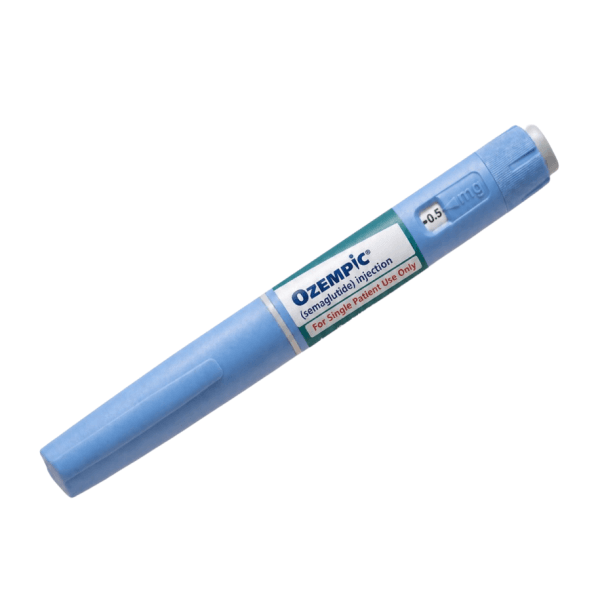
In head-to-head and indirect comparisons, semaglutide and dulaglutide show differing effects on A1C, weight, and gastrointestinal tolerability. The choice often depends on individual goals, prior experience, and insurance coverage. If considering trulicity vs ozempic, review comparative data and discuss trade-offs with your clinician.
For a structured side-by-side discussion, see Detailed Comparison For Diabetes for differences in outcomes and dosing cadence. If Mounjaro (tirzepatide) is on your radar, our analysis Trulicity Vs Mounjaro provides balanced context on efficacy and tolerability, helping frame informed choices.
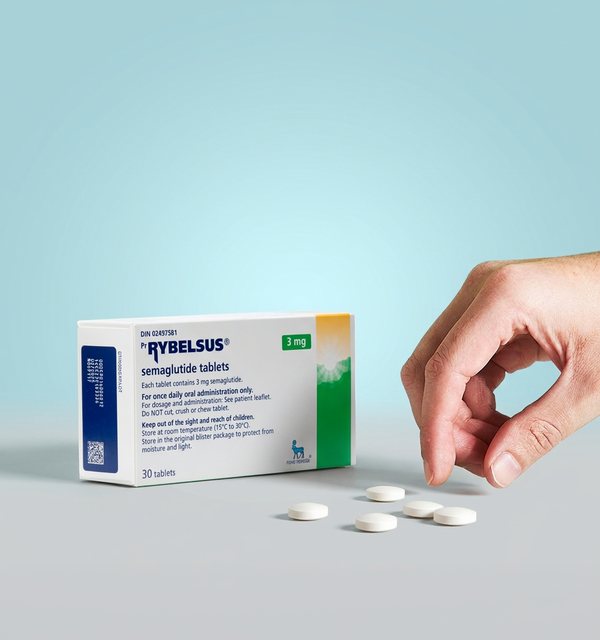
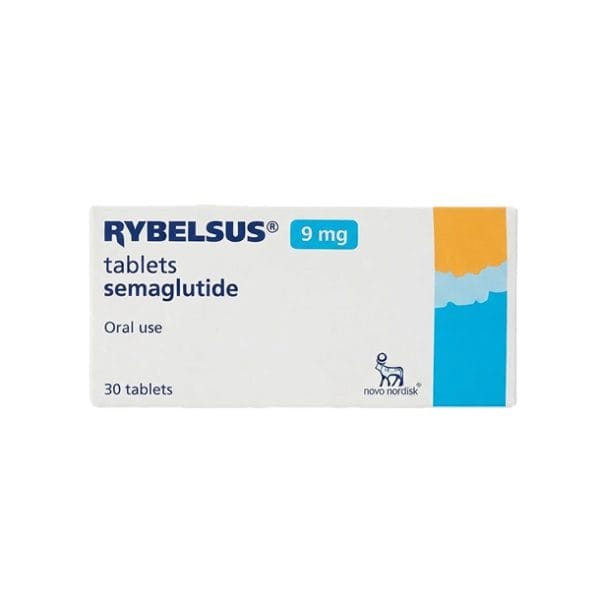
Patients exploring options beyond injectables may ask about oral GLP-1 therapy. For background on a once-daily pill alternative, review Rybelsus Semaglutide Pills for formulation differences and administration guidance. Those comparing incretin-based choices with emerging agents can also scan Zepbound for a non–GLP-1 option overview.
Access, Coverage, and Budgeting
Out-of-pocket cost varies widely by plan, pharmacy, and geography, so there is no single trulicity price. Insurers may require prior authorization or step therapy. Manufacturer savings programs sometimes offset copays for eligible users. Ask your plan about preferred tiers, mail-order options, and quantity limits before you start.
When availability fluctuates, practitioners may consider therapeutically similar agents or temporary dose adjustments, if appropriate. Track refill timing and communicate early about supply issues to avoid gaps. For a product overview and device specifics, see Buy Trulicity Pens Online to review presentation details and pen formats. If evaluating a different incretin agent, you can also compare the Mounjaro Kwikpen to understand device mechanics and weekly usage.
For broader reading across diabetes topics, our Type 2 Diabetes library organizes treatment, monitoring, and lifestyle guidance. It can help you frame questions for your next clinic visit and identify areas for shared decision-making.
Recap
Dulaglutide supports glucose control and cardiovascular risk reduction in adults with type 2 diabetes. Start low, titrate carefully, and monitor gastrointestinal tolerance and warning signs. Rotate injection sites, simplify meals during initiation, and track readings to inform follow-up.
Compare options if goals are unmet or access is limited. Use the label, high-quality guidelines, and structured internal resources to make informed, individualized choices over time.
This content is for informational purposes only and is not a substitute for professional medical advice.