
Choosing between weekly GLP-1 therapies can feel complex. Trulicity VS Bydureon remains a common comparison for people weighing device preferences, tolerability, and access. This guide explains how the drugs differ in mechanism, dosing, expected effects, and safety nuances. It also outlines switching considerations and current availability signals for informed discussions with your clinician.
Key Takeaways
- Weekly dosing, different devices: fixed-dose pen versus microsphere suspension.
- Comparable glucose control; weight effects vary by individual factors.
- Class warnings apply; injection-site nodules occur more with exenatide ER.
- No universal conversion chart; switching needs clinical oversight.
- Availability can change; verify local supply and formulary status.
Trulicity VS Bydureon: Quick Overview
Both medicines are glucagon-like peptide-1 receptor agonists (GLP-1 RAs). Trulicity (dulaglutide) uses a fixed-dose prefilled pen and does not require reconstitution. Bydureon (exenatide extended-release) delivers drug from biodegradable microspheres after mixing. Each is administered weekly, aiming to improve glycemic control in adults with type 2 diabetes.
While they share a class, the molecules differ. Dulaglutide is a large peptide linked to an Fc fragment, which prolongs action. Exenatide ER embeds medication in microspheres for slow release. These design choices influence device handling, local tolerability, and how quickly steady exposure is reached. For class-level mechanisms and examples, see GLP-1 Receptor Agonists for succinct background.
How They Work and When Effects Appear
GLP-1 RAs enhance glucose-dependent insulin secretion, reduce glucagon, slow gastric emptying, and promote satiety. These actions help lower postprandial and fasting glucose. People may notice appetite changes before glucose metrics fully reflect therapy effects. Early gastrointestinal reactions often settle as the body adapts to treatment.
Pharmacology varies across the class. Dulaglutide’s prolonged exposure supports consistent weekly coverage. Exenatide ER releases drug as microspheres biodegrade, which can produce injection-site nodules. Clinical goals typically include A1C reduction, fewer glycemic excursions, and potential weight change. For prescribing details and class cautions, review the dulaglutide FDA label and exenatide ER FDA label for authoritative guidance.
Dosing, Devices, and Administration
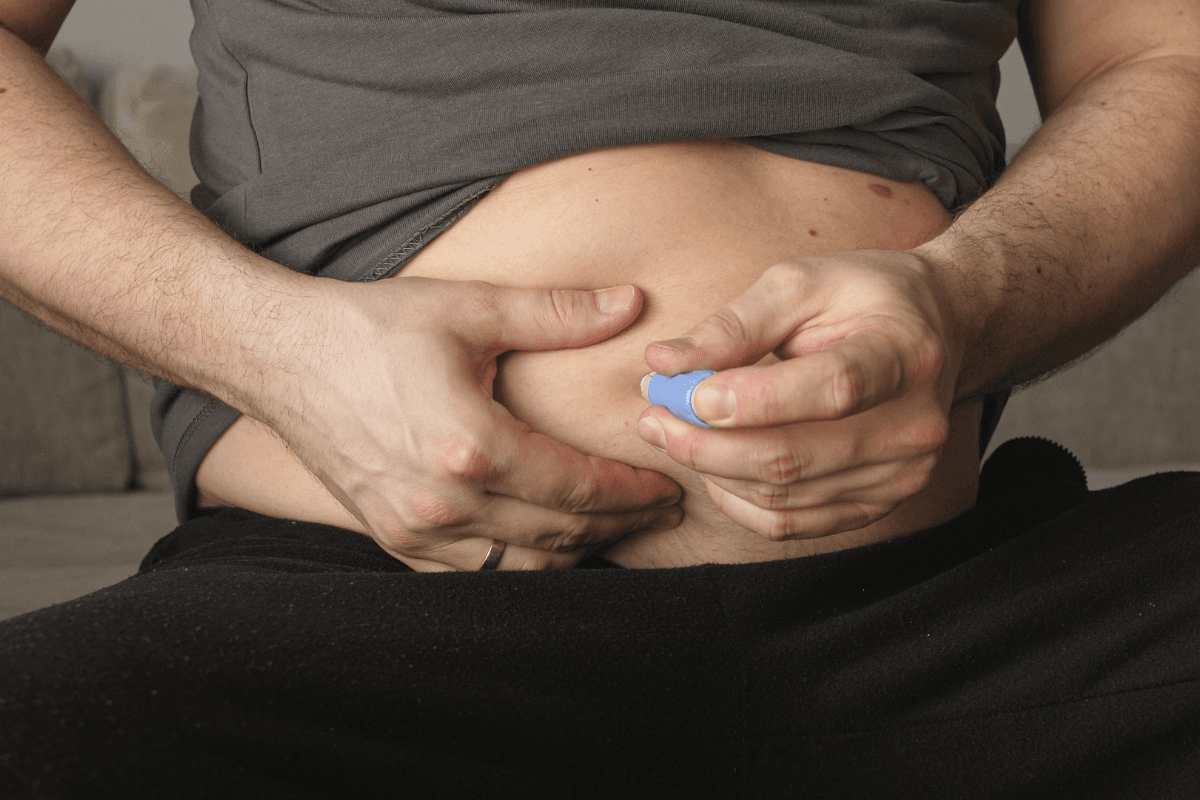
Trulicity pens deliver a single, preset dose via an autoinjector. No mixing is required, and the needle is not handled. Bydureon uses a suspension of exenatide ER; certain presentations require mixing until uniformly cloudy. Device design and preparation steps may influence user preference and training needs.
Technique matters with any bydureon injection. Rotate sites, allow the pen or autoinjector to reach room temperature, and use consistent weekly timing. For stepwise titration principles with dulaglutide, see Optimize Your Trulicity Dose for practical context. For exenatide-specific handling and dosing background, see Bydureon: Uses and Dosage to understand preparation nuances. If you want device format details, the Trulicity Pens page lists pen strengths to compare device options.
Efficacy for A1C and Weight Management
Across trials, both medicines help reduce A1C when combined with diet and exercise. Real-world responses vary based on baseline control, background therapies, and adherence. Some patients report appetite reduction and gradual weight change over time. Others mainly notice improvements in fasting and post-meal readings.
Evidence suggests similar glucose-lowering potential between agents, with study-to-study differences reflecting design and populations. Weight response is heterogeneous; any bydureon weight loss effect may differ from dulaglutide due to dose, tolerability, and individual biology. For comparative context across incretin options, review the ADA’s pharmacologic guidance in the current ADA Standards, which summarizes class use and treatment goals. For additional nuance on body weight outcomes, see Bydureon Weight Loss to compare expectations.
Safety Profile and Important Warnings
Common class effects include nausea, vomiting, diarrhea, and decreased appetite. These often lessen after the first few doses. Injection-site reactions may occur; with exenatide ER, nodules and localized pruritus are reported more frequently. Hypoglycemia risk rises when combined with insulin or sulfonylureas; clinicians may adjust those agents.
Serious risks are uncommon but important. GLP-1 RAs carry a boxed warning for thyroid C-cell tumors in rodents and are contraindicated with a personal or family history of medullary thyroid carcinoma or MEN2. Pancreatitis, gallbladder disease, acute kidney injury, and severe GI adverse effects have been reported. Review dulaglutide and bydureon bcise prescribing information for full contraindications and precautions; authoritative details are outlined in each medicine’s dulaglutide label and exenatide ER label. For a focused discussion, see Bydureon Side Effects to understand observed patterns.
Switching and Dose Conversion Guidance
Switching between GLP-1 RAs requires caution. There is no standardized glp-1 dose conversion chart that applies across molecules because potency, pharmacokinetics, and tolerability differ. Clinicians typically choose a conservative starting dose of the new agent and reassess tolerance, glycemia, and GI effects before any step-ups.
When transitioning from exenatide ER to another GLP-1 RA, residual release from microspheres should be considered. Conversely, changing from dulaglutide to another agent involves timing to limit overlap and GI burden. Comparative overviews like Trulicity vs Ozempic and Ozempic vs Bydureon provide context that helps frame discussions about switching strategies.
Availability and Market Status
Access can fluctuate based on manufacturing, distribution, and formulary decisions. Reports of is bydureon bcise still available and intermittent shortages have circulated in recent years. Status may differ by region and pharmacy network. If availability is uncertain, consider contacting your dispensing pharmacy and insurer for current listings and coverage.
Regulatory drug shortage databases provide useful signals, though entries may change without notice. For up-to-date status and supply notes, check the U.S. FDA drug shortages resource, which tracks products reported as unavailable or limited. For broader background on exenatide ER and alternatives, the comparative article Byetta vs Bydureon helps explain formulation differences that can affect stock.
Practical Fit: Who Might Prefer Each Option
Some patients prioritize a simple, prefilled pen with minimal steps. Others are comfortable with mixing and value steady-release profiles. Skin sensitivity and injection-site reactions may steer preferences. People concerned about GI effects may prefer gradual dose changes and careful meal planning during ramp-up.
Broader therapy context also matters. Those exploring alternatives to exenatide ER sometimes research bydureon vs mounjaro comparisons or look at oral options. For related incretin choices, see Trulicity vs Mounjaro for benefit and tolerability contrasts. Patients who prefer oral therapy can review Rybelsus Semaglutide Pills for how tablets differ in use. If diet questions arise during titration, Foods to Avoid With Trulicity offers practical meal-planning context.
Recap
Both medicines are weekly GLP-1 RAs with meaningful effects on glucose control. Device handling, dose flexibility, GI tolerability, and local reactions are key differences. Switching requires individualized planning and monitoring. Availability can change, so verify supply and coverage before making a transition.
Tip: Keep a simple log of doses, meals, and symptoms during the first month. Brief notes help your clinician tailor therapy and address tolerability.
For deeper background on exenatide options, see Exenatide Uses and Side Effects to understand formulation-specific points. If you are mapping the broader therapy landscape, the Type 2 Diabetes library organizes related articles by topic for quicker review.
This content is for informational purposes only and is not a substitute for professional medical advice.


