
Please note: a valid prescription is required for all prescription medication.
Beovu Pre-filled Syringe
Buy Beovu Pre-filled Syringe Online


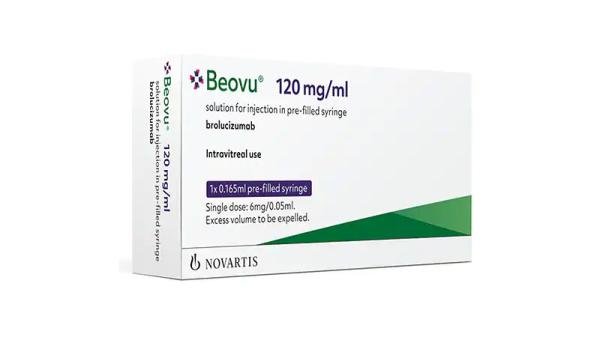
Beovu Pre-filled Syringe is a brolucizumab anti-VEGF eye injection used by retina specialists for selected retinal conditions. You can buy Beovu Pre-filled Syringe online, view the current Beovu price, and choose the strength and quantity that match the clinic’s treatment directions. The prefilled syringe is intended for intravitreal use, meaning injection into the vitreous gel inside the eye by a trained eye care professional.
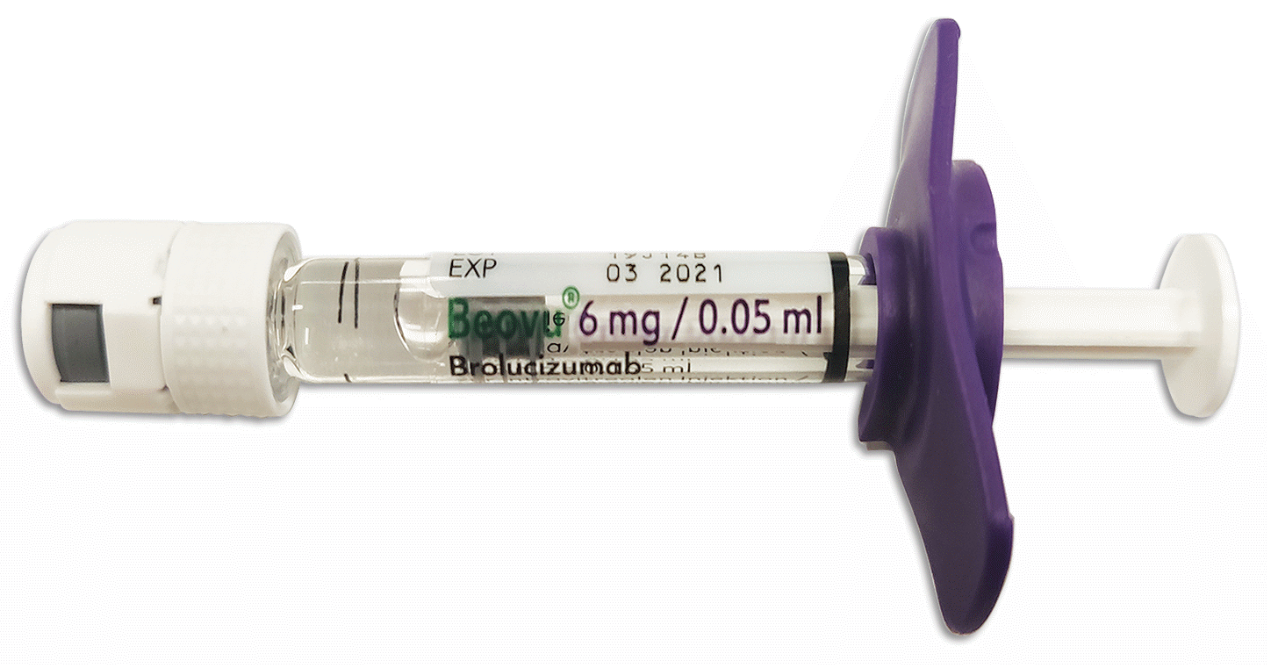
Beovu is commonly identified as a 6 mg/0.05 mL intravitreal injection with a 120 mg/mL concentration. The prefilled syringe format is different from an eye drop, tablet, or home self-injection device, so the medicine name, form, strength, and quantity should align with the clinic’s order before checkout.
Beovu Price, Strength, and Syringe Format
The Beovu price shown during ordering should be read together with the exact strength, form, and quantity. For an intravitreal biologic, the important purchase details are the active ingredient brolucizumab, the prefilled syringe format, the labeled strength, and the number of syringes being ordered. A lower displayed amount is not useful if the form or medicine name differs from the treatment plan.
Beovu 6 mg/0.05 mL pre-filled syringe wording refers to the dose used for intravitreal administration. Product information may also describe the concentration as 120 mg/mL. Some syringe descriptions discuss total fill volume because a single-dose prefilled syringe can contain more solution than the delivered intravitreal dose. That difference matters when assessing Beovu injection price or brolucizumab price across formats.
If you are estimating Beovu cost without insurance or reviewing a Beovu cash price, include the current medicine amount, quantity, handling needs, and any clinic coordination required before treatment. Cash-pay comparisons should still begin with the correct brolucizumab prefilled syringe. A vial, another anti-VEGF drug, or a different strength may not be interchangeable with Beovu.
| Purchase detail | What to match |
|---|---|
| Active ingredient | Brolucizumab, an anti-VEGF medicine used in ophthalmology. |
| Common form | Single-dose prefilled syringe for intravitreal administration. |
| Strength wording | Often described as 6 mg/0.05 mL or 120 mg/mL. |
| Quantity | Match the number of syringes to the clinic’s intended supply. |
| Format caution | The total syringe contents and delivered eye dose are not the same measurement. |
Quick tip: Match the medicine name, form, strength, and quantity before using price as the deciding factor.
How to Order Beovu Online
When you order Beovu online, start with the form. This product is a prefilled syringe for clinic administration, not a medicine designed for at-home injection. The product name may appear as Beovu, brolucizumab, or brolucizumab-dbll in clinical materials, but the strength and syringe format still need to match the treatment directions.
Order details may be reviewed for accuracy before completion, especially when a specialty injectable requires clinic coordination. Keep the eye clinic’s contact information and treatment paperwork available so questions about medicine name, strength, or quantity can be resolved without substituting another retinal medicine yourself. For U.S. customers using US delivery from Canada, plan the order around the clinic’s handling instructions rather than the injection appointment alone.
- Choose the correct form: Use the prefilled syringe format only when it matches the clinic’s directions.
- Match the strength: Confirm 6 mg/0.05 mL or other strength wording shown during ordering.
- Verify the quantity: The number of syringes should match the intended treatment supply.
- Coordinate with the clinic: Specialty eye injections need professional handling before use.
- Read storage instructions: Refrigerated handling may apply to this biologic medicine.
Do not replace Beovu with another anti-VEGF injection based only on convenience, cash price, or product format. Retina specialists choose medicines based on diagnosis, imaging results, previous response, inflammation history, and clinic protocol.
What Beovu Is Used For
Beovu is an anti-VEGF injection. Anti-VEGF medicines block vascular endothelial growth factor, a signal involved in abnormal blood vessel growth and fluid leakage in the retina. Beovu is used for neovascular, or wet, age-related macular degeneration and diabetic macular edema when a retina specialist considers it appropriate.
Wet age-related macular degeneration can damage central vision when abnormal blood vessels leak beneath the retina. People evaluating treatment for this diagnosis can browse the site’s Wet Age Related Macular Degeneration section for related ophthalmology medicines. Diabetic macular edema involves retinal swelling related to diabetes, and the Diabetic Macular Edema section may help with condition-based navigation.
Beovu is not a general treatment for every cause of blurry vision, eye pain, floaters, or retinal disease. Diagnosis usually depends on an eye examination, retinal imaging, symptoms, and treatment history. The medicine is administered into the eye under sterile clinical conditions, so clinic scheduling and monitoring are part of safe use.
Active Ingredient and How the Injection Works
Brolucizumab is the active ingredient in Beovu. It binds vascular endothelial growth factor A, often shortened to VEGF-A, which can reduce abnormal leakage and swelling in retinal tissue. This mechanism places Beovu in the same broad anti-VEGF treatment category as several other retina injections, though each product has its own label, dosing schedule, and safety profile.
The prefilled syringe is supplied sterile and is intended for single use. A trained eye care professional prepares the eye, uses sterile technique, administers the intravitreal injection, and discards unused solution according to clinic procedures. The prefilled format can help reduce preparation steps in a clinical setting, but it does not make the medicine suitable for self-administration.
Beovu may be written as brolucizumab-dbll in some United States prescribing materials. That suffix is part of biologic naming language and does not change the practical ordering step: match Beovu or brolucizumab, the syringe form, and the intended strength. If another anti-VEGF name appears in the clinic’s plan, use that exact medicine rather than switching to Beovu independently.
Storage, Handling, and Shipping Basics
Beovu prefilled syringes need careful handling because they are sterile injectable biologic products. Official product information commonly directs refrigerated storage at 2°C to 8°C, or 36°F to 46°F, with protection from light. The syringe should not be frozen, shaken, or used if the carton or syringe appears damaged.
Plan timing with the retina clinic before arranging transport to an appointment. The clinic may need time to inspect the syringe, prepare the sterile injection setting, and follow its own intravitreal-use process. If a package includes temperature or light-protection instructions, follow them promptly and contact the appropriate care team if storage conditions seem compromised.
Temperature-sensitive ophthalmology products may require prompt, express, cold-chain shipping. This is a handling consideration rather than a guarantee about arrival time or product availability. Before finalizing an order, make sure the quantity, refrigerated storage expectations, and clinic handoff plan are practical for the scheduled treatment window.
- Temperature: Store under refrigerated conditions when the product instructions require it.
- Light protection: Keep the syringe in its protective packaging until clinical use.
- Single use: Do not save unused solution for another injection.
- Sterile setting: Administration belongs in a clinical environment.
- Travel timing: Ask the eye clinic how to manage transport to the appointment.
Side Effects, Warnings, and Monitoring
Safety review is important for any medicine injected into the eye. Beovu should not be used in people with ocular or periocular infections, active inflammation inside the eye, or known hypersensitivity to brolucizumab or any component of the product. Eye infection symptoms, recent eye procedures, and prior inflammatory reactions after retinal injections should be discussed with the treating clinic.
Serious risks reported with intravitreal anti-VEGF therapy include endophthalmitis, retinal detachment, increased pressure inside the eye, retinal vasculitis, and retinal vascular occlusion. Endophthalmitis is a severe eye infection. Retinal vasculitis means inflammation of retinal blood vessels, and retinal vascular occlusion means blockage of blood flow in retinal vessels. Product labeling also discusses arterial thromboembolic events, such as stroke-related or heart-related vascular events, as a class concern.
More common post-injection effects can include eye discomfort, blurred vision, floaters, conjunctival bleeding, or temporary vision changes. Some mild irritation may be monitored after an injection, but sudden or worsening symptoms need prompt clinical attention. Seek urgent medical help for severe eye pain, increasing redness, marked light sensitivity, sudden vision loss, new flashes, a curtain-like shadow, or a major increase in floaters.
Tell the eye specialist about stroke or heart attack history, pregnancy, breastfeeding, planned eye procedures, current infections, and all medicines or supplements being used. Blood thinners, recent surgeries, and other eye treatments may affect monitoring or timing. Follow-up visits allow the clinic to assess vision, retinal fluid, eye pressure, inflammation, and vascular safety.
Dosing Schedule and Follow-Up Questions
Beovu dosing is set by the retina specialist. The official label includes scheduled intravitreal dosing, but individual treatment intervals may vary with diagnosis, optical coherence tomography findings, response, and safety concerns. Do not change injection timing, skip visits, or extend intervals based on product information alone.
Monitoring often focuses on central vision, retinal swelling, fluid under or within the retina, eye pressure, inflammation, and symptoms after each injection. People with diabetes-related eye disease may also need broader diabetes care because blood sugar, blood pressure, and kidney health can influence retinal risk. Condition-based browsing for Macular Edema Following Retinal Vein Occlusion can also help distinguish related retinal swelling conditions from diabetic macular edema.
Useful questions for the next retina visit include which symptoms require an urgent call, how imaging will be used to judge response, and whether the same anti-VEGF medicine is expected to continue. These questions matter more than comparing dose schedules alone because treatment decisions depend on the eye’s response and safety findings.
Beovu Compared With Other Anti-VEGF Options
Beovu vs Eylea and Beovu vs Vabysmo are common comparisons because all are used in retinal care, but they are not interchangeable by name alone. They contain different active ingredients, have different label details, and may be chosen for different clinical reasons. A retina specialist may consider diagnosis, treatment burden, prior response, inflammation risk, and imaging results before choosing an injection.
Beovu’s prefilled syringe format may be relevant for clinic workflow, while another medicine may be preferred for a particular patient history or diagnosis. Cost comparisons should include the prescribed form, number of syringes or vials, storage needs, and clinic administration process. Similar treatment categories do not remove the need to match the exact medicine directed by the eye specialist.
For broader browsing, the Ophthalmology category groups eye-related products available through the store. The Ophthalmology articles section can also support general eye-health education, but treatment selection should come from the clinical team managing the retina condition.
Authoritative Sources
Official label information can help verify indication, administration, contraindications, warnings, adverse reactions, and storage requirements. The Official Beovu prescribing information summarizes U.S. label details for brolucizumab injection.
UK product information provides additional detail on the prefilled syringe presentation and concentration. The Beovu summary of product characteristics describes Beovu 120 mg/mL solution for injection in a prefilled syringe.
Use official sources to prepare questions for the treating eye specialist, especially if the medicine name, syringe wording, diagnosis, or timing differs from the clinic’s plan.
This content is for informational purposes only and is not a substitute for professional medical advice.
Express Shipping - from $29.99
Shipping with this method takes 3-5 days
Prices:
- Dry-Packed Products $29.99
- Cold-Packed Products $39.99
Standard Shipping - $19.99
Shipping with this method takes 5-10 days
Prices:
- Dry-Packed Products $19.99
- Not available for Cold-Packed products
What is Beovu Pre-filled Syringe used for?
Beovu Pre-filled Syringe contains brolucizumab, an anti-VEGF medicine used by retina specialists for neovascular, or wet, age-related macular degeneration and diabetic macular edema when clinically appropriate. It is injected into the eye in a clinical setting.
Is Beovu a self-injection?
No. Beovu is an intravitreal injection, meaning it is injected into the vitreous gel inside the eye. It should be prepared and administered by a trained eye care professional using sterile technique.
What strength is Beovu Pre-filled Syringe?
Beovu is commonly described as 6 mg/0.05 mL for intravitreal injection, with a 120 mg/mL concentration. Match the strength, form, and quantity shown during ordering to the clinic’s treatment directions.
How should Beovu Pre-filled Syringe be stored?
Official product information commonly directs refrigerated storage at 2°C to 8°C, or 36°F to 46°F, with protection from light. Do not freeze or shake the syringe, and follow any clinic or package handling instructions.
What side effects need urgent attention after Beovu?
Seek prompt medical attention for severe eye pain, worsening redness, marked light sensitivity, sudden vision loss, new flashes, a curtain-like shadow, or a major increase in floaters. These symptoms can signal serious eye complications after an intravitreal injection.
How is Beovu different from Eylea or Vabysmo?
Beovu, Eylea, and Vabysmo are retinal injections used in anti-VEGF treatment contexts, but they contain different active ingredients and have different label details and safety profiles. The treating retina specialist should decide which medicine fits the diagnosis and history.
Rewards Program
Earn points on birthdays, product orders, reviews, friend referrals, and more! Enjoy your medication at unparalleled discounts while reaping rewards for every step you take with us.
You can read more about rewards here.
POINT VALUE
How to earn points
- 1Create an account and start earning.
- 2Earn points every time you shop or perform certain actions.
- 3Redeem points for exclusive discounts.
You Might Also Like
Select options
This product has multiple variants. The options may be chosen on the product page
Select options
This product has multiple variants. The options may be chosen on the product page
Select options
This product has multiple variants. The options may be chosen on the product page
Select options
This product has multiple variants. The options may be chosen on the product page