
Please note: a valid prescription is required for all prescription medication.
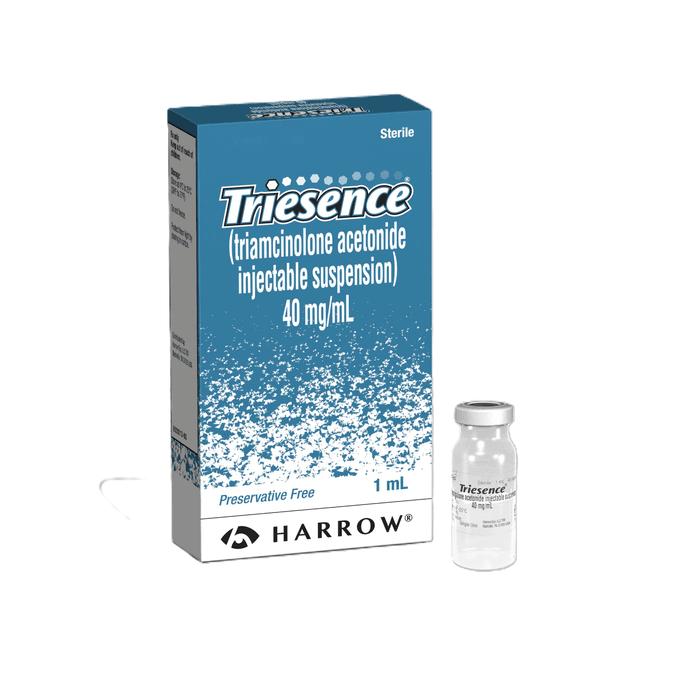
Triesence
Buy Triesence Online


Triesence is a triamcinolone acetonide ophthalmic injectable suspension used in eye-care settings. It can be bought online by choosing the Triesence 40 mg/mL strength and matching the medicine, form, and quantity to the directions from the treating eye-care clinician. The product is intended for professional ophthalmic use, not casual self-injection at home.
Triesence ophthalmic injection is supplied as a sterile, preservative-free suspension. The active ingredient is a corticosteroid, a medicine type that reduces inflammation. Because eye injections and surgical visualization products require sterile handling, the most important ordering step is matching the exact brand, concentration, route, and formulation expected for the appointment or procedure.
Triesence Price, Strength, and Product Match
The Triesence price should be read together with the 40 mg/mL concentration, injectable suspension form, and quantity shown during checkout. A vial or package size does not automatically equal one treatment dose because ophthalmic use is determined by the clinical setting. The eye-care team decides how the medicine is prepared and administered during the visit or procedure.
Triesence cost questions often come from people paying cash, using coverage differently, or arranging treatment through a clinic. The amount shown during ordering is the practical reference for the chosen quantity. Older estimates and general triamcinolone acetonide injection price ranges may not reflect this ophthalmology-specific product, its sterile formulation, or current ordering conditions.
| Attribute to match | What to verify |
|---|---|
| Product name | Triesence, not a different corticosteroid injection. |
| Active ingredient | Triamcinolone acetonide. |
| Strength | 40 mg/mL concentration. |
| Form | Injectable suspension for ophthalmic use. |
| Quantity | The vial or package amount shown during ordering. |
Quick tip: Match the brand name, strength, and ophthalmic injectable suspension form before payment.
Some searches for Triesence without insurance or cash-pay purchase lead to broad steroid injection comparisons. Those comparisons can be misleading. Triesence is an ophthalmic formulation with specific sterility and route considerations, so the price should be evaluated with the exact product identity rather than by ingredient name alone.
How to Order Triesence Online
To order Triesence online, choose the 40 mg/mL ophthalmic injectable suspension and make sure the quantity aligns with the clinician’s written instructions or clinic requirements. Keep the treatment office’s directions available, especially if the medicine will be received before a scheduled eye procedure. We may help verify order details when clarification is needed.
US delivery from Canada may be part of the service context for some orders. For a sterile ophthalmic injectable suspension, shipping speed is only one consideration. Packaging, temperature exposure, breakage prevention, expiry dating, and keeping the container sealed all matter before the medicine reaches the clinical setting.
- Match the medicine: Triesence 40 mg/mL injectable suspension.
- Review the amount: Use the current checkout price for the quantity chosen.
- Plan the handoff: Ask the clinic how the package should be stored and brought in.
- Keep it sealed: Do not open sterile packaging before professional use.
- Report concerns: Contact the ordering team if the carton, vial, or label looks wrong.
Triesence is not a product to substitute based only on a similar active ingredient. If the clinic requested a specific ophthalmology medicine, confirm any change with the eye-care team before purchasing another triamcinolone acetonide injection or corticosteroid product.
Ophthalmology Uses and Treatment Context
Triesence uses in official labeling include sympathetic ophthalmia, temporal arteritis, uveitis, and ocular inflammatory conditions that do not respond adequately to topical corticosteroids. It is also used for visualization during vitrectomy, a surgery in which the vitreous gel inside the eye is removed. Uveitis means inflammation inside the eye and may require close monitoring because it can affect vision.
The same medicine name may appear in different clinical contexts. Triesence for uveitis is used as part of an inflammation treatment plan, while Triesence for vitrectomy helps the surgeon visualize eye structures during a procedure. The buying decision should follow the specific reason the eye-care team gave, because timing, handling, and follow-up can differ.
Eye-care medicines can be reviewed alongside other products in the ophthalmology category. People specifically researching inflammatory eye disease may also find the uveitis product area useful for organizing clinician questions. Internal browsing should never replace the medicine named for a planned procedure.
Triesence ophthalmology use is different from general steroid injection use in joints, skin, or other body sites. Route, preservative status, sterility, particle suspension, and approved indication all affect whether a corticosteroid is suitable for the eye. A product with the same active ingredient may still be inappropriate for ophthalmic administration.
Formulation and Generic Name Details
Triesence contains triamcinolone acetonide, a corticosteroid that helps reduce inflammatory signaling. The product is a preservative-free injectable suspension, meaning small drug particles are dispersed in liquid. Suspensions require proper professional preparation because the drug is not dissolved in the same way as a clear solution.
The 40 mg/mL strength is a key identifier. It helps distinguish this ophthalmic product from other triamcinolone acetonide medicines with different concentrations, additives, routes, or approved uses. Do not shake, split, transfer, or mix the medicine unless the official label and clinical setting direct that handling.
Triesence generic searches can be confusing because triamcinolone acetonide is an established ingredient used in multiple products. Brand-name Triesence, Kenalog, and other corticosteroid injections are not automatically interchangeable. The correct choice depends on route, formulation, concentration, preservative status, and the procedure or diagnosis being treated.
Country-specific naming and substitution rules may also differ. A medicine may be described by brand name, ingredient name, or formulation in different systems. For an eye procedure, the practical decision is whether the supplied medicine matches the ophthalmic product requested by the treating clinic.
Storage, Handling, and Shipping Basics
Triesence is a sterile injectable suspension, so careful handling protects product integrity before professional administration. Follow the package label and clinic instructions for storage temperature, light exposure, expiry date, and whether the medicine should remain in original packaging. Do not use a container that appears damaged, leaking, discolored, frozen, or past expiry.
Temperature and sterility concerns are especially important for ophthalmic products. Prompt, express, cold-chain shipping may be used when handling requirements call for temperature-controlled packaging, but the label remains the main source for storage after arrival. Keep the medicine away from children and do not open sealed components early.
When the shipment arrives, compare the product name, strength, lot number, and expiry date with the order record. If a clinic will administer the injection, ask how the medicine should be transported to the appointment. Many clinics prefer that sterile products remain sealed until staff are ready to inspect and prepare them.
Why it matters: Eye injections require sterility, correct formulation, and professional handling to reduce avoidable risk.
Safety, Side Effects, and Monitoring
Triesence can cause eye-related and systemic corticosteroid effects. Report any history of glaucoma, high eye pressure, eye infection, herpes eye disease, recent eye surgery, diabetes, immune system problems, pregnancy, breastfeeding, or medication allergies to the clinical team. These factors may affect whether treatment is appropriate or how closely monitoring is arranged.
Possible eye-related risks include increased intraocular pressure, cataract formation, eye pain, floaters, inflammation, blurred vision, infection inside the eye, and retinal complications. Serious infection after an eye injection is uncommon but urgent because it can threaten vision. Steroids can also mask infection or worsen certain viral, fungal, or mycobacterial eye diseases.
Seek prompt clinical help for severe eye pain, worsening redness, sudden vision loss, new flashes, many new floaters, discharge, swelling, or a severe headache after an eye procedure. Do not try to manage these symptoms by changing medicines on your own. Direct eye examination is the safest way to assess a possible complication.
Corticosteroids may affect blood glucose control in some people with diabetes. They may also interact with broader treatment plans that influence infection risk, immune response, or eye pressure. Bring an updated medicine list to appointments, including eye drops, injections, over-the-counter products, and supplements.
Monitoring after administration may include eye-pressure measurement, visual acuity testing, retinal examination, and assessment for inflammation or infection. Keep follow-up visits because some steroid-related effects are easier to manage when detected early. If symptoms change between visits, contact the eye-care team using the instructions provided after the procedure.
Before the Appointment or Procedure
Before treatment, confirm who will receive, store, and administer the medicine. Triesence injection is intended for trained clinical staff using sterile technique and ophthalmic equipment. Intravitreal or other ophthalmic administration should not be attempted at home.
Bring the sealed carton or vial exactly as the clinic instructs. Staff may need to inspect the label, strength, lot information, and expiry date before use. If any detail differs from the clinic’s instructions, pause and ask for clarification before the medicine is prepared.
- Identity: Triesence and triamcinolone acetonide match the treatment plan.
- Strength: The concentration is 40 mg/mL.
- Setting: Administration is planned by trained eye-care staff.
- History: Glaucoma, infection, allergies, and surgery are disclosed.
- Follow-up: Monitoring instructions are understood before leaving the clinic.
People with diabetes-related eye disease may have additional monitoring questions before an injection or surgery. The article How Diabetes Affects the Eyes can help frame general discussion points about retinal care, vision changes, and routine eye follow-up.
Related Eye-Care Products and Comparisons
Ophthalmology products can look similar online while treating very different eye problems. A corticosteroid injection, anti-VEGF injection, and pressure-lowering eye drop are separate categories. The medicine chosen for uveitis, vitrectomy visualization, retinal disease, or glaucoma should follow the treating clinician’s plan.
For retinal conditions, Lucentis Vial is an anti-VEGF product used in certain treatment plans and is not a steroid substitute. For eye-pressure management, Timolol is an ophthalmic drop used in glaucoma-related care and is not interchangeable with an injectable corticosteroid. The ophthalmology articles section offers broader reading for eye-care questions.
Use related products to organize questions, not to change therapy. If the clinic named Triesence 40 mg/mL, a different product should be used only if the eye-care team confirms that it fits the same procedure and safety requirements.
Authoritative Sources
Official labeling supports the concentration, indications, contraindications, and safety warnings for this medicine: Triesence prescribing information.
Manufacturer professional information provides additional ophthalmology-focused context for clinical use: Triesence ophthalmology product information.
This content is for informational purposes only and is not a substitute for professional medical advice.
Express Shipping - from $29.99
Shipping with this method takes 3-5 days
Prices:
- Dry-Packed Products $29.99
- Cold-Packed Products $39.99
Standard Shipping - $19.99
Shipping with this method takes 5-10 days
Prices:
- Dry-Packed Products $19.99
- Not available for Cold-Packed products
What is Triesence used for?
Triesence is used in ophthalmology for certain inflammatory eye conditions, including uveitis and ocular inflammation that has not responded adequately to topical corticosteroids. It is also used for visualization during vitrectomy surgery.
Is Triesence the same as other triamcinolone acetonide injections?
No. Triesence contains triamcinolone acetonide, but formulation, concentration, preservative status, route, and approved use matter for eye procedures. Other corticosteroid injections are not automatically interchangeable with Triesence ophthalmic injectable suspension.
What strength is Triesence?
Triesence is supplied as a 40 mg/mL triamcinolone acetonide injectable suspension. The concentration should be matched to the eye-care clinician’s directions and the product being ordered.
Can Triesence be used at home?
Triesence is intended for professional ophthalmic administration and sterile handling. Eye injections or procedure-related use should be performed by trained clinical staff with appropriate monitoring.
What side effects should be discussed before Triesence treatment?
Important risks include increased eye pressure, cataract formation, eye pain, floaters, blurred vision, inflammation, infection inside the eye, and retinal complications. People with glaucoma, eye infection history, herpes eye disease, diabetes, or recent eye surgery should discuss these factors with the eye-care team.
How should Triesence be stored after delivery?
Follow the package label and clinic instructions for temperature, light exposure, expiry date, and sealed packaging. Do not use the medicine if the vial or carton appears damaged, leaking, discolored, frozen, or expired.
Rewards Program
Earn points on birthdays, product orders, reviews, friend referrals, and more! Enjoy your medication at unparalleled discounts while reaping rewards for every step you take with us.
You can read more about rewards here.
POINT VALUE
How to earn points
- 1Create an account and start earning.
- 2Earn points every time you shop or perform certain actions.
- 3Redeem points for exclusive discounts.
You Might Also Like
Select options
This product has multiple variants. The options may be chosen on the product page
Select options
This product has multiple variants. The options may be chosen on the product page
Select options
This product has multiple variants. The options may be chosen on the product page
Select options
This product has multiple variants. The options may be chosen on the product page