
Please note: a valid prescription is required for all prescription medication.
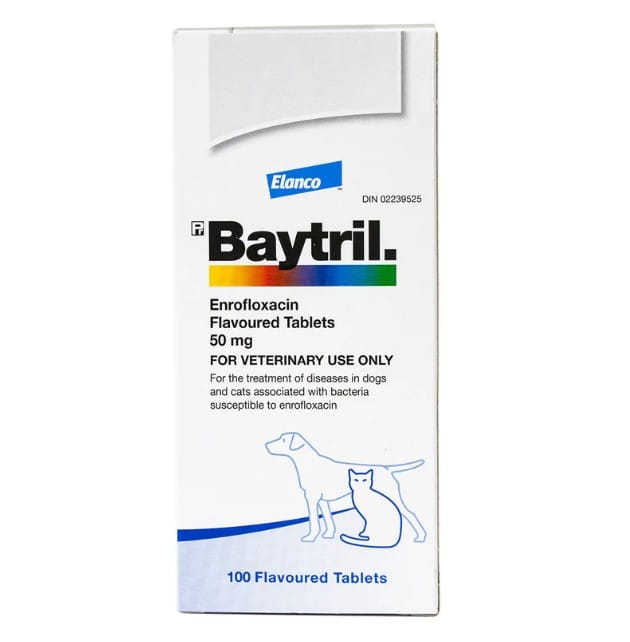
Baytril
Baytril: Buying, Prescription, and Safety Basics
Price:
Price range: $94.99 through $589.99
You save


Baytril is a prescription veterinary antibiotic containing enrofloxacin, used for certain bacterial infections in animals. Some patients explore Ships from Canada to US when coordinating veterinary prescriptions across borders. If you see Baytril for sale online, this overview summarizes typical uses, forms, safety risks, and handling points to review with a veterinarian.
What Baytril Is and How It Works
Baytril is a brand of enrofloxacin, a fluoroquinolone antibiotic (a class that targets specific bacterial enzymes). It is used in veterinary medicine to treat susceptible bacterial infections, and it is not effective for viral illness or non-bacterial causes. CanadianInsulin.com helps refer prescriptions for review, while dispensing may be completed by licensed partner pharmacies where permitted. For browsing similar items by category, the Pet Medications hub can help you compare product types and forms.
This medicine works by inhibiting bacterial DNA gyrase and topoisomerase IV (enzymes bacteria need to copy DNA). As a result, bacteria may be unable to grow and survive. Coverage varies by organism, infection site, and local resistance patterns, so veterinary judgment and diagnostic testing matter. When selecting any antibiotic, clinicians often weigh likely pathogens, prior antibiotic exposure, and whether culture and susceptibility results are available. For a general explanation of how drug classes differ, see Common Diabetes Medications; the same “class and mechanism” idea applies in veterinary care.
Who It’s For
Veterinarians may prescribe enrofloxacin for dogs and cats with confirmed or strongly suspected bacterial infections that are likely to respond to a fluoroquinolone. Use depends on the condition and the animal, and decisions should consider prior antibiotics and local resistance patterns. The medicine is not appropriate for every infection, especially when a narrower-spectrum antibiotic would reasonably work. For background on how bacterial infections are categorized, the Pet Bacterial Infection hub provides a high-level starting point.
Searches that include Baytril for sale often reflect a need for treatment after a diagnosis, but the right antibiotic still depends on species, age, and health history. Fluoroquinolones may be avoided or used with extra caution in some growing animals because of potential effects on developing joints. A veterinarian may also take additional precautions in pets with seizure disorders, significant liver or kidney disease, or a history of medication allergy. Use in birds, reptiles, rabbits, rodents, and other species is more specialized, and availability and labeling can differ by jurisdiction.
Testing and follow-up
Antibiotics are most effective when they match the organism causing the infection. When feasible, a veterinarian may collect a sample for culture and susceptibility testing (lab testing that checks which antibiotics can stop growth). That information can help reduce trial-and-error prescribing and may lower the risk of antibiotic resistance. Follow-up can matter even when symptoms improve early, because relapse may indicate an ongoing source such as a foreign body, dental disease, or a deeper tissue infection. Monitoring also helps identify adverse effects promptly, especially in pets with other conditions.
Why it matters: Culture results can support choosing a narrower antibiotic when appropriate.
Dosage and Usage
Baytril is used only under veterinary direction, following the labeled instructions for the specific product and the prescription written for the animal. Dosing can vary by species, body weight, infection type, and clinical response, and switching between different enrofloxacin products is not always interchangeable. If a dose is missed, next steps should be based on the prescriber’s guidance rather than doubling up.
Administration details depend on the form prescribed. Some pets take tablets by mouth, while others may be treated with an oral liquid or receive an injection in a clinic setting. If an injectable medicine is part of a plan, handling and device technique should be demonstrated by a professional; for general device comparisons and handling concepts, the Insulin Pen Vs Syringe guide may be a useful reference. Practical adherence steps that may help include:
- Confirm the label directions for timing
- Finish the full prescribed course
- Measure liquids carefully and consistently
- Watch for vomiting or poor appetite
- Report worsening signs promptly
Strengths and Forms
Enrofloxacin products are manufactured in multiple forms, and the exact presentations available can vary by country, manufacturer, and species-specific labeling. Baytril may be encountered as oral tablets, oral solutions or suspensions, and injectable formulations used in clinics. Each form has practical pros and cons, including ease of dosing, palatability, and the need for accurate measurement.
Packaging and labeling matter because products with similar names can differ in concentration. When comparing listings that mention Baytril for sale, confirm that the form and concentration match the prescription and that the product is intended for the correct species. If a veterinarian changes the route of administration, the dose instructions may also change. The table below summarizes common form-level considerations without implying that every form is available in every region:
| Form | Typical use setting | Handling considerations |
|---|---|---|
| Tablet | At-home oral dosing | Do not crush unless directed |
| Oral liquid | Small patients or picky eaters | Measure with an oral syringe |
| Injection | Clinic-administered treatment | Given by trained staff |
Storage and Travel Basics
Storage should follow the product label for the exact formulation provided. Many veterinary tablets are stored at controlled room temperature in a dry place, away from direct light and humidity. Oral liquids may have additional instructions about shaking, protecting from heat, or discarding after a certain period once opened. Injectable products are usually managed in clinical settings with specific handling requirements.
For travel, keep the medicine in its original packaging with the prescription label, and avoid leaving it in a hot vehicle or exposed to freezing temperatures. If the pet is boarding or being cared for by someone else, written administration instructions can reduce errors. It is also helpful to keep the prescribing clinic’s contact information available in case the animal develops side effects while away from home.
Quick tip: Use a dedicated oral syringe for liquids to improve accuracy.
Side Effects and Safety
Like other fluoroquinolones, enrofloxacin can cause side effects, and risk may vary by species and health status. Even when Baytril for sale is presented as a familiar antibiotic, the same monitoring expectations apply. Commonly reported issues include gastrointestinal upset such as vomiting, diarrhea, drooling, or reduced appetite. Some animals may seem tired or less active while on treatment.
More serious reactions are less common but important to recognize early. Neurologic effects (restlessness, tremors, or seizures) can occur in susceptible animals, particularly when other risk factors are present. Some growing animals may be more vulnerable to joint or cartilage effects, and veterinarians may avoid this class in certain age groups when alternatives exist. Eye-related toxicity has been described in cats at higher exposures, so prescribers may consider species-specific precautions. For general guidance on recognizing skin changes that can accompany drug reactions, the Diabetes Skin Problems resource outlines warning signs to take seriously, such as widespread rash or facial swelling.
If a pet develops hives, difficulty breathing, collapse, severe vomiting, or marked behavior changes, urgent veterinary assessment is appropriate. Any adverse effects should be reported to the prescriber so the overall plan can be reassessed safely.
Drug Interactions and Cautions
Drug interactions depend on the exact formulation and the other medications or supplements the animal receives. Fluoroquinolones can bind to minerals in the gut, so products containing calcium, iron, magnesium, aluminum, or zinc may reduce absorption when given too close together. Some gastrointestinal protectants can have similar effects. Timing strategies are product- and patient-specific, so coordination should be based on a veterinarian’s instructions.
Other cautions relate to effects on the nervous system and metabolism. Concomitant medications that lower the seizure threshold may increase neurologic risk in susceptible pets. Some drugs can change how enrofloxacin is processed in the body, which may alter exposure. Health factors also matter, including dehydration, severe liver disease, or kidney impairment. Keeping an up-to-date medication list helps clinicians assess interactions; as a general concept refresher on medication lists and drug classes, the Common Diabetes Medications overview can help patients understand why these details are routinely reviewed.
Compare With Alternatives
When Baytril for sale is not the best match for the suspected organism or the pet’s risk profile, veterinarians may consider other antibiotic options. Selection is usually guided by infection site, likely pathogens, prior treatment response, and culture results when available. Switching antibiotics without veterinary direction is not recommended, because it can complicate interpretation of clinical response and may increase resistance risk.
Examples of alternatives that a veterinarian might evaluate include other fluoroquinolones or different antibiotic classes with narrower coverage. Product availability and labeling vary, and a clinician will weigh benefits and risks for the individual animal. For site navigation to compare product pages, you can review Zeniquin Overview (marbofloxacin) or Clavamox Overview (amoxicillin-clavulanate). Other commonly discussed options in practice may include doxycycline, cephalosporins, or metronidazole, depending on the diagnosis and testing.
Pricing and Access
If you are comparing Baytril for sale across sources, access is mainly shaped by prescription requirements, the exact formulation prescribed, and the documentation needed for safe dispensing. In many settings, enrofloxacin is prescription-only for veterinary use, and the prescribing clinic may specify the form, concentration, and duration. Pet insurance coverage, if the animal is enrolled, can vary by plan and indication, and some families also consider cash-pay options or access without insurance depending on eligibility.
When clarification is needed, CanadianInsulin.com may confirm prescription details with the prescribing clinic before proceeding. Cross-border fulfillment can involve additional checks, including verifying the prescriber information and ensuring the product is permitted for the destination jurisdiction. Safety also includes product integrity: avoid sources that cannot provide clear labeling, lot information, or appropriate storage conditions. For broader reading on identifying questionable medication sources and counterfeits, the Illegal Weight Loss Pills guide covers practical verification habits that can translate to other medicines.
Cost drivers can include brand versus generic availability, the form prescribed, and the quantity needed for the full course. If you are reviewing general site-wide updates, the Promotions Page may list non-clinical information that changes over time, but antibiotic choice should remain based on veterinary assessment and susceptibility data.
Authoritative Sources
For the most reliable product-specific details, consult the labeling for the exact enrofloxacin product dispensed and the prescribing veterinarian’s instructions. Because indications, species labeling, contraindications, and precautions can differ by jurisdiction and formulation, authoritative regulatory and veterinary references are useful for confirming high-level facts.
For U.S. regulatory context on animal drugs, see the FDA’s animal drug resources: FDA Animal and Veterinary.
For a clinical overview of fluoroquinolone use and precautions, consult a veterinary reference summary: Merck Veterinary Manual Fluoroquinolones.
Where permitted, licensed partner pharmacies may ship medications using prompt, express, cold-chain shipping when clinically required.
This content is for informational purposes only and is not a substitute for professional medical advice.
Express Shipping - from $25.00
Shipping with this method takes 3-5 days
Prices:
- Dry-Packed Products $25.00
- Cold-Packed Products $35.00
Standard Shipping - $15.00
Shipping with this method takes 5-10 days
Prices:
- Dry-Packed Products $15.00
- Not available for Cold-Packed products
What is Baytril and what is it used for in pets?
Baytril is a brand name for enrofloxacin, a fluoroquinolone antibiotic used in veterinary medicine for certain bacterial infections. Veterinarians may prescribe it when the suspected or confirmed bacteria are likely to be susceptible, and when the pet’s age and medical history make the risk acceptable. It does not treat viral infections, and it is not a general-purpose remedy for any fever or diarrhea. The most appropriate use is guided by the exam, the infection site, and diagnostic testing such as culture when feasible.
How does enrofloxacin work, in plain language?
Enrofloxacin interferes with enzymes bacteria need to copy their genetic material (DNA). When bacteria cannot replicate DNA, they cannot multiply effectively, and the infection may start to resolve. This mechanism is different from antibiotics that target the bacterial cell wall, which is why drug choice depends on the organism and the clinical situation. Because bacteria can develop resistance, veterinarians try to match the antibiotic to the likely pathogen and may recommend culture and susceptibility testing for recurrent or severe infections.
What side effects should I monitor for while my pet takes Baytril?
Common side effects may include vomiting, diarrhea, drooling, reduced appetite, or lethargy. Less common but potentially serious effects can include neurologic signs such as agitation, tremors, or seizures, especially in animals with pre-existing risk factors. Allergic reactions are uncommon but urgent, and may present as facial swelling, hives, breathing difficulty, or collapse. Monitoring is most useful during the first few days and after dose changes. Any concerning changes should be discussed with the prescribing veterinarian promptly.
Can Baytril be used in birds, reptiles, or small mammals?
In some practices, veterinarians may use enrofloxacin in species such as birds, reptiles, rabbits, or rodents, but this is more specialized than routine dog and cat use. Dosing approaches, safety considerations, and approved labeling can differ widely by species and by jurisdiction. Some animals are more sensitive to medication effects, and dehydration or poor appetite can change risk. Because of these differences, it is important that a veterinarian experienced with the specific species makes the prescribing decision and provides species-appropriate monitoring guidance.
What medications or supplements can interact with enrofloxacin?
Minerals can interfere with absorption of fluoroquinolones. Products containing calcium, iron, magnesium, aluminum, or zinc (including some supplements and gastrointestinal protectants) may reduce how much enrofloxacin is absorbed if given too close together. Other cautions can apply when pets take medications that affect the nervous system, since fluoroquinolones may increase neurologic side effects in susceptible animals. Interactions and timing depend on the full medication list and the product form, so it helps to share all prescriptions, OTC items, and supplements with the veterinarian.
What should I ask my veterinarian before starting Baytril?
Useful questions include: what infection is being treated, whether culture and susceptibility testing is recommended, and what signs would indicate the antibiotic is not working. You can also ask about species- and age-related precautions, especially for young, growing animals or pets with seizure history. Clarify the exact product form, how to measure doses accurately if a liquid is used, and whether the medicine should be given with food. Finally, ask which side effects require stopping the medication and seeking urgent care.
Rewards Program
Earn points on birthdays, product orders, reviews, friend referrals, and more! Enjoy your medication at unparalleled discounts while reaping rewards for every step you take with us.
You can read more about rewards here.
POINT VALUE
How to earn points
- 1Create an account and start earning.
- 2Earn points every time you shop or perform certain actions.
- 3Redeem points for exclusive discounts.
You Might Also Like
Select options
This product has multiple variants. The options may be chosen on the product page
Select options
This product has multiple variants. The options may be chosen on the product page
Select options
This product has multiple variants. The options may be chosen on the product page
Related Articles
Uncategorized
Rybelsus Generic: A Patient Guide to Current Options
Key TakeawaysMany people searching for rybelsus generic are trying to answer one practical question: is there a true lower-cost equivalent tablet, or only the brand product and look-alike alternatives?Brand and…
Type 2 Diabetes,
Generic Liraglutide For Weight Loss: A Practical Guide
People searching for generic liraglutide for weight loss usually want clear answers on three points: whether an approved lower-cost version exists, how it differs from brand-name products, and what access…
Type 2 Diabetes,
Liraglutide Vs Semaglutide Comparison Guide For Patients
Key Takeaways People searching liraglutide vs semaglutide usually want a practical comparison, not a slogan. The most useful differences involve formulation, schedule, approved uses, side effect patterns, and the paperwork…
Weight Management
Generic Zepbound: Availability, Status, and Options
Key Takeaways Patients and caregivers often search for generic zepbound when they need a clear answer about availability, labeling, and lower-cost access. The term is common online, but it does…