
Questions about peptides? Click here to schedule a free consultation with a physician.
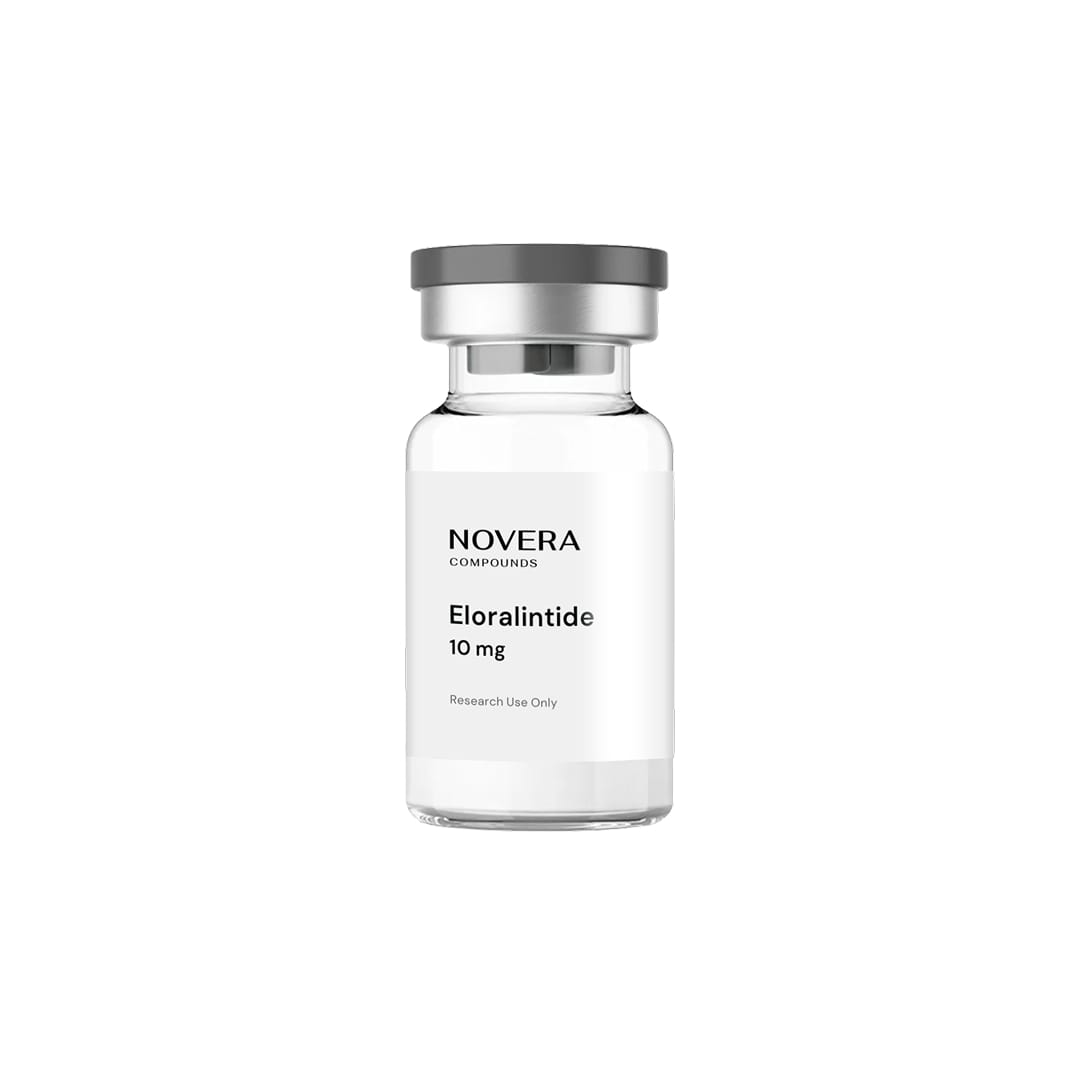


Eloralintide is an investigational amylin receptor agonist being studied for body-weight regulation and related metabolic outcomes. Eloralintide can be ordered online when a current orderable supply is shown, with the available dose, strength, quantity, and handling information matched to the directions from your clinician. Because this medicine remains in clinical development, the product name, form, and status should be interpreted carefully rather than assumed from other injectable weight-management treatments.
Eloralintide is also known by the development code LY3841136. Lilly has described it as an investigational, once-weekly injectable medicine in clinical research, but trial terminology does not always equal a regulated commercial dose form. Use the ordering flow to view the current Eloralintide price, confirm the exact strength or quantity displayed, and decide whether the item matches the clinical instructions you were given.
Eloralintide Price, Cost, and Dose Selection
The current Eloralintide price should be read from the active ordering fields at the time you purchase. Cost can vary by strength, quantity, form, service fees, and handling needs, so the total shown for one quantity should not be treated as the total for another. If more than one strength or supply size is offered, choose the exact version that aligns with the directions from your clinician.
Eloralintide cost questions are especially important because investigational products may not follow the same retail pathways as established medicines. Cash-pay totals, coverage expectations, and cross-border service costs can differ from approved obesity or diabetes medications. Review the medicine line item, quantity, and any temperature-handling charge before you complete payment.
Quick tip: Match the product name, strength, quantity, and instructions before comparing totals.
For Eloralintide price Canada searches or U.S. customers looking at service from Canada, remember that the displayed total may reflect more than the medicine alone. US delivery from Canada may involve specific handling requirements, especially for injectable products that require temperature protection. If cold-chain handling is shown, prompt, express, cold-chain shipping should be considered part of the practical cost of receiving and storing the medicine safely.
How to Order Eloralintide Online
To order Eloralintide online, start with the available strength and quantity that match your clinician’s written directions. Confirm the product name, dose wording, total supply, and handling notes before continuing through checkout. Do not substitute a similar research name, peptide name, or weight-loss medicine unless your clinician has specifically told you to do so.
Because Eloralintide is still being studied, documentation or order review steps may be different from routine retail medications. Keep your medication list, allergy history, and clinician contact information available in case details need to be clarified. We may review order details when required, and products are supplied through licensed pharmacies.
If an orderable supply is not shown during the purchase flow, ask your clinician about approved alternatives, formal clinical trials, or whether waiting for a regulated commercial product is more appropriate. Trial access, personal treatment, and online purchase are separate pathways. A clinical-trial article should not be used as permission to self-dose or combine products.
Investigational Status and What Eloralintide Is Being Studied For
Eloralintide is being studied as a selective amylin receptor agonist. Amylin is a hormone involved in satiety, gastric emptying, and glucose regulation. Research programs have evaluated eloralintide for obesity and overweight, including people with weight-related health risks.
Interest in Eloralintide weight loss and obesity treatment comes from this research program, not from a completed commercial label. The most practical buying question is whether the product being ordered matches the intended clinical use, dose direction, and safety plan. Clinical-trial dose schedules should not be copied into personal use without direct medical supervision.
Eloralintide peptide searches may refer to development-stage or research-market terminology. Avoid unlabeled research compounds, non-medical peptide products, or products that do not clearly identify the medicine and quantity. If your clinician is discussing investigational metabolic therapy, ask whether the plan involves a formal study, supervised access, or a different approved medicine.
Injection Form, Strength, and Product Matching
Eloralintide injection information should be matched to the exact form and strength shown during ordering. Do not assume that a study dose, research description, vial, pen, syringe, or kit applies unless that form is clearly the one being purchased. Injectable products can differ in concentration, total contents, device design, storage requirements, and number of usable doses.
A dose is the amount used at one time, while strength or concentration describes how much medicine is contained in a defined amount of product. Quantity or pack count describes how much total supply is being purchased. These terms affect cost, handling, and whether the medicine matches the instructions you received.
Why it matters: Total contents, concentration, and delivered dose are not always the same thing.
| Ordering Detail | Why It Matters |
|---|---|
| Product name | Helps distinguish Eloralintide from other metabolic or peptide products. |
| Strength or concentration | Shows how much medicine is contained per unit or volume when displayed. |
| Form or device | Helps align the medicine with the intended injection method. |
| Quantity or supply size | Determines the amount purchased and affects the total cost. |
| Storage instructions | Indicates whether temperature protection is needed before use. |
Questions about Eloralintide doses or dosage should be directed to a clinician who knows your medical history. Do not change injection timing, amount, or frequency based on online discussion, trial summaries, or another person’s treatment plan. If the strength wording differs from the instructions you received, resolve that difference before using the medicine.
Cash Pay, Insurance, and Availability Questions
Eloralintide availability may change as clinical development, supply, and regulatory status evolve. When an orderable supply is shown, use the live purchase fields for the current price and quantity rather than relying on older screenshots or third-party estimates. If you are paying without insurance, focus on the total shown for the exact strength and supply size you plan to purchase.
Coverage for investigational medicines can be limited or unavailable outside study settings. Even when a cash-pay route is shown, that does not mean the product has the same status as approved obesity medications. Ask your clinician whether eloralintide is appropriate for your treatment plan, whether any monitoring is needed, and whether an approved alternative would be safer or more practical.
People searching Eloralintide US delivery from Canada should also consider storage and timing. Injectable medicines may be sensitive to heat, freezing, or prolonged transit. Review the handling instructions shown during purchase and plan to store the medicine promptly after receipt.
Storage, Handling, and Travel Basics
Storage directions for Eloralintide should come from the product packaging, official product information when available, or clinician-provided instructions. Do not assume refrigeration, room-temperature stability, freeze limits, or travel rules from semaglutide, tirzepatide, insulin, or another injectable medicine. Similar devices can have different stability requirements.
Keep injectable medicines away from children, direct sunlight, and heat unless the product instructions say otherwise. If refrigeration is required, avoid freezing and avoid placing medicine directly against freezer elements. If the medicine is exposed to temperatures outside the stated range, ask for clinical or pharmacy guidance before using it.
Travel planning should be practical. Carry injectable medicines in their original packaging when possible, keep documentation available, and avoid leaving medicine in a hot vehicle or checked luggage. If needles or sharps are used, follow local sharps-disposal rules after injection.
Side Effects, Warnings, and Monitoring
Eloralintide side effects are still being defined through clinical research. Medicines that act on amylin signaling or support weight management may cause gastrointestinal symptoms, including nausea, vomiting, constipation, diarrhea, reduced appetite, or abdominal discomfort. Injection-site reactions, dizziness, dehydration, or difficulty tolerating food and fluids should be taken seriously.
Seek urgent medical help for signs of a serious allergic reaction, including trouble breathing, swelling of the face or throat, or a widespread rash. Persistent vomiting, severe abdominal pain, fainting, confusion, or symptoms of dehydration require prompt medical attention. These warning signs matter before purchase because they may affect whether an injectable metabolic medicine is suitable for you.
Tell your clinician if you have diabetes, kidney disease, digestive disorders, pancreatitis, gallbladder disease, pregnancy, breastfeeding, or planned surgery. Appetite and gastric-emptying effects may influence how some oral medicines are tolerated or absorbed. Extra caution may be needed with insulin, sulfonylureas, blood pressure medicines, anticoagulants, psychiatric medicines, or drugs with narrow dosing ranges.
Monitoring should focus on safety and tolerability. Depending on your health history, your care team may follow body weight, blood glucose, gastrointestinal symptoms, hydration, kidney function, or other markers. Keep a simple record of injection timing, side effects, fluid intake, and missed doses so patterns can be discussed accurately.
Questions to Ask Your Clinician
Before using Eloralintide, ask whether the product is part of a formal clinical study, a supervised treatment plan, or a comparison with an approved alternative. Clarify the intended dose, schedule, storage requirements, and what side effects should trigger contact. Ask how long you should try therapy before assessing tolerability or benefit.
- Current medicines: Include prescriptions, supplements, and over-the-counter products.
- Diabetes history: Ask whether glucose monitoring needs to change.
- Digestive symptoms: Mention severe nausea, vomiting, gastroparesis, or bowel disease.
- Pancreas or gallbladder history: Review prior pancreatitis, gallstones, or abdominal pain.
- Upcoming procedures: Discuss anesthesia, fasting, or surgery plans.
- Pregnancy plans: Review pregnancy, breastfeeding, or fertility treatment questions.
These questions are also useful if you are considering Eloralintide vs tirzepatide or Eloralintide with tirzepatide. Combination use should only occur within a clinician-directed plan or formal study setting. Combining weight-management or metabolic injectables may increase tolerability concerns and should not be based on online comparisons alone.
How Eloralintide Compares With Related Options
Eloralintide is not the same as tirzepatide, semaglutide, retatrutide, or oral GLP-1 medicines. It is being studied as an amylin agonist, while tirzepatide works through GIP and GLP-1 receptors. That difference may affect clinical research questions, tolerability, and monitoring, but it does not prove superiority for any individual person.
If your clinician is reviewing emerging metabolic therapies, it can help to browse adjacent categories rather than assuming all products are interchangeable. The peptides category groups peptide-related products, while the other products category may include specialty items that do not fit standard medication groups. Category browsing is useful for product identification, but treatment selection still belongs with a qualified clinician.
When comparing alternatives, focus on approved use, form, dose instructions, storage, common side effects, serious warnings, and the strength of evidence. A Phase 3 trial program can be promising, but a trial result does not automatically create routine retail use. Use authoritative sources to separate investigational evidence from established treatment labeling.
Authoritative Sources
Authoritative sources are important because Eloralintide information may change as clinical development progresses. Manufacturer updates, trial records, and peer-reviewed research can help clarify development status, study design, and emerging safety findings.
- Manufacturer development update: Eli Lilly overview of eloralintide.
- Clinical trial record: ClinicalTrials.gov study information.
- Peer-reviewed trial report: PubMed publication record.
Use these sources to prepare questions for your clinician, not to create your own dosing plan. Safety information can change as additional trial data becomes available. If a formal approved label becomes available, that label should be treated as the main source for approved indications, dosing, contraindications, storage, and warnings.
This content is for informational purposes only and is not a substitute for professional medical advice.
BMI Calculator
Estimate adult body mass index from height and weight, with metric and imperial units.
BMI
-
kg/m2 equivalent
Category
-
Adult screening range
These calculations are for education only and do not replace clinical advice, diagnosis, or treatment. Always confirm medical decisions with a qualified healthcare professional.
Calorie & TDEE Calculator
Estimate resting energy needs and daily calorie range from age, sex, body size, and activity level.
Hold Ctrl or Cmd to select more than one calculator.
BMR
-
estimated calories/day at rest
Maintenance
-
BMR multiplied by activity
Weight loss guide
-
maintenance minus 500 kcal/day
These calculations are for education only and do not replace clinical advice, diagnosis, or treatment. Always confirm medical decisions with a qualified healthcare professional.
Protein Intake Calculator
Estimate daily protein grams from body weight and nutrition goal.
Daily protein
-
grams/day
Per meal
-
daily target divided by meals
Protein calories
-
4 kcal per gram
These calculations are for education only and do not replace clinical advice, diagnosis, or treatment. Always confirm medical decisions with a qualified healthcare professional.
Weight Loss Timeline Calculator
Estimate a simple timeline from current weight, goal weight, and average daily calorie deficit.
Estimated weekly change
-
based on 3,500 kcal per lb
Estimated time
-
simple arithmetic estimate
Approx. date
-
if average deficit is maintained
These calculations are for education only and do not replace clinical advice, diagnosis, or treatment. Always confirm medical decisions with a qualified healthcare professional.
Weight-Loss Progress Calculator
Track percentage body-weight change and progress toward a target weight.
Weight change
-
current vs starting weight
Body weight change
-
percent of starting weight
Goal progress
-
change achieved toward goal
These calculations are for education only and do not replace clinical advice, diagnosis, or treatment. Always confirm medical decisions with a qualified healthcare professional.
Express Shipping - from $29.99
Shipping with this method takes 3-5 days
Prices:
- Dry-Packed Products $29.99
- Cold-Packed Products $39.99
Standard Shipping - $19.99
Shipping with this method takes 5-10 days
Prices:
- Dry-Packed Products $19.99
- Not available for Cold-Packed products
What is Eloralintide?
Eloralintide is an investigational amylin receptor agonist also known as LY3841136. It is being studied for obesity and overweight, including people with weight-related health risks. It should not be treated as interchangeable with approved GLP-1 or GIP/GLP-1 medicines unless a clinician specifically directs that comparison.
Can I buy Eloralintide online?
Eloralintide can be ordered online when an orderable supply is shown and the available strength, quantity, and handling instructions match your clinician’s directions. Because it remains investigational, make sure the intended use, documentation needs, and safety monitoring are clear before purchase.
How much does Eloralintide cost?
Eloralintide cost depends on the strength, quantity, form, service fees, and any temperature-handling requirements shown during ordering. Use the live total for the exact supply you are purchasing, especially if you are comparing cash-pay or U.S.-from-Canada service costs.
What are common Eloralintide side effects?
Side effects are still being studied. Possible concerns may include nausea, vomiting, constipation, diarrhea, reduced appetite, abdominal discomfort, injection-site reactions, dizziness, and dehydration. Seek urgent help for breathing trouble, facial or throat swelling, widespread rash, severe abdominal pain, fainting, or persistent vomiting.
Is Eloralintide the same as tirzepatide?
No. Eloralintide is being studied as an amylin agonist, while tirzepatide works through GIP and GLP-1 receptors. They are different medicines with different evidence bases. Combining them should only be considered under clinician supervision or in a formal study setting.
Rewards Program
Earn points on birthdays, product orders, reviews, friend referrals, and more! Enjoy your medication at unparalleled discounts while reaping rewards for every step you take with us.
You can read more about rewards here.
POINT VALUE
How to earn points
- 1Create an account and start earning.
- 2Earn points every time you shop or perform certain actions.
- 3Redeem points for exclusive discounts.
You Might Also Like
Select options
This product has multiple variants. The options may be chosen on the product page
Select options
This product has multiple variants. The options may be chosen on the product page