
Please note: a valid prescription is required for all prescription medication.
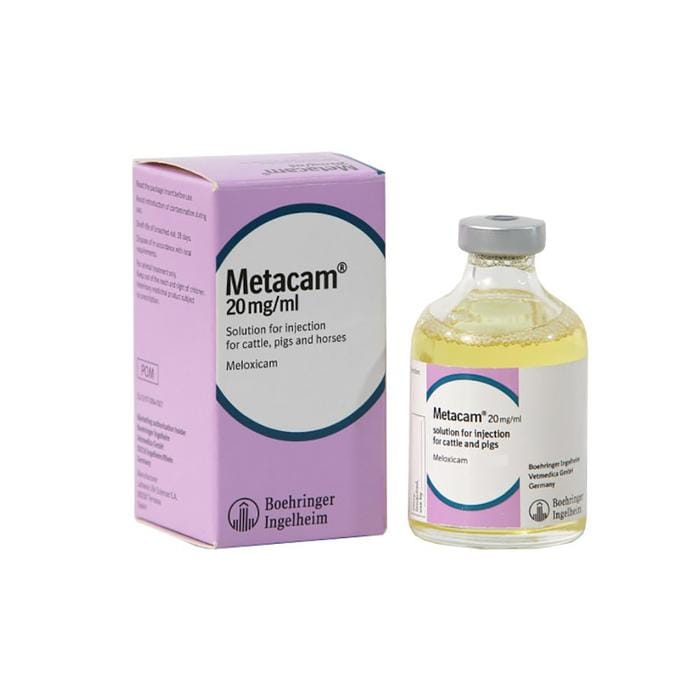
Metacam Solution for Injection
Buy Metacam Solution for Injection Online


Metacam Solution for Injection is a veterinary meloxicam injection used under veterinary direction for pain and inflammation in labeled animal settings. It can be bought online with current product pricing shown during ordering, and the strength, concentration, and quantity should match the veterinarian’s written directions. Metacam injectable products are not interchangeable just because they share the same brand name, so match the animal species, route, and mg/mL concentration before use.
Metacam Solution for Injection Price, Strength, and Quantity
The Metacam Solution for Injection price depends on the exact concentration, vial size, quantity, and market presentation shown during ordering. A Metacam injection price may differ when one product supplies a different mg/mL strength or total volume. Start with the active ingredient and concentration, then compare total contents and the amount needed for the treatment plan.
Metacam is the brand name for meloxicam, a nonsteroidal anti-inflammatory drug, or NSAID, used in veterinary medicine to reduce pain and inflammation. Search terms may refer to Metacam 5 mg/mL Solution for Injection or Metacam 20 mg/mL Solution for Injection Canada, but the number is not a minor label detail. It describes concentration, which affects how much meloxicam is delivered in a measured volume.
For an injectable medicine, vial contents are different from a treatment amount. Total volume describes what is supplied, while the veterinarian determines the dose, timing, route, and monitoring plan for the specific animal. This matters when evaluating Metacam Solution for Injection cost, because a larger vial or higher concentration may change the total supply without changing clinical directions.
Quick tip: Match the mg/mL concentration first, then compare vial size and quantity.
How to Order Metacam Injection Online
Order Metacam Solution for Injection online by choosing the form, strength, and quantity that match the veterinary order. The name should identify an injectable meloxicam product, not an oral suspension, tablet, or different NSAID. If the animal’s care plan names a species and route, those directions should align with the product chosen during ordering.
Metacam injection may be used through a US shipping from Canada service context when supported by the order and product handling requirements. Temperature-sensitive veterinary products may require prompt, express, cold-chain shipping, but storage after receipt should follow the official label. We may review order details when needed to help match the product to the animal’s veterinary directions.
Do not substitute oral meloxicam, a human meloxicam tablet, or another anti-inflammatory medicine for Metacam injectable unless the veterinarian changes the plan. Different forms can have different concentrations, directions, and species limits. The safest purchase is the one that matches the active ingredient, injection form, strength, and intended animal.
What Metacam Injection Is Used For
Metacam injection for dogs is associated with control of pain and inflammation related to osteoarthritis in US veterinary labeling. Osteoarthritis is a chronic joint condition that can cause stiffness, reduced mobility, and discomfort. For broader canine pain-related browsing, related categories include Canine Osteoarthritis and Canine Musculoskeletal Pain.
Metacam injection for cats appears in some labeling and market contexts for short-term pain and inflammation settings, including postoperative care. Feline use requires tighter safety limits than canine use, especially around repeated dosing and kidney risk. Related browsing categories include Feline Postoperative Pain and Feline Musculoskeletal Pain.
Metacam injection for cattle may refer to a different concentration and a farm-animal label. Food-producing animal use can involve withdrawal periods, recordkeeping, and species-specific limits that do not apply to companion animals. A cattle formulation should not be selected for a dog or cat unless the veterinarian’s directions specifically identify that exact concentration and use context.
Product Attributes to Match Before Use
Metacam meloxicam Solution for Injection should be matched by clinically relevant attributes, not by brand name alone. The most important details are the dosage form, active ingredient, concentration, species, quantity, and route. A similar-looking vial can still be the wrong product if the strength or label species differs.
| Attribute | What to match |
|---|---|
| Form | Injectable solution, not an oral suspension or tablet. |
| Active ingredient | Meloxicam, an NSAID used in veterinary medicine. |
| Strength | The mg/mL concentration in the veterinary directions. |
| Species | Dog, cat, cattle, or another labeled animal use. |
| Quantity | Vial size or total amount needed for the plan. |
| Route | The injection route stated by the veterinarian and label. |
Metacam injection dosage for dogs and cats is weight-based and label-specific, so it should not be estimated from a product photo or vial size. The same caution applies to livestock uses, where concentration, route, and withdrawal instructions can be part of the veterinary plan. If any attribute is unclear, contact the clinic before administering the injection.
Why it matters: A concentration mismatch can change the amount of meloxicam delivered.
Dogs, Cats, and Species-Specific Differences
Can you give dogs injectable Metacam? Yes, Metacam injectable is labeled in dogs for certain pain and inflammation uses, including osteoarthritis-related pain under US labeling. The veterinarian decides whether injection is appropriate based on the dog’s weight, hydration, kidney and liver status, current medicines, and prior response to NSAIDs.
Cat use is more restricted. Cats can be more vulnerable to NSAID-related kidney problems, and repeated meloxicam exposure can increase risk. A Metacam injection for cats should follow the clinic’s postoperative or acute pain plan exactly; owners should not extend treatment, add oral meloxicam, or use leftover product without veterinary direction.
How long a Metacam injection lasts in dogs depends on the labeled product, dose, the animal’s condition, and the treatment plan. Do not repeat a dose because pain returns unless the clinic provides clear instructions. Persistent pain, poor appetite, vomiting, diarrhea, lethargy, or behavior changes should prompt veterinary contact rather than self-adjusting the injection schedule.
Handling, Storage, and Injection Logistics
Inspect injectable veterinary products when they arrive. The carton, vial, stopper, and seal should appear intact. Do not use a vial that looks damaged, cloudy when it should not be, contaminated, leaking, or different from what the veterinarian directed.
Storage should follow the official package insert or label. Temperature handling can matter for injectable medicines, and packaging used during transport does not replace labeled storage instructions after receipt. Avoid freezing, overheating, prolonged sunlight, or leaving the vial in a vehicle unless the label specifically permits those conditions.
Metacam injectable should be handled like a veterinary injection, not a general household medicine. Keep it away from children and animals. If needles or syringes are involved at home, the clinic should provide training on measuring, injection technique, sharps disposal, spill handling, and what to do if a dose is missed.
Side Effects, Warnings, and Monitoring
Metacam Solution for Injection side effects can involve the stomach, intestines, kidneys, liver, or injection site. Possible signs include vomiting, diarrhea, reduced appetite, tiredness, dark stools, abdominal discomfort, behavior changes, or injection-site irritation. Serious reactions are less common but can be life-threatening, especially in animals with dehydration, kidney disease, liver disease, bleeding problems, or other medical risks.
NSAIDs should not be combined casually. Meloxicam used with another NSAID or a corticosteroid can raise the chance of gastrointestinal bleeding, kidney injury, and other complications. Examples include carprofen, deracoxib, firocoxib, aspirin, prednisone, and dexamethasone. Recent pain medicines, injections, supplements, and over-the-counter products should be shared with the veterinary team.
Other interactions may involve diuretics, ACE inhibitors, anticoagulants, aminoglycoside antibiotics, anesthetic medicines, and drugs that affect kidney function or bleeding risk. This does not mean meloxicam can never be used in complex care plans. It means the clinic needs a complete medicine list before deciding whether Metacam injection fits the animal’s situation.
Monitoring is especially important after injection and around surgery. Contact a veterinarian promptly for repeated vomiting, diarrhea, loss of appetite, unusual tiredness, excessive thirst, increased urination, yellowing gums or eyes, black stools, blood in vomit, collapse, or severe weakness. Emergency care may be needed for signs of bleeding, severe dehydration, or sudden decline.
Related Veterinary Pain and Pet Medication Categories
Metacam injectable should be compared with other animal health products by form, active ingredient, species, and labeled use. Oral suspensions, tablets, injectable solutions, and livestock products may all have different directions. Browse Pet Medications for related animal health categories, then return to the exact meloxicam injection that matches the veterinary plan.
For dogs with chronic joint discomfort, canine osteoarthritis and musculoskeletal pain categories can help place Metacam injection within broader veterinary pain management. For cats, postoperative and musculoskeletal pain categories may help distinguish short-term surgical pain needs from other mobility concerns. These categories support product navigation only; dosing and treatment duration should come from the veterinary team.
If the animal has kidney disease, liver disease, dehydration, a bleeding disorder, poor appetite, pregnancy, nursing status, or a history of NSAID reactions, raise those issues before use. A different pain-control product or monitoring plan may be safer. Never share Metacam injection between animals, even when symptoms look similar.
Authoritative Sources
Official product labeling gives the most reliable information on species use, warnings, adverse reactions, and concentration-specific directions. Match any source to the exact Metacam injection strength and market label named in the veterinary plan.
- Official US label: DailyMed Metacam Injection label.
- FDA approval record: Animal Drugs at FDA FOI summary.
This content is for informational purposes only and is not a substitute for professional medical advice.
Research & Education Tool
Metacam Solution for Injection Dosage Calculator
Enter the vial amount, diluent volume, and target amount to estimate concentration, draw volume on a 1 mL U-100 syringe, and approximate vial yield.
For research and educational use only. Check all values against the product label, certificate of analysis, and any applicable professional guidance before relying on the result.
mg
Concentration
-
mcg / mL
Volume per Dose
-
-
Estimated Draws / Vial
-
rounded down to whole draws
Draw Reference
Enter values to estimate the syringe mark.
0
-
-
-
-
Express Shipping - from $29.99
Shipping with this method takes 3-5 days
Prices:
- Dry-Packed Products $29.99
- Cold-Packed Products $39.99
Standard Shipping - $19.99
Shipping with this method takes 5-10 days
Prices:
- Dry-Packed Products $19.99
- Not available for Cold-Packed products
What is Metacam injection for?
Metacam injection is a veterinary meloxicam NSAID used for pain and inflammation in labeled animal settings. In US labeling, Metacam Injection is indicated in dogs for control of pain and inflammation associated with osteoarthritis. Other species or market labels may have different directions.
Can dogs receive injectable Metacam?
Dogs may receive injectable Metacam when a veterinarian decides it is appropriate and the product matches the dog’s species, weight, route, and concentration directions. Owners should not estimate dose from vial size or repeat injections without clinic instructions.
Can cats receive Metacam injection?
Cats may receive meloxicam injection only under strict veterinary direction. Feline NSAID use has tighter safety limits, especially around kidney risk and repeated dosing. Do not add oral meloxicam or extend treatment unless the veterinarian gives clear instructions.
What is Metacam 20 mg/mL Solution for Injection?
Metacam 20 mg/mL Solution for Injection refers to a higher-concentration meloxicam injectable presentation used in certain market or species contexts. The 20 mg/mL strength should not be treated as interchangeable with 5 mg/mL products. Match the concentration exactly to the veterinary directions.
What side effects should be watched for after Metacam injection?
Watch for vomiting, diarrhea, reduced appetite, lethargy, dark stools, blood in vomit, increased thirst, increased urination, yellow gums or eyes, or sudden behavior changes. Contact a veterinarian promptly if concerning signs appear after injection.
Rewards Program
Earn points on birthdays, product orders, reviews, friend referrals, and more! Enjoy your medication at unparalleled discounts while reaping rewards for every step you take with us.
You can read more about rewards here.
POINT VALUE
How to earn points
- 1Create an account and start earning.
- 2Earn points every time you shop or perform certain actions.
- 3Redeem points for exclusive discounts.
You Might Also Like
Select options
This product has multiple variants. The options may be chosen on the product page
Select options
This product has multiple variants. The options may be chosen on the product page
Select options
This product has multiple variants. The options may be chosen on the product page
Select options
This product has multiple variants. The options may be chosen on the product page