
Please note: a valid prescription is required for all prescription medication.
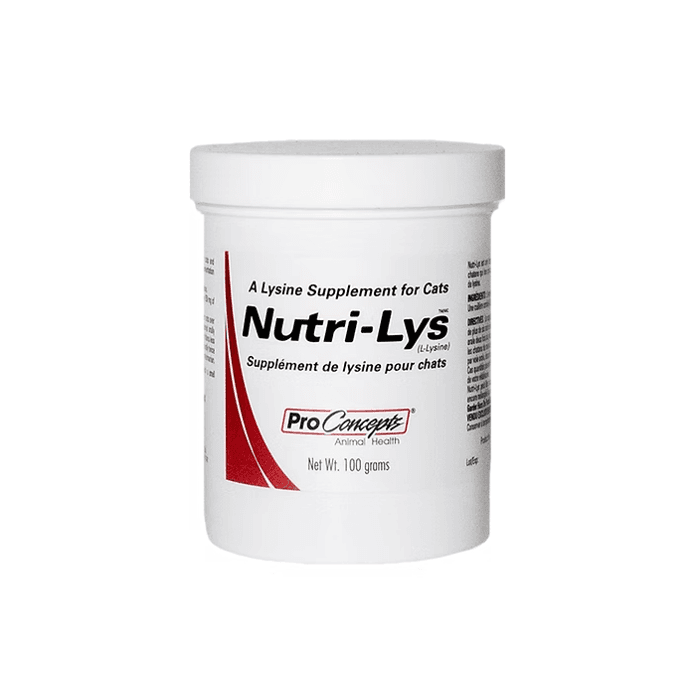
Nurti-Lys Lysine Supplement Powder
Buy Nurti-Lys Lysine Supplement Powder Safely
Price:
$47.99
You save


Nurti-Lys Lysine Supplement Powder is an amino acid supplement intended to add L-lysine to the diet. People most often use lysine powders to support general nutrition or specific wellness goals where dietary intake may be inconsistent. This page reviews usage basics, safety considerations, and practical handling so you can discuss fit with a clinician or pharmacist.
What Nurti-Lys Lysine Supplement Powder Is and How It Works
Lysine is an essential amino acid, meaning the body cannot make it and must obtain it from food or supplements. It is used to build proteins and supports normal tissue maintenance, including collagen formation and muscle protein synthesis. In supplements, lysine may be provided as L-lysine or as a salt such as lysine hydrochloride (HCl), which can affect how much “elemental” lysine is in a serving.
Some patients explore Ships from Canada to US options when comparing supplement availability across regions, depending on eligibility and jurisdiction. For products that require a prescription, details may be confirmed with the prescriber. If you are browsing related nutrition topics, the Vitamins Supplements hub and Articles Vitamins Supplements list can help you compare ingredient classes and common use cases.
Lysine is also discussed in the context of recurrent oral herpes (cold sores), although study results are mixed and product labeling varies. If you are considering lysine for a condition-related goal, it helps to separate three ideas: correcting low dietary intake, supplementing around higher protein needs, and using lysine as a targeted strategy for symptom patterns. Those are not the same, and the evidence and expectations can differ.
Who It’s For
Nurti-Lys Lysine Supplement Powder may be considered by adults who want a simple way to increase lysine intake without adding extra calories, sugar, or fat. People who rely heavily on plant-based patterns, have limited protein variety, or are working to meet protein targets may look at amino acid powders as a supplement to food rather than a replacement for it. Some individuals also explore lysine products because they have a history of cold sores and have heard lysine discussed in that context.
It may be reasonable to use extra caution, or to avoid use unless a clinician recommends it, if you are pregnant or breastfeeding, if the product is intended for a child, or if you have kidney disease or other conditions where protein and nitrogen balance are monitored. Anyone with a history of allergy to supplement ingredients should review the full label, including excipients and potential traces from shared manufacturing equipment.
People living with diabetes may also want to consider how a powder is mixed and what it is mixed into. Adding amino acids to sweetened beverages can work against glucose goals, while using water or an unsweetened option may fit better. For broader context on supplement choices in diabetes, see Best Vitamins For Diabetics and nutrient-focused reads like Vitamin C And Diabetes.
Dosage and Usage
Follow the product label for serving size and frequency, because lysine content can differ by formulation and by whether it is listed as L-lysine or lysine HCl. Nurti-Lys Lysine Supplement Powder is typically used by measuring the labeled serving and mixing it into a beverage or soft food. Many people choose water, yogurt, or an unsweetened smoothie to keep the taste and texture predictable.
Try to use a consistent measuring approach. If the container includes a scoop, use that scoop rather than household spoons, which vary in volume. If you use a kitchen scale, confirm that the label provides grams per serving and that the scale is accurate at small weights. Avoid inhaling powder when opening or mixing, and keep it away from eyes and broken skin.
When taking multiple supplements, spacing can be a practical way to reduce stomach upset, but there is no universal schedule that fits everyone. If you are already using several nutrition products, a simple list can help your care team review overlaps and unnecessary duplication. For related nutrition planning ideas, Exploring Nutrition Beyond is a helpful overview of common diet patterns and supplement considerations.
Strengths and Forms
Lysine supplements are commonly sold as powders, capsules, or tablets. The “strength” on a label may be expressed as milligrams (mg) or grams (g) of lysine per serving, and it may specify the chemical form (for example, L-lysine versus lysine HCl). Because the salt form contains additional weight from the accompanying chloride, two products with the same gram amount can provide different amounts of lysine base.
Nurti-Lys Lysine Supplement Powder is a powdered presentation, which can be useful when someone prefers flexible portioning or has trouble swallowing pills. Powders can also vary in taste, mixability, and added ingredients such as flavors, sweeteners, or anti-caking agents. Availability of specific presentations can change over time, so it is important to confirm what the current label lists.
| Form | Practical considerations |
|---|---|
| Powder | Mixing needed; check serving measurement and ingredients. |
| Capsule/tablet | Convenient dosing; may require multiple pills per day. |
| Combination formulas | May include other amino acids; review for duplicates. |
Storage and Travel Basics
Store lysine powder according to the package directions, typically in a cool, dry place with the lid tightly closed. Moisture exposure is a common cause of clumping and can affect how accurately you can measure a serving. Keep the container away from heat sources and out of direct sunlight unless the label states otherwise.
For travel, keeping the product in its original container can help with ingredient identification and lot tracking if questions come up later. If you transfer a small amount to another container, label it with the product name, key ingredients, and directions so it is not confused with another powder. If you are flying, consider packing the scoop and keeping the container sealed to reduce spills.
Quick tip: If the powder clumps, avoid “heaping” scoops; level the scoop per label directions.
If you have other medical supplies to pack, it can help to organize a simple routine and keep powders separate from medications. For diabetes-related device handling, guides like How To Use Insulin Pen focus on safe technique and storage habits that translate well to travel planning.
Side Effects and Safety
Most people who use lysine supplements as directed do not report major problems, but side effects can occur. The most common issues are gastrointestinal, such as stomach discomfort, nausea, cramps, or diarrhea, especially if the serving is large or taken on an empty stomach. Headache or an unusual taste can also occur with some formulations.
Stop use and seek medical advice promptly if you develop signs of an allergic reaction, such as hives, facial swelling, wheezing, or trouble breathing. Extra caution is also reasonable for people with kidney disease or those being monitored for kidney function, because amino acids are processed and excreted through pathways that involve the kidneys. If you have a chronic condition that affects hydration or electrolyte balance, ask a clinician whether any lab monitoring is appropriate.
Why it matters: “Natural” supplements can still cause side effects and interactions.
Nurti-Lys Lysine Supplement Powder should not be used as a substitute for clinician-directed care for recurrent or severe symptoms, including frequent cold sores, fever, or sores near the eyes. If cold sores are a concern, a clinician may discuss triggers, sun protection, and antiviral options that have clearer evidence. If you manage multiple conditions, an overall medication review can be useful; see Managing Diabetes And Hypertension for general planning considerations.
Drug Interactions and Cautions
Reliable interaction data for lysine supplements is limited compared with prescription medications, but precautions are still sensible. People taking medications that affect kidney function should be careful with any supplement that can add to nitrogen load or complicate symptom tracking. If you take diuretics, certain antibiotics, or other agents associated with kidney stress, discuss whether a lysine supplement fits safely into your overall plan.
Lysine may also be included in combination products that contain other amino acids, minerals, or herbal ingredients. Those added components are more likely to introduce interactions than lysine alone. Review the full supplement facts panel rather than focusing only on the front label.
If you take glucose-lowering medications or insulin, lysine does not replace diet, exercise, or prescribed therapy. However, new supplements can change appetite, routines, and stomach tolerance, which may indirectly affect glucose patterns for some people. For background on medication classes and how they work, Common Diabetes Medications is a practical primer for discussion with a care team.
Compare With Alternatives
For many people, the first alternative to an amino acid supplement is food-based protein planning. Lysine is found in many protein-containing foods, and overall protein adequacy often matters more than any single amino acid. A registered dietitian can help identify whether a gap is likely, particularly if you follow a restricted pattern or have limited appetite.
If your goal is related to cold sores, another alternative is condition-specific management, such as prescription or over-the-counter antivirals and trigger reduction strategies. These approaches have clearer clinical pathways than most supplement strategies. If your goal is broad nutrition support, a standard multivitamin or a targeted nutrient (for example, vitamin D when low) may be more appropriate depending on labs and diet.
When comparing supplements, consider whether you are looking for one ingredient or a blend. For example, botanical products are sometimes discussed in metabolic health contexts, but they address different questions than an amino acid. Articles such as Cinnamon And Diabetes and Ginger And Diabetes can help you understand typical evidence limitations and safety themes before combining multiple products.
Pricing and Access
Access to dietary supplements can vary by region, product sourcing, and the specific formulation you want. Some people prioritize a simple ingredient list, while others look for third-party testing statements or allergen disclosures. Unlike most prescription drugs, supplements are often purchased directly by consumers, and coverage through insurance is variable; many people consider cash-pay options or purchase without insurance depending on their plan rules.
When permitted, licensed third-party pharmacies handle dispensing and fulfilment. Even for non-prescription products, it can be helpful to keep documentation such as the label image, lot number, and a brief list of your current medications, especially if you are managing multiple conditions or have had prior reactions to supplements.
Out-of-pocket budgeting can depend on serving size, frequency, and whether you use a powder daily or only during certain periods. People who are balancing multiple medical expenses may benefit from general planning resources like Low Income Medication Options and Low Income Prescription Help, even when the item in question is not a prescription.
- Label review: confirm form and ingredients.
- Medication list: check for kidney-related cautions.
- Quality signals: look for testing details.
- Consistency: avoid frequent brand switching.
If you are reviewing site-wide updates that may affect how items are presented, see Promotions Information for general notices. Cross-border fulfilment considerations may apply based on eligibility and jurisdiction, and requirements can differ by product type.
Authoritative Sources
For an evidence-oriented overview of lysine uses, safety, and supplement context, a neutral starting point is the NIH’s consumer-facing resource. See the clinical summary in: MedlinePlus Natural Products: Lysine.
For how dietary supplements are regulated and what labeling can and cannot claim, review this FDA overview before relying on marketing statements. See the regulatory overview in: FDA Dietary Supplements.
When fulfilment is arranged, handling may include prompt, express, cold-chain shipping when product stability requires it.
This content is for informational purposes only and is not a substitute for professional medical advice.
Express Shipping - from $25.00
Shipping with this method takes 3-5 days
Prices:
- Dry-Packed Products $25.00
- Cold-Packed Products $35.00
Standard Shipping - $15.00
Shipping with this method takes 5-10 days
Prices:
- Dry-Packed Products $15.00
- Not available for Cold-Packed products
What is lysine powder used for?
Lysine powder is commonly used to supplement dietary intake of L-lysine, an essential amino acid involved in protein building and tissue maintenance. People may use it when their overall protein intake is low, when diet variety is limited, or when they prefer a single-ingredient supplement. Lysine is also frequently discussed for cold sore (oral herpes) management, but research results are mixed and labels vary. A clinician or pharmacist can help you weigh goals, evidence, and safety for your situation.
Can lysine powder help with cold sores?
Some people take lysine because it has been studied in relation to herpes simplex outbreaks, including cold sores. Evidence is not consistent across studies, and outcomes can depend on dose, duration, and individual factors. Lysine should not replace proven prevention strategies (such as lip sunscreen) or treatment plans (such as antivirals) recommended by a clinician. If cold sores are frequent, severe, near the eyes, or associated with fever, it is important to seek medical guidance rather than relying only on supplements.
How do I take a lysine supplement powder safely?
Use the serving size and directions on the product label, because lysine content differs by formulation (for example, L-lysine vs lysine HCl). Measure carefully with the provided scoop or a verified scale, and mix into water or another beverage/food as directed. Avoid inhaling the powder and keep it away from eyes. If you develop stomach upset, discuss timing with a clinician rather than increasing or decreasing the amount on your own. Keep a list of all supplements to reduce duplication.
What side effects should I watch for with lysine powder?
The most common side effects reported with amino acid supplements like lysine are gastrointestinal, including nausea, cramps, and diarrhea. Headache or an unpleasant taste can occur with some products. Seek urgent care if you notice signs of an allergic reaction such as hives, facial swelling, wheezing, or trouble breathing. People with kidney disease or those taking medications that affect kidney function should ask a clinician whether lysine is appropriate and whether any monitoring is needed.
Who should talk to a clinician before using lysine powder?
It is reasonable to check with a clinician or pharmacist before using lysine powder if you are pregnant or breastfeeding, planning to give it to a child, have kidney disease, or take medications with kidney-related cautions. You should also ask if you have multiple chronic conditions or take several supplements, since combination products can increase the risk of overlapping ingredients. Bring the full label (including other ingredients) and your current medication list so the review is complete.
Is lysine HCl the same as L-lysine on a label?
They are closely related but not identical on a supplement facts panel. “L-lysine” often refers to the amino acid base, while “lysine HCl” is a salt form that includes hydrochloride, which adds weight. Because of that, equal gram amounts of different forms may not provide the same amount of lysine base. Labels may list the form and sometimes the amount of actual lysine provided per serving. If you are comparing products, focus on the declared lysine content per serving rather than just the powder weight.
Rewards Program
Earn points on birthdays, product orders, reviews, friend referrals, and more! Enjoy your medication at unparalleled discounts while reaping rewards for every step you take with us.
You can read more about rewards here.
POINT VALUE
How to earn points
- 1Create an account and start earning.
- 2Earn points every time you shop or perform certain actions.
- 3Redeem points for exclusive discounts.
You Might Also Like
Select options
This product has multiple variants. The options may be chosen on the product page
Select options
This product has multiple variants. The options may be chosen on the product page
Select options
This product has multiple variants. The options may be chosen on the product page
Select options
This product has multiple variants. The options may be chosen on the product page
Related Articles
Type 2 Diabetes,
Liraglutide Vs Semaglutide Comparison Guide For Patients
Key Takeaways People searching liraglutide vs semaglutide usually want a practical comparison, not a slogan. The most useful differences involve formulation, schedule, approved uses, side effect patterns, and the paperwork…
Weight Management
Generic Zepbound: Availability, Status, and Options
Key Takeaways Patients and caregivers often search for generic zepbound when they need a clear answer about availability, labeling, and lower-cost access. The term is common online, but it does…
Type 2 Diabetes,
Oral Wegovy Explained: Facts, Risks, and Access Options
The phrase oral wegovy is best understood as a search term, not a settled product name. Most people use it to mean a pill version of semaglutide for weight management,…
Diabetes, General Health,
Glp-1 Drugs Over The Counter: What’s Real And What’s Not
Key Takeaways Prescription GLP-1 medicines are not sold as true OTC drugs. Many “GLP-1” supplements aim to support fullness, not mimic prescriptions. Online “no prescription” offers raise counterfeit and quality…