
Please note: a valid prescription is required for all prescription medication.
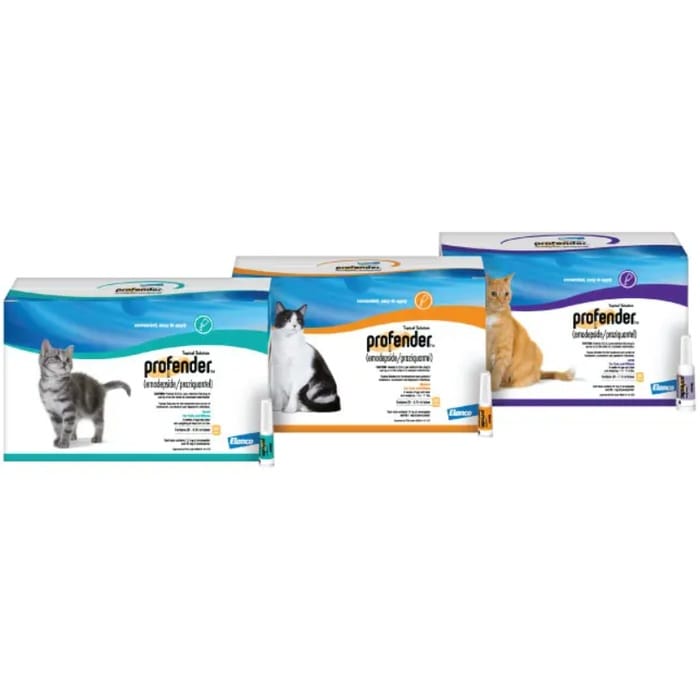


Profender
Profender for Cats Product Overview, Use, and Safety
Price:
Price range: $49.99 through $348.99
You save


Profender is a prescription topical dewormer for cats that targets common intestinal parasites. Some patients explore Ships from Canada to US when coordinating veterinary prescriptions for a pet. If you are searching buy profender for cats, this page summarizes what it is, how it works, how it is typically used, and key safety and handling points to review with a veterinarian.
What Profender for Cats Is and How It Works
Profender Topical Solution for Cats is a spot-on medication used to treat certain intestinal worms in cats. It combines two antiparasitic agents, emodepside and praziquantel, to cover different worm groups. CanadianInsulin can help verify the veterinarian prescription details before referral, which is useful when information must match the clinic record.
Emodepside is active against nematodes (roundworms and hookworms) by disrupting the worms’ neuromuscular function, leading to paralysis and elimination. Praziquantel is active against cestodes (tapeworms) by damaging the parasite’s outer surface and affecting calcium balance, which helps clear the infection. Because tapeworm exposure is often linked to fleas or predation, treatment may be paired with prevention steps that reduce reinfection risk.
Profender cat dewormer topical is designed for administration onto the skin, where the ingredients are absorbed systemically rather than acting only in the gut. That route can be helpful for cats that resist tablets, but it also means exposure varies with correct placement and preventing ingestion from grooming. For background on intestinal parasite categories and why testing may be recommended, you can browse the Feline Intestinal Worms hub.
Dispensing is completed by licensed third-party pharmacies where permitted. Even when a medication is familiar, packaging and labeling details matter because weight bands, warnings, and directions may differ by market.
Who It’s For
This medicine is indicated for cats with certain intestinal worms and for situations where a veterinarian determines deworming is appropriate based on risk, symptoms, or fecal testing. Typical signs that can prompt evaluation include vomiting, diarrhea, weight loss, poor coat condition, or visible worm segments, but some cats have no obvious symptoms. Kittens, outdoor cats, cats that hunt, and multi-pet homes may have higher exposure risk.
Profender for Cats is generally labeled for cats and kittens above a minimum age and weight threshold; the exact cutoffs should be confirmed on the product carton and with the prescriber. It may not be appropriate for very young or underweight kittens, cats that are acutely ill, or cats with known hypersensitivity to ingredients. Pregnant or nursing cats require veterinary guidance because risk–benefit decisions can differ by individual case.
It is also important to match the medication to the parasite. This topical dewormer is not intended to replace flea control, heartworm prevention, or treatment for protozoa (single-celled parasites) like Giardia. If your household includes dogs, parasite control plans may differ by species; the Canine Intestinal Worms hub provides broader context for mixed-pet environments.
Dosage and Usage
Profender for Cats is supplied as a single-dose, topical tube selected by the veterinarian based on the cat’s body weight. Dosing is commonly a one-time administration, with any repeat schedule determined by ongoing exposure risk, fecal results, and the prescriber’s plan. For the most accurate directions, follow the labeled instructions and the clinic’s prescription notes rather than relying on prior experiences with other dewormers.
Administration is typically to the skin at the base of the skull or neck, where the cat is less likely to lick. Hair is parted so the contents contact skin, and the tube is emptied fully as directed. Avoid putting it on irritated skin or into the coat alone, since that can reduce effective absorption and increase the chance of grooming ingestion. For general at-home medication handling concepts across different routes, the guide Insulin Pen Vs Syringe explains why technique and device choice can change results, even though this product is topical.
Quick tip: After using a spot-on product, keep pets separated until the site is dry.
Contact the veterinary clinic if the dose is missed, if the cat is bathed soon after dosing, or if you are unsure whether the tube was administered correctly. In those situations, a veterinarian can advise on next steps and whether monitoring or re-treatment is needed.
Strengths and Forms
Profender Topical Solution for Cats is a liquid formulation intended for external use on cats only. It is commonly packaged as single-use tubes in several weight-range presentations so the prescribed dose can be matched to the cat’s size. Availability may vary by jurisdiction, and the labeled indications and precautions should be reviewed for the specific pack supplied.
The active ingredients are emodepside and praziquantel. These are antiparasitic medications used in veterinary medicine to target different worm types, which is why combination products are sometimes chosen when roundworms and tapeworms are both concerns. If you are comparing product formats, the Pet Medications hub can help you browse other veterinary categories for context, without assuming one product fits every cat.
| Attribute | What to know |
|---|---|
| Route | Topical spot-on to skin |
| Active ingredients | Emodepside and praziquantel |
| Dose selection | Weight-band single-use tube |
| Use case | Treatment of labeled intestinal worms |
Storage and Travel Basics
Store Profender according to the carton labeling, generally at controlled room temperature and protected from excess heat and light. Keep each tube sealed until use, and store it in the original packaging so the lot number and expiration date remain available if the clinic requests them. As with many veterinary medicines, secure storage is important because accidental exposure can occur if a cat chews packaging or if a child handles a discarded tube.
For travel, keep the tube in a clean, dry place and avoid temperature extremes in cars or luggage compartments. Consider packing disposable gloves and paper towels so you can manage small spills safely, and carry the product leaflet for reference. If you are managing multiple prescriptions across a household, the general planning ideas in Living With Diabetes can be adapted to veterinary routines, such as keeping a medication list and setting reminders.
Why it matters: Good storage reduces dosing errors and unintended contact exposures.
Side Effects and Safety
Like other topical antiparasitics, Profender for Cats can cause local skin reactions at the site, such as mild redness, itching, or temporary hair changes. Some cats may drool, gag, or vomit if they lick the wet product, which is one reason correct placement and post-dose supervision matter. Mild, short-lived lethargy can also occur, especially in sensitive cats or those stressed by handling.
More serious reactions are uncommon but can include persistent vomiting, marked weakness, tremors, incoordination (ataxia), or signs of an allergic response such as facial swelling or trouble breathing. If these occur, contact a veterinarian promptly for guidance. For households searching buy profender for cats, safety planning should include preventing pet-to-pet contact until the medication dries and washing hands after handling the tube.
Human safety is part of correct use. Avoid contact with eyes or mouth, and do not allow children to touch the application site while it is wet. If product gets on skin, wash with soap and water, and refer to the package instructions for additional steps. Report suspected adverse events to the veterinarian and, when appropriate, to the manufacturer or relevant regulatory authority.
Drug Interactions and Cautions
Veterinary drug interaction data for topical dewormers is often limited compared with many human medicines, but interactions and additive effects can still occur. Tell the prescribing clinic about any other dewormers, flea or tick products, medicated shampoos, or skin treatments the cat is using. Using multiple topical pesticides or antiparasitics at the same time may increase the chance of skin irritation or systemic side effects.
Underlying illness can change how a cat tolerates medications. Cats that are underweight, geriatric, or recovering from illness may need closer monitoring after dosing. If your cat has a history of neurologic disease, seizures, or unusual sensitivity to antiparasitics, discuss that history before treatment. For a broader view of how different drug classes can have different mechanisms and precautions, the resource Common Diabetes Medications offers a plain-language example of why clinicians review the full medication list.
Also consider environmental and exposure cautions. Remove or reduce sources of reinfection when possible, such as flea exposure, hunting, or shared litter habits in multi-cat homes. A veterinarian may recommend fecal testing after treatment in higher-risk settings to confirm that the parasite burden has cleared.
Compare With Alternatives
Several deworming options can treat intestinal worms in cats, and the right choice depends on the parasite, the cat’s weight and age, tolerance for oral medications, and any other preventive products being used. Profender spot-on for cats is one approach when topical administration is preferred and when labeled coverage aligns with the suspected worm types. In contrast, some alternatives are oral and may require repeated doses depending on the drug and parasite.
Common alternatives a veterinarian may consider include praziquantel tablets for tapeworms, pyrantel-based products for roundworms and hookworms, and fenbendazole for certain nematodes. Some combination preventives emphasize flea or heartworm prevention and may not cover the same intestinal parasites, so the product label matters. For readers who like side-by-side comparisons, the format used in Mounjaro Vs Ozempic shows the kind of questions to bring to a clinician, such as mechanism, monitoring, and practical differences.
If reinfection is likely, the plan may also include flea control, litter hygiene, and periodic testing rather than relying on a single treatment step. When considering buy profender for cats, it helps to view it as one component of a broader parasite-control strategy guided by a veterinarian.
Pricing and Access
Profender prescription for cats is typically required, and the prescriber will select the correct presentation based on the cat’s weight and clinical context. Coverage and reimbursement policies vary widely for veterinary prescriptions, and many pet owners use cash-pay options depending on plan design and eligibility. If you are managing care without insurance, documentation such as a current prescription and accurate pet details usually matters for safe dispensing.
Cross-border fulfilment may be considered based on eligibility and local rules. Depending on jurisdiction, CanadianInsulin may coordinate prescription confirmation and referral, while the medication itself is dispensed in accordance with applicable pharmacy regulations. When searching buy profender for cats, focus on whether the dose band, species labeling, and directions match the veterinary record rather than relying on the product name alone.
Out-of-pocket considerations can be influenced by weight band, frequency of deworming recommended by the clinic, and whether additional products are needed for fleas or other parasites. General cost-comparison ideas from Cut Insulin Costs and How U S Patients may be helpful frameworks for organizing questions about prescriptions, even though those articles address different conditions. If you are reviewing site-wide programs, see Promotions for currently listed options and terms.
Authoritative Sources
For regulatory context and product lookup tools, a starting point is the FDA animal drug database. Review entries and labeling details at Animal Drugs @ FDA.
For veterinary clinical background on intestinal parasites and prevention concepts, consult established veterinary references. Practical overviews are available in the Merck Veterinary Manual, and guideline-style prevention information can be found at Companion Animal Parasite Council Guidelines.
When appropriate for the product type and packaging, temperature control may use prompt, express, cold-chain shipping.
This content is for informational purposes only and is not a substitute for professional medical advice.
Express Shipping - from $25.00
Shipping with this method takes 3-5 days
Prices:
- Dry-Packed Products $25.00
- Cold-Packed Products $35.00
Standard Shipping - $15.00
Shipping with this method takes 5-10 days
Prices:
- Dry-Packed Products $15.00
- Not available for Cold-Packed products
What worms does Profender treat in cats?
Profender is a topical dewormer that targets specific intestinal parasites listed on its labeling, commonly including roundworms and tapeworms. Your veterinarian may recommend it after a fecal exam, known exposure (such as fleas or hunting), or compatible symptoms. It is not a general-purpose treatment for every parasite, and it does not replace flea control or heartworm prevention. If the parasite type is uncertain, a clinic may suggest testing to match the medication to the organism.
How is Profender given to a cat?
Profender is typically administered as a spot-on dose placed directly on the skin, usually at the base of the skull or along the neck where the cat is less likely to groom. The prescribed tube is chosen by weight band. Hair is parted to expose skin, and the full tube is used as directed. Because ingestion can increase side effects, most veterinarians advise keeping pets separated until the site is dry and preventing children from touching the area during that time.
What should I do if my cat licks the application site?
If a cat licks the wet product, temporary drooling, gagging, or vomiting can occur. Monitor your cat and keep them calm, and contact your veterinarian for individualized guidance, especially if symptoms are persistent or severe. Do not re-dose unless the prescriber specifically instructs it. For future doses, correct placement on the skin and preventing contact with other pets until dry can reduce the chance of licking or cross-grooming.
What side effects should I watch for after Profender?
Common effects can include mild skin irritation where the product was placed, temporary hair changes, or brief stomach upset if grooming occurs. More concerning signs include repeated vomiting, marked lethargy, tremors, unsteady walking, facial swelling, or any breathing difficulty. If serious symptoms occur, seek veterinary care promptly. It can help to note timing, other medications used, and whether the cat could have ingested the product, since that information may guide next steps.
Can Profender be used in kittens or pregnant cats?
Use in kittens and breeding animals depends on the labeled age and weight limits and the veterinarian’s clinical judgment. Many products in this class have minimum thresholds because very young or small animals can be more sensitive to systemic absorption. Pregnancy and nursing are special situations where the clinic weighs parasite risk against safety considerations and may choose a specific product or timing. Always confirm the exact product label and your cat’s current weight before treatment.
What should I ask my veterinarian before using Profender?
Useful questions include which parasites are suspected or confirmed, whether a fecal test is recommended, and how to reduce reinfection risk (for example, flea control, litter hygiene, or limiting hunting). Ask which weight-band tube matches your cat’s current weight and what to do if the dose is missed or the cat is bathed soon after dosing. Also share a list of all other topical products or dewormers being used to help avoid overlapping therapies and irritation.
Rewards Program
Earn points on birthdays, product orders, reviews, friend referrals, and more! Enjoy your medication at unparalleled discounts while reaping rewards for every step you take with us.
You can read more about rewards here.
POINT VALUE
How to earn points
- 1Create an account and start earning.
- 2Earn points every time you shop or perform certain actions.
- 3Redeem points for exclusive discounts.
You Might Also Like
Select options
This product has multiple variants. The options may be chosen on the product page
Select options
This product has multiple variants. The options may be chosen on the product page
Select options
This product has multiple variants. The options may be chosen on the product page
Select options
This product has multiple variants. The options may be chosen on the product page
Related Articles
Type 2 Diabetes,
Oral Wegovy Explained: Facts, Risks, and Access Options
The phrase oral wegovy is best understood as a search term, not a settled product name. Most people use it to mean a pill version of semaglutide for weight management,…
Diabetes, General Health,
Glp-1 Drugs Over The Counter: What’s Real And What’s Not
Key Takeaways Prescription GLP-1 medicines are not sold as true OTC drugs. Many “GLP-1” supplements aim to support fullness, not mimic prescriptions. Online “no prescription” offers raise counterfeit and quality…
Diabetes, Type 2
GLP-1 Cost Without Insurance: Compare Cash-Pay Options
Key Takeaways Many people searching for glp-1 cost without insurance are trying to plan for a long-term expense. The total can change based on the drug, the pharmacy, and how…
Cardiovascular, Diabetes, Nephrology,
SGLT2 Inhibitors Drugs: Names, Uses, And Safety Notes
Key Takeaways They lower glucose by increasing urinary sugar loss. Common options include dapagliflozin, empagliflozin, canagliflozin, and ertugliflozin. Some products combine an SGLT2 inhibitor with metformin. Risks include dehydration and…