

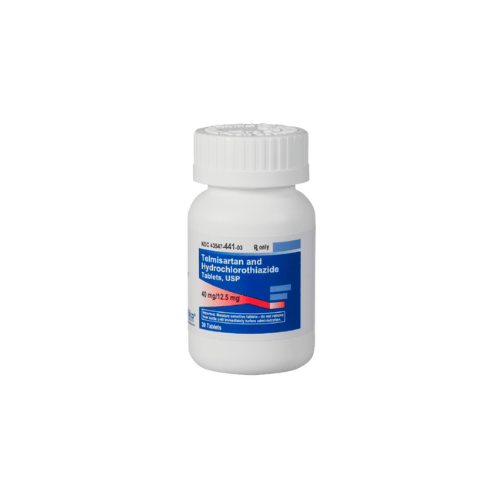
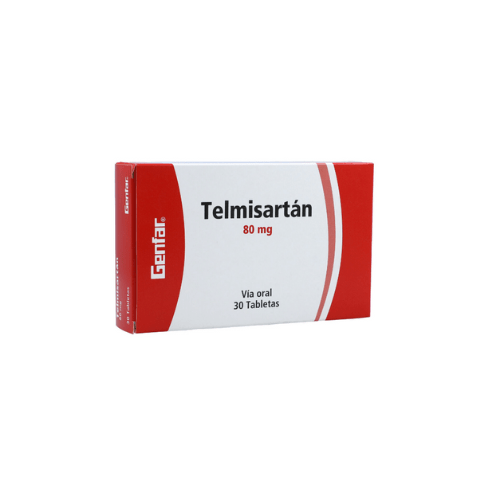
A valid prescription is required for this medication.
Compare prices. See your savings.
 Canadian comparison
Buy Telmisartan Online
Rx Prescription required Fast, secure shipping
Health tools
Research and education tools. They do not replace clinical advice, diagnosis, or treatment.
Blood Pressure Average Calculator
Average home blood pressure readings and show a simple screening range.
These calculations are for education only and do not replace clinical advice, diagnosis, or treatment. Always confirm medical decisions with a qualified healthcare professional.
Mean Arterial Pressure Calculator
Calculate estimated mean arterial pressure from systolic and diastolic blood pressure.
These calculations are for education only and do not replace clinical advice, diagnosis, or treatment. Always confirm medical decisions with a qualified healthcare professional.
Pulse Pressure Calculator
Calculate pulse pressure from systolic and diastolic blood pressure.
These calculations are for education only and do not replace clinical advice, diagnosis, or treatment. Always confirm medical decisions with a qualified healthcare professional.
eGFR Calculator
Estimate kidney filtration using the 2021 CKD-EPI creatinine equation.
These calculations are for education only and do not replace clinical advice, diagnosis, or treatment. Always confirm medical decisions with a qualified healthcare professional.
Urine Albumin-Creatinine Ratio Calculator
Calculate urine albumin-creatinine ratio from spot urine albumin and creatinine values.
These calculations are for education only and do not replace clinical advice, diagnosis, or treatment. Always confirm medical decisions with a qualified healthcare professional.
About Telmisartan
Telmisartan is an oral blood pressure medication in the angiotensin II receptor blocker, or ARB, class. It can be bought online by choosing the tablet strength and quantity shown during ordering, then matching the selection to your clinician’s directions. Telmisartan tablets are commonly associated with 20 mg, 40 mg, and 80 mg strengths, so the strength on your treatment plan should guide the order.
Telmisartan is the generic active ingredient used in Micardis. It is used for ongoing blood pressure management and, in certain adults at high cardiovascular risk, may be used to help reduce the risk of major cardiovascular events when clinically appropriate. It is not a rescue medicine for sudden chest pain, severe shortness of breath, stroke symptoms, or a hypertensive emergency.
Telmisartan Price, Strengths, and Tablet Quantity
Telmisartan price depends on the exact strength, tablet count, and product configuration chosen during ordering. A Telmisartan 40 mg price should be compared with another 40 mg tablet supply, not with Telmisartan 20 mg, Telmisartan 80 mg, or a combination medication. The most useful cost comparison starts with the same active ingredient, same strength, and similar total number of tablets.
Telmisartan tablets are not interchangeable simply because they contain the same active ingredient. A 20 mg tablet, 40 mg tablet, and 80 mg tablet represent different strengths. Do not choose a different strength to adjust your dose unless your clinician has specifically instructed you to do so.
| Order detail | What to verify |
|---|---|
| Active ingredient | Confirm the medicine is telmisartan alone, not a fixed-dose combination. |
| Tablet strength | Common labeled strengths include 20 mg, 40 mg, and 80 mg. |
| Tablet count | Use the total quantity to understand the practical Telmisartan cost. |
| Cash-pay context | Telmisartan without insurance may be evaluated by strength and quantity. |
If you are comparing Telmisartan cost without insurance, avoid judging the number from the medicine name alone. A larger supply may have a different total amount than a smaller supply, and unit context can matter. Cash-pay evaluation is clearest when the strength, form, and tablet count are the same.
Quick tip: Match the tablet strength first, then look at quantity and current price.
How to Order Telmisartan Online
To order Telmisartan online, choose the strength displayed for the product, enter the quantity, and make sure the medicine name matches your treatment plan. Telmisartan alone is different from telmisartan with hydrochlorothiazide, which adds a diuretic and changes the medication profile. If the active ingredient line includes another medicine, ask your healthcare professional which product you should use.
- Choose the strength: Use the mg strength directed by your clinician.
- Check the quantity: Make sure the tablet count fits the intended supply.
- Confirm the name: Plain Telmisartan is not the same as a combination tablet.
- Review contact details: Accurate order information helps avoid preventable delays.
US delivery from Canada may be relevant for customers arranging cross-border service. Use that service context alongside the product’s strength, quantity, and storage needs; do not use it as a reason to change the medication, tablet strength, or dosing schedule. Telmisartan tablets are generally not handled like refrigerated injectable medicines, even though some pharmacy products require temperature-sensitive handling.
The order decision should stay practical: correct active ingredient, correct strength, and a quantity that aligns with ongoing therapy. If your treatment has recently changed, use the most current clinician instructions rather than an older bottle label. Blood pressure medicines are often adjusted over time, so older supplies may not reflect the current plan.
What Telmisartan Blood Pressure Medication Treats
Telmisartan treats high blood pressure, also called hypertension. Lowering blood pressure helps reduce strain on blood vessels and organs over time. High blood pressure often causes no symptoms, which is why ongoing treatment and monitoring can remain important even when you feel well.
Telmisartan belongs to a class called angiotensin II receptor blockers. Angiotensin II is a hormone signal that can tighten blood vessels. By blocking that signal, Telmisartan helps blood vessels relax, which can reduce blood pressure as part of a broader cardiovascular plan.
In certain adults at high risk for cardiovascular events, Telmisartan may also be used to help reduce the risk of heart attack, stroke, or cardiovascular death when a clinician determines it is appropriate. This use depends on individual history and risk factors. It should not be used as a substitute for emergency care when serious symptoms occur.
For condition-based browsing, the Hypertension section can help you view related blood pressure treatments. The Cardiovascular Products category is useful when comparing medication classes, forms, and related heart-health therapies.
Generic Telmisartan and Micardis Generic Context
Generic Telmisartan contains the active ingredient telmisartan. Micardis is a brand name associated with the same active ingredient. Brand and generic naming can vary by market, so the active ingredient and strength are the most important details when matching a product to treatment directions.
Do not confuse plain Telmisartan tablets with fixed-dose combinations. Telmisartan with hydrochlorothiazide contains both an ARB and a thiazide diuretic. That combination may be useful for some people, but it is a different medication and may involve different monitoring, side effects, and fluid or electrolyte considerations.
Country-specific product records, labeling, and naming conventions may not always use identical wording. A store-supplied generic medication should still be evaluated by the active ingredient, strength, tablet form, and source through licensed pharmacy channels. If a clinician changes you from a brand to a generic or from a single-ingredient tablet to a combination tablet, confirm the exact medicine name before taking it.
Taking Telmisartan Tablets Safely
Telmisartan tablets are taken by mouth. The medicine is usually used as part of long-term blood pressure management rather than for immediate symptom relief. Follow the dosing schedule provided by your healthcare professional, and avoid stopping the medicine suddenly without clinical guidance.
Blood pressure response may not be obvious from how you feel. Some people feel normal even when readings are high, while others may feel dizzy when blood pressure falls too low. Home readings can be useful, but single readings may be affected by activity, stress, caffeine, pain, or measurement technique.
If you miss a dose, follow the instructions given by your clinician or pharmacist. Do not double doses unless you have been told to do so. If missed doses happen often, ask about practical strategies such as a medication organizer, a consistent daily routine, or reminder tools.
Telmisartan is not known as a weight-loss medication. Weight changes should be discussed in the context of diet, fluid balance, kidney function, other medicines, and cardiovascular health. Report unexpected swelling, rapid weight changes, or worsening shortness of breath promptly.
Side Effects, Warnings, and When to Get Help
Telmisartan can lower blood pressure, so dizziness, lightheadedness, or faintness may occur, especially after starting therapy, after dose changes, or during dehydration. Some people may also experience back pain, sinus symptoms, diarrhea, or upper respiratory symptoms. Avoid driving or hazardous tasks if you feel dizzy or unsteady.
Serious reactions need medical attention. Seek help for fainting, swelling of the face or lips, trouble breathing, very low urine output, severe weakness, confusion, or symptoms that suggest an irregular heartbeat. These may relate to low blood pressure, allergic reaction, kidney problems, or high potassium.
Telmisartan can harm or cause death to an unborn baby. It should not be used during pregnancy, and a healthcare professional should be contacted promptly if pregnancy occurs. People with a previous allergic reaction to Telmisartan should not take it.
Kidney function and potassium levels are important safety considerations. High potassium may not always cause clear symptoms, but it can be serious. Risk can be higher in people with kidney disease, diabetes, dehydration, heart failure, or medicines that affect potassium or kidney function.
Why it matters: A safe order starts with the right tablet and continues with appropriate monitoring.
Interactions and Monitoring to Discuss
Tell your healthcare professional and pharmacist about all prescription medicines, over-the-counter products, and supplements you use. Important interaction checks include potassium supplements, salt substitutes containing potassium, potassium-sparing diuretics, ACE inhibitors, aliskiren, lithium, NSAID pain relievers, and other blood pressure medicines.
Some combinations may increase the risk of low blood pressure, kidney changes, or elevated potassium. Telmisartan should not be used with aliskiren in people with diabetes. Extra caution may be needed when dehydration, vomiting, diarrhea, poor fluid intake, or kidney disease is present.
Monitoring often includes blood pressure readings, kidney function tests, and potassium measurements. Your clinician may adjust monitoring frequency based on age, kidney health, diabetes, heart disease, other medicines, and recent changes in treatment. Do not change therapy based only on one unusual home reading; discuss patterns and symptoms.
If diabetes is part of your health history, blood pressure treatment may be reviewed alongside kidney and cardiovascular risk. The article on Managing Diabetes and Hypertension can help organize questions about overlapping risk factors, low blood pressure symptoms, and monitoring discussions.
Storage and Handling for Telmisartan Tablets
Store Telmisartan tablets at room temperature in a dry place, away from excess heat and moisture. Keep tablets in their labeled container or blister packaging until use. Bathrooms, hot cars, and damp storage areas can expose tablets to conditions that are not ideal.
When your order arrives, look at the medication name, strength, tablet count, and label before taking any tablet. If the name or strength does not match what you expected, pause and ask for help. This is especially important if you take more than one cardiovascular medicine.
For travel, keep tablets in the original labeled container when possible. Do not mix loose tablets from different bottles, because similar-looking tablets can lead to medication errors. Carry enough for the trip, and protect the container from heat and moisture.
Prompt, express, cold-chain shipping may be relevant to some pharmacy orders, but Telmisartan tablets are generally stored at room temperature unless the product label says otherwise. Follow the storage instructions on the package you receive.
Related Blood Pressure and Cardiovascular Choices
Telmisartan is one option within a broader group of blood pressure medicines. Other treatment classes may include ACE inhibitors, calcium channel blockers, beta blockers, diuretics, and other ARBs. These medicines can treat similar conditions, but they are not automatically interchangeable.
The right comparison depends on the active ingredient, strength, side-effect profile, interactions, kidney considerations, potassium effects, and monitoring plan. An ARB may be chosen for one person while another medication class is better suited to someone else. Individual factors such as age, kidney function, diabetes, heart disease, and other medicines can change the decision.
Combination tablets may reduce pill burden for some people, but they also add another active ingredient. A telmisartan-hydrochlorothiazide product is not simply a higher-strength Telmisartan tablet. It includes a diuretic that can affect urination, electrolytes, fluid balance, and monitoring needs.
For broader education, Cardiovascular Resources can support discussions about blood pressure medicines, cardiovascular risk, and related treatment questions. Use educational material to prepare for a healthcare conversation, not to replace individualized medical advice.
Authoritative Sources
Official tablet labeling summarizes uses, strengths, contraindications, fetal toxicity warning, interactions, and monitoring considerations: DailyMed Telmisartan Tablets.
Patient drug information explains precautions, side effects, and practical use topics: MedlinePlus Telmisartan Information.
This content is for informational purposes only and is not a substitute for professional medical advice.
This content is for informational purposes only and is not a substitute for professional medical advice.
Two ways to ship
Cold-packed medications travel by Express shipping. Dry-packed medications can ship Express or Standard.
Earn points on every order
Earn points on birthdays, product orders, reviews, friend referrals, and more! Enjoy your medication at unparalleled discounts while reaping rewards for every step you take with us.
Register and/or Login
Create an account and start earning.
Earn Rewards
Earn points every time you shop or perform certain actions.
Redeem
Redeem points for exclusive discounts.
Ways to save
We stand behind our prices
We work hard to offer the very best available price. If you find a lower price on the same product, we will match it.
Learn how →Tiered pricingNew tiered pricing is here
Buy more and save more on the medications you trust: save 7% per pack when you buy 2, and 14% per pack when you buy 3 or more.
See tiered pricing →You might also like
View all →
Related articles
View all →
Bystolic Medication: Blood Pressure Benefits and Safety
Bystolic medication is the brand form of nebivolol, a prescription beta blocker used to help lower high blood pressure in adults. It…
Read more →
Altace in Blood Pressure Care: Uses, Risks, and Monitoring
Altace is the brand name for ramipril, an ACE inhibitor used in blood pressure care and certain heart-risk situations. It works by…
Read more →
Ramipril Uses in Heart, Blood Pressure, and Kidney Care
Ramipril is an ACE inhibitor used to lower high blood pressure, reduce certain heart risks, and protect kidney function in selected patients.…
Read more →
Benazepril Uses in Blood Pressure and Kidney Care
Benazepril uses include treating high blood pressure, and it may fit care plans where kidney and cardiovascular risk need close monitoring. Benazepril…
Read more →Speak to us
Our customer service team are highly experienced and friendly. Get in touch today.
What is Telmisartan used for?
Telmisartan is used to treat high blood pressure. In certain adults at high cardiovascular risk, it may also be used to help reduce the risk of major cardiovascular events when clinically appropriate.
Is Telmisartan the same as Micardis?
Telmisartan is the generic active ingredient associated with the brand name Micardis. When comparing products, match the active ingredient, tablet strength, and whether the medication is single-ingredient or a combination tablet.
What strengths do Telmisartan tablets come in?
Official labeling describes Telmisartan tablets in 20 mg, 40 mg, and 80 mg strengths. Use the strength directed by your healthcare professional and do not substitute a different strength on your own.
What side effects should I watch for with Telmisartan?
Dizziness or lightheadedness can occur, especially when starting treatment or with dehydration. Seek medical help for fainting, trouble breathing, facial swelling, very low urine output, severe weakness, or symptoms of an abnormal heartbeat.
Can Telmisartan interact with other medicines?
Yes. Important interaction checks include potassium supplements, potassium salt substitutes, potassium-sparing diuretics, ACE inhibitors, aliskiren, lithium, NSAID pain relievers, and other blood pressure medicines.
How should Telmisartan tablets be stored?
Store Telmisartan tablets at room temperature in a dry place, away from excess heat and moisture. Keep them in the labeled container or blister packaging until use.
Speak to our team
 Call toll free1-844-560-7790
 Emailservice@canadianinsulin.com
Monday to Friday 7am – 11pm EST
Saturday 7am to 7pm EST
Sunday 8am – 5pm EST