

The Basaglar generic name is insulin glargine. Basaglar is the brand name, and KwikPen refers to a delivery device, not a different medicine. This matters because insulin is a biologic medicine, so a “generic” insulin comparison is not always as simple as comparing tablets with the same active ingredient.
Insulin glargine is a long-acting basal insulin used to provide background insulin coverage. If you are comparing Basaglar with Lantus, Toujeo, Tresiba, or another basal option, focus on the active ingredient, insulin class, device, concentration, substitution rules, and your prescriber’s instructions.
Key Takeaways
- Basaglar contains insulin glargine, a long-acting basal insulin.
- Basaglar is not a traditional generic version of Lantus.
- The KwikPen name describes the pen device, not a separate drug.
- Alternatives may include other glargine products or different basal insulins.
- Any insulin switch should involve a prescriber or diabetes care team.
Why the Basaglar Generic Name Matters
The Basaglar generic name identifies the active insulin molecule: insulin glargine. The brand name identifies a specific product. The delivery device, such as a KwikPen, describes how the insulin is given.
This distinction helps you read pharmacy labels and compare prescriptions more accurately. A prescription may list insulin glargine, but that does not automatically mean every insulin glargine product can be substituted. Local rules, product labeling, device design, and prescriber directions can all affect what a pharmacist may dispense.
Insulin products are also biologic medicines. Biologics are made using living systems and are more complex than many small-molecule drugs. Because of that, related products may be described as biosimilar, follow-on, or interchangeable under a regulator’s framework rather than as a simple generic. For more background, see Biosimilar Insulin and No Generic Insulin.
Why it matters: The name helps identify the medicine, but it does not replace prescribing judgment.
Basaglar, KwikPen, and Insulin Glargine Brand Names
Basaglar is one insulin glargine brand name. Other products may also contain insulin glargine, but they can differ in labeling, device, concentration, or substitution status.
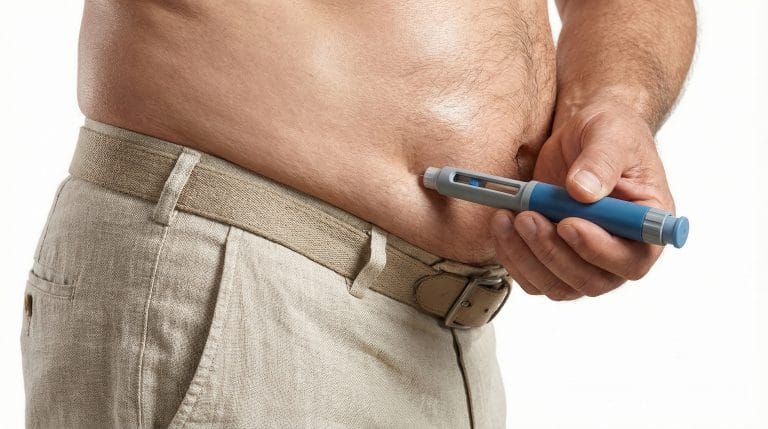
The Basaglar KwikPen is a prefilled pen format for Basaglar insulin. There is no separate Basaglar KwikPen generic name. The medicine in the pen is still insulin glargine. The device matters because it affects priming, dose selection, injection steps, needle attachment, and day-to-day handling.
People often ask whether Basaglar is the same as Lantus. Both contain insulin glargine, but Basaglar should not be treated as a standard generic for Lantus. They are separate branded products. A prescriber or pharmacist can explain whether a specific substitution is allowed in your location and situation. For a focused comparison, review Basaglar Vs Lantus.
Use the Basaglar generic name as a starting point. Then confirm the exact brand, device, concentration, and instructions before making any change.
Where Basaglar Fits in Basal Insulin Care
Basaglar is a basal insulin, meaning it provides background insulin coverage between meals and overnight. Basal insulin is different from rapid-acting or mealtime insulin, which is used around food intake or correction plans when prescribed.
Insulin glargine is classified as a long-acting insulin analog. In plain language, it is designed to release slowly after injection under the skin. This slower release helps support ongoing glucose control over an extended period. Individual response can vary based on the product, injection routine, activity, meals, illness, kidney function, and other medicines.
People with type 1 diabetes often need both basal and mealtime insulin. Some people with type 2 diabetes use basal insulin with non-insulin diabetes medicines, while others may need additional insulin coverage. These decisions depend on glucose patterns and clinical context, not on a product name alone. For broader context, see Long-Acting Insulin Names.
If you track glucose in both mg/dL and mmol/L, unit differences can make records harder to compare. This converter can help translate units only; it does not interpret readings or recommend treatment changes.
Blood Glucose Unit Converter
Convert glucose readings between mg/dL and mmol/L without changing the clinical value.
These calculations are for education only and do not replace clinical advice, diagnosis, or treatment. Always confirm medical decisions with a qualified healthcare professional.
Basaglar Alternatives and “Equivalent” Questions
A Basaglar equivalent may mean different things depending on the conversation. One person may mean another insulin glargine product. Another may mean any long-acting insulin that serves a similar basal role. Those are not the same question.
Other basal options may include different glargine products, insulin degludec, insulin detemir, or intermediate-acting insulin such as NPH. These products may differ in duration, dosing approach, device format, storage instructions, and clinical use. For a closer look at one common comparison, see Insulin Degludec Vs Insulin Glargine.
Basaglar vs Tresiba, for example, is not just a brand comparison. It is also a comparison between insulin glargine and insulin degludec. Basaglar vs Lantus is different because both involve insulin glargine, although the products are still not automatically interchangeable.
When comparing options, ask what kind of change is being considered:
- Same active ingredient: another insulin glargine product.
- Same insulin role: another basal insulin.
- New device format: different pen, vial, or cartridge steps.
- New substitution status: local pharmacy rules may matter.
- Different monitoring needs: glucose patterns may need review.
A lower-cost or easier-to-find option is not automatically the safest substitute. The right choice should fit your prescription, glucose pattern, training, and ability to use the device correctly.
Safety Issues Before Comparing Products
Safety matters more than matching names. Insulin glargine can cause hypoglycemia, which means low blood sugar. Symptoms may include sweating, shakiness, hunger, headache, fast heartbeat, confusion, weakness, or unusual drowsiness. Severe hypoglycemia can be dangerous and may require urgent help.
Other possible insulin glargine side effects can include injection-site reactions, allergic reactions, skin changes where injections are repeated, fluid retention, and low potassium. Product labels also warn against use during an episode of hypoglycemia or in people with hypersensitivity to insulin glargine or product ingredients. This is not a complete safety list for every product.
Basaglar contraindications and warnings should be checked on the exact label you receive. Your care team should also know about other medicines, supplements, alcohol use, recent illness, missed meals, unusual exercise, kidney or liver problems, pregnancy, or breastfeeding. These factors can affect insulin needs and low-blood-sugar risk.
Some searches ask, “does Basaglar cause cancer?” Current labeling does not support a simple claim that Basaglar causes cancer. Cancer-risk questions are complex, especially for people with a cancer history or multiple risk factors. Do not stop insulin because of a headline or forum post. Ask your prescriber to review your individual risk context.
Seek urgent medical help for severe low blood sugar, loss of consciousness, seizure, trouble breathing, swelling of the face or throat, or symptoms of a serious allergic reaction.
Device, Storage, and Daily-Use Details
Device differences can affect whether an insulin option is practical. Pens, cartridges, and vials each require specific steps. A new device may change priming, needle attachment, dose display, injection technique, and storage habits.
Pen devices should not be shared, even when the needle is changed. Sharing can spread infection. If you receive a new pen type, ask for device teaching before relying on memory from a different product.
Storage also matters. Insulin can lose potency if it is frozen, overheated, or kept outside recommended conditions. Always follow the storage instructions for the exact product you receive. If a pen, cartridge, or vial has been exposed to freezing, heat, or direct sunlight, ask a pharmacist before using it.
Some people ask why they should not shower after insulin. Showering itself is not usually the key issue. Heat exposure, hot tubs, saunas, exercise, or rubbing near an injection site may affect blood flow and glucose patterns for some people. If you notice lows after heat or activity, ask your diabetes care team how to plan safely.
Quick tip: Keep the product box or pharmacy label until you are confident about the exact insulin and device.
What to Confirm Before a Possible Switch
A safe insulin comparison starts with complete information. Write down your current insulin name, device, usual schedule, recent glucose patterns, low-blood-sugar episodes, allergies, other medicines, and storage limitations.
Bring the actual pen, cartridge, vial, or label when possible. Similar names can hide important differences. A clinician may need to review fasting readings, overnight trends, meal patterns, activity, illness, kidney function, and other medicines before changing basal insulin.
These questions can guide the conversation:
- Active ingredient: is it insulin glargine or another insulin?
- Product status: is substitution allowed under local rules?
- Device training: will the injection steps change?
- Monitoring plan: what glucose patterns should be reviewed?
- Safety history: were there recent lows or severe episodes?
- Storage limits: will travel or heat exposure be an issue?
CanadianInsulin.com is a prescription referral platform. Where required, prescription details may be confirmed with the prescriber, and dispensing is handled by licensed third-party pharmacies where permitted. Some patients also compare cash-pay options and cross-border fulfilment depending on eligibility and jurisdiction.
That access context does not determine the medical decision. Your prescriber remains the right person to decide whether a switch is appropriate and how it should be monitored.
Authoritative Sources
- DailyMed labeling for Basaglar insulin glargine provides product-specific prescribing and safety information.
- MedlinePlus insulin glargine information summarizes general use, precautions, and side effects.
The Basaglar generic name can clarify what medicine is being discussed, but it is only one part of an insulin decision. Confirm the active ingredient, brand, device, concentration, safety instructions, and substitution rules before changing any basal insulin product.
This content is for informational purposes only and is not a substitute for professional medical advice.