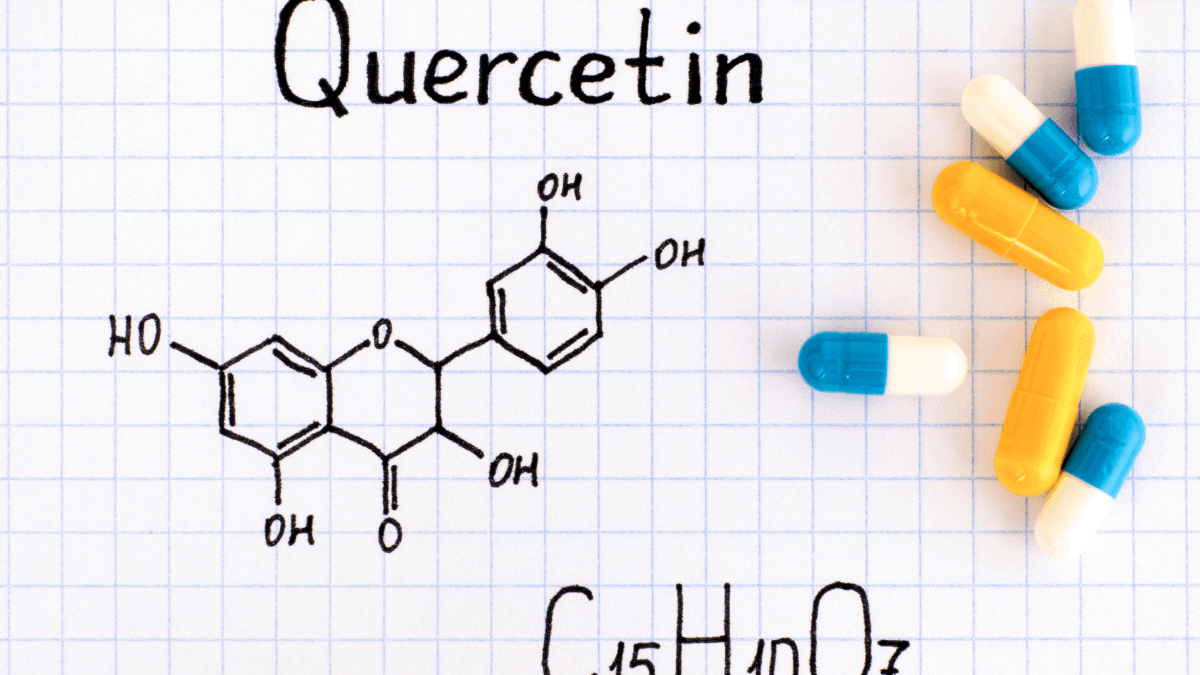
Quercetin and Metformin may overlap in glucose, inflammation, and cellular stress pathways, but quercetin should not be treated as a substitute for diabetes medicine. Food sources such as onions, apples, berries, and leafy greens can fit into a diabetes-friendly eating pattern. Supplements need more caution because dose, purity, and interaction risks vary. This matters because many people with type 2 diabetes already use several medicines, and even “natural” products can affect safety or monitoring.
Key Takeaways
- Food first: Quercetin-rich produce is usually the safest starting point.
- Evidence is mixed: Human data are limited and not consistent.
- Metformin remains central: Do not replace prescribed therapy with supplements.
- Interactions matter: Review blood thinners, antibiotics, transplant drugs, and other medicines.
- Track patterns: Glucose logs can help you discuss changes with your care team.
How Quercetin and Metformin May Overlap
Quercetin is a flavonoid, a plant polyphenol found in many vegetables, fruits, herbs, and capers. Researchers study it for antioxidant, anti-inflammatory, vascular, and metabolic effects. Metformin is a prescription glucose-lowering medicine widely used in type 2 diabetes care. The two are discussed together because both may influence pathways involved in insulin resistance and glucose handling.
Metformin mainly lowers glucose by reducing liver glucose production and improving insulin sensitivity. It also affects AMP-activated protein kinase, often shortened to AMPK, which is involved in cellular energy balance. Quercetin has shown activity in related pathways in laboratory and animal studies. Some small human studies suggest possible benefits for fasting glucose, blood pressure, or inflammation markers, but results vary.
The key distinction is clinical certainty. Metformin has approved uses, known dosing frameworks, and established monitoring. Quercetin is a dietary compound and supplement ingredient, not an approved diabetes drug. For a deeper look at the medicine side, see Metformin Mechanism of Action.
Why it matters: Overlapping mechanisms do not prove that a supplement improves your diabetes plan.
Can People With Diabetes Take Quercetin?
Many people with diabetes can eat quercetin-containing foods as part of balanced meals. Whole foods also provide fibre, potassium, vitamin C, and other polyphenols. This is different from taking concentrated capsules, where the dose may be far higher than a normal diet and safety data are less complete.
If you use metformin, quercetin from food is unlikely to require a medication change. Still, your overall carbohydrate intake, meal timing, kidney function, and other diabetes medicines matter more than any single flavonoid. People who use insulin or sulfonylureas should be especially careful with any new supplement that might change glucose patterns, because those medicines can increase hypoglycemia risk.
Quercetin and Metformin are sometimes promoted as a “synergistic” combination. That language comes mostly from early research settings, including cell, animal, and small experimental studies. It should not be read as proof that everyone taking metformin should add quercetin. If you are considering a supplement, bring the exact product label to a clinician or pharmacist.
For practical context on insulin resistance and food patterns, see Metformin and Insulin Resistance. You can also browse the Type 2 Diabetes collection for related education.
Quercetin Foods: A Practical Food-First Approach
Quercetin foods include onions, capers, apples, berries, grapes, kale, broccoli, leafy greens, tea, and some herbs. Content varies by plant variety, growing conditions, storage, and preparation. Red onions and capers are often highlighted because they can be concentrated sources, although capers are usually eaten in small amounts.
A food-first approach works well because it avoids the uncertainty of supplement dosing. It also supports the broader dietary goals that matter in diabetes care: consistent carbohydrates, adequate fibre, lean protein, unsaturated fats, and portion awareness. No single vegetable or fruit will “boost” metformin in a guaranteed way.
Try using quercetin-rich foods as meal anchors rather than isolated add-ons. Add red onion to eggs or beans, use berries with plain yogurt, include apples with nut butter, or rotate kale and broccoli in cooked meals. If you follow potassium, sodium, kidney, or carbohydrate limits, ask a registered dietitian how these foods fit your plan.
People often search for the top ten foods high in quercetin or a quercetin foods chart. Those lists can help with shopping, but they should not override glucose response. A continuous glucose monitor or finger-stick meter may show that two people respond differently to the same fruit portion.
Use this glucose unit converter if you compare readings from sources that use different units. It converts between mg/dL and mmol/L and does not replace clinical interpretation.
Blood Glucose Unit Converter
Convert glucose readings between mg/dL and mmol/L without changing the clinical value.
These calculations are for education only and do not replace clinical advice, diagnosis, or treatment. Always confirm medical decisions with a qualified healthcare professional.
For another food-focused diabetes topic, see Garlic and Diabetes.
Supplements, Bromelain, and Vitamin C Combinations
A quercetin supplement may contain quercetin dihydrate, phytosome formulations, or blends with other ingredients. Product labels differ widely. Some combine quercetin with bromelain, an enzyme mixture from pineapple stems. Others add vitamin C, zinc, or herbal extracts.
Quercetin with bromelain is often marketed for seasonal allergy symptoms, sinus comfort, or general inflammation support. Bromelain may have anti-inflammatory and antiplatelet effects in some settings, but evidence for metabolic benefits is limited. A combination product should not be assumed safer or stronger just because it contains multiple ingredients.
Vitamin C combinations are usually based on antioxidant rationale and product stability. That does not mean they will lower blood sugar, blood pressure, or inflammation in a predictable way. Bioavailability also varies. A capsule may deliver more quercetin than a typical meal, but the body may absorb and process different forms differently.
If you are choosing between foods and supplements, the simplest question is practical: what problem are you trying to solve? For general diet quality, food sources are usually enough. For a targeted symptom such as allergies, discuss evidence, risks, and alternatives with a clinician, especially if you already take several medicines. For broader supplement education, browse Vitamins and Supplements.
Side Effects and Interaction Questions to Ask
Quercetin side effects are usually mild in published consumer summaries, but higher-dose supplements may cause stomach upset, headache, tingling, or changes in how some medicines are handled. The main concern is not only side effects. It is also interaction risk, especially when a person has diabetes, kidney disease, heart disease, or a complex medication list.
People taking anticoagulants or antiplatelet medicines should be cautious because quercetin and bromelain may affect clotting pathways in some research contexts. This does not mean quercetin “thins blood” in the same way as prescription anticoagulants. It means bleeding risk should be reviewed before adding concentrated products.
Drug transporter and enzyme effects are another reason to ask a pharmacist. Quercetin may affect proteins involved in moving drugs through the intestine, liver, or kidneys. That can matter for certain antibiotics, immunosuppressants, blood pressure medicines, cancer therapies, or drugs with narrow safety margins. Do not start, stop, or separate medicines based only on online advice.
People with kidney impairment, pregnancy, planned surgery, bleeding disorders, or thyroid disease should get individualized guidance before using concentrated supplements. Thyroid-related searches are common, but the practical point is broader: endocrine conditions often involve medicines and monitoring, so supplement changes deserve review.
Metformin has its own tolerability considerations, especially gastrointestinal symptoms and kidney-related prescribing precautions. If you need medicine-specific context, see Metformin or the extended-release product page for Glumetza. These pages are useful for product navigation, not a substitute for your prescriber’s instructions.
Blood Sugar, Blood Pressure, and Expectations
Quercetin may have small effects on blood sugar or blood pressure in some studies, but it does not work like a regulated diabetes or hypertension medicine. Trial results differ by population, dose, formulation, baseline health, and study length. That is why personal monitoring and clinician review matter more than broad supplement claims.
For blood sugar, some studies report modest changes in fasting glucose, insulin resistance markers, or inflammatory markers. Others show little effect. If you already use metformin, the question is not whether quercetin can lower blood sugar in theory. The better question is whether a specific dietary or supplement change is safe and useful for your overall plan.
For blood pressure, quercetin has been studied in randomized trials and meta-analyses. Reported effects are generally modest and not consistent enough to replace lifestyle measures or prescribed antihypertensives. If you monitor at home, use averaged readings rather than a single number before discussing patterns.
Skin health, allergy symptoms, and exercise recovery are also common quercetin topics. These uses have different evidence bases and should not be blended into diabetes claims. A person may consider quercetin for one reason and still need to evaluate diabetes medication safety separately.
Quick tip: Track one change at a time so patterns are easier to interpret.
Practical Next Steps Before Adding a Supplement
Before combining Quercetin and Metformin in supplement form, slow down and review the decision clearly. This is especially important if your glucose readings are unstable, you use insulin, you have kidney disease, or you take blood thinners. A short checklist can make the conversation more useful.
- Bring the label: Include dose, form, and added ingredients.
- List all medicines: Include prescriptions, over-the-counter drugs, and herbs.
- Clarify the goal: Glucose, allergies, blood pressure, or general wellness.
- Check monitoring: Ask which glucose or blood pressure changes matter.
- Review timing: Confirm whether spacing from medicines is needed.
- Watch symptoms: Note bleeding, rash, dizziness, or severe stomach upset.
If you use combination diabetes therapy, your care team may focus on the prescription regimen first. Some products combine metformin with other glucose-lowering medicines. Examples include Synjardy, Janumet XR, and Invokamet. These are product pages for navigation and should be interpreted alongside official labels and clinician guidance.
Some readers also explore cash-pay options and cross-border fulfilment depending on eligibility and jurisdiction. When prescription details are required, platforms may help confirm them with the prescriber, while dispensing is handled by licensed third-party pharmacies where permitted.
Authoritative Sources
For medication facts, official labeling is the best starting point. The FDA metformin labeling describes approved uses, contraindications, warnings, and renal precautions.
For supplement safety, the NIH Office of Dietary Supplements fact sheet directory explains dietary supplement topics and consumer safety principles.
For quercetin evidence summaries, the NCCIH antioxidants overview provides context on antioxidant supplements and evidence limits.
Recap
Quercetin-rich foods can be a reasonable part of a balanced diabetes eating pattern. Supplements require more caution because concentrated doses, added ingredients, and medication interactions can change the risk picture. Quercetin and Metformin may overlap in research pathways, but that does not make the combination automatically necessary or safe. Use food-first strategies, monitor meaningful patterns, and discuss supplement plans with a clinician or pharmacist.
This content is for informational purposes only and is not a substitute for professional medical advice.