
Please note: a valid prescription is required for all prescription medication.
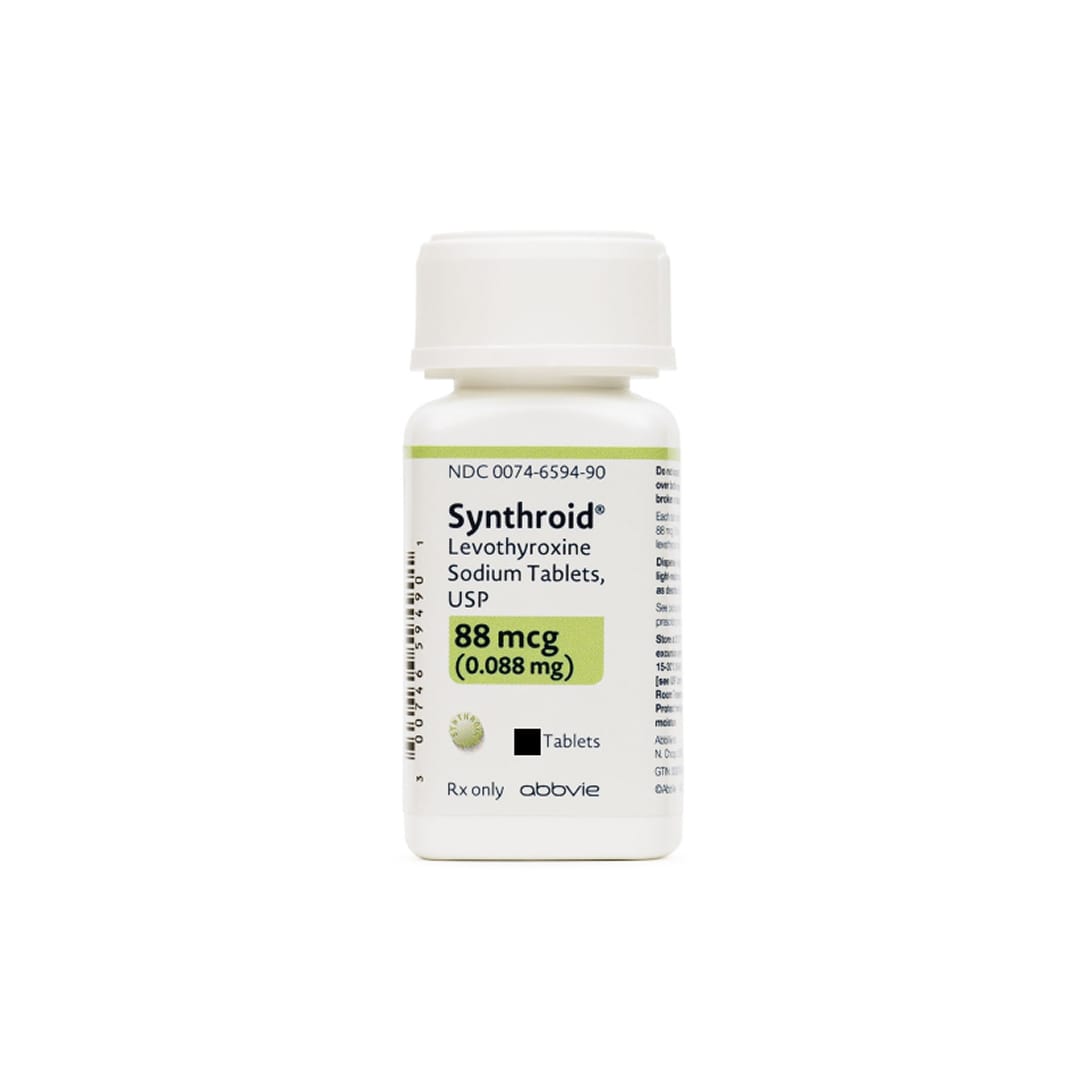
Synthroid
Buy Synthroid Online


Synthroid contains levothyroxine sodium, a synthetic form of thyroxine, also called T4. You can buy Synthroid online, view the current Synthroid price, and choose the tablet strength and quantity that match the latest clinician directions. Because thyroid hormone dosing is individualized, the strength on the medicine label should guide selection more than price alone.
Synthroid is a brand-name thyroid hormone tablet used when the body needs replacement or supplemental thyroid hormone. It is commonly associated with hypothyroidism, a condition in which the thyroid gland does not make enough hormone. If brand continuity matters for your care, keep the product name, strength, and refill history consistent when selecting tablets.
Synthroid Price and Strength Selection
Synthroid price comparisons work best when the same microgram strength and tablet quantity are being evaluated. Levothyroxine tablets are measured in mcg, and even small strength differences can change thyroid hormone exposure. A lower amount for a different strength is not a useful substitute for the dose your clinician intended.
Commonly searched strengths include 25 mcg, 50 mcg, 75 mcg, 88 mcg, 100 mcg, 112 mcg, 125 mcg, and 150 mcg tablets. If you are looking at a Synthroid 100 mcg price, compare it with the 100 mcg tablet and the same intended quantity. Use the same method for Synthroid 75 mcg price, Synthroid 88 mcg price, Synthroid 50 mcg price, Synthroid 112 mcg price, Synthroid 125 mcg price, or Synthroid 25 mcg price searches.
Quantity also changes the out-of-pocket comparison. A 30-day supply often corresponds to 30 tablets for once-daily therapy, while a 90-day supply often corresponds to 90 tablets. The Synthroid 90 day supply cost may not scale exactly from a 30-day amount because pack size, service handling, and inventory presentation can differ.
| What to match | How it affects the decision |
|---|---|
| Microgram strength | Thyroid dosing is sensitive, so compare the same mcg strength. |
| Tablet quantity | Use tablet count when comparing 30-day and 90-day supplies. |
| Brand name | Synthroid and generic levothyroxine may be treated differently by plans and clinicians. |
| Current directions | Recent lab results may lead to a different strength than an older refill. |
Quick tip: Match the mcg strength first, then compare quantity and current amount.
How to Buy Synthroid Online
Choose the Synthroid strength that matches the current medicine label or clinician instruction, then select the quantity you need for the intended supply length. Keep the product name visible during checkout so brand Synthroid is not confused with a generic levothyroxine product. We may review order details if clarification is needed.
When comparing Synthroid online pharmacy choices, focus on the full order line rather than the product name alone. Strength, tablet count, brand wording, and service route all matter. For customers considering US delivery from Canada, use the same strength and quantity when comparing local and cross-border service costs.
- Start with strength: Use the mcg amount on the latest label.
- Match the brand: Select Synthroid when brand continuity is intended.
- Count tablets: Compare the total quantity, not only the supply wording.
- Plan storage: Keep tablets dry and protected from heat and light.
Do not adjust a thyroid hormone strength to match a lower price. Dose changes are usually based on symptoms, TSH results, other lab findings, age, pregnancy status, heart history, and other medicines. If the current instructions are unclear, ask the treating clinician or pharmacist before choosing a different strength.
Brand Synthroid, Generic Levothyroxine, and Cost
Synthroid is the brand name for levothyroxine sodium tablets. Generic levothyroxine products contain the same active ingredient, but inactive ingredients, tablet appearance, and absorption characteristics may vary between manufacturers. Some clinicians prefer patients to stay with one product so thyroid lab results remain easier to interpret over time.
Searches for Synthroid generic cost, cost of generic Synthroid, or buy generic Synthroid usually refer to generic levothyroxine. Those amounts may be useful only when substitution is appropriate for the individual. If the care plan emphasizes brand consistency, a generic levothyroxine price should not be treated as an equal buying decision without professional confirmation.
Synthroid cost without insurance depends on the strength, total quantity, brand status, and pharmacy service route. The price of Synthroid without insurance may differ from insurance copay amounts, generic levothyroxine pricing, or manufacturer program terms seen elsewhere. Cash-pay shoppers should compare the same mcg strength and tablet count each time.
Why it matters: A price comparison is only meaningful when the medicine, strength, and quantity match.
What Synthroid Treats
Synthroid replaces or supplements thyroid hormone in people with hypothyroidism. Hypothyroidism can cause fatigue, cold intolerance, constipation, dry skin, slowed heart rate, weight changes, menstrual changes, and elevated TSH. Treatment goals usually include improving hormone levels and reducing symptoms while avoiding overtreatment.
Levothyroxine may also be used in certain thyroid cancer treatment plans to suppress thyroid-stimulating hormone, known as TSH. That use depends on diagnosis, cancer history, risk category, and lab targets. The intended use and monitoring plan should come from the clinician managing thyroid care.
Synthroid is not a weight-loss medicine. Taking thyroid hormone in excessive amounts, or using it with other weight-loss drugs, can cause serious effects. If weight changes led to thyroid testing, the safest next step is to discuss the lab results, symptoms, and treatment goal with the clinician.
For condition-focused browsing, the Hypothyroidism collection groups thyroid-related treatment and education content. Broader therapy browsing is available through Endocrine Thyroid Products when the exact product or active ingredient is still being discussed.
Taking Thyroid Hormone Consistently
Levothyroxine works best when taken consistently according to the directions on the medicine label. Timing, meals, supplements, and other medicines can affect absorption. Many people are instructed to keep a steady routine because thyroid labs reflect how the body is absorbing and using the hormone over time.
Calcium, iron, antacids, bile acid sequestrants, sucralfate, and some acid-reducing medicines can reduce levothyroxine absorption if taken too close together. Coffee, high-fiber meals, and certain nutritional products may also affect consistency for some people. Follow the timing plan provided with the medicine and tell the clinician about major routine changes.
Missed doses, travel, brand switches, new medicines, pregnancy, and changes in body weight can all influence thyroid monitoring. TSH testing, and sometimes free T4 testing, helps determine whether the strength remains appropriate. Do not double up or change the strength unless a clinician has given specific instructions.
Storage, Handling, and Travel
Synthroid tablets should be protected from excess heat, moisture, and light. Store the bottle at room temperature as described on the label, and close the cap tightly after each use. Bathrooms, windowsills, cars, and travel bags exposed to heat can create storage conditions that are not ideal for levothyroxine tablets.
Keep tablets in the original container until they can be organized safely. The label preserves the product name, strength, lot details, expiration date, and directions. Those details help identify the medicine after a refill, dose adjustment, or trip.
For travel, carry enough tablets for the planned time away and keep the label accessible. Levothyroxine is not a cold-chain medicine, but it still needs dry, temperature-conscious handling. If your order involves US shipping from Canada, plan ahead so refills are not left until the last tablet.
- Heat: Avoid cars, heaters, and direct sunlight.
- Moisture: Keep the bottle dry and tightly capped.
- Identification: Use the label to verify brand, strength, and expiration date.
- Routine: Keep timing consistent during travel when possible.
Side Effects, Warnings, and Monitoring
Side effects often reflect too much thyroid hormone for the body’s needs. Possible symptoms include fast heartbeat, palpitations, chest pain, tremor, nervousness, sweating, heat intolerance, diarrhea, appetite changes, trouble sleeping, or unintended weight loss. New or worsening symptoms should be discussed promptly, especially in older adults or people with heart disease.
Levothyroxine should not be used in people with uncorrected adrenal insufficiency until that condition is addressed. Tell the clinician about heart disease, adrenal problems, diabetes medicines, blood thinners, pregnancy, menopause, bone loss risk, or major medication changes. Long-term overtreatment may contribute to reduced bone mineral density, especially in postmenopausal patients.
Seek urgent medical help for chest pain, fainting, severe shortness of breath, swelling of the face or throat, or a rapid or irregular heartbeat that feels dangerous. Warfarin, digoxin, certain antidepressants, diabetes medicines, seizure medicines, and hormone therapies may require closer monitoring when thyroid treatment changes. Lab follow-up helps confirm whether the strength is still appropriate.
People managing other hormone or metabolic conditions may find Diabetes And Endocrine System useful for medication review questions. Thyroid education is also grouped under Endocrine Thyroid Articles.
Related Thyroid Product Decisions
Most Synthroid buying decisions come down to brand, strength, quantity, and consistency. Staying with the same product can make TSH trends easier to interpret, while switching between brand and generic levothyroxine may lead to follow-up testing. If a switch occurs, record the new manufacturer or brand and report symptom changes.
Generic levothyroxine can be a practical alternative for some people, but the decision should fit the treatment plan. Insurance coverage, cash-pay needs, tablet tolerance, supply length, and clinician preference may all influence the choice. The important comparison is not just Synthroid retail price; it is whether the medicine matches the plan that produced stable thyroid labs.
The Endocrine Thyroid Products category can help organize thyroid-related medicines when the active ingredient is still being confirmed. The Hypothyroidism collection is useful when treatment decisions are tied to symptoms, lab monitoring, and follow-up discussions.
Authoritative Sources
Patient medicine information is available from MedlinePlus levothyroxine information, including uses, precautions, side effects, and interaction topics.
This content is for informational purposes only and is not a substitute for professional medical advice.
BMI Calculator
Estimate adult body mass index from height and weight, with metric and imperial units.
BMI
-
kg/m2 equivalent
Category
-
Adult screening range
These calculations are for education only and do not replace clinical advice, diagnosis, or treatment. Always confirm medical decisions with a qualified healthcare professional.
Body Surface Area Calculator
Calculate body surface area from height and weight using the Mosteller equation.
BSA
-
m2, Mosteller equation
These calculations are for education only and do not replace clinical advice, diagnosis, or treatment. Always confirm medical decisions with a qualified healthcare professional.
Ideal & Adjusted Body Weight Calculator
Estimate ideal body weight with the Devine equation and adjusted body weight when actual weight is above the estimate.
Ideal body weight
-
Devine equation
Adjusted body weight
-
IBW + 0.4 x excess weight
Difference from IBW
-
actual minus ideal
These calculations are for education only and do not replace clinical advice, diagnosis, or treatment. Always confirm medical decisions with a qualified healthcare professional.
Pregnancy Due Date Calculator
Estimate due date and gestational age from last menstrual period.
Estimated due date
-
280 days plus cycle adjustment
Gestational age
-
based on today
These calculations are for education only and do not replace clinical advice, diagnosis, or treatment. Always confirm medical decisions with a qualified healthcare professional.
Express Shipping - from $29.99
Shipping with this method takes 3-5 days
Prices:
- Dry-Packed Products $29.99
- Cold-Packed Products $39.99
Standard Shipping - $19.99
Shipping with this method takes 5-10 days
Prices:
- Dry-Packed Products $19.99
- Not available for Cold-Packed products
What is Synthroid used for?
Synthroid contains levothyroxine sodium and is used to replace or supplement thyroid hormone, most commonly in hypothyroidism. It may also be used in certain thyroid cancer treatment plans to help suppress TSH under clinician supervision.
How should I compare Synthroid price?
Compare the same mcg strength, brand name, and tablet quantity. A Synthroid 100 mcg price should be compared with another 100 mcg supply, not with a different strength or a generic product unless substitution is appropriate.
Is generic Synthroid the same as levothyroxine?
Generic Synthroid usually refers to generic levothyroxine sodium. It contains the same active ingredient, but the manufacturer, inactive ingredients, and tablet appearance may differ. Some clinicians prefer consistency with one product.
Can Synthroid be used for weight loss?
No. Synthroid is not a weight-loss medicine. Taking too much thyroid hormone, especially with other weight-loss drugs, can cause serious or life-threatening effects such as heart rhythm problems.
What can interfere with Synthroid absorption?
Calcium, iron, antacids, sucralfate, bile acid sequestrants, some acid-reducing medicines, food timing, and certain supplements can affect levothyroxine absorption. Follow the timing directions provided with the medicine.
How should Synthroid tablets be stored?
Store Synthroid at room temperature as described on the label, protected from excess heat, moisture, and light. Keep the bottle tightly closed and use the label to verify the product name, strength, and expiration date.
Rewards Program
Earn points on birthdays, product orders, reviews, friend referrals, and more! Enjoy your medication at unparalleled discounts while reaping rewards for every step you take with us.
You can read more about rewards here.
POINT VALUE
How to earn points
- 1Create an account and start earning.
- 2Earn points every time you shop or perform certain actions.
- 3Redeem points for exclusive discounts.
You Might Also Like
Select options
This product has multiple variants. The options may be chosen on the product page
Select options
This product has multiple variants. The options may be chosen on the product page
Select options
This product has multiple variants. The options may be chosen on the product page
Select options
This product has multiple variants. The options may be chosen on the product page